

Loading, please wait...
Loading, please wait...
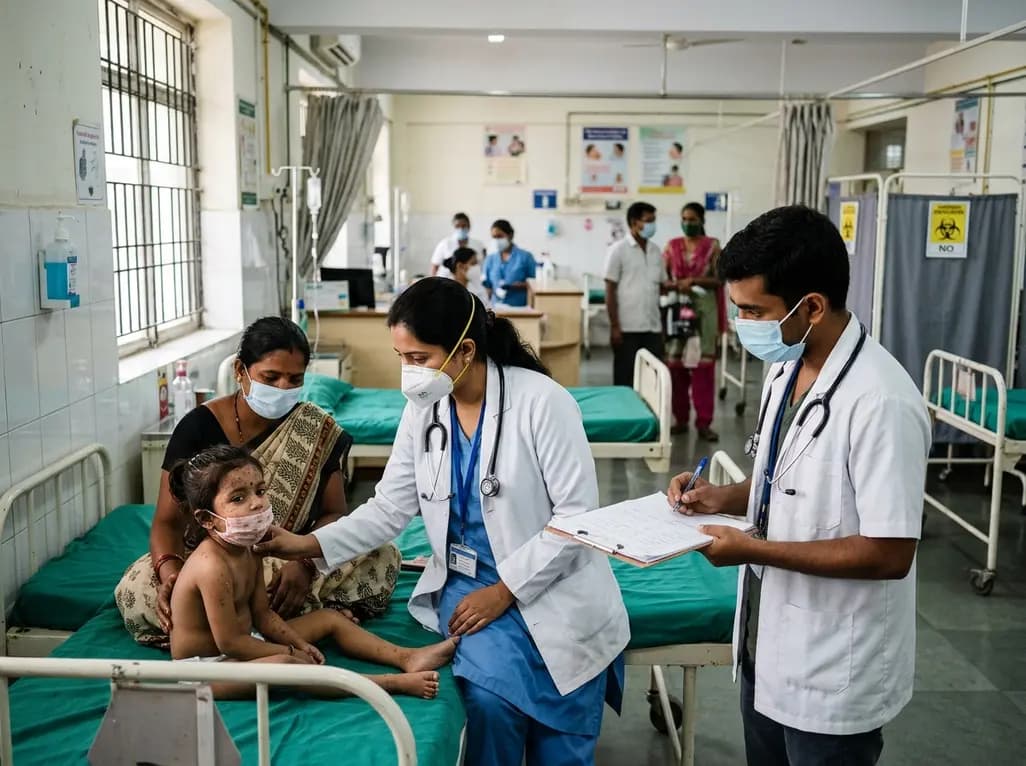
Recent public health reports confirm that Pennsylvania has recorded 1,317 measles cases across 43 counties, resulting in 251 hospitalizations and five fatalities. Consequently, establishing a robust measles outbreak response has become an urgent priority for modern healthcare providers. Official surveillance data indicate that fewer than one percent of infected patients had received prior vaccination. Therefore, clinicians must maintain high diagnostic suspicion during patient triage. In addition, prompt isolation of suspected individuals remains vital to limit broader community transmission and nosocomial spread.
The sudden increase in measles infections demonstrates how rapidly the rubeola virus spreads among vulnerable populations. Washington County recently joined the growing roster of affected jurisdictions, underscoring persistent geographic dissemination. In addition, the high hospitalization rate of nearly twenty percent reflects significant clinical morbidity among unprotected cohorts. Clinicians must recognize that unimmunized infants and young children face the greatest danger of acute complications. Furthermore, measles possesses an exceptionally high reproductive number, often exceeding twelve to eighteen secondary infections per index case. Consequently, an uncontained cluster can overwhelm regional pediatric inpatient units within a few weeks.
Healthcare facilities must therefore adapt their intake protocols immediately upon notification of rising regional incidence. Specifically, triage nurses should screen all febrile individuals for rash illness before they enter shared waiting rooms. Moreover, facilities should establish outdoor screening kiosks or direct patients to dedicated negative-pressure evaluation rooms. Because primary healthcare centers frequently serve as amplification hubs, prompt environmental decontamination remains essential. In contrast, failing to segregate presenting patients allows airborne droplets to linger indoors for up to two hours. Ultimately, coordinated surveillance and rapid reporting to regional health authorities ensure adequate resource mobilization and timely containment.
Clinicians must identify the hallmark features of measles early during the prodromal phase. Typically, the illness begins with a high fever that escalates progressively over two to four days. In addition, patients frequently develop the classic triad of cough, coryza, and conjunctivitis. Photophobia often accompanies ocular inflammation, creating marked physical discomfort. Approximately two to three days after symptom onset, Koplik spots appear on the buccal mucosa opposite the lower molars. Notably, these pathognomonic lesions resemble tiny grains of white sand surrounded by erythematous halos.
However, Koplik spots usually resolve within forty-eight hours as the characteristic cutaneous exanthem emerges. The maculopapular rash typically begins along the hairline and behind the ears before spreading downward to the trunk and extremities. Furthermore, the lesions become confluent on the face and torso while remaining discrete on distal limbs. As the rash fades, fine desquamation and brownish hyperpigmentation frequently appear. Clinicians should recognize that atypical presentations occasionally occur in immunocompromised hosts, who may not mount a visible cutaneous rash. Therefore, healthcare providers must evaluate laboratory markers and detailed exposure histories when assessing high-risk patients with unexplained respiratory fever.
Accurate diagnostic confirmation is essential during community outbreaks to distinguish measles from other rash-producing childhood illnesses. Specifically, clinicians should collect both serum samples and respiratory swabs at the initial clinical encounter. Reverse transcription-polymerase chain reaction, or RT-PCR, serves as the gold standard for rapid viral RNA detection. In addition, healthcare personnel should obtain nasopharyngeal or throat swabs using synthetic polyester swabs placed in viral transport media. Clinicians can also detect viral shedding in urine specimens collected during the acute phase.
Simultaneously, clinicians must perform serologic testing to measure measles-specific IgM and IgG antibodies. Notably, measles IgM antibodies become detectable within the first few days after rash onset and peak after two weeks. However, testing conducted during the initial seventy-two hours can yield false-negative IgM results. Therefore, clinicians should repeat serologic testing between five and ten days later if clinical suspicion remains elevated. Furthermore, a fourfold rise in measles-specific IgG titers between acute and convalescent sera confirms recent infection. Healthcare teams must report all suspected cases immediately to local public health departments without waiting for final laboratory confirmation.
Measles is not a benign childhood condition, as evidenced by hundreds of hospitalizations in ongoing outbreaks. In fact, secondary respiratory and neurological complications drive significant clinical morbidity and mortality. Severe pneumonia represents the most common cause of measles-related death in young children. Consequently, clinicians must evaluate respiratory rate, work of breathing, and arterial oxygen saturation during every clinical visit. In addition, bacterial tracheobronchitis and acute otitis media frequently complicate acute infection due to measles-induced immune suppression.
Furthermore, neurologic sequelae present devastating long-term risks for infected patients. Acute disseminated encephalomyelitis can occur during recovery, causing seizures, focal neurological deficits, and coma. Subacute sclerosing panencephalitis represents a fatal neurodegenerative disorder that manifests several years after initial infection. Therefore, clinicians must educate families regarding these catastrophic risks to counter misinformation about natural viral immunity. Hospitalized patients also face risks of severe diarrhea, dehydration, and secondary bacteremia. Consequently, medical teams must administer proactive fluid resuscitation, provide respiratory support, and supplement high-dose oral vitamin A for two consecutive days.
Vaccination remains the most potent weapon against community transmission and severe hospitalizations. The measles, mumps, and rubella vaccine provides approximately ninety-three percent protection after one dose and ninety-seven percent protection after two doses. Notably, breakthrough infections remain exceedingly rare, representing less than one percent of total cases in current epidemiological reports. Therefore, public health authorities must prioritize routine childhood immunization campaigns to close persistent community immunity gaps. In addition, healthcare facilities should verify the immune status of all clinical and administrative personnel.
When unimmunized individuals experience direct viral exposure, clinicians must act swiftly to administer appropriate post-exposure prophylaxis. Specifically, providing the MMR vaccine within seventy-two hours of exposure offers meaningful protection against clinical infection. Alternatively, susceptible contacts at high risk for severe illness should receive intramuscular or intravenous immunoglobulin within six days. This high-risk cohort includes infants under twelve months, non-immune pregnant women, and severely immunocompromised individuals. Furthermore, clinicians must quarantine exposed individuals for twenty-one days to prevent secondary household and school transmissions. Ultimately, prompt post-exposure interventions substantially lessen viral spread and mitigate healthcare system strain.
Q1: What infection control measures should clinics implement immediately for suspected measles cases?
Clinics must immediately mask suspected patients and place them into negative-pressure airborne isolation rooms. If specialized rooms are unavailable, staff should place the patient in a private room with a closed door. In addition, healthcare workers must wear fitted N95 respirators regardless of their personal vaccination history. Furthermore, the evaluation room must remain vacant for at least two hours after the patient departs to allow complete air exchange and droplet clearance.
Q2: Who should receive immunoglobulin instead of the MMR vaccine for post-exposure prophylaxis?
Clinicians should administer human normal immunoglobulin to exposed individuals who cannot safely receive live attenuated vaccines. Specifically, this group includes infants younger than six months, susceptible pregnant women, and individuals with severe congenital or acquired immunodeficiencies. In addition, clinicians must administer intramuscular or intravenous immunoglobulin within six days of initial exposure. This passive immunization provides immediate circulating antibodies, substantially decreasing the risk of severe pneumonia and death.
Q3: Why is therapeutic vitamin A supplementation recommended for pediatric measles patients?
Acute measles infection rapidly depletes systemic vitamin A reserves, which impairs mucosal epithelial integrity and dampens cell-mediated immunity. Consequently, the World Health Organization recommends therapeutic vitamin A for all pediatric measles cases. Healthcare providers should administer age-appropriate oral doses daily for two consecutive days. Notably, this therapeutic intervention protects mucosal barriers, prevents progressive ocular complications such as corneal ulceration, and reduces overall pediatric mortality by half.
Disclaimer: This content is for informational and educational purposes only. It does not constitute medical advice or replace professional judgment. Refer to the latest local and national guidelines for clinical practice.
References

Read summarized clinical updates, watch expert medical content, and earn CME certifications right from your smartphone.
Open your smartphone camera to scan and install.





Rising measles infections highlight the critical need for rapid clinical identification, strict airborne isolation, and targeted post-exposure prophylaxis. This guide examines clinical presentations, high-risk populations, diagnostic validation, and evidence-based outbreak containment strategies for clinicians.
Today
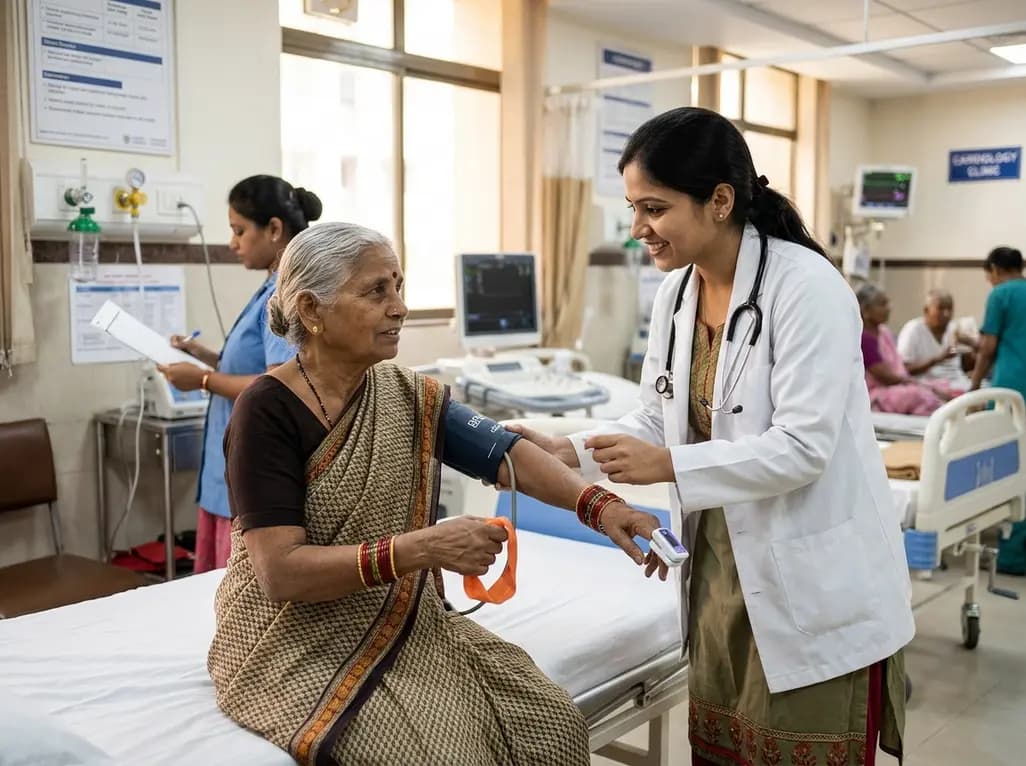
Review how tailored exercise programs benefit frail older patients with heart failure. Explore pathophysiological mechanisms, individualized training prescriptions, and strategies to overcome adherence barriers in clinical practice.
Today

Recent clinical studies reveal maternal autoantibodies targeting IL-1RA as potential triggers for preterm labor, opening avenues for targeted cytokine therapies. Concurrently, new perioperative findings show inhaled cannabis increases propofol requirements during upper endoscopy compared to oral edible consumption.
Today
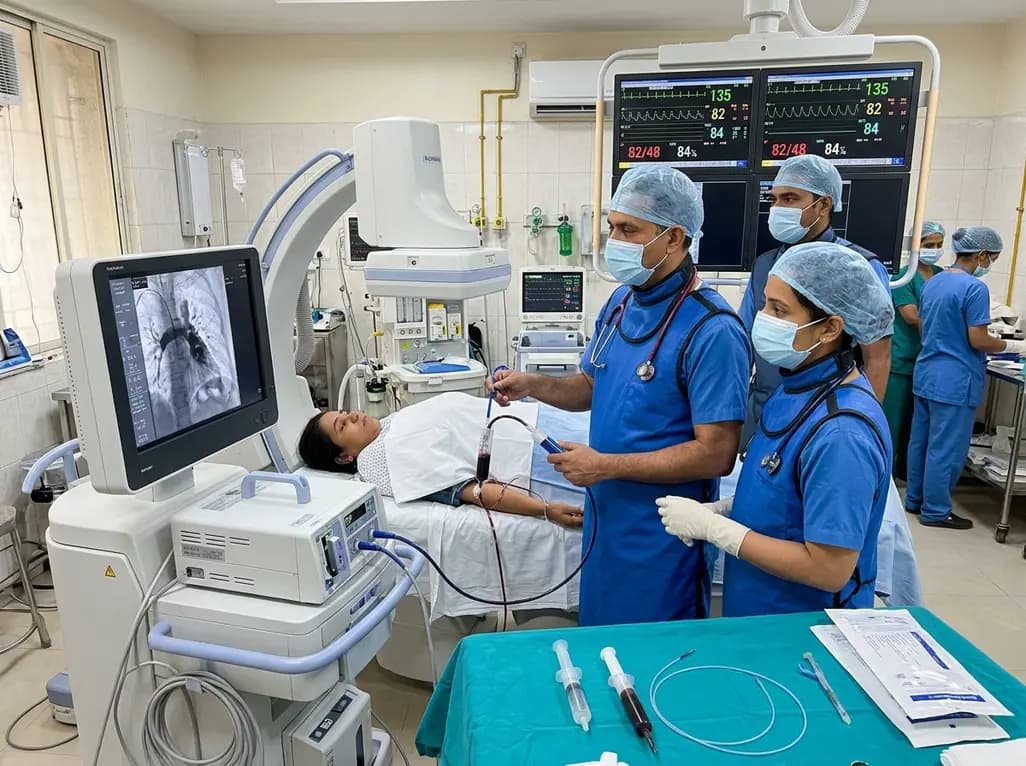
In high-risk pulmonary embolism complicated by severe anemia and active uterine bleeding, systemic thrombolysis is contraindicated. Large-bore aspiration thrombectomy provides rapid hemodynamic rescue without fibrinolysis, supported by inferior vena cava filter placement and multidisciplinary critical care.
Today

This comparative study evaluates posterior labral tears with and without glenohumeral instability, highlighting distinct demographic patterns, MRI underestimation in stable shoulders, and successful arthroscopic repair outcomes.
Today
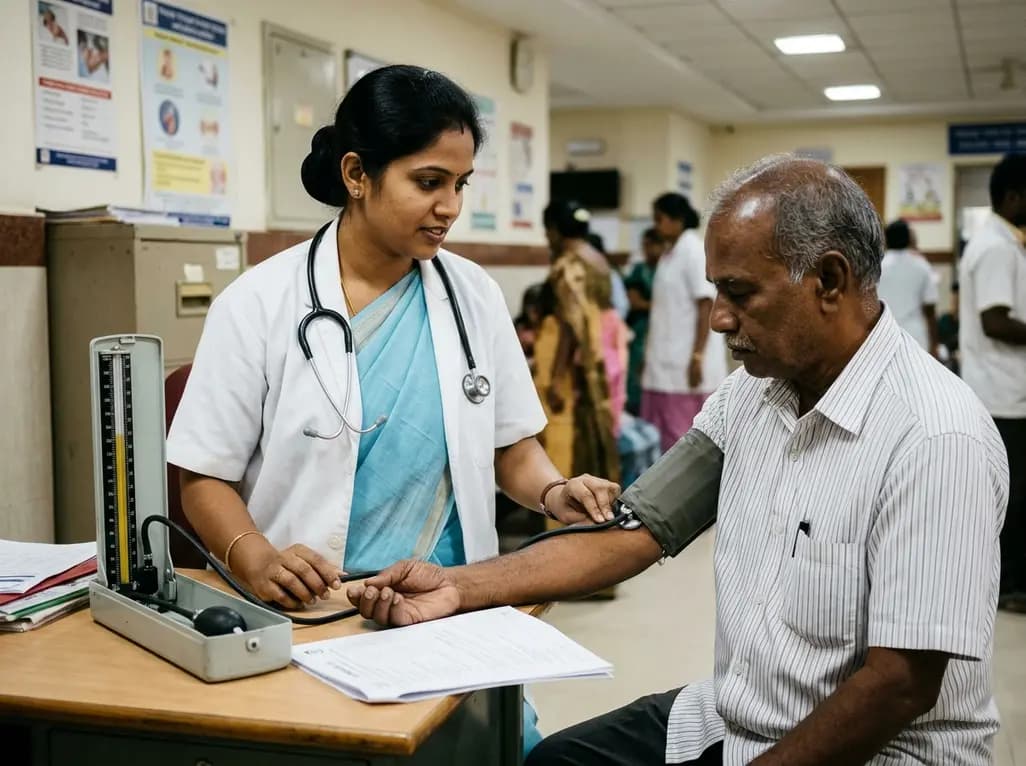
A cross-sectional study in Zanzibar reveals that 46.5% of adults with type 2 diabetes experience multidomain autonomic dysfunction on the COMPASS-31 tool, primarily orthostatic intolerance, while 45.9% exhibit cardiovascular autonomic neuropathy, highlighting the urgent need for structured clinical screening.
Today
