

Loading, please wait...
Loading, please wait...
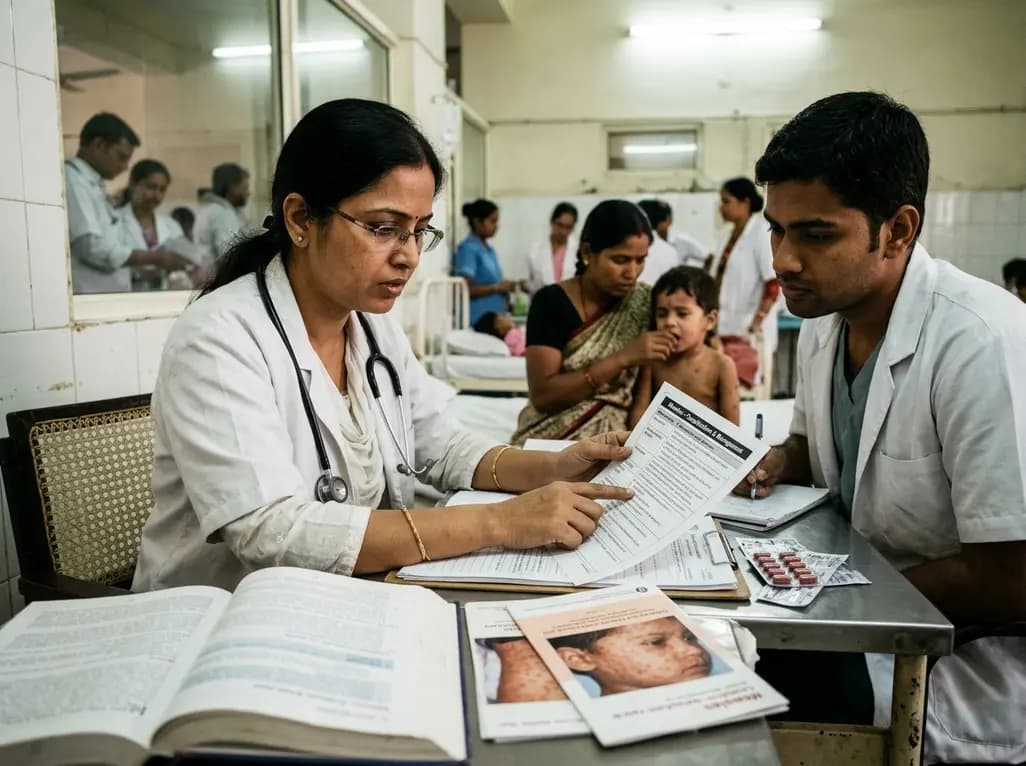
Public health authorities recently confirmed a tragic pediatric death in Lewis County, New York, marking the state's first measles fatality in over thirty years. Consequently, the governor declared a State Disaster Emergency to mobilize critical clinical resources across affected regions. Clinicians worldwide must recognize that measles remains an aggressive airborne threat rather than a benign illness. Understanding measles outbreak complications is vital for general practitioners and pediatricians evaluating acute febrile rashes. Furthermore, prompt clinical recognition prevents severe morbidity and fatal outcomes in vulnerable children.
The recent fatal case in New York highlights an alarming decline in pediatric herd immunity across vulnerable communities. Lewis County officials confirmed that the affected child succumbed to severe physiological consequences linked to the regional transmission cluster. Historically, the United States achieved measles elimination in 2000 through sustained high-titer vaccine coverage. However, recent years have witnessed notable pockets of vaccine hesitancy that lower regional immunization rates below critical protective thresholds. Therefore, public health departments must deploy targeted outreach teams to identify undervaccinated cohorts before widespread viral propagation occurs.
Similarly, Indian clinicians observe persistent measles threats in densely populated urban settlements and migratory populations. The World Health Organization continuously emphasizes that measles transmission requires at least 95 percent population immunity to disrupt viral chains. When community immunization rates fall below this benchmark, explosive outbreaks inevitably follow. Consequently, primary care physicians represent the crucial first line of defense during acute cluster outbreaks. By identifying index cases immediately, healthcare providers can initiate rapid isolation procedures and prevent lethal transmission cascades.
Primary care physicians must promptly recognize both common and life-threatening measles outbreak complications during physical examination. While classical measles presents with high fevers, coryza, cough, and conjunctivitis, aggressive complications can develop rapidly. Specifically, secondary bacterial pneumonia and primary giant-cell pneumonitis represent the leading causes of pediatric mortality associated with morbillivirus infection. Furthermore, acute otitis media occurs in nearly ten percent of infected children, frequently requiring antibiotic intervention. Severe dehydration from intractable diarrhea also precipitates acute hemodynamic instability in malnourished infants.
In addition to respiratory compromise, central nervous system pathology introduces grave prognostic concerns. Acute disseminated encephalomyelitis manifests in approximately one in every one thousand measles patients, causing seizures, focal neurological deficits, and coma. Subacute sclerosing panencephalitis remains a devastating, fatal degenerative condition that strikes children years after an initial infection. Therefore, clinicians must maintain high diagnostic suspicion whenever an unvaccinated child presents with a maculopapular rash spreading craniocaudally from the hairline. Prompt identification of clinical red flags allows providers to initiate urgent resuscitation and supportive stabilization.
Measles virus belongs to the Paramyxoviridae family and infects host cells via the CD150 and nectin-4 cellular receptors. Initial viral replication occurs in alveolar macrophages and dendritic cells within the respiratory epithelium. Subsequently, the pathogen migrates to regional lymphoid tissue, triggering high-grade viremia that disseminates the virus throughout systemic organ systems. This widespread dissemination induces extensive epithelial necrosis in the bronchial tree, gut mucosa, and vascular endothelium. Consequently, damaged mucosal barriers facilitate opportunistic bacterial superinfections by pathogens like Streptococcus pneumoniae and Staphylococcus aureus.
Importantly, measles inflicts profound, long-lasting damage on the host immune system through a mechanism termed immune amnesia. The virus directly destroys memory B lymphocytes and naive T cells during acute viral replication. As a result, recovering children lose preexisting humoral antibodies against previously encountered bacterial and viral pathogens. This immunologic ablation persists for several months or even years following apparent clinical recovery. Thus, pediatric measles survivors face substantial mortality risks from unrelated infectious diseases long after their acute rash resolves.
Current clinical management for acute measles focuses primarily on vigorous supportive care, fluid resuscitation, and secondary complication management. Because no specific antiviral therapy holds universal approval for measles, clinicians must optimize foundational physiological parameters. Most importantly, the World Health Organization mandates immediate high-dose oral vitamin A therapy for all pediatric patients upon diagnosis. Clinicians should administer age-appropriate doses on two consecutive days to restore depleted hepatic reserves. Specifically, infants under six months receive 50,000 international units. Infants aged six to eleven months receive 100,000 units, and older children receive 200,000 units.
Additionally, vitamin A supplementation significantly preserves mucosal integrity in the ocular and respiratory tracts, substantially decreasing measles-related mortality. In contrast, providers must caution families against unsupervised over-the-counter megadosing, which can trigger acute hepatotoxicity and intracranial hypertension. Inpatient care requires immediate negative-pressure isolation with airborne precautions to prevent nosocomial transmission to other vulnerable children. Furthermore, empirical parenteral antibiotics become essential whenever physicians identify signs of secondary bacterial pneumonia or purulent tracheobronchitis.
Preventing catastrophic measles fatalities requires unwavering adherence to robust childhood immunization schedules across private and public sectors. Two doses of the live-attenuated measles, mumps, and rubella vaccine provide approximately ninety-seven percent protective efficacy against clinical infection. Under India's Universal Immunization Programme, infants receive their first measles-rubella dose at nine to twelve months. Children subsequently receive their second dose between sixteen and twenty-four months. However, disruptions in routine pediatric clinic visits create dangerous immunity gaps that invite virulent community outbreaks. Therefore, clinicians must audit vaccination records during every clinical encounter to ensure timely catch-up dosing.
Moreover, clinicians must report every suspected measles case immediately to local public health surveillance authorities without waiting for confirmatory serology. Public health teams can administer post-exposure prophylaxis with the vaccine within seventy-two hours or human normal immunoglobulin within six days to susceptible close contacts. Healthcare facilities must also verify that all clinical personnel possess documented immunity against measles to eliminate hospital-acquired clusters. Ultimately, active clinical surveillance, rapid isolation protocols, and robust community vaccination remain our most powerful instruments to prevent preventable pediatric deaths.
Q1: What are the early clinical signs that indicate severe measles progression?
Clinicians should look for persistent high fevers lasting beyond four days, severe tachypnea, grunting, chest indrawing, and marked lethargy. Furthermore, inability to tolerate oral fluids, profuse diarrhea leading to dehydration, and altered sensorium suggest imminent physiological decompensation. Immediate hospitalization, supplemental oxygen therapy, and comprehensive laboratory investigations are crucial when these red flag symptoms appear during clinical triage.
Q2: How does measles infection cause long-term immune suppression in children?
Measles virus selectively infects memory B cells, naive T cells, and antigen-presenting cells via the CD150 receptor. Consequently, the pathogen eliminates previously acquired antibodies against other childhood diseases in a process known as immune amnesia. This severe immune reset can persist for several years, leaving the child exceptionally vulnerable to secondary bacterial and viral infections even after the rash disappears.
Q3: Why is high-dose vitamin A recommended during acute measles management?
Acute measles infection causes rapid depletion of endogenous serum and hepatic vitamin A reserves, impairing epithelial barrier function. Therefore, the World Health Organization recommends therapeutic vitamin A administration on two consecutive days to restore systemic levels. This targeted intervention protects mucosal surfaces in the lungs and intestines, substantially decreases ocular complications, and reduces overall pediatric mortality by fifty percent.
Disclaimer: This content is for informational and educational purposes only. It does not constitute medical advice or replace professional judgment. Refer to the latest local and national guidelines for clinical practice.
References

Read summarized clinical updates, watch expert medical content, and earn CME certifications right from your smartphone.
Open your smartphone camera to scan and install.





Health authorities in New York confirmed the first measles-related pediatric death in over three decades following regional outbreaks. This guide examines crucial diagnostic criteria, lethal pulmonary and neurological complications, standardized vitamin A protocols, and essential community immunization strategies.
Today
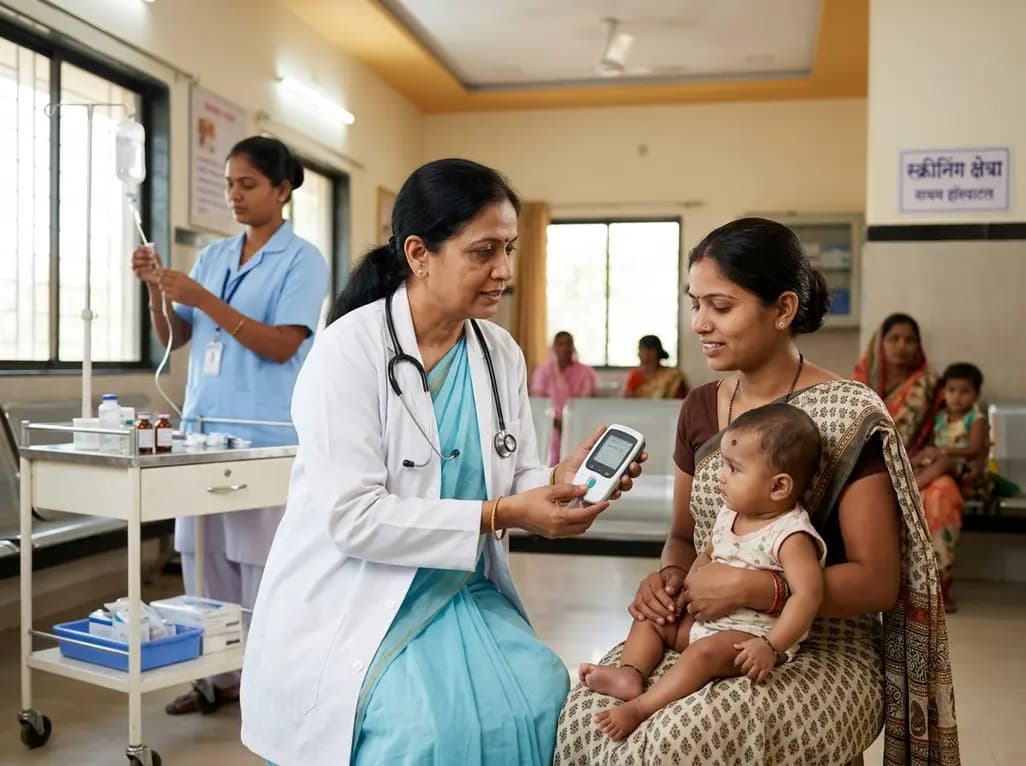
Maharashtra has launched a comprehensive initiative to halve anaemia prevalence across high-risk groups by 2030. The public health strategy integrates aggressive screening, point-of-care diagnostics, parenteral iron therapies, and targeted interventions for nutritional deficits and underlying hemoglobinopathies.
Today

A secondary analysis of the MOMS clinical trial reveals that infant sex does not influence neonatal opioid withdrawal syndrome severity in buprenorphine-exposed newborns. Maternal co-exposures and clinical factors drive outcomes, highlighting the need for objective assessment and supportive breastfeeding.
Today

India is poised to transform chronic disease management through wearable health technology. Discover how continuous remote monitoring and predictive algorithms empower clinicians to detect early cardiovascular signals, personalize metabolic interventions, and deliver equitable preventive care across populations.
Today

A systematic review and meta-analysis highlights the substantial impact of plyometric jump training on jump performance, reactive strength, and landing kinematics in female team-sport athletes, providing evidence-based programming guidelines for sports medicine and orthopedics.
Today

A comprehensive review of the role of growth hormone in diabetic kidney disease and podocytopathy. Learn how elevated GH activates ZEB2, Notch, and TGF-beta1, driving podocyte loss and glomerulosclerosis, and explore novel targeted therapeutic approaches.
Today
