.webp&w=384&q=75)

Loading, please wait...
Loading, please wait...
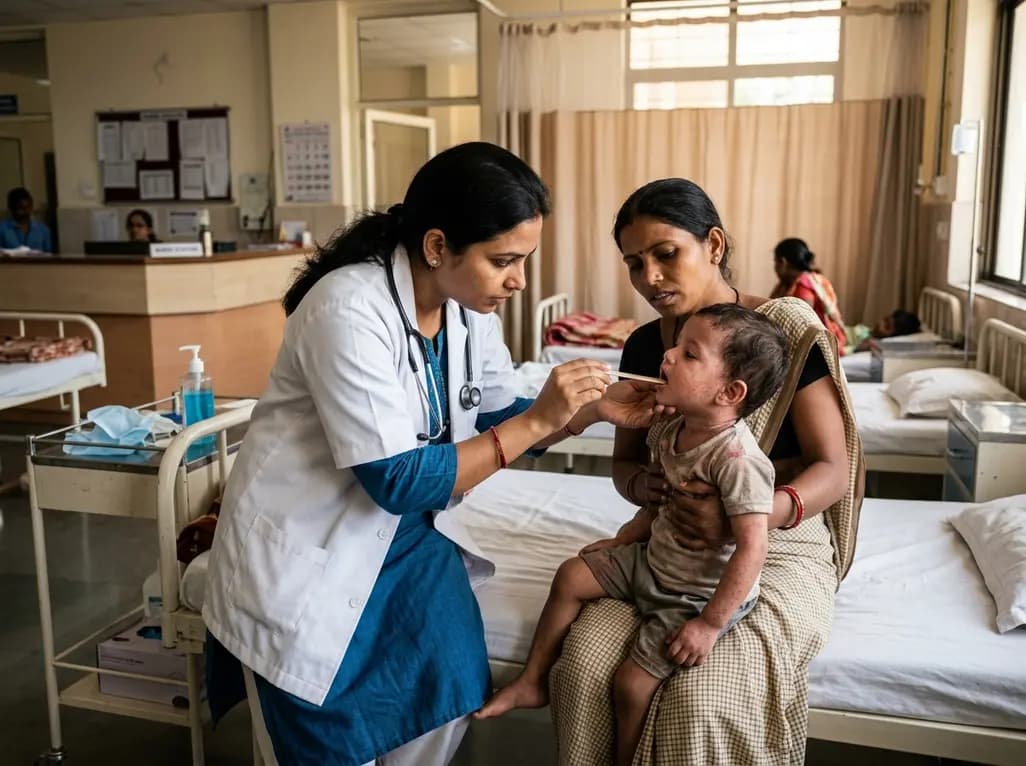
A sudden measles outbreak underscores the persistent threat posed by highly infectious vaccine-preventable illnesses across communities. Public health agencies recently recorded a dramatic climb in confirmed cases, with hundreds of patients requiring acute medical observation. Unvaccinated individuals represent the vast majority of severe infections and subsequent fatalities. Consequently, healthcare providers must revisit fundamental clinical protocols to detect prodromal signs rapidly. Furthermore, clinicians must differentiate viral exanthems from other childhood rashes to prevent widespread secondary transmission. Prompt diagnosis safeguards vulnerable populations, including young infants, pregnant women, and immunocompromised patients.
Recent epidemiological surveillance reveals concerning clusters across multiple healthcare jurisdictions. Specifically, an expanding measles outbreak in Pennsylvania reached 943 confirmed infections across nearly forty counties. Public health officials documented that approximately twenty percent of infected patients required acute inpatient hospitalization. In addition, health authorities confirmed multiple fatalities among unvaccinated individuals, sparking intense discussion regarding standard mortality attribution criteria. Nationally, federal tracking systems have cataloged thousands of cases, reflecting an alarming departure from historic elimination benchmarks. Moreover, these recurring flare-ups highlight fragile community immunity thresholds in modern population centers. When localized immunization coverage drops below ninety-five percent, the basic reproduction number of the measles virus accelerates exponentially. Therefore, infectious disease specialists stress that isolated clusters can rapidly escalate into multi-jurisdictional health crises. Clinicians in outpatient and hospital settings must observe regional surveillance bulletins vigilantly. Similarly, frontline triage nurses must screen all febrile patients for travel history and community contact links. Early recognition remains the cornerstone of interrupting further viral spread across susceptible cohorts. Accordingly, public health departments are establishing community immunization hubs to stem transmission. Healthcare systems must actively collaborate with local epidemiologists to share timely laboratory data and contact tracing reports.
The measles virus belongs to the genus Morbillivirus within the Paramyxoviridae family. Notably, it exhibits one of the highest known basic reproduction numbers in human infectious disease pathology. The pathogen spreads primarily through airborne respiratory droplets and tiny aerosolized nuclei generated when patients cough or sneeze. Furthermore, viable viral particles remain suspended in the air and on environmental surfaces for up to two hours after an infected person departs. Once an individual inhales the virus, it preferentially binds to CD150 and nectin-4 receptors on host respiratory epithelial cells. Consequently, viral replication advances rapidly within local alveolar macrophages and regional lymphoid tissues. The virus subsequently enters the bloodstream, generating a widespread primary viremia that disseminates to the reticuloendothelial system and distant organs. In addition, measles uniquely induces transient profound immune suppression, often termed immune amnesia. The pathogen destroys preexisting memory lymphocytes, leaving the patient temporarily vulnerable to opportunistic secondary bacterial and viral infections. Therefore, the clinical consequences extend far beyond the acute exanthematous period. Physicians must anticipate prolonged immunosuppression even after initial defervescence occurs. Furthermore, this secondary vulnerability substantially raises the long-term risk of otitis media and destructive bacterial pneumonia.
Clinicians must maintain high clinical suspicion during the prodromal phase of infection. Typically, the illness begins with a high fever exceeding 38.5 degrees Celsius, accompanied by the classic three C's: cough, coryza, and conjunctivitis. During this catarrhal stage, pathognomonic Koplik spots frequently manifest on the buccal mucosa opposite the lower molars. Specifically, these lesions resemble tiny grains of white sand surrounded by distinct erythematous halos. Approximately three to five days later, an erythematous, maculopapular rash begins along the hairline and behind the ears. Subsequently, the exanthem spreads downward over the face, neck, trunk, and lower extremities in a cephalocaudal direction. The rash often becomes confluent on the torso before resolving in the exact sequence of its original appearance. Laboratory confirmation relies upon both serologic testing and molecular assays. Therefore, physicians should immediately collect a nasopharyngeal or throat swab for reverse transcription polymerase chain reaction. Concurrently, clinicians must draw serum to detect measles-specific IgM antibodies, which usually turn positive shortly after rash onset. Reliable testing expedites isolation decisions and public health reporting. Moreover, medical staff must isolate suspected cases in negative-pressure rooms before initiating extensive laboratory workups to curb nosocomial exposure.
Measles presents considerable risks of severe systemic complications across all age demographics. Most frequently, secondary bacterial pneumonia accounts for the majority of measles-related deaths among young infants and malnourished hosts. Furthermore, neurological sequelae represent catastrophic outcomes, including acute disseminated encephalomyelitis and subacute sclerosing panencephalitis. For acute clinical management, supportive medical care forms the fundamental therapeutic backbone. Clinicians must maintain meticulous hydration, correct electrolyte derangements, and monitor respiratory function continuously. In addition, the World Health Organization strongly recommends therapeutic vitamin A administration for all acute pediatric cases. High-dose oral vitamin A restores mucosal epithelial integrity and significantly reduces overall measles mortality and ophthalmic damage. Specifically, children receive age-appropriate doses on two consecutive days, with an additional dose given if clinical signs of deficiency persist. Meanwhile, healthcare teams must immediately prescribe targeted antibacterial therapy if secondary bacterial superinfections, such as otitis media or purulent tracheobronchitis, arise. Inpatient teams must remain alert for sudden clinical deterioration, particularly when persistent tachypnea or altered mental status emerges. Consequently, intensive care units must stand prepared to deliver noninvasive positive pressure ventilation or mechanical support for severe respiratory failure. Vigilant nursing care ensures prompt identification of early neurological decompensation.
Vaccination remains the most reliable and cost-effective defense against community-wide viral resurgence. Specifically, the two-dose measles, mumps, and rubella vaccine regimen confers approximately ninety-seven percent long-term clinical protection. Public health guidelines recommend administering the first dose between nine and twelve months of age, followed by a second booster dose between fifteen and eighteen months. However, when local outbreaks occur, pediatricians can administer an early dose to infants aged six to eleven months. Post-exposure prophylaxis also plays an indispensable role in containing localized hospital or institutional transmission. In fact, susceptible individuals exposed to the pathogen may receive the active vaccine within seventy-two hours of contact. Alternatively, clinicians can administer intramuscular human normal immunoglobulin within six days of exposure to high-risk contacts, including pregnant women and infants. Moreover, strict infection control mandates negative-pressure isolation rooms for all suspected or confirmed cases admitted to medical facilities. Community engagement must actively counter vaccine misinformation through empathetic, evidence-based clinician-patient dialogues. Therefore, sustained provider advocacy directly strengthens herd immunity and protects the wider community. Additionally, healthcare facilities must verify the immunity status of all clinical personnel, ensuring full immunization to eliminate nosocomial transmission chains during outbreak waves.
Q1: What defines an official measles-related death during an outbreak?
An official measles-related death typically refers to a mortality event resulting directly from primary measles complications, such as viral pneumonia or acute encephalitis, or secondary bacterial superinfections occurring within thirty days of rash onset. However, public health surveillance systems continuously refine these diagnostic parameters. Clinicians must document direct viral sequelae and underlying comorbidities accurately on death certificates to aid national epidemiological reporting.
Q2: How should clinicians manage an unimmunized patient exposed to measles?
Clinicians should evaluate the exact timing of exposure to determine the most effective post-exposure prophylaxis strategy. Specifically, providers can administer the live attenuated vaccine within seventy-two hours of initial contact to susceptible individuals aged six months or older. Alternatively, clinicians should provide intramuscular immunoglobulin within six days of exposure for vulnerable populations, including pregnant women, infants under six months, and severely immunocompromised patients.
Q3: Why does vitamin A play a therapeutic role in acute measles management?
Acute measles infection causes rapid depletion of systemic vitamin A reserves, which impairs mucosal epithelial barriers and compromises cellular immune responses. Consequently, the World Health Organization recommends therapeutic high-dose oral vitamin A administration for two consecutive days in all confirmed cases. This targeted therapy substantially reduces measles-related mortality, accelerates clinical recovery, and prevents xerophthalmia and permanent corneal blindness in affected children.
Disclaimer: This content is for informational and educational purposes only. It does not constitute medical advice or replace professional judgment. Refer to the latest local and national guidelines for clinical practice.
References

Read summarized clinical updates, watch expert medical content, and earn CME certifications right from your smartphone.
Open your smartphone camera to scan and install.





Recent surveillance data highlights an expanding measles outbreak with significant hospitalizations among unvaccinated populations. Healthcare professionals must maintain high clinical suspicion, reinforce timely MMR immunization, and implement prompt isolation to contain transmission and avoid complications.
Today
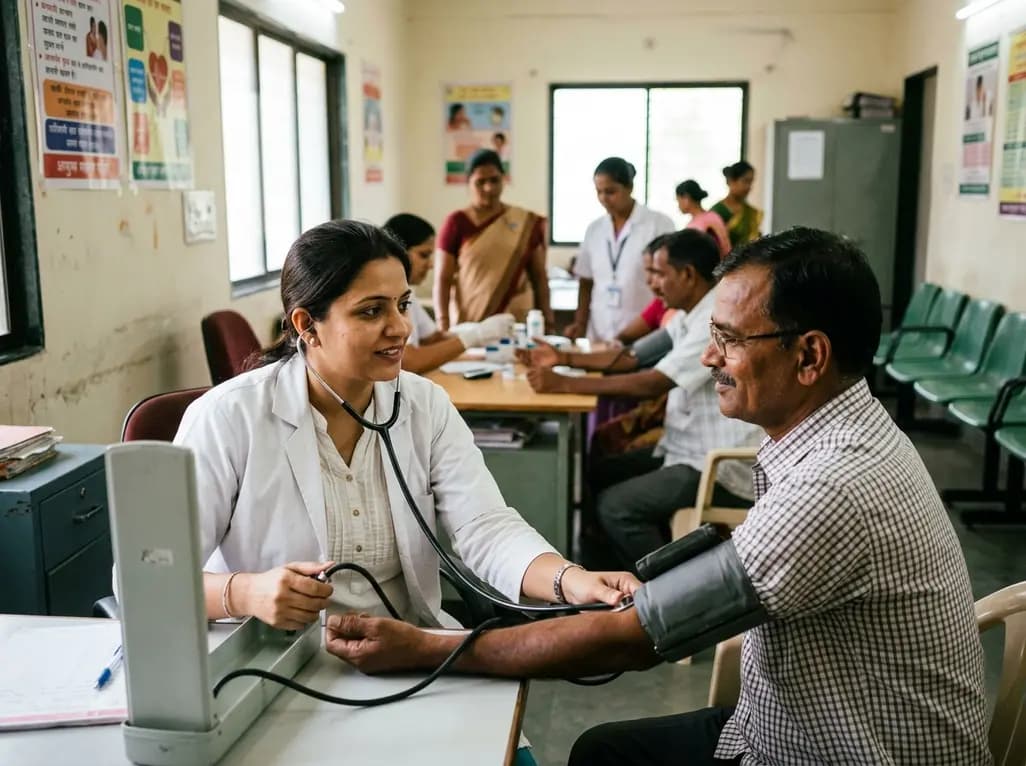
India has screened over 420 million adults for chronic metabolic conditions through its network of Ayushman Arogya Mandirs. This public health milestone underscores an aggressive shift toward early detection, decentralized primary care, and expanded insurance coverage under central health initiatives.
Today
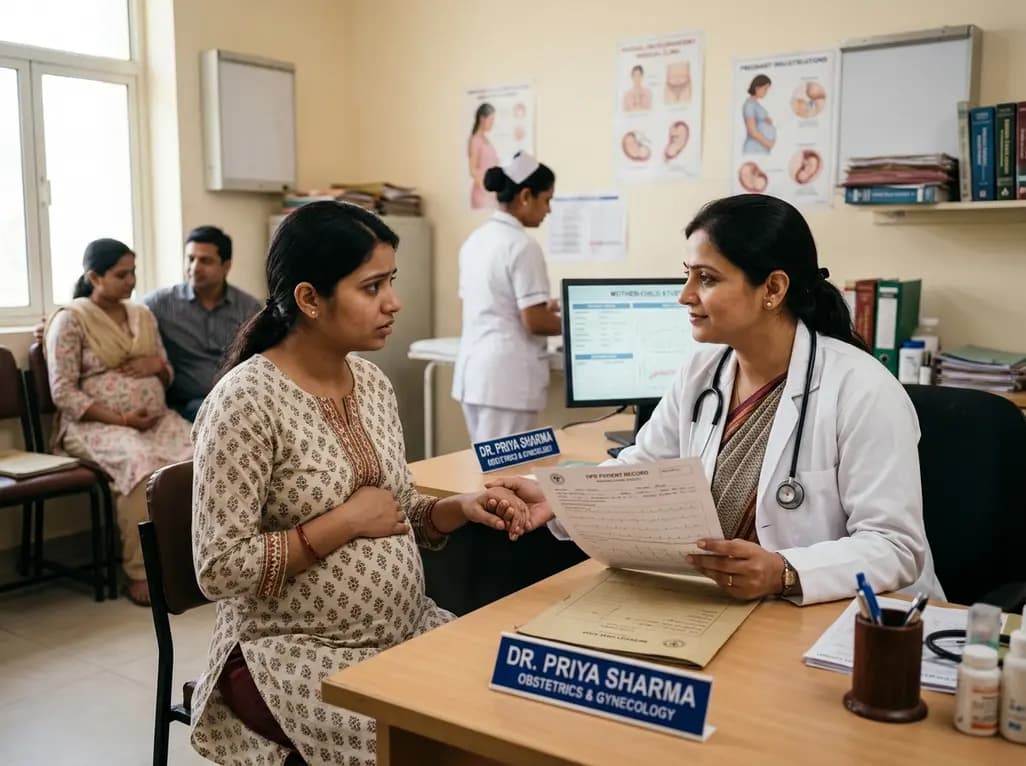
A large population cohort study evaluated over 167,000 mother-child pairs to assess the link between maternal mood disorders, pharmacotherapy, and long-term child neurodevelopment. The results underscore that maternal illness, rather than pharmacotherapy alone, drives most special educational needs in offspring.
Today
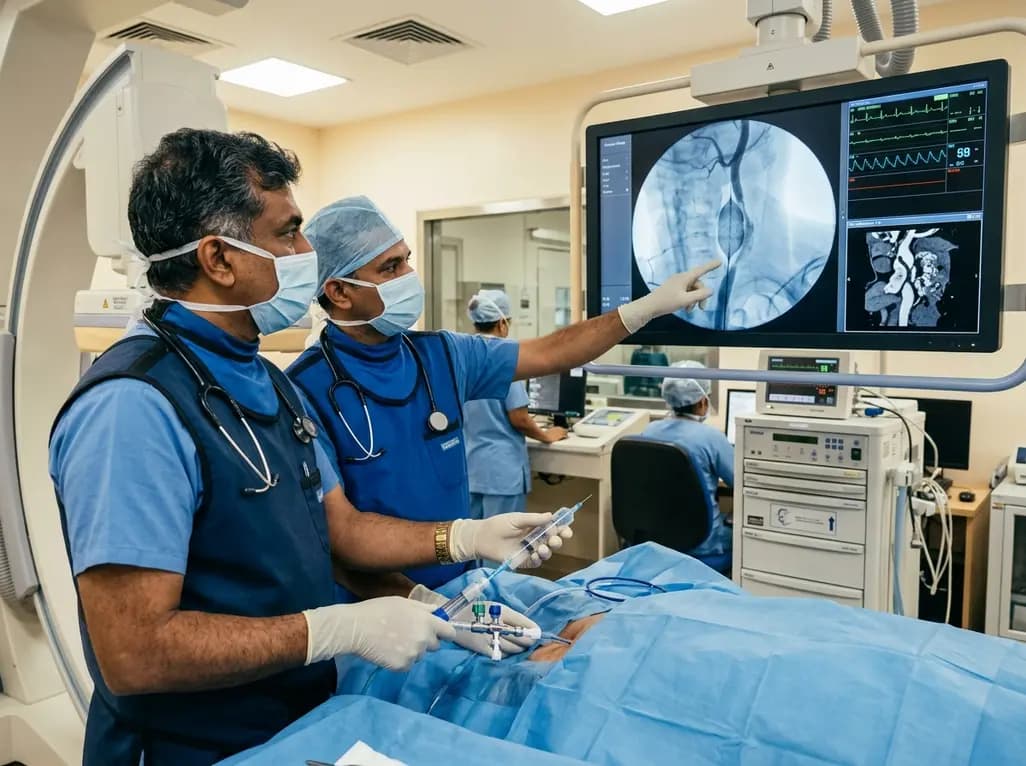
Discover how rescue cutting balloon angioplasty successfully modifies heavily calcified carotid stenosis, enabling stent delivery without baroreceptor instability and ensuring favorable long-term neurologic outcomes.
Today

A retrospective CBCT study reveals that superior TMJ space asymmetry correlates moderately with occipital condyle-atlas-axis asymmetry in unilateral TMJ osteoarthritis, highlighting an imaging correlate between jaw biomechanics and upper cervical alignment rather than a standalone diagnostic marker.
Today
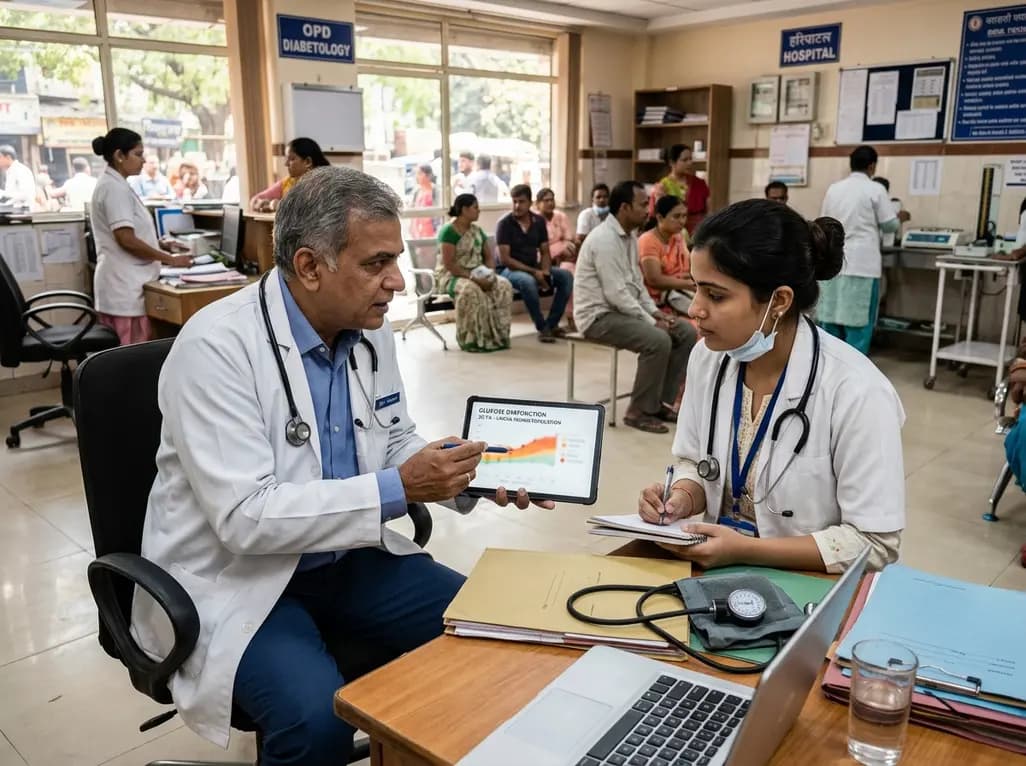
Data from the 2026 Workforce Health Index reveals that 38.7% of urban employees and dependents exhibit abnormal glycemic control. Emerging at increasingly younger ages, this metabolic shift intersects with severe vitamin deficiencies, highlighting the urgent need for early workplace screenings and targeted clinical care.
Today
