

Loading, please wait...
Loading, please wait...
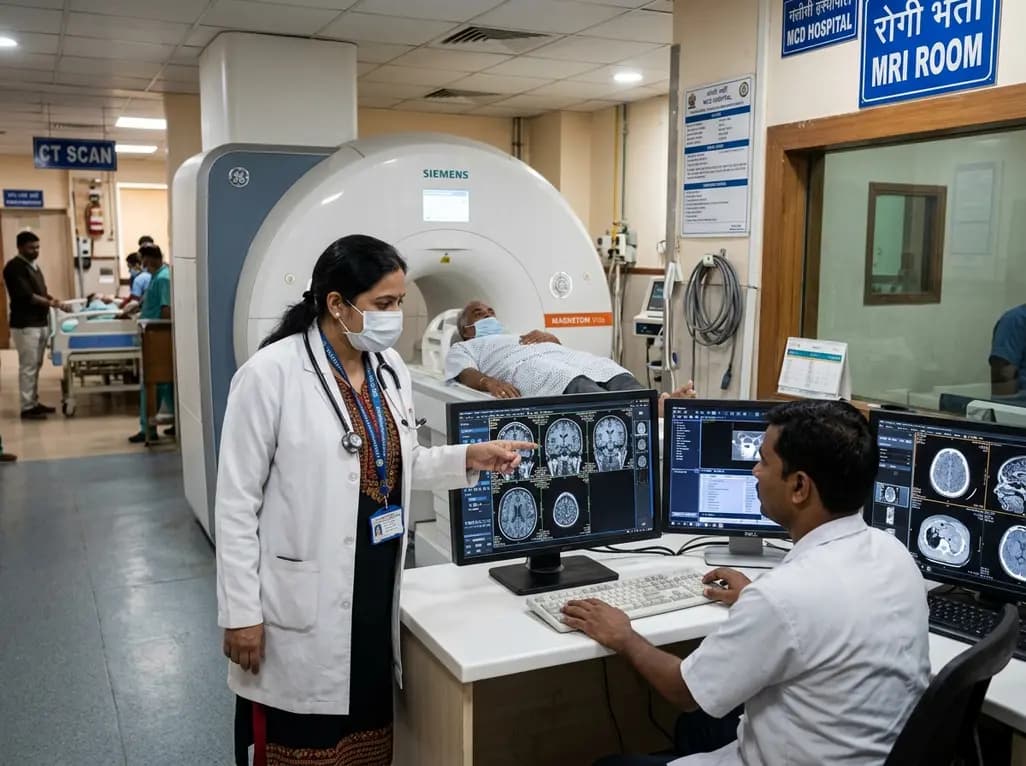
The Municipal Corporation of Delhi has officially approved an ambitious diagnostic healthcare initiative to assist urban residents. Consequently, the civic administration will offer specialized CT and MRI services at twenty percent below Central Government Health Scheme rates. This progressive venture will operate across three major civic hospitals, specifically Hindu Rao Hospital, Swami Dayanand Hospital, and the Rajan Babu Institute. For decades, economically disadvantaged patients experienced severe hurdles when attempting to access advanced diagnostic imaging. Therefore, this public-private initiative directly tackles systemic diagnostic bottlenecks across the national capital. Furthermore, municipal authorities aim to eliminate catastrophic out-of-pocket medical expenditure for lower-income families. Through structured commercial collaboration, the administration plans to deliver prompt clinical evaluations without straining municipal financial reserves. In addition, this initiative marks a fundamental transition toward standardized tertiary healthcare within civic facilities. Clinicians can now evaluate critical trauma cases and chronic ailments with enhanced diagnostic accuracy. Ultimately, this civic approval ensures that high-quality radiology remains accessible to every demographic group regardless of financial capability. Moreover, expanding diagnostic infrastructure addresses persistent referral delays between civic hospitals and central medical institutes. Thus, municipal healthcare institutions evolve into fully autonomous, high-volume centers of excellence.
The operational framework functions entirely through an innovative public-private partnership spanning a ten-year concession period. Under this agreement, a private concessionaire will invest approximately one hundred twenty crore rupees. Specifically, forty crore rupees will fund capital expenditure, including high-end imaging hardware and clinical infrastructure upgrades. In addition, the private partner will commit eighty crore rupees toward operational and maintenance expenses over the decade. Meanwhile, the Municipal Corporation of Delhi will provide designated hospital space while retaining complete real estate ownership. Importantly, this arrangement shields the civic body from substantial capital depreciation and recurring operational liabilities. As a result, civic hospitals expand advanced diagnostic services without diverting funds from essential primary health programs. Private operators must also satisfy strict performance benchmarks, including minimal equipment downtime. However, municipal administrators retain comprehensive regulatory oversight regarding quality control and patient grievance handling. Consequently, this collaborative arrangement accelerates project implementation and streamlines diagnostic delivery. Thus, public hospital administrators can overcome persistent equipment backlogs without navigating cumbersome bureaucratic procurement hurdles. Furthermore, shifting operational risks to private partners preserves vital municipal resources for frontline clinical staffing. Ultimately, this collaborative initiative creates a sustainable roadmap for metropolitan healthcare expansion.
Modern clinical medicine requires fast and precise diagnostic tools to evaluate complex pathologies. Accordingly, the approved project mandates the installation of at least three 128-slice CT scanners across the three civic centers. Additionally, the initiative introduces three 1.5 Tesla MRI machines to facilitate sophisticated soft-tissue evaluations. Advanced multi-slice CT technology captures high-resolution volumetric datasets within seconds. Consequently, emergency medical teams can rapidly evaluate acute polytrauma, cerebrovascular strokes, and acute abdominal emergencies. Moreover, 128-slice systems incorporate modern iterative reconstruction algorithms, which substantially reduce ionizing radiation exposure for vulnerable patients. Similarly, 1.5 Tesla MRI scanners provide superior image contrast and diagnostic fidelity for detailed neurological and musculoskeletal studies. Treating clinicians at Hindu Rao Hospital can accurately detect early ischemic events and subtle neoplastic changes. Meanwhile, teams at Swami Dayanand Hospital gain crucial diagnostic precision for challenging pediatric and obstetric cases. In contrast to obsolete diagnostic equipment, these modern machines deliver reproducible imaging with shorter scanning durations. Thus, clinicians can triage emergent cases swiftly, maximizing survival during critical resuscitation windows. Furthermore, Rajan Babu Institute will employ rapid thoracic imaging protocols to detect complicated lung pathologies. Hence, attending physicians can initiate definitive therapies without diagnostic delay.
Modernizing physical diagnostic infrastructure requires parallel digital integration to achieve operational efficiency. Therefore, the approved municipal initiative includes robust Radiology Information Systems and Picture Archiving and Communication Systems. In practice, these integrated digital platforms eliminate physical film processing and cumbersome paper reporting trails. Consequently, radiologists can interpret digital images immediately from secure internal workstations or authorized teleradiology platforms. Furthermore, attending physicians in intensive care units and operating theaters can view radiological studies instantly on local monitors. This simultaneous accessibility dramatically accelerates critical decision-making during high-risk surgical procedures. Additionally, digital archiving maintains longitudinal imaging records for patients requiring repeated scans during oncological treatment or chronic disease follow-ups. Treating doctors can seamlessly compare historical images with current scans to assess therapeutic responses accurately. Moreover, paperless workflows substantially reduce administrative operational costs and eliminate environmental hazards linked to toxic darkroom chemicals. As a result, civic hospitals establish organized, retrievable electronic databases that facilitate clinical audits and epidemiological surveillance. Thus, modern digital integration bridges the workflow gap between municipal healthcare facilities and private tertiary centers. Ultimately, these digital solutions protect diagnostic accuracy while delivering standardized radiological documentation across all civic facilities.
Socioeconomic vulnerabilities heavily dictate healthcare-seeking behaviors among urban populations in Delhi. For instance, municipal facilities like Hindu Rao Hospital predominantly cater to low-income earners, migrant laborers, and dependent elderly citizens. Previously, these civic centers suffered from severe imaging backlogs, forcing patients to seek evaluations at private commercial labs. Consequently, vulnerable families faced catastrophic out-of-pocket expenses that rapidly consumed their household savings. In many instances, impoverished patients simply deferred critical diagnostic tests due to financial distress. Inevitably, such delays allowed early-stage conditions to deteriorate into irreversible clinical stages. By mandating diagnostic pricing twenty percent below government scheme rates, the administration introduces an indispensable financial buffer. Therefore, impoverished citizens can access essential cross-sectional imaging without facing financial devastation. Furthermore, treating hospital doctors can follow standard medical guidelines rather than relying on presumptive clinical diagnoses. Subsidized pricing also encourages strict compliance with serial follow-up scans among oncology and chronic neurology patients. In addition, centralized hospital billing guarantees total price transparency, eliminating hidden administrative fees. As a result, patients receive equitable, dignified healthcare within public institutions. Thus, this pricing intervention directly mitigates medical impoverishment while expanding diagnostic access across marginalized urban communities.
Q1: Which civic hospitals will offer these subsidized services?
The Municipal Corporation of Delhi will establish these subsidized diagnostic centers across three key institutions. Specifically, the rollout covers Hindu Rao Hospital in north Delhi, Swami Dayanand Hospital in east Delhi, and the Rajan Babu Institute of Pulmonary Medicine. These facilities serve high outpatient volumes and care predominantly for underprivileged families. Consequently, providing high-end imaging at these locations resolves critical diagnostic backlogs for patients facing severe economic constraints.
Q2: How does the public-private partnership fund this project?
Under this partnership model, an authorized private concessionaire finances the entire one hundred twenty crore rupee project over ten years. Specifically, this investment includes forty crore rupees for equipment procurement and eighty crore rupees for ongoing operations. Meanwhile, the municipal corporation allocates hospital space while retaining complete real estate ownership. Therefore, civic hospitals gain cutting-edge diagnostic technology without incurring direct capital expenses or maintenance risks.
Q3: How will RIS and PACS software improve workflow?
The Radiology Information System and Picture Archiving and Communication System digitize clinical diagnostic workflows across all three hospitals. In practice, these integrated systems eliminate physical film processing and report distribution delays. Hospital doctors and consulting radiologists can instantly review cross-sectional scans across secure local networks. Furthermore, the platform reliably archives imaging histories for long-term patient monitoring. Consequently, clinicians make faster emergency decisions and coordinate multidisciplinary interventions seamlessly.
Disclaimer: This content is for informational and educational purposes only. It does not constitute medical advice or replace professional judgment. Refer to the latest local and national guidelines for clinical practice.
References

Read summarized clinical updates, watch expert medical content, and earn CME certifications right from your smartphone.
Open your smartphone camera to scan and install.





The Municipal Corporation of Delhi has cleared a major diagnostic project to provide advanced CT and MRI investigations at subsidized rates across three civic hospitals. Operating through a public-private partnership, the initiative features high-end multi-slice scanners and digital PACS integration.
Today

A systematic review of 56 studies classifies hospital nurse occupational hazards into physical, chemical, biological, ergonomic, and psychosocial domains. It outlines crucial protective behaviors and institutional guidelines needed to ensure clinician safety, operational resilience, and optimal patient care.
Today
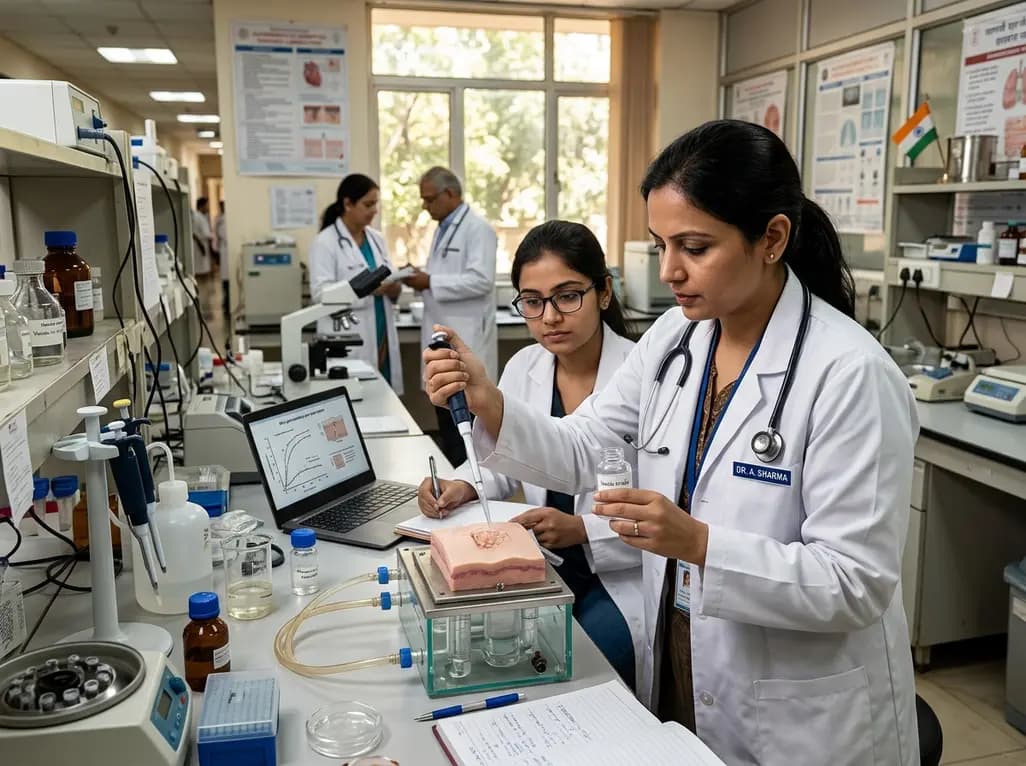
A novel high-permeation vesicle-in-gel platform enhances transdermal fulvestrant delivery, achieving sustained release, robust intradermal retention, and superior antitumor efficacy in breast cancer models while circumventing the drawbacks of painful intramuscular depot injections.
Today
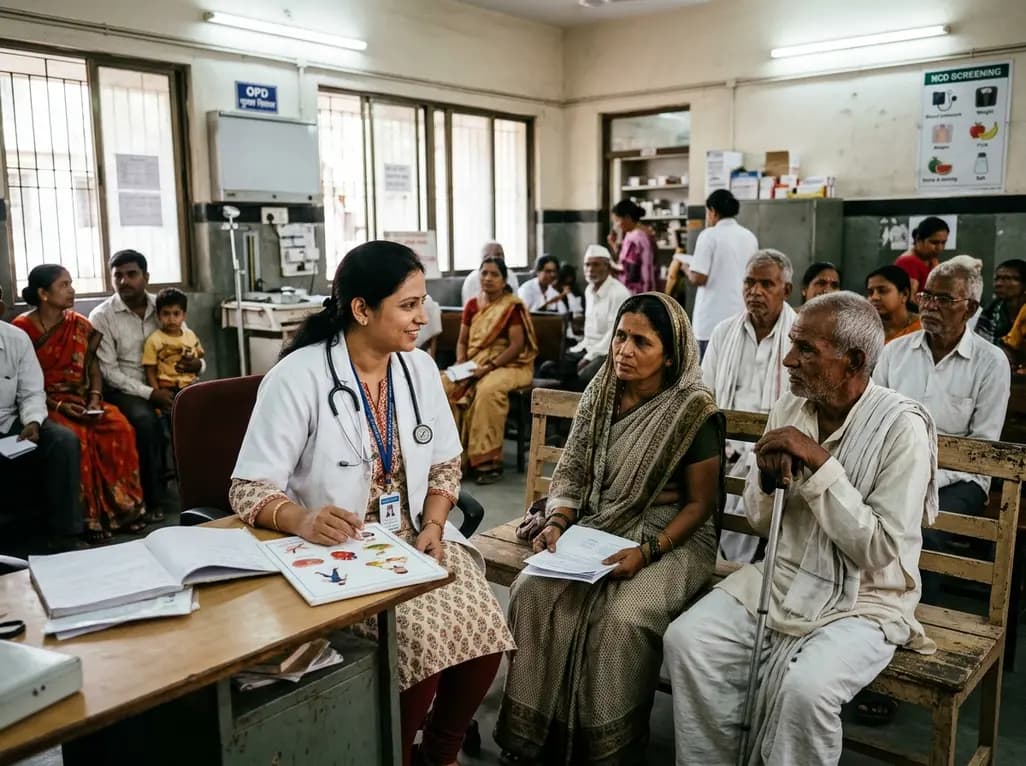
A landmark ten-year WHO report reveals how socioeconomic status, geography, and gender disparities profoundly aggravate chronic disease risks, diagnosis delays, and therapeutic outcomes globally. Discover actionable primary care strategies to bridge screening divides and optimize vulnerable patient management.
Today
A recent single-institution analysis identifies advanced patient age and progressive systemic disease as primary negative prognostic factors for five-year survival in chondrosarcoma, underscoring the urgent necessity of precise risk stratification, clear surgical margins, and dedicated oncologic follow-up.
Today
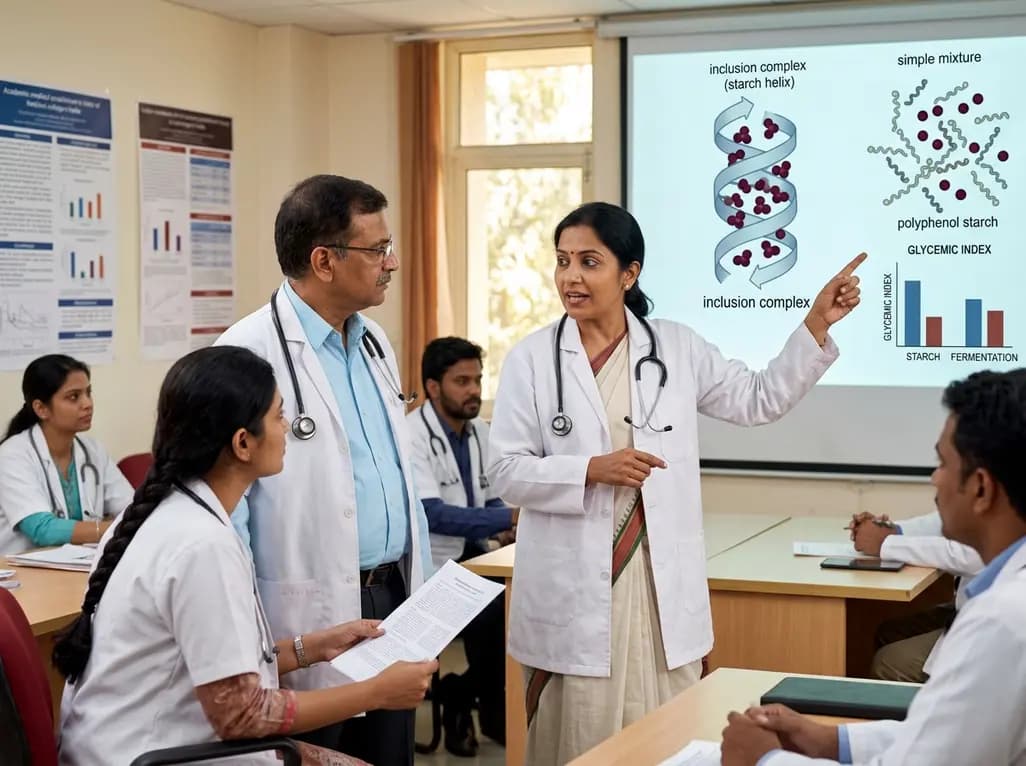
A critical review evaluates whether starch-polyphenol complexes meet structural and metabolic criteria to qualify as type 5 resistant starch. The proposed tiered evidence framework distinguishes true inclusion complexes from simple mixtures, clarifying mechanisms for glycemic modulation and gut fermentation.
Today
