

Loading, please wait...
Loading, please wait...

Hospital nurses routinely deliver direct patient care under highly strenuous clinical conditions. Consequently, healthcare personnel face numerous nurse occupational hazards that threaten their physical and mental health. A comprehensive systematic review published in the Archives of Environmental and Occupational Health evaluated 56 studies to assess these workplace perils. The investigators examined how bedside clinicians perceive workplace risks and execute protective behaviors. In addition, the findings highlight that clinical exposures range from bloodborne infections to severe emotional burnout. Therefore, clinical leaders must understand these hazards to implement effective protective measures. When healthcare facilities establish proactive safety protocols, staff well-being and patient outcomes improve together.
Inpatient hospital environments present diverse perils that jeopardize clinical workers daily. The systematic review categorizes these risks into biological, chemical, physical, ergonomic, and psychosocial domains. First, biological hazards represent a constant threat across intensive care units and medical wards. Staff frequently encounter airborne pathogens, multidrug-resistant bacteria, and bloodborne viruses during routine interventions. Second, chemical hazards occur when nurses handle cytotoxic agents, chemical sterilants, and aerosolized disinfectants. Third, physical hazards include accidental slips, electrical shocks, diagnostic noise, and radiation exposure. Furthermore, ergonomic hazards remain an exceedingly common challenge for bedside caregivers. Nurses frequently lift dependent patients, perform awkward transfers, and maintain prolonged standing postures. Finally, psychosocial hazards encompass heavy workload compression, rotating shift disruptions, and workplace aggression from patients or families. Consequently, chronic exposure to these concurrent stressors fosters severe psychological distress and clinical exhaustion. Hospital administrators must recognize this comprehensive risk landscape to develop robust mitigation plans.
Individual clinical awareness forms the primary defensive shield against accidental hospital injuries. According to the systematic review, protective behaviors begin with solid procedural knowledge and personal vigilance. Nurses who thoroughly understand transmission dynamics consistently comply with infection control guidelines. For example, educated personnel systematically wear appropriate personal protective gear before entering isolated rooms. In addition, clinical staff demonstrate effective precaution by never recapping contaminated hypodermic needles. Vigilant practitioners immediately dispose of sharp instruments into dedicated puncture-resistant containers. Beyond barrier protection, clinicians continually assess their physical surroundings for wet floors and hazardous spills. Moreover, nurses practice active avoidance when managing unpredictable, hostile patient interactions. Rather than confronting combative individuals alone, bedside staff deliberately pause interventions and request security assistance. Therefore, personal precaution minimizes preventable sharps exposures and acute workplace physical injuries. By combining procedural knowledge with cautious bedside habits, healthcare professionals safeguard their own health while caring for others.
Frontline nurses routinely modify their immediate clinical workspaces to eliminate preventable hazards. Environmental adjustment allows healthcare personnel to reorganize crowded patient rooms, ensure clear walkways, and optimize procedural lighting. For instance, staff separate hazardous pharmaceutical preparations from standard medical supplies to prevent medication handling errors. Similarly, managing physical strain requires rapid ergonomic adaptation and mechanical innovation. Inpatient nurses perform numerous manual patient transfers that impose intense biomechanical stress on the lumbar spine. Consequently, nursing teams actively utilize mechanical hoists, slide sheets, and adjustable-height beds to facilitate patient repositioning. When specialized equipment is unavailable, staff coordinate multi-person lift teams to safely distribute physical loads. Furthermore, clinical practitioners reconfigure computer workstations to maintain neutral posture during extensive documentation shifts. These practical environmental adjustments substantially reduce cumulative joint strain and chronic musculoskeletal disorders. Ultimately, ergonomic adaptation ensures a safer, more sustainable working environment for hospital clinicians.
Addressing acute psychosocial hazards requires proactive individual coping strategies alongside strong peer networks. Inpatient nursing demands immense emotional endurance during prolonged resuscitations and traumatic end-of-life care. Therefore, nurses build psychological resilience by participating in structured self-care routines and mindfulness practices. Outside hospital walls, clinical workers maintain healthy lifestyles by prioritizing restorative sleep, aerobic exercise, and balanced nutrition. These intentional lifestyle habits mitigate the deleterious effects of rotating night shifts and cognitive fatigue. However, personal resilience cannot replace collegial connection during overwhelming clinical emergencies. Nurses protect their mental well-being by actively seeking psychological support from senior mentors and peer debriefing groups. Furthermore, clinicians utilize confidential hospital counseling programs to process vicarious trauma without professional hesitation. As a result, transparent communication prevents minor stress reactions from escalating into severe clinical depression. By validating emotional challenges, healthcare teams cultivate mutual solidarity and sustainable professional longevity.
Individual protective behaviors succeed most reliably within an organized, safety-conscious hospital system. Hospital leadership and occupational health committees must establish clear, evidence-based safety standards across every department. First, healthcare facilities must maintain a reliable inventory of safety-engineered sharps devices and certified protective gear. Second, institutions should introduce closed-system drug-transfer devices to shield nurses from hazardous chemotherapy vapors. Moreover, hospital administrators must mandate continuous safety training on biomedical waste handling and infection control protocols. Facilities should also implement transparent, non-punitive incident reporting systems for accidental exposures and aggressive encounters. When nurses report workplace safety incidents without fear of disciplinary blame, safety committees can correct systemic vulnerabilities rapidly. In addition, managing safe staffing ratios directly reduces cognitive fatigue and clinical error rates. Consequently, institutional accountability converts abstract safety policies into reliable protection for clinical staff. Standardized operational guidelines ensure that healthcare workers practice within secure and supportive hospital environments.
Prioritizing occupational health within hospitals generates substantial clinical and economic dividends. When healthcare organizations protect nurses from occupational hazards, staff retention rises and avoidable absenteeism drops significantly. Furthermore, secure and healthy clinical teams deliver higher-quality bedside care with fewer medication administration errors. Conversely, neglecting clinician welfare leads to burnout, high staff turnover, and costly clinical complications. Therefore, physician executives and nurse managers must collaborate closely during routine departmental safety walk-rounds. Joint safety audits allow clinical leaders to identify subtle environmental hazards before injuries occur. In addition, establishing prompt post-exposure prophylaxis protocols ensures rapid medical management following accidental fluid or sharps contamination. As modern healthcare delivery grows increasingly complex, hospital systems must embed occupational safety into daily institutional governance. Ultimately, protecting bedside healthcare personnel represents a fundamental ethical obligation that strengthens the entire healthcare delivery system.
Biological hazards primarily include bloodborne viruses such as hepatitis B, hepatitis C, and human immunodeficiency virus transmitted through accidental percutaneous needle-sticks. Additionally, inpatient nurses regularly encounter droplet and airborne pathogens, including Mycobacterium tuberculosis, influenza, and novel respiratory viruses. To prevent infection, clinicians must adhere strictly to universal infection control precautions, use personal protective equipment diligently, maintain active immunizations, and immediately report occupational exposures to receive prompt post-exposure prophylaxis.
Ergonomic equipment, such as motorized ceiling lifts, friction-reducing slide sheets, and height-adjustable hospital beds, significantly reduces mechanical spinal loading during patient repositioning. Direct manual lifting imposes severe compressive forces on lumbar intervertebral discs and paraspinal muscles. By substituting mechanical assistance for manual physical exertion, ergonomic devices protect clinicians from acute muscle strains and chronic spinal degeneration. Consequently, consistent use of assistive handling technology preserves physical stamina and reduces career-ending occupational injuries.
Healthcare organizations best support nursing mental health by enforcing safe nurse-to-patient staffing ratios, maintaining predictable scheduling, and upholding a strict zero-tolerance policy for workplace violence. Furthermore, hospitals should provide confidential employee assistance counseling, structured peer debriefing after traumatic clinical events, and dedicated quiet spaces for emotional decompression. By fostering an open, blame-free culture that destigmatizes psychological help-seeking, clinical leaders reduce chronic burnout, enhance team morale, and retain experienced bedside practitioners.
Disclaimer: This content is for informational and educational purposes only and should not be used as professional medical advice. Consult a healthcare provider for medical advice, diagnosis, or treatment. Refer to the latest local and national guidelines for clinical practice.
References

Read summarized clinical updates, watch expert medical content, and earn CME certifications right from your smartphone.
Open your smartphone camera to scan and install.





A systematic review of 56 studies classifies hospital nurse occupational hazards into physical, chemical, biological, ergonomic, and psychosocial domains. It outlines crucial protective behaviors and institutional guidelines needed to ensure clinician safety, operational resilience, and optimal patient care.
Today
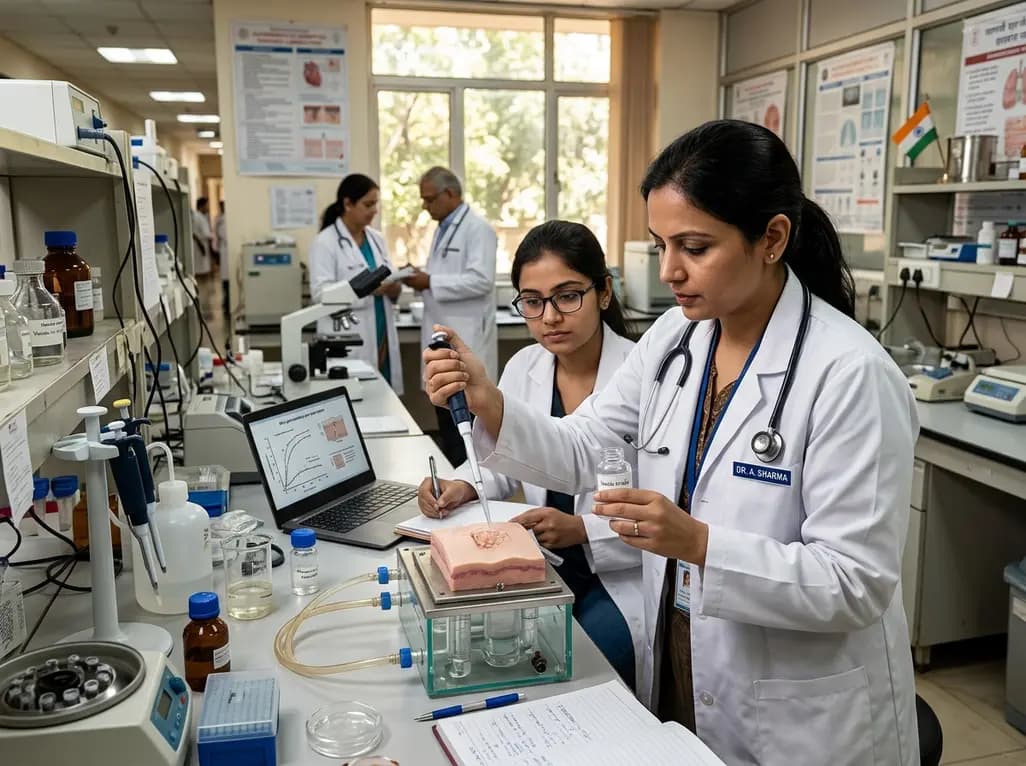
A novel high-permeation vesicle-in-gel platform enhances transdermal fulvestrant delivery, achieving sustained release, robust intradermal retention, and superior antitumor efficacy in breast cancer models while circumventing the drawbacks of painful intramuscular depot injections.
Today
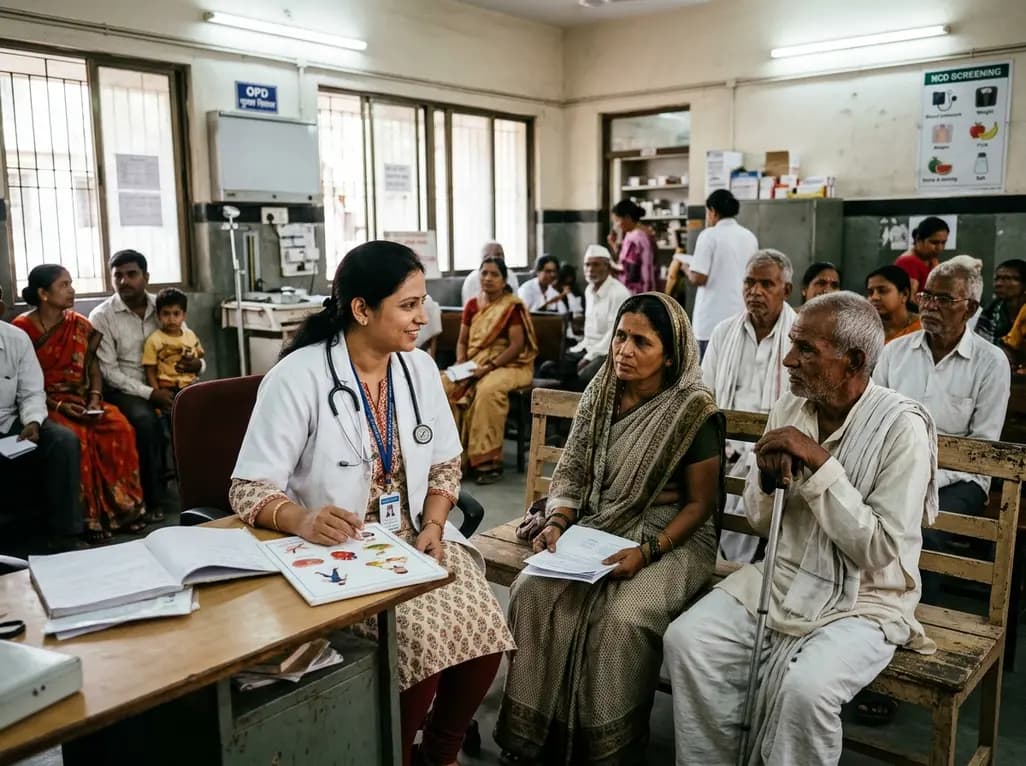
A landmark ten-year WHO report reveals how socioeconomic status, geography, and gender disparities profoundly aggravate chronic disease risks, diagnosis delays, and therapeutic outcomes globally. Discover actionable primary care strategies to bridge screening divides and optimize vulnerable patient management.
Today
A recent single-institution analysis identifies advanced patient age and progressive systemic disease as primary negative prognostic factors for five-year survival in chondrosarcoma, underscoring the urgent necessity of precise risk stratification, clear surgical margins, and dedicated oncologic follow-up.
Today
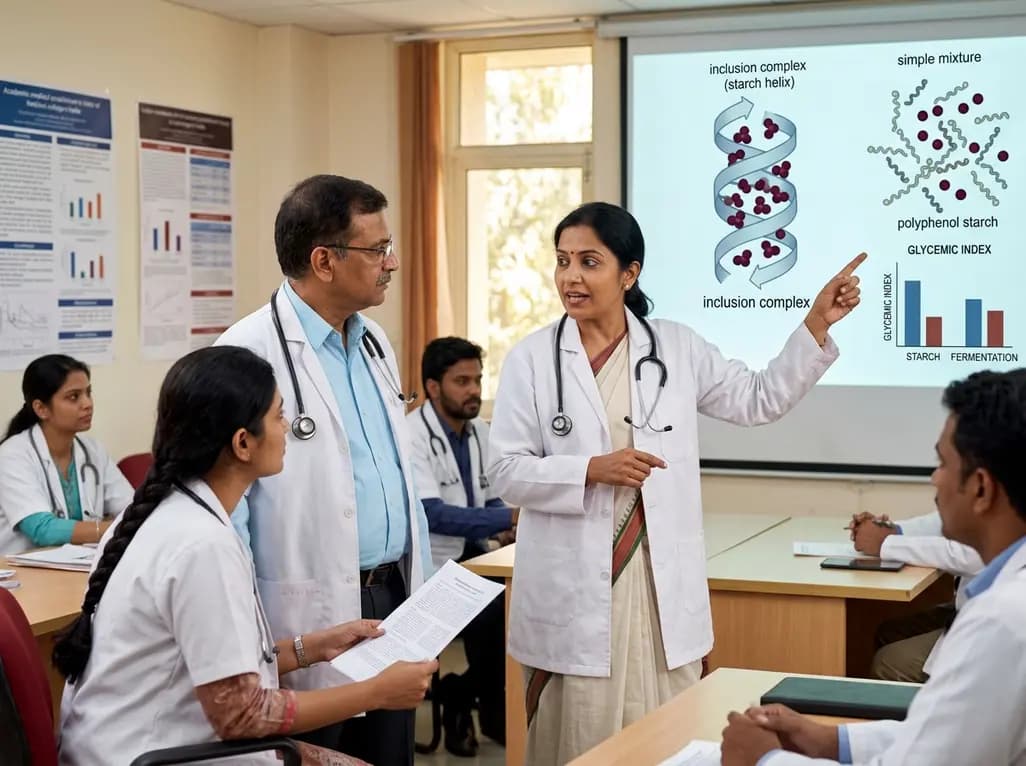
A critical review evaluates whether starch-polyphenol complexes meet structural and metabolic criteria to qualify as type 5 resistant starch. The proposed tiered evidence framework distinguishes true inclusion complexes from simple mixtures, clarifying mechanisms for glycemic modulation and gut fermentation.
Today
