.webp&w=384&q=75)

Loading, please wait...
Loading, please wait...
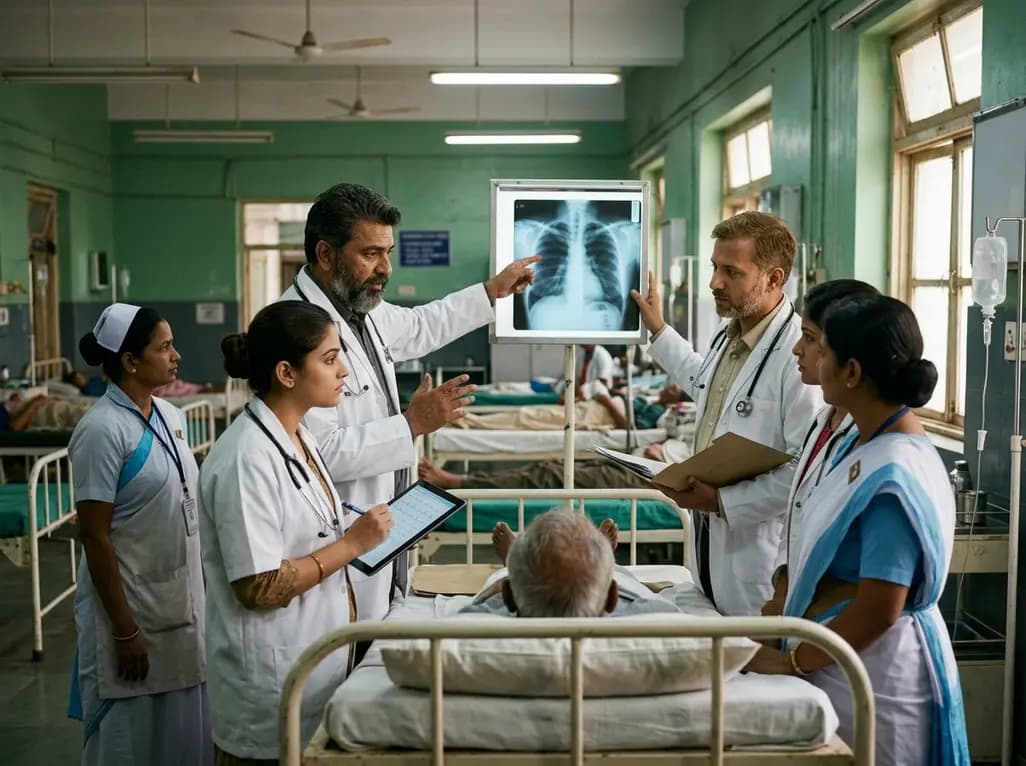
Maternal nutritional status serves as a fundamental pillar for both immediate and long-term health. The CAMELIA (Cameroon Maternal and Early Life Assessment) cohort study addresses a significant gap in our understanding of how maternal nutrition pregnancy outcomes are influenced by early dietary exposures in urban African environments. This prospective longitudinal interventional cohort recognizes that the intrauterine environment provides a unique window for modifying the health trajectory of the next generation. By focusing on women in their first or early second trimester, the researchers aim to identify nutritional deficiencies before they lead to irreversible developmental consequences. In many low- and middle-income countries, including India, the double burden of malnutrition—where undernutrition and obesity coexist—poses a major challenge. The CAMELIA study seeks to implement a structured nutritional intervention to see if targeted education and support can mitigate these risks. Ultimately, the research aims to provide evidence-based guidelines that can be adapted across similar demographic landscapes to improve the biological start of newborns and the metabolic health of mothers.
The CAMELIA study employs a robust methodological framework to ensure data reliability and clinical relevance. Enrolling 1,200 pregnant women at less than 22 weeks' gestation, the study is situated in a primary healthcare facility in Yaoundé, Cameroon. This longitudinal design allows for continuous monitoring from the first antenatal visit through to delivery and the early postpartum period. Participants are systematically followed across four primary visits, during which clinical, anthropometric, and biological data are collected. The recruitment of women early in pregnancy is essential because it allows researchers to establish a baseline before significant gestational weight gain or metabolic shifts occur. By focusing on a large urban cohort, the study captures the complexities of modernizing lifestyles, including dietary transitions that are increasingly common in urban centers worldwide. This approach mirrors the epidemiological shifts seen in major Indian cities, where maternal diet quality is often compromised by the availability of processed foods and the loss of traditional nutrient-dense practices. The systematic collection of data ensures that every variable, from caloric intake to micronutrient levels, is accounted for in the final analysis.
A key feature of the CAMELIA protocol is the implementation of a structured nutritional intervention. This is not merely an observational study; it seeks to actively improve maternal nutrition pregnancy outcomes through education and behavioral modification. The intervention includes nutritional counseling and the provision of tailored health messages delivered via modern communication tools like WhatsApp and SMS. This digital health approach is particularly relevant in today's interconnected world, where mobile technology can bridge the gap between periodic clinical visits. By reinforcing healthy eating habits, advocating for the avoidance of harmful substances, and encouraging physical activity, the intervention aims to empower women to take control of their health. The efficacy of these messages is further assessed by their ability to influence gestational weight gain and the prevention of common complications like gestational diabetes. For healthcare providers in India, where digital health initiatives are rapidly expanding, the results of this intervention could provide a blueprint for similar large-scale public health programs aimed at reducing maternal morbidity and neonatal developmental delays.
The assessment of metabolic outcomes is a central objective of the CAMELIA cohort. Pregnancy is essentially a metabolic stress test, and maternal nutrition pregnancy outcomes are often dictated by how well a woman's body adapts to the demands of the growing fetus. The study monitors parameters such as glucose tolerance, lipid profiles, and blood pressure to identify early signs of metabolic dysfunction. These factors are known to influence birth weight and the risk of the infant developing non-communicable diseases later in life. Furthermore, the study meticulously records neonatal outcomes, including birth weight, gestational age at delivery, and early growth patterns. By linking maternal nutritional status directly to these neonatal markers, the researchers hope to clarify the pathways through which maternal health influences fetal programming. This focus on long-term metabolic health is particularly salient for clinicians who manage pregnancies in populations with a high prevalence of insulin resistance. Understanding these links allows for more precise clinical interventions that go beyond basic prenatal vitamins, focusing instead on comprehensive metabolic management.
To deepen the understanding of maternal nutrition pregnancy outcomes, the CAMELIA study incorporates extensive biological sampling. Blood, urine, and other biospecimens are collected at multiple time points to provide a high-resolution view of the mother's internal environment. These samples allow for the measurement of specific micronutrient levels, such as iron and vitamin D, as well as biomarkers of oxidative stress and inflammation. The inclusion of umbilical cord blood and placental samples at delivery provides a direct look at the nutrients transferred to the fetus and the efficiency of placental function. This biological data is crucial for validating the self-reported dietary information provided by participants. For the scientific community, the creation of a robust biobank within this study offers a treasure trove of information for future research into epigenetic changes driven by nutrition. Such data is invaluable for developing personalized nutrition plans that can be utilized in clinical practice to prevent the transgenerational transmission of metabolic disorders, a goal that aligns with the current priorities of global health organizations.
While the CAMELIA study is conducted in Cameroon, its findings have profound implications for global maternal health, especially in India. Both regions share common challenges, such as high rates of maternal anemia and the rising prevalence of gestational diabetes in urban populations. Indian clinicians can draw parallels between the urban dietary transitions seen in Yaoundé and those occurring in Indian metropolises. The focus on early intervention before the 22-week mark highlights the necessity of early antenatal registration and the importance of nutritional screening during the first trimester. Moreover, the study’s use of digital health interventions provides evidence for the potential of mHealth in improving patient adherence to dietary guidelines. As the medical community in India moves toward more integrated maternal care, the insights from the CAMELIA study regarding structured nutritional support and metabolic monitoring will be highly instructive. By prioritizing maternal nutrition, healthcare systems can achieve significant improvements in pregnancy outcomes, ensuring a healthier future for both mothers and their children through sustainable, evidence-based practices.
Enrolling participants before the 22-week mark is vital because the first and early second trimesters are critical periods for fetal organogenesis and placental development. This early window allows researchers to establish a baseline for maternal nutritional status before significant physiological changes occur. By intervening early, clinicians can potentially redirect the developmental trajectory of the fetus and prevent common gestational complications that often manifest later in the third trimester of pregnancy.
Digital health interventions serve as continuous support systems that reinforce clinical advice between scheduled antenatal visits. These tools provide timely reminders for supplement intake, dietary choices, and physical activity, which helps in maintaining behavioral changes. In low-resource urban settings, mobile messaging is a cost-effective way to improve health literacy and patient engagement. Such interventions have been shown to increase adherence to nutritional guidelines, leading to better gestational weight management and healthier neonatal outcomes.
Maternal metabolic health during pregnancy significantly influences the process of fetal programming. Conditions like gestational diabetes or excessive weight gain can expose the fetus to a hyperinsulinemic environment, which increases the risk of the child developing obesity, type 2 diabetes, and cardiovascular diseases in adulthood. By monitoring and managing maternal metabolic markers, healthcare providers can mitigate these risks, effectively breaking the cycle of transgenerational non-communicable diseases and promoting lifelong wellness for the offspring.
Disclaimer: This content is for informational and educational purposes only and does not constitute medical advice, diagnosis, or treatment. Always seek the advice of a qualified healthcare provider regarding a medical condition or clinical practice. The information provided is based on a study protocol and may change as findings are finalized. Refer to the latest local and national guidelines for clinical practice.
References
Zemsi S et al. A prospective longitudinal interventional cohort study on maternal nutrition and pregnancy outcomes in urban Cameroon (CAMELIA): study protocol. BMC Pregnancy Childbirth. 2026 Jun 29. doi: 10.1186/s12884-026-09536-w. PMID: 42366411.
World Health Organization. WHO recommendations on antenatal care for a positive pregnancy experience. Geneva: World Health Organization; 2016.
Yajnik CS, Deshmukh US. Fetal programming: maternal nutrition and role of one-carbon metabolism. Rev Endocr Metab Disord. 2012 Jun;13(2):121-7. doi: 10.1007/s11154-012-9214-8.

Read summarized clinical updates, watch expert medical content, and earn CME certifications right from your smartphone.
Open your smartphone camera to scan and install.





The CAMELIA cohort study in urban Cameroon investigates the impact of maternal nutrition and structured interventions on pregnancy outcomes, metabolic health, and neonatal development, offering vital insights for clinicians in low- and middle-income countries like India.
3 months ago

A recent study demonstrates that spinal oxygen sensors do not require mitochondrial electron transport to trigger sympathetic excitation during acute hypoxia, revealing new insights into how mitochondrial oxidative stress modulates autonomic tone in cardiovascular and neurological diseases.
Today
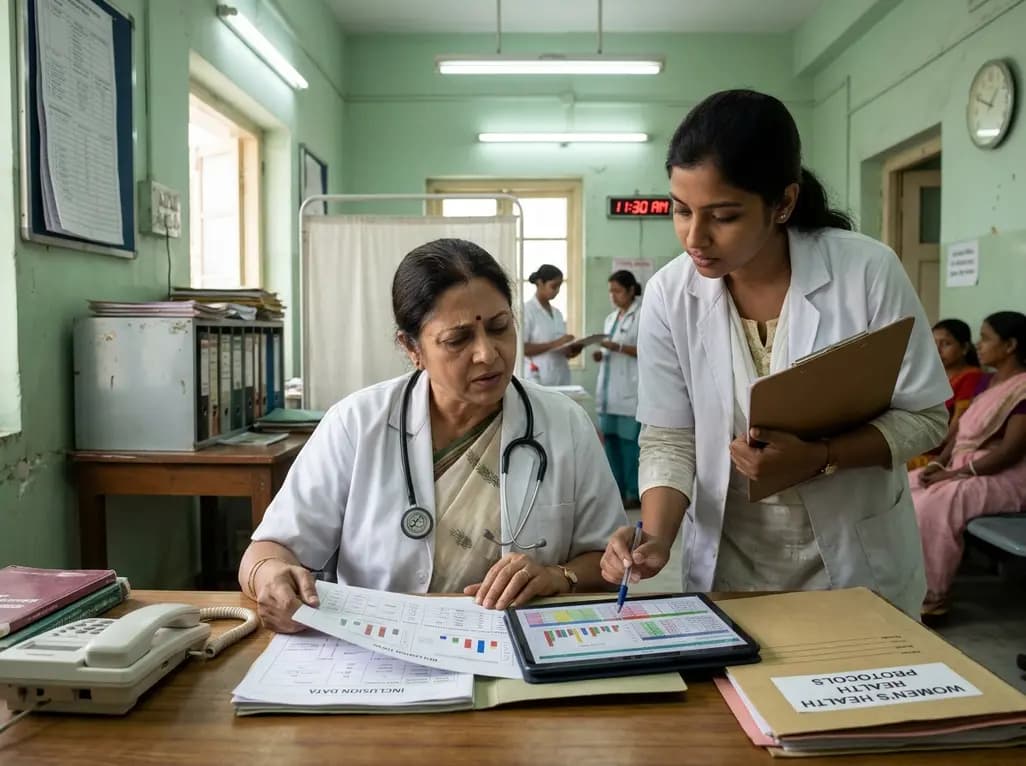
Demanding exhaustive hormonal profiling can inadvertently discourage clinical studies involving females. Methodological standards must align with the specific scientific question to expand, not restrict, equitable evidence for women.
Today

The Directorate General of Health Services directs Indian states to halt the hazardous reuse and reprocessing of single-use medical devices. Discover regulatory implications under the Drugs and Cosmetics Act, critical infection risks, legal liabilities, and operational changes required across clinical specialties.
Today
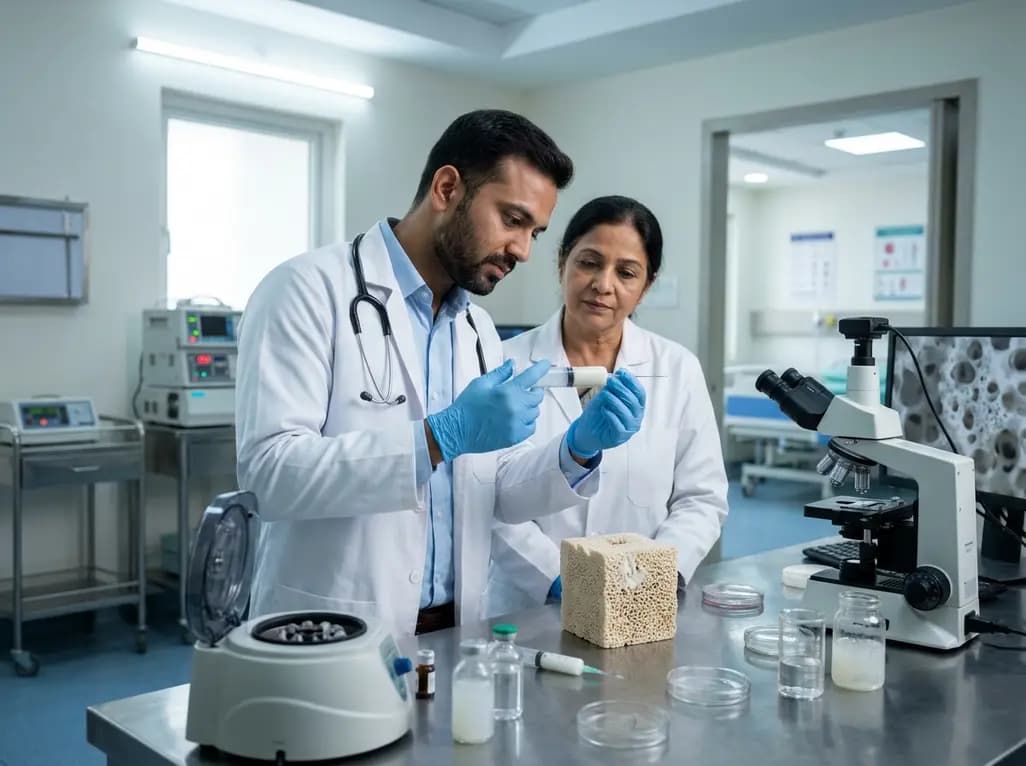
A novel calcium polyphosphate coacervate enables injectable bone implants with in situ hierarchical porosity via phase separation and gas foaming, significantly enhancing cell proliferation, energy metabolism, and osteogenic differentiation for minimally invasive bone defect repair.
Today

Following regulatory scrutiny from FSSAI regarding promotional representations and lean muscle preservation claims, Dr. Reddy's Laboratories and Nestlé Health Science are currently reviewing the branding and marketing strategy for their joint nutritional supplement Celevida GLP+.
Today
