.webp&w=384&q=75)

Loading, please wait...
Loading, please wait...
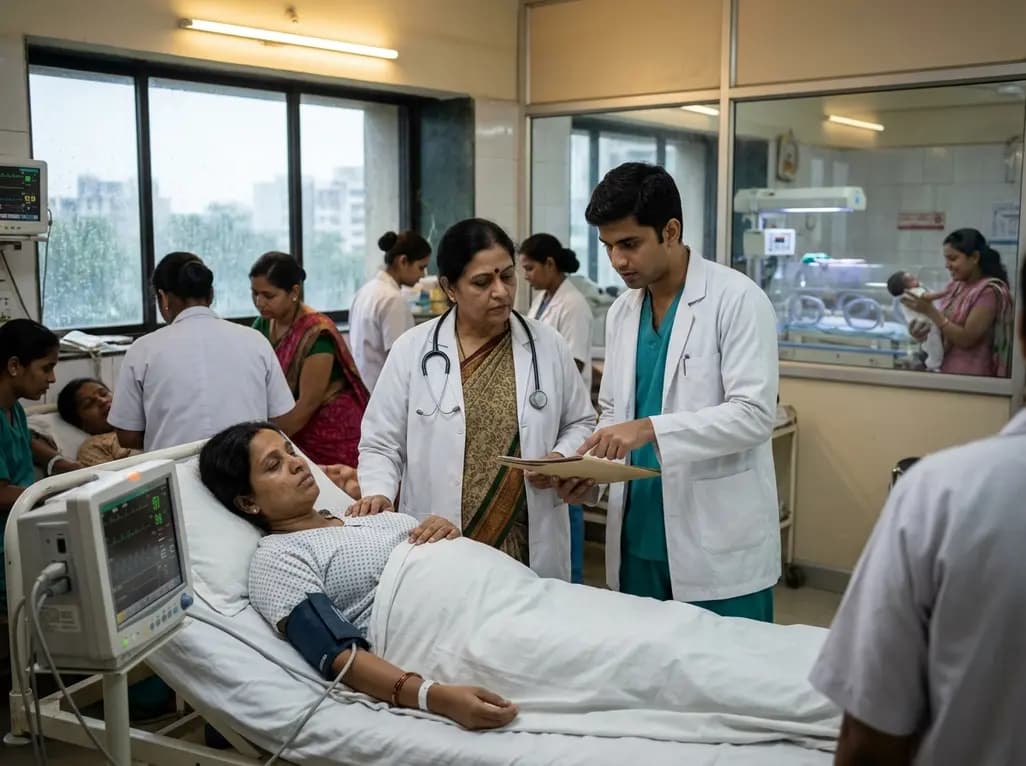
A “tale of two mortality trends” is currently unfolding in Mumbai. While annual neonatal and infant deaths are declining, maternal mortality numbers continue to fluctuate. Understanding these clinical, demographic, and systemic drivers is vital. Consequently, addressing maternal mortality in Mumbai remains an urgent priority for municipal healthcare systems.
The latest Right to Information (RTI) data from the Brihanmumbai Municipal Corporation (BMC) health department sheds light on a complex public health scenario. Over the last four years, the city of Mumbai has recorded 325 maternal deaths, with annual numbers fluctuating between 70 and 93. In contrast, infant and neonatal deaths are showing a steady decline. Specifically, neonatal deaths dropped from 1,846 in 2022 to 1,687 in 2024. Therefore, while pediatric survival rates are improving, maternal healthcare requires immediate, focused clinical attention from municipal authorities.
When analyzing the statistics closely, a distinct geographic disparity emerges. According to health officials, half of the recorded maternal deaths involve patients referred from outside Mumbai. These patients primarily originate from peripheral regions such as Thane and Palghar, which lack advanced tertiary care infrastructure. When examining Mumbai residents exclusively, the maternal mortality ratio (MMR) remains below 70 per 100,000 live births. This cohort successfully meets the targets outlined in the Sustainable Development Goals. However, when including non-resident referral cases, the city's overall ratio climbs well over 80. Consequently, external clinical pressure significantly skews local public health data, which complicates local municipal maternal health policies significantly.
Several non-communicable diseases play a critical role in elevating obstetric risks. Specifically, chronic conditions such as diabetes and hypertension are increasingly prevalent among pregnant women in metropolitan areas. These pre-existing metabolic and chronic cardiovascular disorders significantly compromise maternal health during gestation and delivery. Additionally, clinical specialists have noted a worrying rise in lifestyle factors like smoking among women. This trend makes pregnancies high-risk from the very beginning of the gestational period. Consequently, obstetricians must aggressively screen for these risk factors during early prenatal visits.
Beyond systemic non-communicable diseases, direct obstetric complications account for a substantial percentage of mortality cases. For instance, placental complications, including placenta accreta spectrum and abruptio placentae, often lead to sudden catastrophic postpartum hemorrhage. This extreme blood loss rapidly results in hypovolemic shock, which is frequently fatal if not managed immediately. Furthermore, pre-existing maternal heart disease severely limits cardiac reserve during labor. Therefore, managing these complex high-risk pregnancies requires a multidisciplinary clinical medical approach. Obstetricians and specialists must collaborate closely to optimize delivery plans. This collective vigilance remains essential for reducing preventable deaths in public hospitals and ensuring safer deliveries for all high-risk expectant mothers.
In addition to chronic medical conditions, Mumbai’s unique tropical environment introduces seasonal infectious diseases that threaten pregnant women. Every monsoon, the city experiences a spike in vector-borne and water-borne infectious illnesses. For example, malaria, dengue, leptospirosis, and hepatitis become major public health concerns during the intense rainy season. Pregnant patients are immunologically vulnerable, making them highly susceptible to severe forms of these infections. Consequently, contracting a monsoon-related illness often triggers rapid physiological deterioration in pregnant women, leading to severe obstetric complications.
Clinical observations from major municipal hospitals confirm that seasonal outbreaks directly exacerbate maternal mortality. For instance, leptospirosis can cause severe acute hepatic and renal failure in expectant mothers. Similarly, dengue-induced thrombocytopenia dramatically increases the risk of severe hemorrhage during delivery. Furthermore, viral hepatitis in pregnancy is associated with an extremely high rate of acute liver failure. Therefore, healthcare providers must emphasize early diagnosis and preventive measures during the monsoon months. Routine screening for febrile illnesses should be prioritized for all high-risk pregnant patients presenting with high fever. This proactive management is crucial for protecting vulnerable mothers and ensuring optimal pregnancy outcomes across urban communities and municipal zones.
A major systemic factor contributing to the elevated mortality rates is the referral of critical patients. Specifically, peripheral districts like Thane and Palghar frequently refer patients to tertiary hospitals in Mumbai. These public and private peripheral facilities often lack the advanced resources required to manage complex obstetric emergencies and surgical care. Consequently, high-risk patients are transferred only after they have reached a severely critical condition. By the time these patients arrive at tertiary centers, they are already in advanced stages of life-threatening shock.
This delay in clinical transfer creates an overwhelming clinical burden for major municipal tertiary facilities like Sion Hospital. Doctors at these central institutions often struggle to save patients arriving in irreversible hypovolemic shock. Furthermore, a lack of communication between peripheral and tertiary centers prevents hospitals from preparing for incoming emergencies. Therefore, establishing a streamlined referral protocol is essential to improve outcomes. Peripheral clinics must be trained to recognize early warning signs of critical obstetric complications. Additionally, stabilizing patients before transfer and securing quick, reliable transport can significantly improve survival chances. Consequently, resolving this referral crisis is fundamental to reducing maternal deaths across municipal public institutions.
To resolve the referral bottleneck, municipal healthcare systems must implement a robust and structured triaging system. Currently, a significant mismatch exists in how obstetric cases are distributed across facilities. Low-risk pregnancies are frequently managed by resource-heavy tertiary hospitals, which overburdens their staff. Conversely, high-risk pregnancies are sometimes handled by smaller maternity nursing homes lacking specialized maternal intensive care units. This improper allocation of clinical resources directly compromises patient safety. Therefore, a standardized clinical triaging framework is needed to guide patients to appropriate care levels.
A functioning triaging system would ensure that high-risk obstetric cases are directed to tertiary centers early. For instance, women with pre-existing cardiac diseases, diabetes, or severe hypertension should be mapped to major hospitals. Meanwhile, low-risk deliveries can be safely managed at local community maternity homes or secondary centers. Additionally, developing a real-time bed tracking system can help coordinators locate available intensive care beds quickly. This organized approach would prevent the delays that turn treatable complications into fatal events. Ultimately, systematic changes in patient clinical routing can save lives and improve overall maternal clinical outcomes across the entire municipal and state public healthcare delivery network.
Q1: Why does the maternal mortality ratio in Mumbai appear higher when peripheral cases are included?
The maternal mortality ratio climbs because neighboring districts like Thane and Palghar refer critical cases to Mumbai's tertiary hospitals. Many of these patients suffer from advanced complications and arrive in hypovolemic shock. While Mumbai's resident MMR remains below 70, these high-risk external cases push the combined ratio above 80. Consequently, peripheral healthcare limitations significantly impact municipal maternal mortality data.
Q2: How do monsoon-related illnesses impact maternal mortality in Mumbai?
Monsoon season triggers vector-borne and water-borne infections, including malaria, dengue, and leptospirosis. Because pregnant women are immunologically vulnerable, they face a higher risk of complications. For example, dengue can cause thrombocytopenia, leading to life-threatening hemorrhage during delivery. Therefore, early diagnosis and supportive treatment are essential during the rainy season to prevent rapid physiological decline and maternal death.
Q3: What role do non-communicable diseases and lifestyle factors play in high-risk pregnancies?
Non-communicable diseases like diabetes and hypertension increase systemic risks, leading to gestational complications. Additionally, rising smoking rates among women further elevate cardiovascular and placental risks. These factors can cause premature birth, placenta-related complications, and severe hemorrhage. Consequently, managing these pregnancies effectively requires early detection, lifestyle counseling, and close collaboration between obstetricians and specialists to optimize maternal and fetal outcomes safely and effectively.
Disclaimer: This content is for informational and educational purposes only. It does not constitute medical advice or replace professional judgment. Refer to the latest local and national guidelines for clinical practice.
References

Read summarized clinical updates, watch expert medical content, and earn CME certifications right from your smartphone.
Open your smartphone camera to scan and install.





Recent RTI data reveals fluctuating maternal mortality trends in Mumbai, even as neonatal deaths decline. While resident ratios remain low, the overall maternal mortality ratio exceeds 80 due to late referrals from peripheral areas, high-risk comorbidities like diabetes and hypertension, and monsoon-related infections.
3 months ago

A landmark 12-year longitudinal study highlights significant reductions in opioid prescribing for nonspecific low back pain following clinical guidelines and prescription monitoring systems, emphasizing non-opioid multimodal pain care.
Today
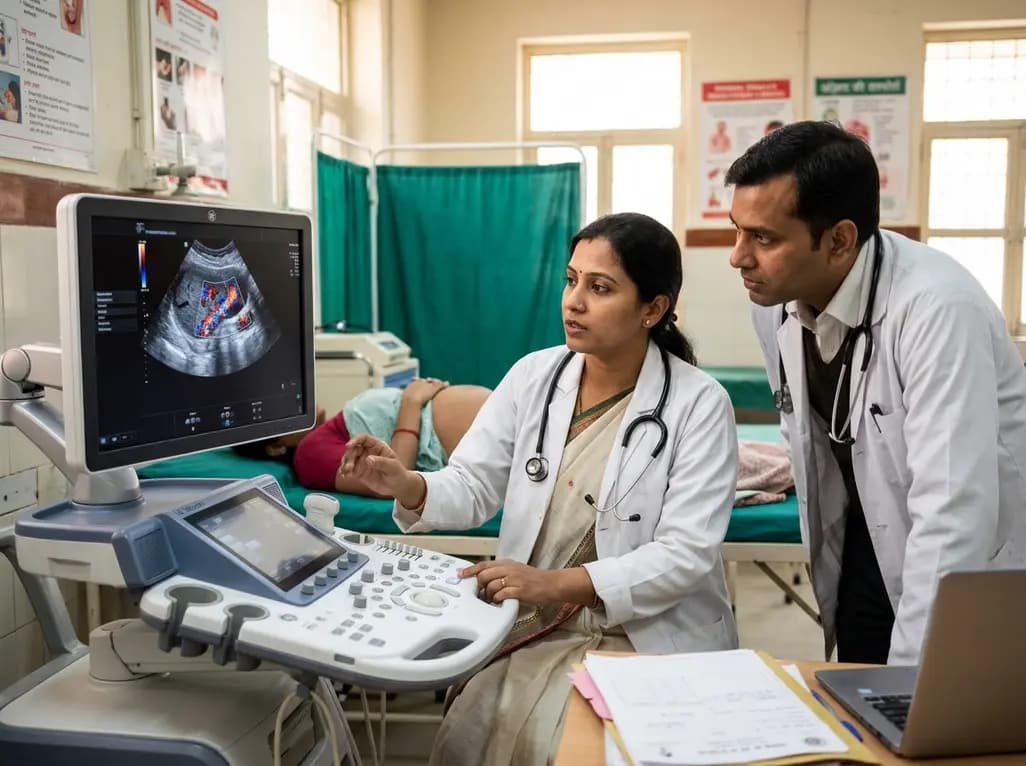
A study in Ultrasound in Obstetrics & Gynecology shows that quantitative vascularization of the anterior fornix/cervix with transvaginal ultrasound reliably identifies placenta accreta spectrum and predicts severe intraoperative hemorrhage, offering vital objective risk stratification.
Today
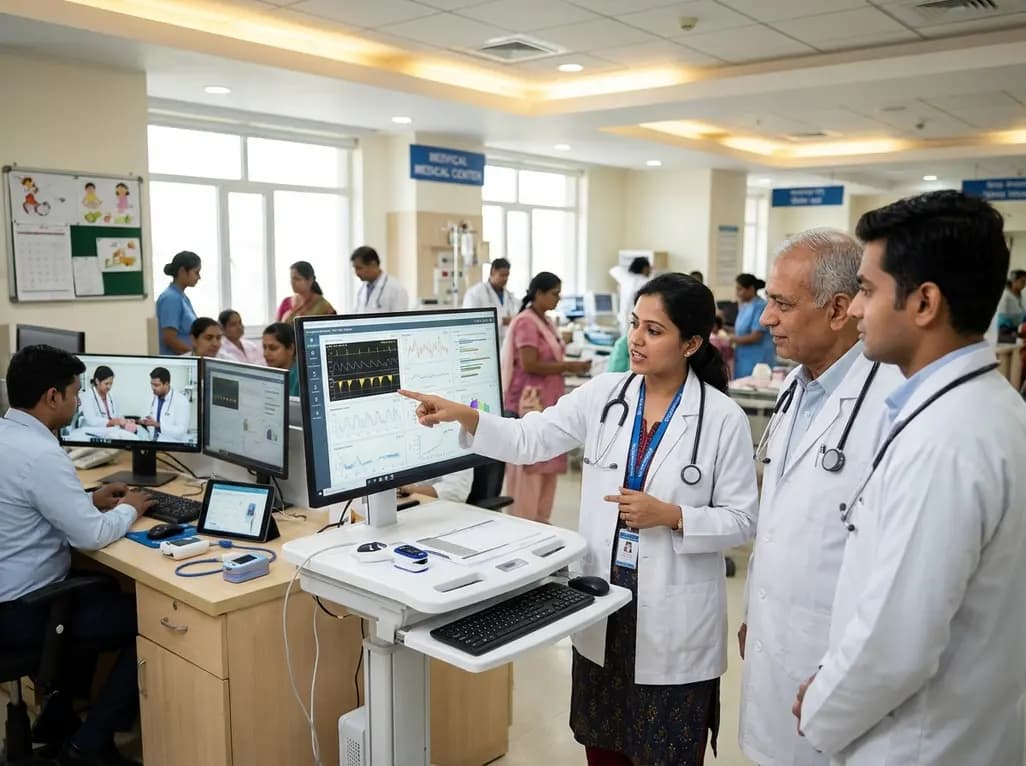
A landmark study details how an enterprise pediatric remote patient management model expanded from a single cardiology pilot to 16 diverse specialty programs by combining centralized digital operations with specialty clinical leadership.
Yesterday
A study evaluates vastus lateralis twitch kinetics, neural activation, and muscle architecture in 44 soccer players, showing dynamic neuromuscular measures predict jump and squat performance far better than ultrasound architecture alone.
Today
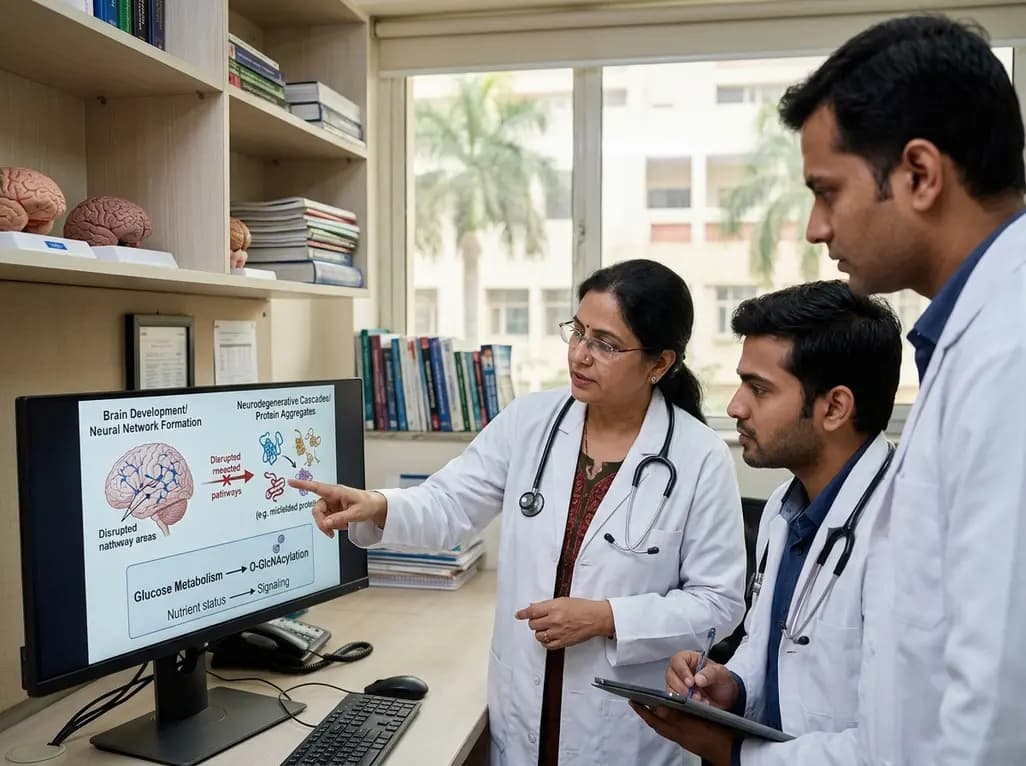
Protein O-GlcNAcylation couples cellular nutrient status to vital neuronal functions. This review explores how disrupted O-GlcNAc cycling drives both neurodevelopmental delays and neurodegenerative cascades, positioning metabolic post-translational modifications as therapeutic targets in clinical neurology.
Today
