.webp&w=384&q=75)

Loading, please wait...
Loading, please wait...

New research highlights a significant link between a history of maternal depression and increased maternal depression opioid use following cesarean delivery. Researchers conducted a secondary analysis of a multicenter trial involving over 5,500 participants across 12 U.S. hospitals. They found that patients with either treated or untreated depression consumed more opioids than those without such a history. Consequently, identifying these patients early may be crucial for optimizing postpartum pain management and improving recovery outcomes.
The study analyzed 5,504 individuals, of whom 27.4% reported a history of depression. Interestingly, those with depression were more likely to suffer from comorbid chronic pain conditions. During their hospital stay, individuals with depression used significantly more morphine milligram equivalents (MMEs) per day compared to the control group. Furthermore, this trend continued after discharge, with higher outpatient opioid prescriptions noted through six weeks postpartum. These findings emphasize that mental health status serves as a major predictor for postoperative medication needs.
Beyond medication volume, the study examined patient-reported outcomes like pain intensity and daily interference. Patients with untreated depression reported higher levels of perceived pain at one week post-discharge. However, even those receiving treatment for depression experienced significantly more pain than patients with no depression history. Because the physiological pathways for pain and depression often overlap, these results suggest that mental health history deeply influences the subjective experience of surgical recovery.
To address these challenges, clinicians should consider personalized pain protocols. Since depression and pain pathways are closely linked, a multimodal approach might reduce the reliance on opioids. Additionally, routine screening for prenatal mental health issues could serve as a proactive clinical step. By doing so, healthcare providers can better support new mothers during the vulnerable postpartum period and mitigate the risks of long-term opioid dependence.
Research indicates that mothers with a history of depression often perceive higher levels of pain and experience more interference in their daily activities after delivery. This heightened pain perception often leads to increased opioid consumption both in the hospital and after discharge.
While treatment for depression is vital for overall maternal well-being, the study found that even treated individuals used more opioids and reported more pain than those without depression. Therefore, both treated and untreated groups require specialized, attentive pain management strategies.
Disclaimer: This content is for informational and educational purposes only and does not constitute medical advice. It is not intended to be a substitute for professional medical advice, diagnosis, or treatment. Always seek the advice of your physician or other qualified healthcare provider with any questions you may have regarding a medical condition. Refer to the latest local and national guidelines for clinical practice.
References
Pitt TL et al. Maternal Depression and Opioid Use After Cesarean Delivery. Obstet Gynecol. 2026 Mar 19. doi: 10.1097/AOG.0000000000006248. PMID: 41855534.
Sudhof L et al. Antepartum depressive symptoms are associated with significant postpartum opioid use. Am J Obstet Gynecol MFM. 2023 Aug;5(8):101009. doi: 10.1016/j.ajogmf.2023.101009.
"
Read summarized clinical updates, watch expert medical content, and earn CME certifications right from your smartphone.
Open your smartphone camera to scan and install.





A multicenter study reveals that mothers with a history of depression use more opioids and report higher pain scores following a cesarean delivery....
7 months ago
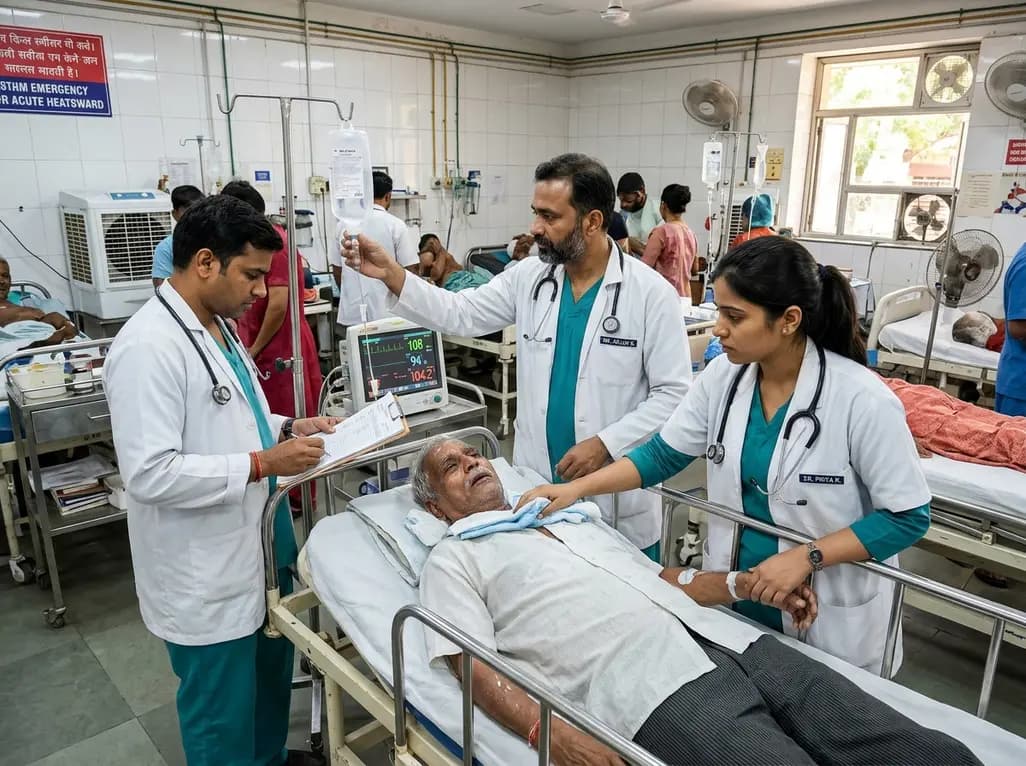
Recent epidemiological data reveals a dramatic surge in summer heat mortality driven by human-induced climate warming. This analysis explores the pathophysiological impacts on cardiac and renal systems, diagnostic dilemmas in death certification, and essential emergency cooling protocols for acute clinical care.
Today

Odisha has established India's first state-level clinical protocol specifically tailored for pregnant women with sickle cell disease. Developed with NHM and UNICEF, the framework provides structured antenatal screening, crisis mitigation, standardized referral pathways, and specialized interdisciplinary care.
Today

India is advancing preventive healthcare by integrating genomics, artificial intelligence, and quantum technologies. With the SANGAM programme sequencing one million Indian genomes, clinicians can unlock personalized therapies, detect cardiometabolic risks early, and curb the burden of diabetes and heart disease.
Today

A randomized controlled trial demonstrates that an eight-week dual-task training intervention significantly improves static and dynamic postural control over standard balance exercises in individuals with chronic ankle instability, addressing critical neurocognitive deficits during athletic and daily activities.
Today

A retrospective cohort study of 7,716 ICU patients from the MIMIC-IV database demonstrates that Gradient Boosting Decision Trees significantly outperform traditional SOFA scores in predicting in-hospital mortality among patients with sepsis and diabetes, with SHAP analysis providing clinical interpretability.
Today
