.webp&w=384&q=75)

Loading, please wait...
Loading, please wait...

NATHEALTH recently advocated for the introduction of Mandatory Healthcare Benchmarks to unify the quality of care across India. This initiative aims to protect patient safety while elevating clinical excellence in both public and private sectors. Specifically, the proposed framework assesses workforce requirements and infrastructure to ensure a holistic approach to care delivery. Furthermore, this move aligns with international practices adopted in developed nations. NATHEALTH officials maintain that these standards will ensure a consistent level of care across the entire healthcare sector.
Mandatory Healthcare Benchmarks offer several advantages for the Indian healthcare ecosystem. Firstly, they provide a standardized baseline that helps facilities align their operational capabilities with clinical outcomes. Secondly, these benchmarks foster transparency within the hospital and diagnostic domains. Consequently, patients can expect a predictable level of care regardless of the facility they choose. Moreover, a large number of industry stakeholders have already expressed a strong appetite for these changes. However, some critics argue that implementing blanket standards might challenge smaller providers. These players often operate on tight cash flows and limited capital reserves. Therefore, a phased approach may be necessary to ensure widespread compliance without compromising business viability.
The proposal arrives at a time when the healthcare industry faces significant economic pressures. For example, medical device manufacturers are currently grappling with rising freight charges. Additionally, the cost of raw materials like PVC has surged by nearly 60 percent recently. Therefore, companies might be forced to pass these increased costs onto consumers by April. Meanwhile, facilities are strategically stocking critical materials like diagnostic kits and reagents. This proactive approach helps them prepare for potential risks stemming from the ongoing Middle East conflict. Furthermore, medical tourism has experienced a slight dip as regional tensions influence patient traffic. Simultaneously, healthcare bodies are working with the government to mitigate these supply chain disruptions and ensure the availability of essential drugs.
Q1: How do these mandatory healthcare benchmarks differ from the Clinical Establishments Act?
The current Clinical Establishments Act is primarily voluntary and applies only to specific segments of healthcare providers. In contrast, the NATHEALTH proposal seeks mandatory adoption across all facilities to create a uniform level of care quality nationwide.
Q2: What impact will these standards have on smaller healthcare facilities?
Smaller players may face higher compliance and operational costs due to the infrastructure requirements of meeting blanket standards. Consequently, balancing these quality benchmarks with financial sustainability remains a significant concern for small clinics and diagnostic centers.
Q3: How is the medical device industry responding to current inflationary pressures?
Manufacturers are facing increased production costs due to higher raw material prices and logistics disruptions. As a result, hospitals may experience shortages or price hikes for certain medical devices starting in the new financial year as companies adjust their pricing strategies.
Disclaimer: This content is for informational and educational purposes only. It does not constitute medical advice or replace professional judgment. Refer to the latest local and national guidelines for clinical practice.
References

Read summarized clinical updates, watch expert medical content, and earn CME certifications right from your smartphone.
Open your smartphone camera to scan and install.





NATHEALTH proposes mandatory baseline standards for all Indian healthcare facilities to enhance patient safety and clinical excellence through unified bench...
6 months ago
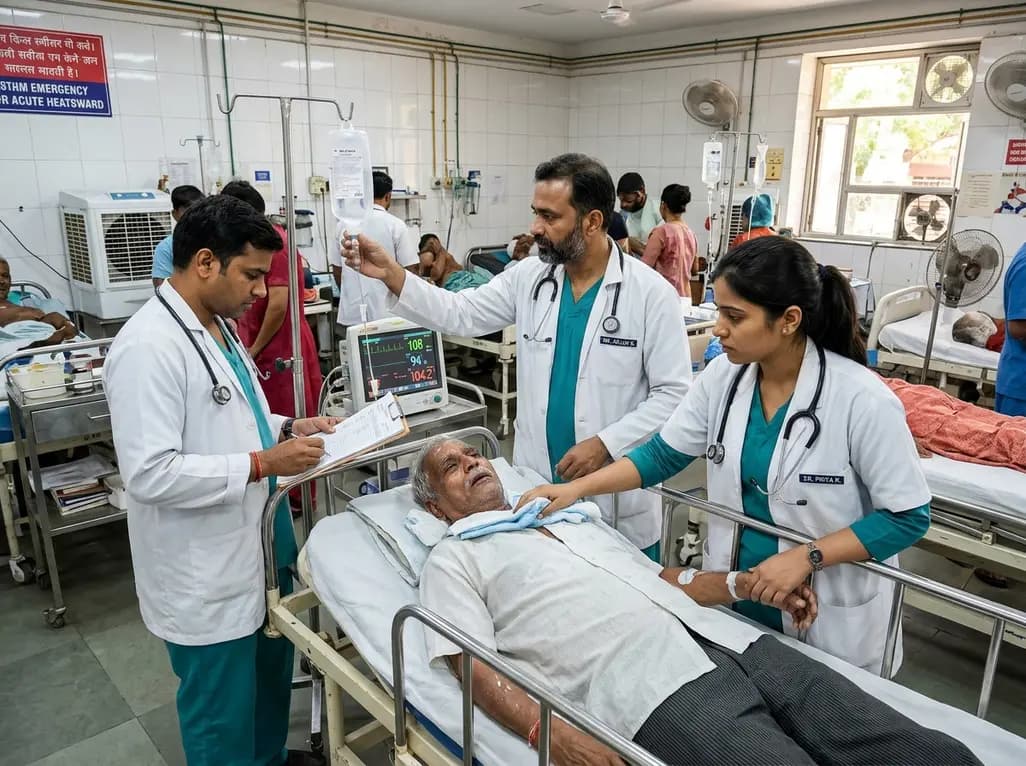
Recent epidemiological data reveals a dramatic surge in summer heat mortality driven by human-induced climate warming. This analysis explores the pathophysiological impacts on cardiac and renal systems, diagnostic dilemmas in death certification, and essential emergency cooling protocols for acute clinical care.
Today
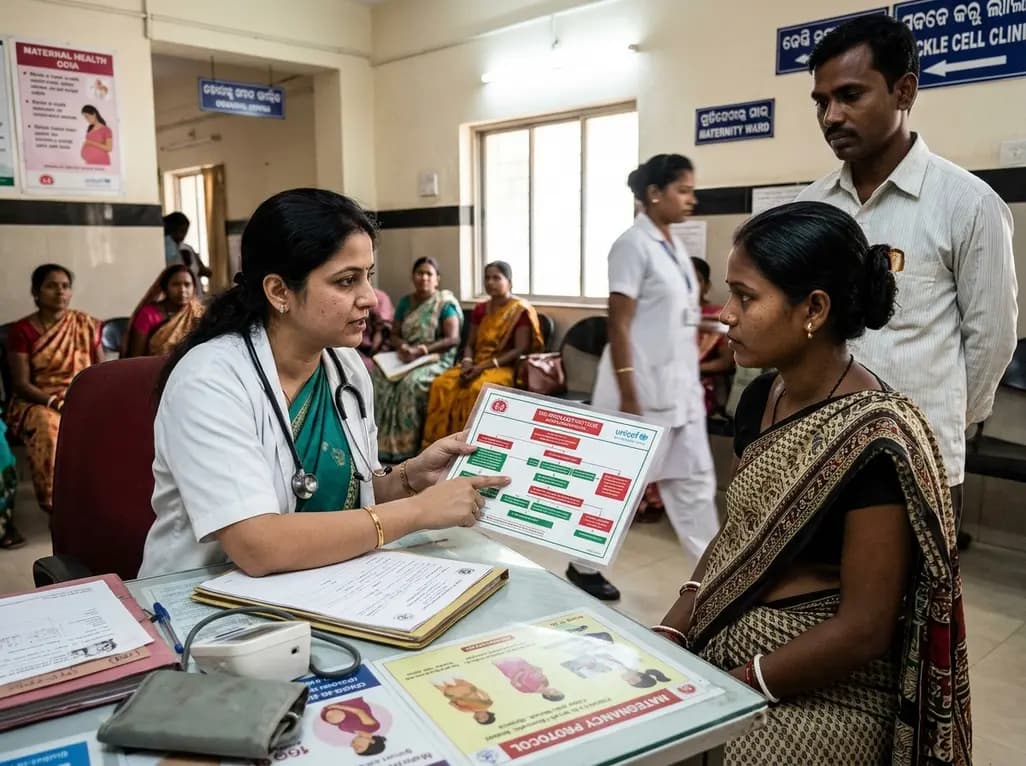
Odisha has established India's first state-level clinical protocol specifically tailored for pregnant women with sickle cell disease. Developed with NHM and UNICEF, the framework provides structured antenatal screening, crisis mitigation, standardized referral pathways, and specialized interdisciplinary care.
Today

India is advancing preventive healthcare by integrating genomics, artificial intelligence, and quantum technologies. With the SANGAM programme sequencing one million Indian genomes, clinicians can unlock personalized therapies, detect cardiometabolic risks early, and curb the burden of diabetes and heart disease.
Today
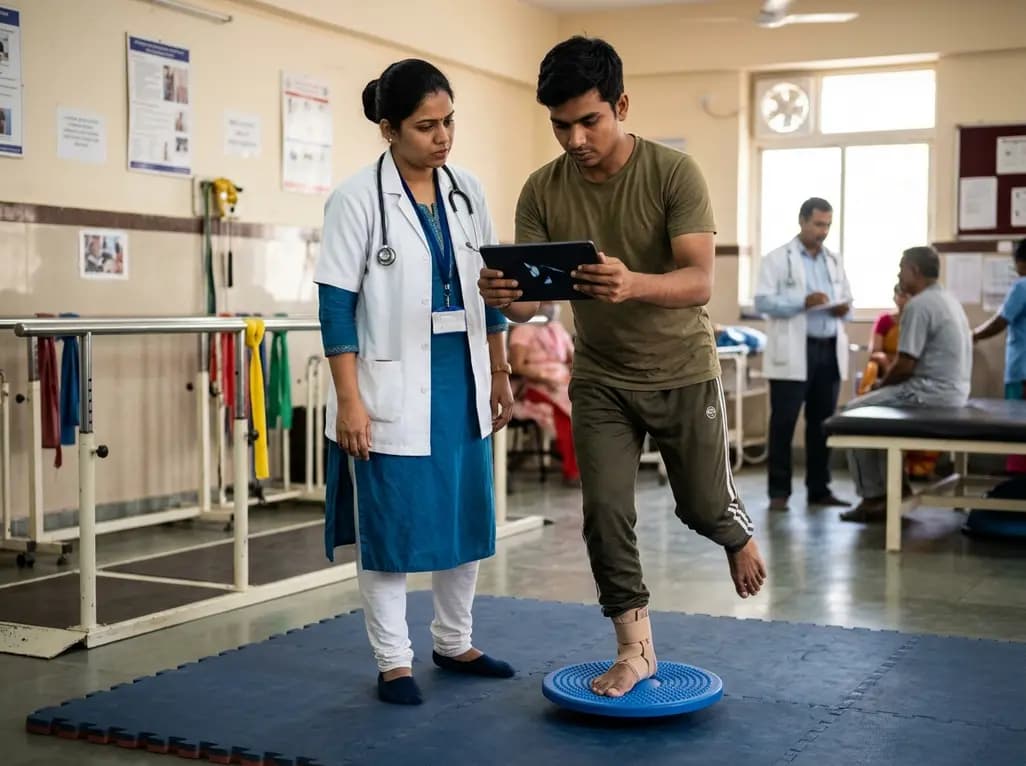
A randomized controlled trial demonstrates that an eight-week dual-task training intervention significantly improves static and dynamic postural control over standard balance exercises in individuals with chronic ankle instability, addressing critical neurocognitive deficits during athletic and daily activities.
Today

A retrospective cohort study of 7,716 ICU patients from the MIMIC-IV database demonstrates that Gradient Boosting Decision Trees significantly outperform traditional SOFA scores in predicting in-hospital mortality among patients with sepsis and diabetes, with SHAP analysis providing clinical interpretability.
Today
