.webp&w=384&q=75)

Loading, please wait...
Loading, please wait...
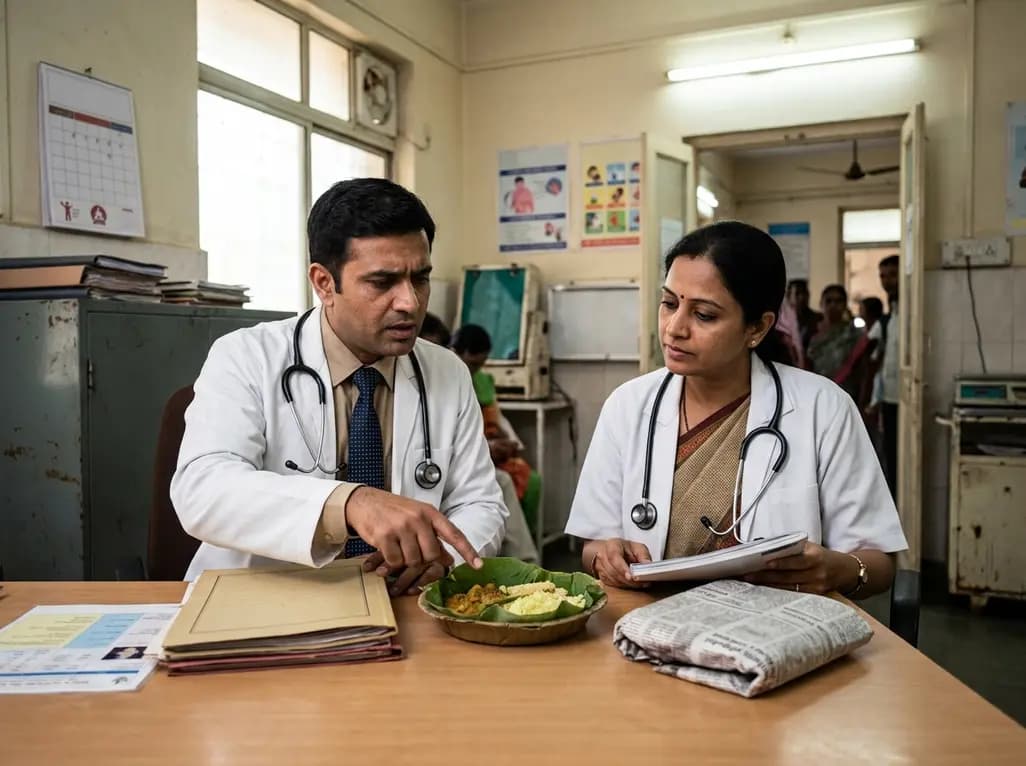
The Maharashtra Food and Drug Administration (FDA) has launched a massive public health campaign called 'Safe Food, Healthy Maharashtra'. Consequently, the regulatory body has placed a strict ban on serving food in newspapers across all food establishments. This comprehensive directive addresses critical hygiene gaps in local eateries and cloud kitchens. Historically, newspaper packaging has been a common street practice. However, health regulators now warn that this convenient habit poses severe chemical and microbial toxicity to unsuspecting consumers.
This statewide campaign focuses heavily on eliminating toxic packaging materials to secure public safety. Historically, small food vendors and consumers have used newspapers as convenient plates or oil absorbents. Nevertheless, this practical choice introduces significant physiological hazards. FDA Commissioner Tukaram Mundhe recently announced that eateries must immediately shift to safe food-grade materials. Additionally, the new guidelines cover hotels, restaurants, dhabas, caterers, and online delivery aggregators. Furthermore, the regulatory body intends to audit over four lakh food service operations during this campaign. Therefore, food business operators must understand the risks associated with printed sheets. Consequently, local inspectors have received direct orders to fine any business using unapproved packaging. This initiative aims to protect vulnerable populations, such as children and the elderly, from chronic exposure to industrial dyes. Ultimately, transitioning to certified food-grade paper or leaf plates will help rebuild trust in street gastronomy. By enforcing these rules, the FDA plans to eliminate outdated, hazardous practices from the regional food culture. Consequently, this change will foster a healthier environment for everyone.
When hot, greasy food is placed onto printed paper, toxic chemicals from the ink easily leach into the meal. Specifically, newspaper ink contains dangerous heavy metals, primarily lead, along with harmful pigments and artificial preservatives. Consequently, when individuals ingest these substances, the chemicals can accumulate in their vital organs over time. Medical researchers have linked chronic lead exposure to serious cognitive decline and neurological issues. Moreover, printing inks contain multiple bioactive compounds and mineral oils with known carcinogenic properties. Additionally, the presence of phthalates in recycled cardboard and printed sheets causes endocrine disruption. Therefore, what seems like a simple meal can actually result in slow chemical poisoning. For instance, fried foods absorb these toxic binders and solvents far quicker than dry foods do. For this reason, the Food Safety and Standards Authority of India prohibits wrapping oily snacks in newsprint. Healthcare professionals must educate their patients about these silent, long-term health hazards. Ultimately, choosing safe wrapping alternatives is a critical preventive medicine strategy. Reducing chemical ingestion remains a primary goal of modern environmental health initiatives.
Beyond chemical risks, wrapping food in newspapers exposes consumers to dangerous pathogenic microorganisms. Generally, newspapers undergo a long distribution chain involving extensive manual handling. Consequently, they gather massive amounts of dust, environmental dirt, and biological pathogens. Indeed, studies have revealed that used paper frequently harbors fecal bacteria, viruses, and fungal spores. When these papers touch warm food, these pathogens multiply rapidly. Therefore, consumers can easily contract severe foodborne illnesses, including gastroenteritis and salmonellosis. Furthermore, unhygienic storage conditions in small street stalls exacerbate this biological threat. For example, rodents and insects often crawl over stored paper piles overnight. As a result, paper-wrapped street food becomes a vector for infectious diseases. To prevent these infections, the FDA strictly mandates that food handlers maintain optimal personal hygiene. Staff must undergo regular medical checks and possess fitness certificates. Indeed, eliminating newspaper contact is just as critical as washing hands before food prep. Clinicians often treat acute food poisoning cases that stem directly from poor packaging choices. Safeguarding the food supply chain from pathogens is absolutely vital for community well-being.
The statewide order introduces many other crucial operational rules for the food industry. Specifically, every business must prominently display a valid FSSAI licence. Furthermore, food operators must strictly implement the Repurpose Used Cooking Oil (RUCO) initiative. Repeated reuse of cooking oil creates harmful polar compounds that trigger cardiovascular diseases. Consequently, monitored oil disposal is now mandatory. Additionally, staff members must complete mandatory training under the FoSTaC program. Moreover, the order demands strict inventory control using the First-In, First-Out (FIFO) methodology. Food establishments must also utilize colour-coded chopping boards to prevent cross-contamination. For instance, green boards are for vegetables, while red boards are used for raw meat. Significantly, restaurants must offer safe drinking water to all guests free of charge. They must also list allergen, calorie, and nutritional data directly on their menus. As a result, customers can make safer dietary decisions. Large food corporations with high turnovers will also face independent annual audits. These comprehensive protocols ensure that every restaurant maintains high sanitation standards. Ultimately, these systemic reforms will elevate Maharashtra's hospitality sector to global standards.
Food business operators (FBOs) who fail to follow these strict mandates face severe penalties. Under the Food Safety and Standards Act of 2006, compromising public safety carries grave repercussions. Specifically, if unhygienic food causes the death of a consumer, offenders face life imprisonment. Additionally, they will receive a massive fine of at least ten lakh rupees. Furthermore, if unsafe food causes grievous injury, business owners face up to six years in prison. Moreover, the court can impose a heavy penalty of five lakh rupees for minor injuries. Therefore, complying with these safety guidelines is both a moral and legal necessity. The FDA plans to conduct rigorous, surprise inspections of around four lakh outlets. Consequently, non-compliant hotels, restaurants, and cloud kitchens will face immediate closure or licence cancellation. Ultimately, these stringent laws protect consumers from negligent practices. Accordingly, street vendors must immediately transition to biodegradable leaf options or paper packets to ensure compliance. Food safety remains a non-negotiable right for every citizen in Maharashtra.
Q1: Why is serving food in newspapers considered dangerous by health authorities?
Newspaper printing ink contains toxic pigments, binders, and heavy metals such as lead that easily contaminate food. When warm or oily snacks come into contact with paper sheets, these chemicals leach rapidly into the meal. Consequently, ingestion of these materials can lead to severe organ damage, systemic toxicity, and cognitive issues. Furthermore, dirty papers carry dangerous biological pathogens that can trigger severe food poisoning in vulnerable populations.
Q2: What safe packaging alternatives can food business operators use?
Food vendors should switch to approved food-grade wrapping papers, biodegradable plates, or traditional banana leaves. These organic alternatives do not release chemical contaminants when exposed to heat or grease. Moreover, businesses can utilize unprinted parchment sheets or certified compostable materials. Therefore, switching to these safe mediums protects consumer health while maintaining compliance with FSSAI packaging regulations. This minor transition ensures long-term business survival under the strict campaign.
Q3: What are the primary legal penalties for non-compliant food establishments?
Under the national food safety laws, non-compliant operators face massive financial fines, permanent licence cancellation, and immediate closure. Specifically, serving food that results in grievous injury can lead to six years of imprisonment. Furthermore, if unsafe food consumption causes a consumer's death, the offender can face life imprisonment and a minimum fine of ten lakh rupees. Consequently, vendors must take these hygiene rules seriously to avoid severe prosecution.
Disclaimer: This content is for informational and educational purposes only. It does not constitute medical advice or replace professional judgment. Refer to the latest local and national guidelines for clinical practice.
References

Read summarized clinical updates, watch expert medical content, and earn CME certifications right from your smartphone.
Open your smartphone camera to scan and install.





The Maharashtra Food and Drug Administration (FDA) has banned serving food in newspapers under its 'Safe Food, Healthy Maharashtra' campaign. Discover the severe toxic risks of newspaper printing ink, new FSSAI compliance guidelines, and the strict penalties for non-compliant food establishments across the state.
3 months ago
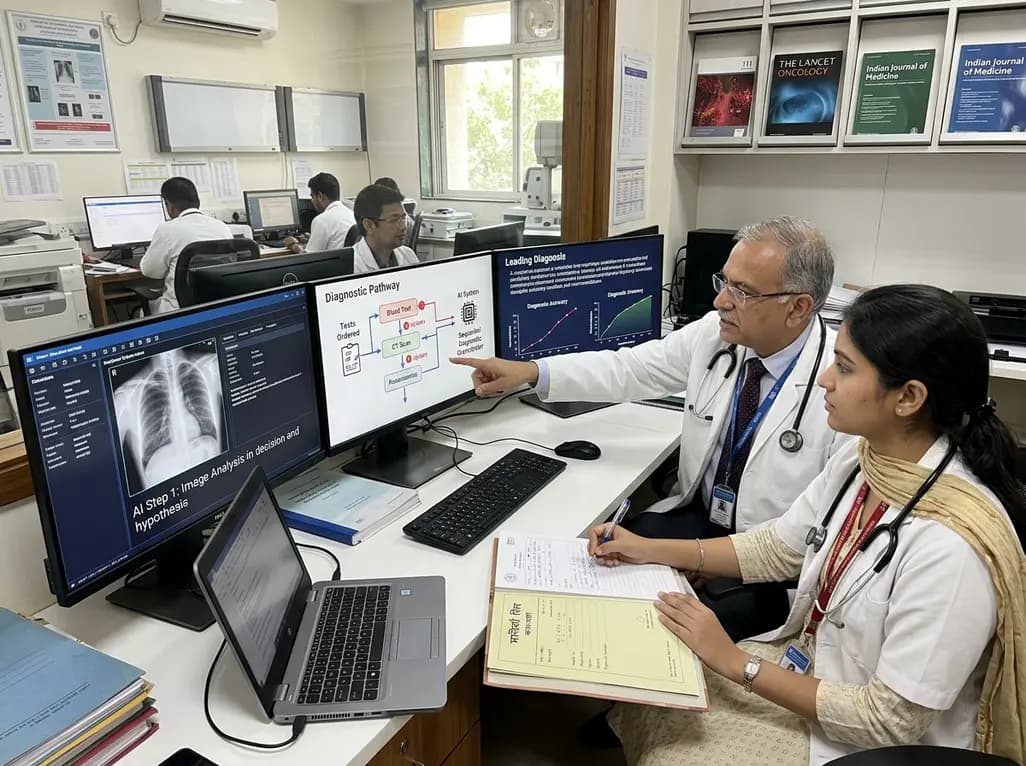
A breakthrough peer-reviewed study demonstrates that a sequential AI diagnosis system can mirror real-world clinical reasoning. By ordering stepwise tests and updating hypotheses dynamically, this multi-agent orchestrator achieved superior diagnostic accuracy while reducing investigative costs.
Today

A prenatal case highlights severe glutaric acidemia type II presenting as bilateral hyperechoic cystic kidneys at 18 weeks. Whole-exome sequencing revealed a novel homozygous ETFDH frameshift variant, demonstrating the power of rapid genetic testing in fetal renal anomalies.
Today

Review how tailored exercise programs benefit frail older patients with heart failure. Explore pathophysiological mechanisms, individualized training prescriptions, and strategies to overcome adherence barriers in clinical practice.
Yesterday

This comparative study evaluates posterior labral tears with and without glenohumeral instability, highlighting distinct demographic patterns, MRI underestimation in stable shoulders, and successful arthroscopic repair outcomes.
Yesterday

A clinical study demonstrates that early intervention with tocilizumab, either as monotherapy or bridged with corticosteroids, achieves significant proptosis reduction and resolves active inflammation in treatment-naive thyroid eye disease.
Yesterday
