.webp&w=384&q=75)

Loading, please wait...
Loading, please wait...
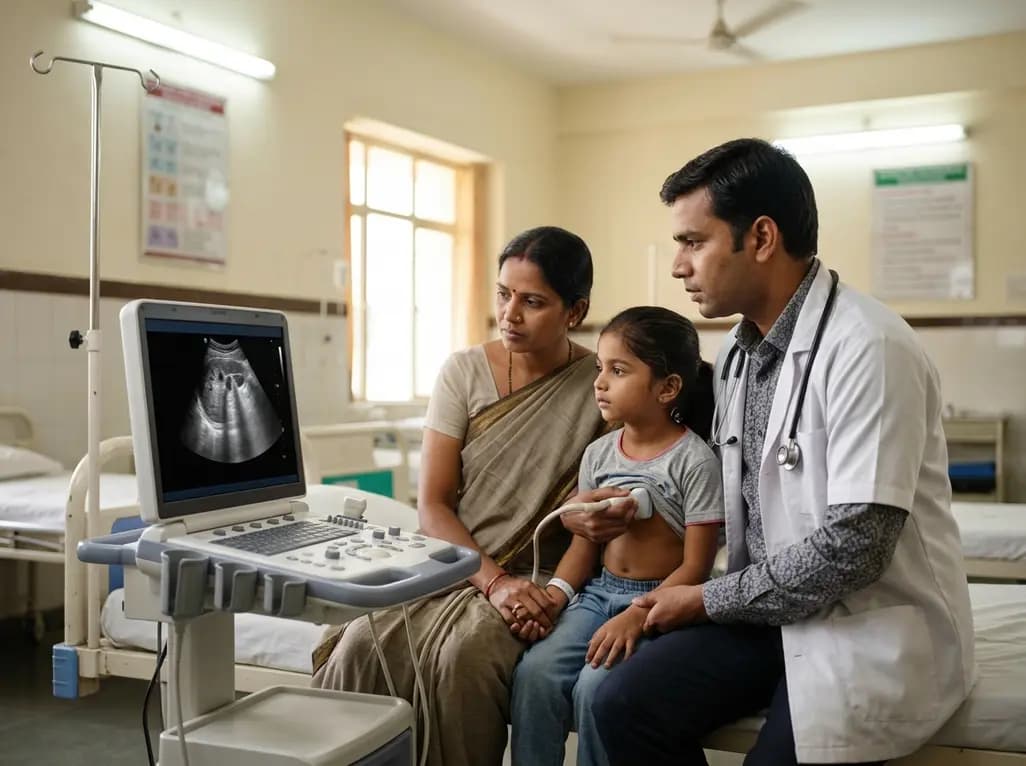
The global incidence of macrolide-unresponsive Mycoplasma pneumoniae pneumonia (MUMPP) is rising significantly. This trend is primarily driven by mutations in the 23S rRNA gene of the pathogen. For pediatricians, identifying resistant cases at admission is challenging because macrolide susceptibility testing is often impractical in acute settings. However, Lung Ultrasound Pediatric MUMPP evaluation offers a non-invasive and rapid method to assess disease severity and predict treatment response.
In a recent retrospective analysis, researchers compared children with MUMPP to those with macrolide-sensitive Mycoplasma pneumoniae pneumonia (MSMP). Children in the MUMPP group were generally older and experienced significantly higher body temperatures. Additionally, these patients required longer hospital stays to achieve recovery. Laboratory markers such as d-dimer levels and neutrophil-to-lymphocyte ratios (NLR) were also markedly elevated in unresponsive cases. These clinical indicators suggest that MUMPP triggers a more intense systemic inflammatory response compared to sensitive strains.
Lung ultrasound provides critical diagnostic clues for identifying MUMPP early in the disease course. Patients with unresponsive pneumonia exhibited larger areas of lung consolidation both at the time of admission and during post-treatment follow-ups. Furthermore, the study noted higher rates of pleural effusion and greater bilateral pulmonary involvement in the MUMPP group. Interestingly, a higher proportion of these patients presented with lung consolidations that lacked air bronchograms. Using Lung Ultrasound Pediatric MUMPP protocols can therefore help clinicians differentiate severe, resistant cases from standard infections.
Early identification of MUMPP is vital for preventing long-term pulmonary complications. Because macrolide resistance is increasingly common, physicians should consider the early initiation of non-macrolide alternative therapies when ultrasound and laboratory markers suggest unresponsiveness. These alternatives may include tetracyclines, fluoroquinolones, or adjunctive corticosteroids depending on the child\'s age and clinical severity. Consequently, utilizing ultrasound alongside inflammatory markers provides a robust framework for managing pediatric respiratory infections effectively.
Children with MUMPP often show larger consolidation areas, higher rates of pleural effusion, and bilateral involvement. A significant finding is the presence of lung consolidations that lack air bronchograms, indicating more severe tissue involvement.
Early detection allows clinicians to switch from macrolides to alternative therapies like doxycycline or fluoroquinolones sooner. This can reduce the duration of fever, shorten hospital stays, and prevent the development of necrotizing pneumonia.
Patients with MUMPP typically have significantly higher d-dimer levels and elevated neutrophil-to-lymphocyte ratios (NLR). These markers, when combined with ultrasound findings, improve the predictive accuracy for macrolide resistance.
Disclaimer: This content is for informational and educational purposes only. It does not constitute medical advice or a professional relationship. Always seek the advice of a qualified healthcare provider regarding any medical condition. Refer to the latest local and national guidelines for clinical practice.
References

Read summarized clinical updates, watch expert medical content, and earn CME certifications right from your smartphone.
Open your smartphone camera to scan and install.





Learn how lung ultrasound and inflammatory markers help clinicians identify and manage macrolide-unresponsive Mycoplasma pneumoniae pneumonia in children....
4 months ago
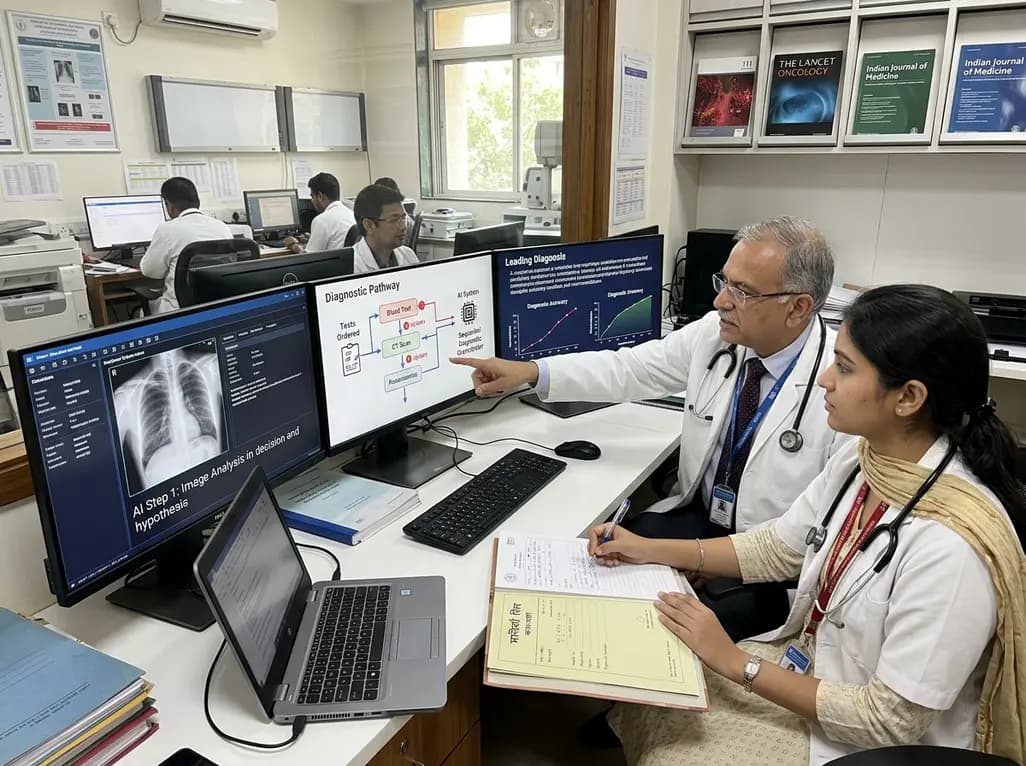
A breakthrough peer-reviewed study demonstrates that a sequential AI diagnosis system can mirror real-world clinical reasoning. By ordering stepwise tests and updating hypotheses dynamically, this multi-agent orchestrator achieved superior diagnostic accuracy while reducing investigative costs.
Today

A prenatal case highlights severe glutaric acidemia type II presenting as bilateral hyperechoic cystic kidneys at 18 weeks. Whole-exome sequencing revealed a novel homozygous ETFDH frameshift variant, demonstrating the power of rapid genetic testing in fetal renal anomalies.
Today

Review how tailored exercise programs benefit frail older patients with heart failure. Explore pathophysiological mechanisms, individualized training prescriptions, and strategies to overcome adherence barriers in clinical practice.
Yesterday

This comparative study evaluates posterior labral tears with and without glenohumeral instability, highlighting distinct demographic patterns, MRI underestimation in stable shoulders, and successful arthroscopic repair outcomes.
Yesterday

A clinical study demonstrates that early intervention with tocilizumab, either as monotherapy or bridged with corticosteroids, achieves significant proptosis reduction and resolves active inflammation in treatment-naive thyroid eye disease.
Yesterday
