.webp&w=384&q=75)

Loading, please wait...
Loading, please wait...

Long COVID remains a significant hurdle for clinicians and patients globally. Identifying the determinants of Long COVID persistent symptoms is essential to help patients achieve better recovery outcomes. The ARALongCOV study protocol outlines a robust framework to investigate these complex factors. Specifically, researchers utilize a longitudinal matched case-control design to compare individuals with lingering symptoms against recovered controls. By integrating clinical, biological, and lifestyle data, the study seeks to clarify the mechanisms behind symptom persistence.
The study focuses on adults with confirmed SARS-CoV-2 infection in Aragón, Spain. Researchers match cases 1:1 with recovered individuals based on age, gender, and the date of their acute diagnosis. Consequently, this precise matching helps isolate the variables most likely to influence long-term health. The research team evaluates several patient-reported outcomes, such as mental health, sleep quality, and physical activity. Furthermore, the protocol includes an extensive analysis of biochemical markers. This involves checking inflammatory cytokines and viral reactivation serologies to find biological clues.
Clinicians often face difficulties when predicting which patients will develop post-viral syndromes. Therefore, this research provides vital insights for risk stratification and the discovery of new phenotypes. Notably, the study tracks participants over a three-year follow-up period. This duration allows the team to observe changes in functional status and cognitive performance over time. Because the research integrates multidimensional data, it offers a holistic view of the condition. Ultimately, these findings will guide the development of targeted diagnostic and rehabilitative strategies for those suffering from the condition.
The study evaluates clinical, biological, and sociodemographic factors. Specifically, researchers examine lifestyle habits, mental health, cognitive performance, and immunological markers like cytokines and SARS-CoV-2 antispike IgG levels.
Researchers use a 1:1 matching strategy. They match Long COVID patients with recovered controls based on gender (exact), age (±3 years), and the date of their initial acute COVID-19 diagnosis (±30 days).
Primary analyses will begin after the follow-up assessments conclude in early 2026. Consequently, the team plans to disseminate the findings from the second half of 2026 through 2027.
Disclaimer: This content is for informational and educational purposes only. It does not constitute medical advice or establish a doctor-patient relationship. Refer to the latest local and national guidelines for clinical practice.
References
Lerma-Irureta D et al. Differential Factors Associated With the Presence of Persistent Symptoms in Individuals Diagnosed With Long COVID: Protocol for a Longitudinal Matched Case-Control Study. JMIR Res Protoc. 2026 Mar 24. doi: 10.2196/67133. PMID: 41875425.
World Health Organization. Post COVID-19 condition (Long COVID). Published 2024.
National Institutes of Health. RECOVER: Researching COVID to Enhance Recovery. NIH website. Accessed 2026.

Read summarized clinical updates, watch expert medical content, and earn CME certifications right from your smartphone.
Open your smartphone camera to scan and install.





The ARALongCOV study protocol outlines a longitudinal matched case-control design to identify determinants of persistent symptoms in individuals with Long C...
6 months ago

A multicenter study from Southeastern Türkiye identified rare alpha-1 antitrypsin deficiency variants, including the homozygous Malton genotype, among COPD patients. Half were never-smokers, highlighting the critical need for comprehensive genetic screening beyond common S and Z alleles.
Today
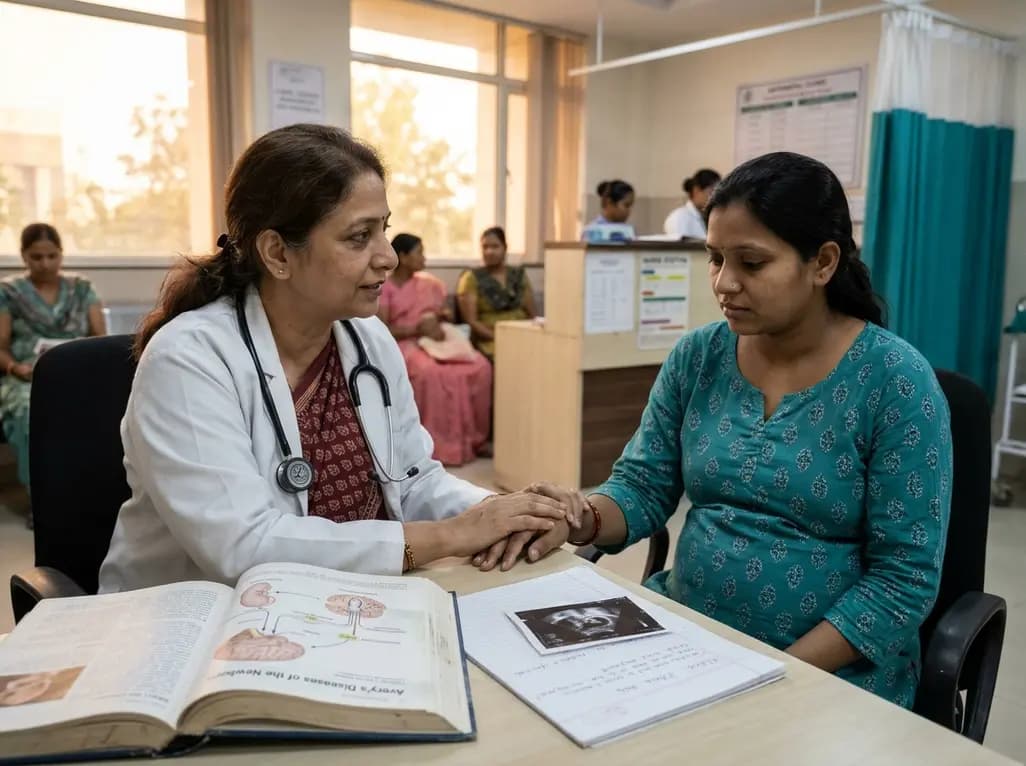
A comprehensive scoping review synthesises evidence linking prenatal maternal mental health to long-term offspring neurodevelopment, evaluating neuroendocrine, inflammatory, and epigenetic pathways while highlighting clinical screening and future research priorities.
Today
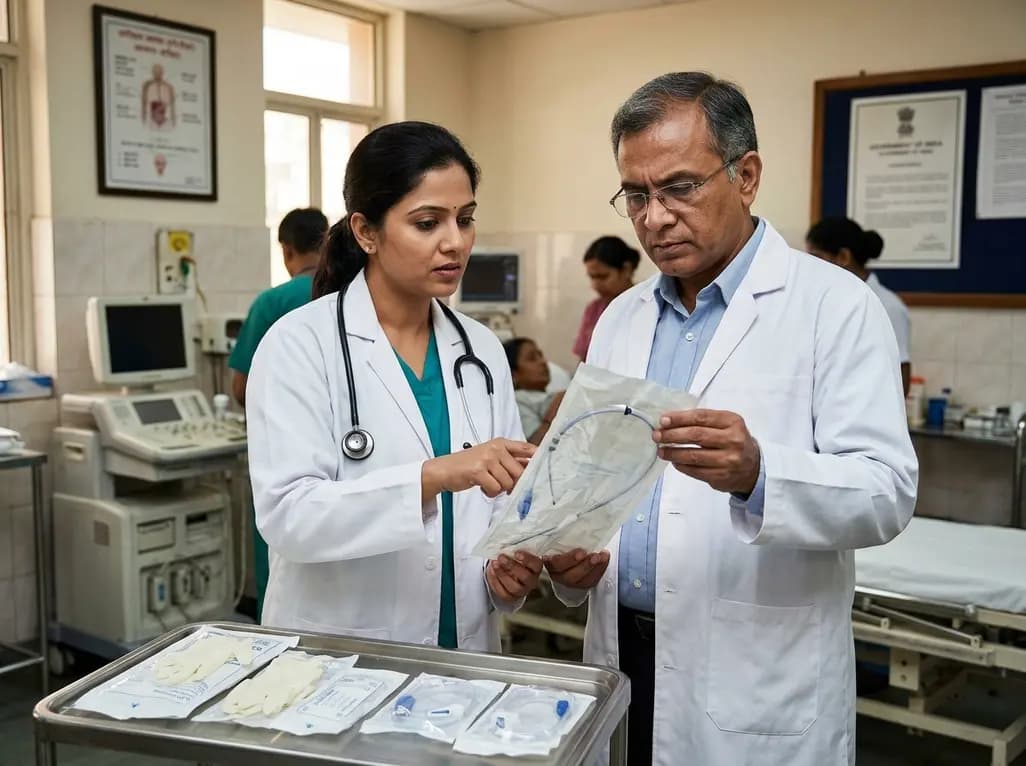
The Directorate General of Health Services directs Indian states to halt the hazardous reuse and reprocessing of single-use medical devices. Discover regulatory implications under the Drugs and Cosmetics Act, critical infection risks, legal liabilities, and operational changes required across clinical specialties.
Today
A 25-year multi-institutional cohort reveals high recurrence rates in pediatric giant cell tumor of bone, particularly in patients with open physes and bone marrow edema on preoperative MRI. Early surveillance and careful balance between growth plate preservation and tumor clearance are essential.
Today

India is advancing preventive healthcare by integrating genomics, artificial intelligence, and quantum technologies. With the SANGAM programme sequencing one million Indian genomes, clinicians can unlock personalized therapies, detect cardiometabolic risks early, and curb the burden of diabetes and heart disease.
Today
