.webp&w=384&q=75)

Loading, please wait...
Loading, please wait...

A recent multicenter study published in the Chinese Medical Journal provides a detailed comparison of liver cancer management outcomes between China and the United States. However, these outcomes vary significantly based on regional practices. Consequently, researchers analyzed 4,951 patients from China and 18,365 from the US. Specifically, the data indicates that China achieved higher surgery rates. Furthermore, stage-specific survival was also superior in the Chinese cohort. Therefore, this comparison offers valuable insights for global oncology. Additionally, the study tracked patients until 2023. In contrast, previous studies lacked such comprehensive data. Moreover, the results highlight a disparity in treatment access. Thus, the study is a landmark in hepatology.
In the Chinese cohort, surgeons frequently utilized resection. For example, surgery was performed in 37.3% of cases. Additionally, interventional therapy accounted for 32.1% of treatments. Moreover, chemotherapy and radiofrequency ablation were common. However, survival rates dropped as the stage increased. Notably, the 5-year survival for stage I was 48.1%. But, it fell to 8.0% for stage IV. Because of this decline, early detection remains critical. Consequently, screening programs must be prioritized. Furthermore, the stage at diagnosis dictates the success of therapy.
Notably, surgical intervention acts as a primary prognostic factor. For instance, China reported higher surgery rates across all stages. Specifically, stage I surgery rates reached 59.2%. Furthermore, the study suggests that aggressive surgical approaches contribute to better survival. Consequently, clinicians should emphasize early referral. In addition, improving access to these procedures is essential. Moreover, data confirmed that surgery improves prognosis in both countries. Therefore, curative intent should be the primary goal. Indeed, this finding is consistent across both cohorts. Improving liver cancer management outcomes requires this focused approach.
Finally, the research underscores an urgent need for early diagnosis. Although outcomes are improving, liver cancer remains lethal. Therefore, integrating surveillance into routine care is necessary. Moreover, focusing on curative treatments like surgery will enhance survival. In conclusion, early intervention is the key to mastering these results. Thus, healthcare systems should refine their oncology pathways. Ultimately, better management leads to better lives for patients globally.
The 5-year survival rates were 48.1% for stage I, 37.8% for stage II, 24.0% for stage III, and 8.0% for stage IV patients.
The study found that China had higher surgery rates and higher stage-specific survival for liver cancer patients across all stages compared to the US cohort.
Common treatments included surgery (37.3%), interventional therapy (32.1%), chemotherapy (17.4%), and radiofrequency ablation (6.9%).
Disclaimer: This content is for informational and educational purposes only and does not constitute medical advice or a professional relationship. Always seek the advice of a qualified healthcare provider for any questions regarding a medical condition. Refer to the latest local and national guidelines for clinical practice.
References
1. Xu M et al. Management and outcomes of patients with liver cancer in China and the United States. Chin Med J (Engl). 2026 Apr 01. doi: 10.1097/CM9.0000000000004096. PMID: 41922917.
2. Shan T, Ran X, Li H, et al. Disparities in stage at diagnosis for liver cancer in China. J Natl Cancer Cent. 2023;3(1):7-13.
3. Llovet JM, Kelley RK, Villanueva A, et al. Hepatocellular carcinoma. Nat Rev Dis Primers. 2021;7(1):6. doi: 10.1038/s41572-020-00240-3.

Read summarized clinical updates, watch expert medical content, and earn CME certifications right from your smartphone.
Open your smartphone camera to scan and install.





A comprehensive multicenter analysis compares liver cancer treatment patterns and 5-year survival rates between China and the United States....
6 months ago
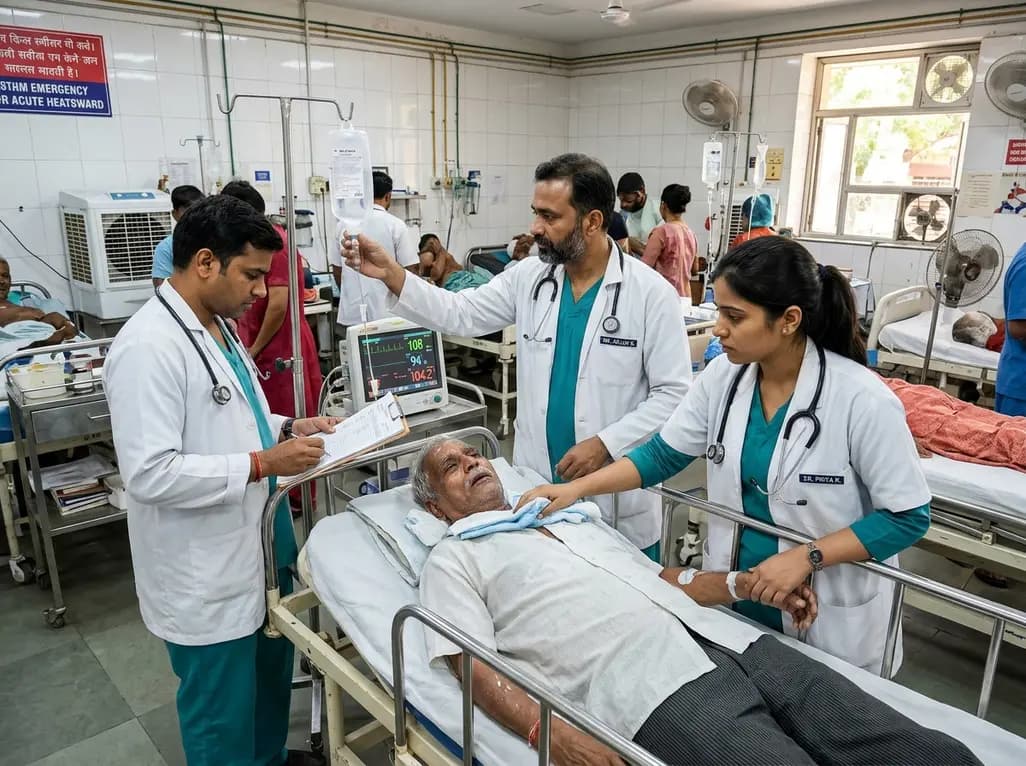
Recent epidemiological data reveals a dramatic surge in summer heat mortality driven by human-induced climate warming. This analysis explores the pathophysiological impacts on cardiac and renal systems, diagnostic dilemmas in death certification, and essential emergency cooling protocols for acute clinical care.
Today
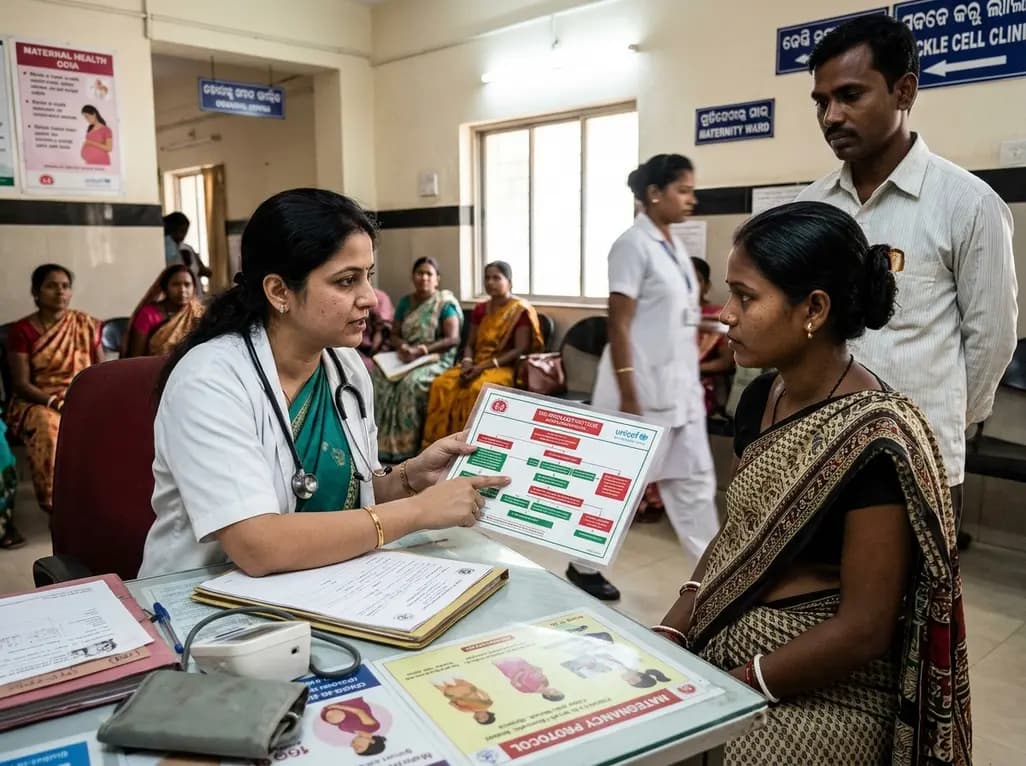
Odisha has established India's first state-level clinical protocol specifically tailored for pregnant women with sickle cell disease. Developed with NHM and UNICEF, the framework provides structured antenatal screening, crisis mitigation, standardized referral pathways, and specialized interdisciplinary care.
Today

India is advancing preventive healthcare by integrating genomics, artificial intelligence, and quantum technologies. With the SANGAM programme sequencing one million Indian genomes, clinicians can unlock personalized therapies, detect cardiometabolic risks early, and curb the burden of diabetes and heart disease.
Today
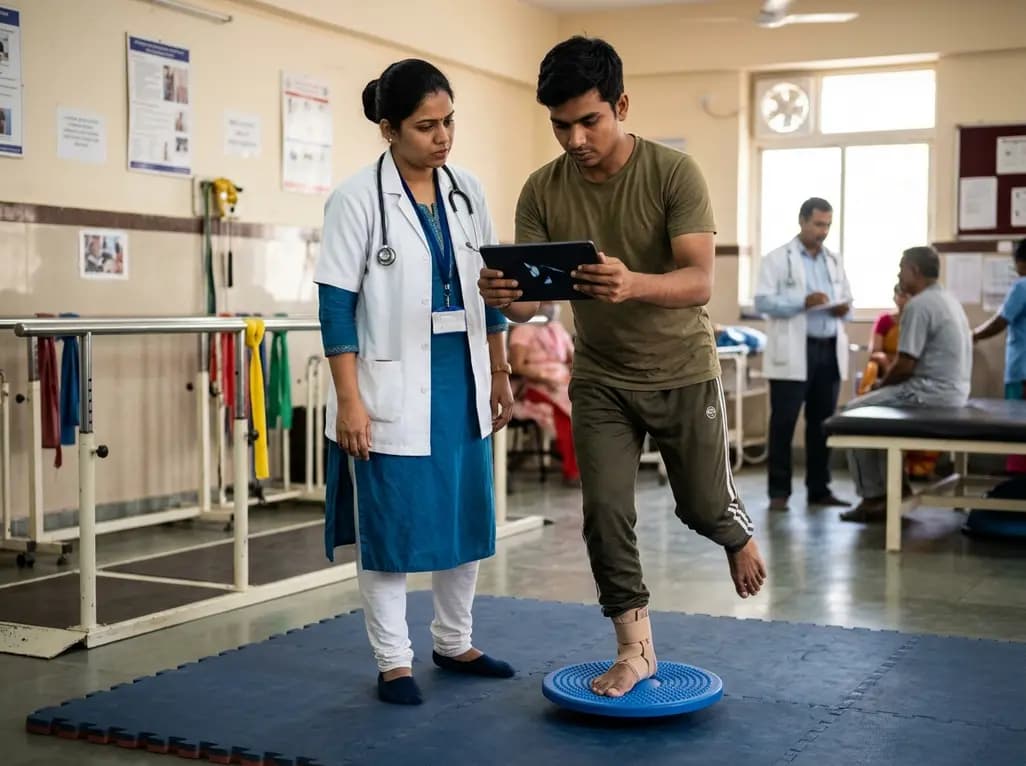
A randomized controlled trial demonstrates that an eight-week dual-task training intervention significantly improves static and dynamic postural control over standard balance exercises in individuals with chronic ankle instability, addressing critical neurocognitive deficits during athletic and daily activities.
Today

A retrospective cohort study of 7,716 ICU patients from the MIMIC-IV database demonstrates that Gradient Boosting Decision Trees significantly outperform traditional SOFA scores in predicting in-hospital mortality among patients with sepsis and diabetes, with SHAP analysis providing clinical interpretability.
Today
