.webp&w=384&q=75)

Loading, please wait...
Loading, please wait...
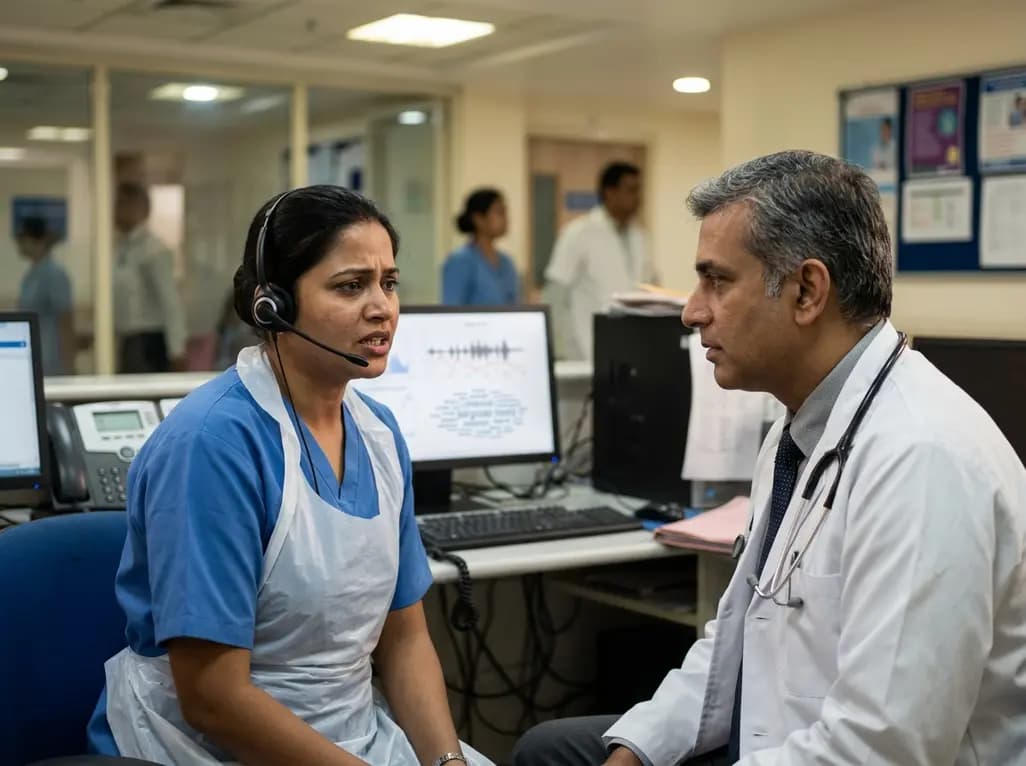
Emergency call takers and dispatchers (ECDs) represent the critical first link in the chain of emergency response. While they are often physically removed from the scene, they are routinely exposed to emotionally intense and highly stressful events through auditory channels. This chronic exposure places them at an elevated risk for mental health challenges, including depression, anxiety, and post-traumatic stress. Despite their essential role, ECDs remain significantly underrepresented in occupational mental health research. Understanding why some individuals adapt effectively while others succumb to psychological distress is vital for workforce sustainability. Recent research suggests that linguistic markers of distress can provide deep insights into the internal emotional states of these professionals. By analyzing the narratives of stressful work events, researchers can identify subtle patterns that signal underlying psychological vulnerability long before clinical symptoms become overt.
Cognitive appraisal theory offers a framework for understanding how individuals evaluate and respond to external stimuli. According to this theory, the way a person interprets a stressful event determines their emotional reaction. Specifically, emotional reactivity is often measured through two dimensions: arousal and valence. Arousal refers to the physiological and psychological state of being awake or reactive to stimuli, ranging from calm to excited. Valence describes the intrinsic attractiveness or aversiveness of an event, ranging from positive to negative. In the context of emergency dispatch, every call requires a rapid appraisal of risk and urgency. However, the internal processing of these events varies among individuals. Some dispatchers may perceive a call as a manageable challenge, while others may interpret it through a lens of high negative valence. These differences in emotional reactivity are not just subjective experiences; they manifest in the very language individuals use to describe their work. Consequently, studying these linguistic choices provides an unobtrusive window into the dispatcher's mental health status.
To quantify these emotional dimensions, researchers utilized natural language processing (NLP) to analyze open-ended narratives provided by ECDs. This method allows for the objective measurement of linguistic markers of distress by categorizing words based on their emotional weight. For example, high-arousal language includes words that signify intense energy or alarm, whereas negatively valenced language involves terms associated with sadness, failure, or fear. Surprisingly, the study found that high-arousal language did not correlate strongly with clinical symptoms of depression or anxiety. Instead, the usage of negatively valenced language emerged as a much more reliable predictor. This suggests that the emotional "charge" or intensity of a memory (arousal) is less indicative of long-term psychological harm than the persistent negative framing of that memory (valence). Therefore, when a dispatcher repeatedly uses language that focuses on negative outcomes or emotions, it serves as a red flag for their overall well-being. This distinction is crucial for developing targeted screening tools that prioritize valence over mere excitement or stress levels.
The core findings of the study revealed that greater use of negatively valenced language significantly predicted higher scores on the Depression, Anxiety, and Stress Scale (DASS-21). Specifically, those individuals who fell into the moderate-to-high categories for depression and anxiety used significantly more negative language compared to their colleagues below the clinical threshold. Interestingly, positively valenced language—words associated with success, relief, or hope—did not have a protective or predictive relationship with these mental health outcomes in this specific cohort. This finding highlights a potential "negativity bias" in individuals suffering from distress, where they are more likely to utilize and recall negative descriptors. For clinicians and occupational health experts, this means that the absence of positive language is less telling than the presence of negative language. By monitoring these specific linguistic markers, organizations can identify at-risk employees who may not yet be aware of their own psychological decline. This proactive approach allows for early intervention and support, potentially preventing the progression to more severe mental health conditions.
One of the more intriguing results of the study was that stress symptoms were not significantly predicted by any of the linguistic markers tested. While depression and anxiety were clearly linked to negative valence, general stress appeared to be more elusive in narrative analysis. This discrepancy might suggest that stress is viewed as an inherent and expected part of the job for emergency call takers. Because they are trained to operate under high-pressure conditions, their linguistic expression of stress might be standardized or suppressed. Furthermore, while depression and anxiety often involve internalized negative self-evaluations, stress is frequently perceived as an external pressure. This externalization may lead to different linguistic patterns that were not captured by the current valence and arousal models. Consequently, it is essential to distinguish between the normal occupational stress of the role and the pathological distress that leads to clinical anxiety and depression. Understanding this gap helps in refining NLP algorithms to ensure they are specifically detecting signs of clinical concern rather than just the baseline high-stakes environment of emergency services.
The potential for language-based tools in the workplace is immense, especially for high-stress professions like emergency dispatching. These tools offer a scalable, unobtrusive, and cost-effective method for early detection of mental health struggles. Unlike traditional self-report surveys, which can be subject to social desirability bias or the stigma of "admitting weakness," linguistic analysis looks at natural communication patterns. If implemented carefully, such systems could flag when an individual’s narrative style shifts toward high negative valence, prompting a check-in with a mental health professional. Moreover, these findings support the development of resilience-building programs that focus on cognitive reappraisal. If negative valence is the primary driver of distress, training dispatchers to reframe their narratives—focusing on their agency and successful outcomes—might mitigate the development of depression and anxiety. Ultimately, integrating linguistic markers of distress into occupational health strategies could revolutionize how we support the critical workforce that keeps our communities safe.
Negative valence reflects an internalized emotional appraisal of events, which is a hallmark of depression and anxiety. In contrast, stress is often viewed as an external, expected professional demand. Therefore, the way individuals describe their emotional state provides a more direct window into clinical distress than general descriptions of work-related pressure.
High-arousal language is common in emergency dispatch narratives due to the nature of the work. Because high-intensity events are baseline for this profession, arousal markers may lose their discriminative power. This suggests that emotional "intensity" is less harmful than the underlying "negativity" of how an event is processed cognitively.
NLP tools are intended to complement, not replace, clinical assessments. They provide a scalable, unobtrusive method for early detection and continuous monitoring. This allows for timely interventions in high-risk populations, but a definitive diagnosis still requires a comprehensive evaluation by a qualified mental health professional using standardized clinical tools.
Disclaimer: This content is for informational and educational purposes only and does not constitute medical advice, diagnosis, or treatment. Always seek the advice of your physician or other qualified health provider with any questions you may have regarding a medical condition. Refer to the latest local and national guidelines for clinical practice.
References
Ta-Johnson VP et al. Linguistic markers of emotional reactivity and their association with anxiety, depression, and stress among emergency call takers and dispatchers. PLoS One. 2026. doi: 10.1371/journal.pone.0350551. PMID: 42418370.
Lazarus RS, Folkman S. Stress, Appraisal, and Coping. Springer Publishing Company. 1984.
Pennebaker JW, Chung CK. Expressive writing: Connections to physical and mental health. Oxford University Press. 2011.
Russell JA. A circumplex model of affect. Journal of Personality and Social Psychology. 1980;39(6):1161-1178.

Read summarized clinical updates, watch expert medical content, and earn CME certifications right from your smartphone.
Open your smartphone camera to scan and install.





Emergency call takers face chronic stress. New research uses natural language processing to identify linguistic markers of distress, finding that negatively valenced language—but not arousal levels—significantly predicts depression and anxiety, offering new paths for unobtrusive mental health screening.
3 months ago
Recent epidemiological data reveals a dramatic surge in summer heat mortality driven by human-induced climate warming. This analysis explores the pathophysiological impacts on cardiac and renal systems, diagnostic dilemmas in death certification, and essential emergency cooling protocols for acute clinical care.
Today

Odisha has established India's first state-level clinical protocol specifically tailored for pregnant women with sickle cell disease. Developed with NHM and UNICEF, the framework provides structured antenatal screening, crisis mitigation, standardized referral pathways, and specialized interdisciplinary care.
Today

India is advancing preventive healthcare by integrating genomics, artificial intelligence, and quantum technologies. With the SANGAM programme sequencing one million Indian genomes, clinicians can unlock personalized therapies, detect cardiometabolic risks early, and curb the burden of diabetes and heart disease.
Today

A randomized controlled trial demonstrates that an eight-week dual-task training intervention significantly improves static and dynamic postural control over standard balance exercises in individuals with chronic ankle instability, addressing critical neurocognitive deficits during athletic and daily activities.
Today

A retrospective cohort study of 7,716 ICU patients from the MIMIC-IV database demonstrates that Gradient Boosting Decision Trees significantly outperform traditional SOFA scores in predicting in-hospital mortality among patients with sepsis and diabetes, with SHAP analysis providing clinical interpretability.
Today
