.webp&w=384&q=75)

Loading, please wait...
Loading, please wait...

Adoptive cell therapy with autologous tumor-infiltrating lymphocytes represents a breakthrough for metastatic melanoma progressing after checkpoint inhibition. Lifileucel delivers significant clinical benefits, yet the multi-step regimen involves nonmyeloablative lymphodepletion followed by high-dose interleukin-2 support. While acute inpatient complications are well documented, oncologists require clearer insight into lifileucel outpatient toxicity after patient discharge. Recent evidence highlights safety outcomes following hospital discharge, offering actionable guidance for community and tertiary oncology practices managing long-term recovery.
Tumor-infiltrating lymphocyte protocols require aggressive preparatory conditioning with cyclophosphamide and fludarabine. Subsequently, clinicians infuse harvested autologous lymphocytes and administer consecutive doses of high-dose interleukin-2. Consequently, severe inpatient toxicities such as cytopenias, capillary leak syndrome, and acute infections occur frequently during the initial hospital admission. Most acute physiological perturbations resolve before hospital release. However, cellular therapy teams often face uncertainty regarding delayed toxicities once individuals transition back to home environments. Understanding delayed complications is essential because late cytopenias or systemic inflammatory sequelae can emerge weeks after completing treatment. Therefore, comprehensive post-discharge surveillance ensures patient safety without unnecessarily prolonging high-acuity inpatient stays. Additionally, oncologists must distinguish between normal recovery kinetics and emerging complications requiring active intervention. A structured outpatient plan bridges the critical gap between inpatient cell infusion and standard ambulatory surveillance. By establishing clear follow-up intervals, clinicians can safely supervise immune reconstitution while supporting patient quality of life at home.
Hospital discharge criteria for lifileucel recipients typically mandate hemodynamic stability, recovery from acute cytokine release, and afebrile status. Nevertheless, the prolonged biological impact of lymphodepletion persists well beyond initial discharge. Patients frequently return home while their bone marrow reserves and cellular immunity slowly recover. Furthermore, clinicians must remain vigilant for late-onset organ toxicities, microangiopathic complications, and secondary infections. In a major retrospective cohort from Memorial Sloan Kettering Cancer Center, researchers tracked patients receiving investigational or commercial lifileucel across a median follow-up of five months. Importantly, the study analyzed the precise timeline and incidence of new adverse events occurring after discharge. These observations provide reassuring clarity for cancer care teams. While acute hospital courses remain intensive, the outpatient phase exhibits a distinctly milder toxicity trajectory compared to traditional allogeneic stem cell therapies. Consequently, specialized centers can develop tailored discharge pathways that balance safety with patient comfort.
Clinical data demonstrate that new severe complications occur infrequently after hospital discharge. Specifically, only 3.9 percent of discharged patients developed new grade 3 treatment-related adverse events during long-term monitoring. For instance, documented severe complications included delayed grade 3 neutropenia arising at day 73 and grade 3 hypoxia occurring at day 104 post-discharge. Moreover, the delayed hypoxic event stemmed from pleural effusions secondary to renal thrombotic microangiopathy, illustrating the complexity of rare late toxicities. Fortunately, life-threatening grade 4 or grade 5 events were absent during the ambulatory recovery period. Consequently, these findings confirm that the most severe treatment-related organ injuries remain largely confined to the initial inpatient phase. Thus, clinicians can reassure recovering individuals while maintaining periodic laboratory and clinical assessments to catch rare delayed toxicities early. Proactive patient education regarding warning symptoms ensures rapid reporting and timely outpatient evaluation before minor issues escalate into severe complications.
Although severe organ toxicities remain rare, hematologic recovery represents the most common ongoing outpatient management need. In the analyzed cohort, nearly one-quarter of patients required ambulatory blood product transfusions following hospital discharge. Specifically, 24 percent of individuals received outpatient supportive transfusions, including a median of two units of packed red blood cells and four units of platelets. Furthermore, approximately 11 percent of patients required packed red blood cell transfusions within the first thirty days post-discharge. In contrast, only 5.7 percent required early platelet transfusions during that initial monthly window. Therefore, oncologists must arrange frequent outpatient complete blood counts, especially during the first six to eight weeks at home. Proactive transfusion support prevents symptomatic anemia and bleeding risks, thereby facilitating smooth functional rehabilitation in the ambulatory setting. Close coordination between outpatient infusion suites and clinical hematology laboratories ensures seamless supportive care delivery.
Unplanned hospital readmissions represent a critical quality metric in cellular therapy programs. Across the study cohort, only 7.8 percent of patients required hospital readmission for treatment-related adverse events. Specifically, readmissions occurred at a median of 49 days post-discharge and were driven primarily by cytopenias, dyspnea, and syncope. Meanwhile, disease progression accounted for additional readmissions, highlighting the need to distinguish cancer progression from therapy complications. Because treatment-related readmission rates remain relatively modest, outpatient monitoring schedules can be tailored safely. Unlike chimeric antigen receptor T-cell therapies that require rigid multi-week institutional proximity, lifileucel surveillance can transition to individualized outpatient visits. Consequently, community oncology centers can collaborate effectively with tertiary cellular therapy units to deliver high-quality, continuous follow-up care. Shared-care models reduce travel burdens for patients while maintaining robust specialist oversight throughout recovery.
Implementing standardized outpatient protocols optimizes patient safety while reducing unnecessary healthcare utilization. First, clinical teams should establish weekly laboratory monitoring during the initial month post-discharge, focusing on complete blood counts and renal function. Second, oncology nurses should educate patients and caregivers on recognizing signs of delayed infection, shortness of breath, and fatigue. Third, multidisciplinary teams must maintain clear communication channels with primary care physicians and regional cancer centers. In resource-conscious healthcare environments, such as specialized oncology centers across India and emerging economies, establishing decentralized monitoring pathways enhances access to cell therapies. As adoptive cell therapies expand globally, creating evidence-based post-discharge guidelines ensures safe dissemination beyond academic institutions. Therefore, structured outpatient algorithms empower clinicians to manage lifileucel safely in routine clinical workflows while maintaining high clinical standards.
Severe delayed adverse events are uncommon among patients discharged following lifileucel infusion. Clinical studies demonstrate that only about 3.9 percent of patients develop new grade 3 treatment-related toxicities, such as delayed neutropenia or hypoxia. Grade 4 and grade 5 events are exceptionally rare in the outpatient setting. Consequently, most life-threatening complications occur and resolve during the initial inpatient hospitalization, allowing for manageable ambulatory recovery under routine clinical supervision.
Approximately 24 percent of patients require outpatient blood product transfusions after discharge from lifileucel therapy. Patients commonly receive a median of two units of packed red blood cells and four units of platelets during recovery. Most transfusions occur within the first month due to residual bone marrow suppression from conditioning chemotherapy. Therefore, oncology teams should schedule weekly hematologic assessments during early convalescence to provide timely supportive transfusions.
Treatment-related hospital readmissions occur in approximately 7.8 percent of patients at a median of 49 days post-discharge. The most frequent causes include persistent cytopenias, unexplained dyspnea, and syncope. Additionally, disease progression accounts for separate hospitalizations in some advanced melanoma cases. Clinicians must perform comprehensive clinical evaluations to differentiate treatment-related adverse events from disease progression, ensuring appropriate therapeutic management and rapid resolution of symptoms.
Disclaimer: This content is for informational and educational purposes only and does not constitute medical advice. Healthcare professionals should exercise their independent clinical judgment. Refer to the latest local and national guidelines for clinical practice.
References

Read summarized clinical updates, watch expert medical content, and earn CME certifications right from your smartphone.
Open your smartphone camera to scan and install.





A retrospective study reveals low rates of severe delayed adverse events and readmissions after lifileucel therapy for melanoma, though 24% require outpatient transfusions.
last month

Pancreatic cancer cachexia affects over 80% of patients, driving severe muscle wasting, systemic inflammation, and treatment intolerance. This review highlights key pathophysiological drivers, exocrine insufficiency, objective CT imaging, and emerging therapies like GDF-15 inhibitors to improve clinical outcomes.
Today

A retrospective cohort study evaluated 1,000 low-risk singleton births to assess maternal and neonatal outcomes during office-hours versus off-hours. Off-hours deliveries were significantly associated with higher odds of intrapartum cesarean sections and episiotomies, highlighting critical obstetric staffing considerations.
Today
Procedural success in panvascular intervention does not guarantee vessel stability. The tri-ecological framework introduces vascular device suitcordance and the Suitcordance Score, matching mechanical, cellular, and physicochemical-immune dynamics to restore true vessel homeostasis and prevent late failures.
Today

Researchers have engineered an artificial sensory-pain integrated receptor using a multi-threshold organic synaptic transistor. The system distinguishes benign touch from noxious stimuli, enabling safer, more responsive prosthetic limbs with built-in memory and simplified hardware architecture.
Today
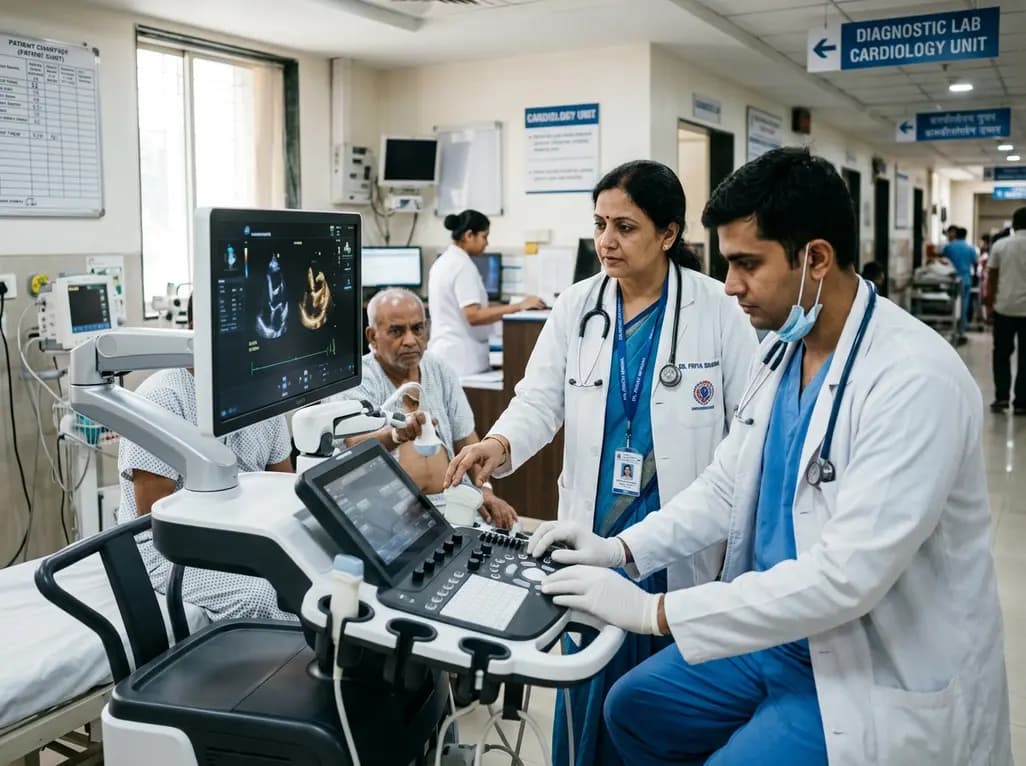
Medical robotics is transitioning beyond operative suites into diagnostics, cardiology, and endocrinology. Explore how innovations in tele-robotics, AI integration, and nanomedicine are overcoming geographical barriers and transforming precision healthcare delivery across India's evolving disease landscape.
Today
