.webp&w=384&q=75)

Loading, please wait...
Loading, please wait...

Modern panvascular interventions restore luminal dimensions, yet simple mechanical expansion cannot ensure permanent biological stability. Today, clinicians recognize that acute procedural success often masks persistent subclinical vascular injury. Consequently, researchers have introduced the revolutionary concept of vascular device suitcordance to address late device failures. This dynamic paradigm shifts the interventional focus from immediate luminal gain toward harmonious, long-term biological recovery within native arterial tissue.
Historically, interventional specialists prioritized acute luminal gain as the primary measure of procedural efficacy. However, endovascular implants interact continuously with pulsating vessels long after balloon deflation. When metallic struts or synthetic grafts alter arterial compliance, they trigger ongoing wall stress. Therefore, mechanical success does not automatically reestablish regional vascular homeostasis. In addition, rigid metallic prostheses frequently disrupt natural vasomotion and laminar shear stress. Consequently, patients remain vulnerable to in-stent restenosis, neoatherosclerosis, and sudden thrombotic occlusion months after hospital discharge. Clinicians increasingly recognize that vascular implants act as active foreign environments rather than inert structural scaffolds. Furthermore, chronic mismatch between artificial biomaterials and dynamic vascular tissue sustains pathological biological responses. Hence, sustainable vascular repair requires a deep understanding of chronic tissue adaptation. By moving beyond short-term luminal patency, the medical community can better prevent devastating late device failures. Thus, evaluating durable tissue-device harmony has become an urgent clinical priority.
To explain complex vascular-implant interactions, investigators introduced the tri-ecological framework. This model asserts that durable device performance depends entirely on coordinated balance across three interdependent domains. First, the mechanical ecology governs compliance matching, cyclic fatigue, and local shear stress distribution. Second, the cellular ecology oversees endothelial regeneration, smooth muscle cell phenotype switching, and adventitial remodeling. Third, the physicochemical-immune ecology controls protein adsorption, macrophage polarization, foreign body responses, and localized cytokine cascades. Crucially, disturbance within any single domain rapidly destabilizes the other two systems. For instance, abnormal mechanical strain triggers severe endothelial denudation and pro-inflammatory signaling. In response, persistent local inflammation accelerates pathologic smooth muscle migration and eventual luminal renarrowing. Conversely, a biocompatible material surface encourages prompt endothelialization, which dampens adverse immune activation and preserves physiological vasoreactivity. Therefore, true vascular healing requires simultaneous rebalancing across all three ecologies over time.
Achieving vascular device suitcordance requires a precise spatiotemporal match between device properties and native vascular biology. Specifically, interventional devices must adapt to unique anatomical characteristics across diverse panvascular territories. For example, coronary arteries experience constant three-dimensional twisting, whereas femoropopliteal arteries endure severe axial compression and elongation. Similarly, intracranial vessels possess distinct extracellular matrix compositions and delicate muscular layers. Consequently, a device designed for coronary anatomy cannot accommodate peripheral biomechanics without causing tissue damage. Furthermore, temporal alignment proves equally vital for optimal vascular repair. An ideal bioresorbable scaffold should provide robust radial support during early vessel remodeling, but degrade predictably as native cellular strength returns. If a device persists too long, it incites chronic foreign body inflammation and calcification. In contrast, premature mechanical degradation causes vessel recoil and acute structural collapse. Therefore, successful suitcordance demands that device degradation kinetics precisely parallel local biological healing curves.
To translate this conceptual ecological model into tangible clinical tools, researchers established the Suitcordance Score. This innovative metric quantifies the multidimensional compatibility between a specific device and an individual patient's lesion. In practice, the scoring system incorporates lesion biomechanics, flow dynamics, systemic inflammatory markers, and device degradation profiles. Furthermore, interventionalists can leverage artificial intelligence and high-resolution intravascular imaging to compute patient-specific scores pre-procedurally. Consequently, clinicians can simulate how different stents, drug-coated balloons, or bioprosthetic valves will behave in living tissue. In addition, this predictive modeling identifies patients at elevated risk for catastrophic late stent thrombosis or accelerated calcification. As a result, interventional operators can personalize their device selection rather than relying on one-size-fits-all strategies. Moreover, biomedical engineers can utilize this standardized scoring system to optimize future biomaterial synthesis and drug-eluting coatings. Ultimately, the Suitcordance Score provides an objective roadmap for patient-tailored vascular medicine.
The adoption of this tri-ecological approach holds profound relevance for contemporary clinical practice in India. South Asian populations face an aggressive, premature burden of diffuse coronary artery disease and diabetic peripheral vasculopathy. Furthermore, Indian patients frequently present with small vessel diameters, extensive diffuse calcification, and heightened baseline vascular inflammation. Consequently, conventional standard metallic stents often induce high rates of accelerated neoatherosclerosis and late target lesion revascularization. By implementing eco-rebalancing principles, Indian interventionalists can better assess complex lesion subsets before deployment. In addition, clinicians can select devices that actively mitigate local thrombogenicity and excessive neointimal proliferation. Moreover, understanding device-vessel concordance guides post-procedural pharmacotherapy, including tailored dual antiplatelet regimens and lipid-lowering targets. Hospital systems can also improve resource allocation by investing in biocompatible technologies that minimize secondary reinterventions. Ultimately, integrating eco-rebalancing into everyday interventional workflows will elevate clinical standards and enhance long-term patient survival nationwide.
Vascular-device suitcordance describes the dynamic spatiotemporal match between an endovascular device and the host artery. In clinical practice, this concept evaluates whether a stent, graft, or scaffold matches the vessel's biomechanical motion, cellular healing timeline, and immune environment. Rather than focusing solely on immediate technical expansion, clinicians assess whether the implant supports durable tissue integration and prevents chronic foreign body reactions throughout the patient's lifespan.
Incomplete eco-rebalancing occurs when an implant fails to harmonize with the local vascular environment. For instance, mismatched mechanical stiffness can disrupt natural laminar blood flow, which impairs endothelial recovery. Consequently, exposed bare struts trigger persistent platelet adhesion, immune cell activation, and localized inflammation. Without an intact, functional endothelial layer to produce antithrombotic mediators, the vessel remains chronically thrombogenic, dramatically elevating the danger of late stent thrombosis and catastrophic ischemic events.
The Suitcordance Score integrates lesion anatomy, plaque morphology, biomechanical stresses, and patient inflammatory profiles into a predictive computational metric. Interventionalists can evaluate this score using pre-procedural intravascular imaging and digital twin modeling. Consequently, operators can select an implant with matching compliance, optimal degradation kinetics, or tailored drug release. This customized approach minimizes biological mismatch, lowers restenosis rates, and improves long-term outcomes in complex patients.
Disclaimer: This content is for informational and educational purposes only. It is not intended to be a substitute for professional medical advice, diagnosis, or treatment. Always seek the advice of your physician or other qualified health provider with any questions you may have regarding a medical condition. Refer to the latest local and national guidelines for clinical practice.
References

Read summarized clinical updates, watch expert medical content, and earn CME certifications right from your smartphone.
Open your smartphone camera to scan and install.





Procedural success in panvascular intervention does not guarantee vessel stability. The tri-ecological framework introduces vascular device suitcordance and the Suitcordance Score, matching mechanical, cellular, and physicochemical-immune dynamics to restore true vessel homeostasis and prevent late failures.
Today
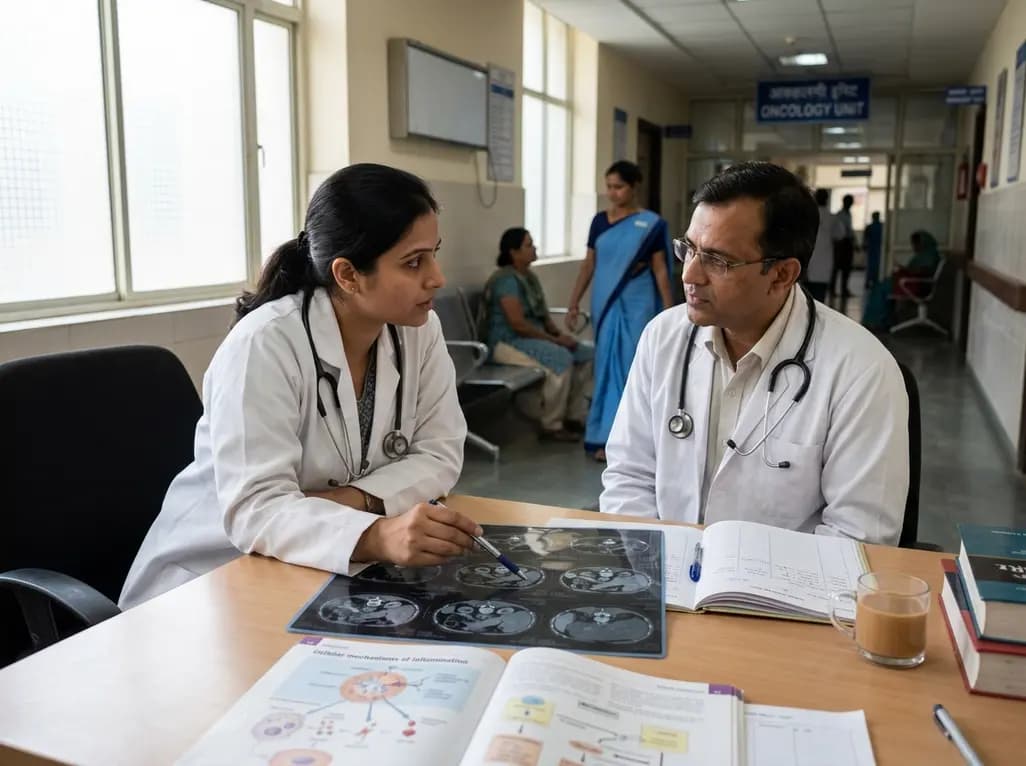
Pancreatic cancer cachexia affects over 80% of patients, driving severe muscle wasting, systemic inflammation, and treatment intolerance. This review highlights key pathophysiological drivers, exocrine insufficiency, objective CT imaging, and emerging therapies like GDF-15 inhibitors to improve clinical outcomes.
Today
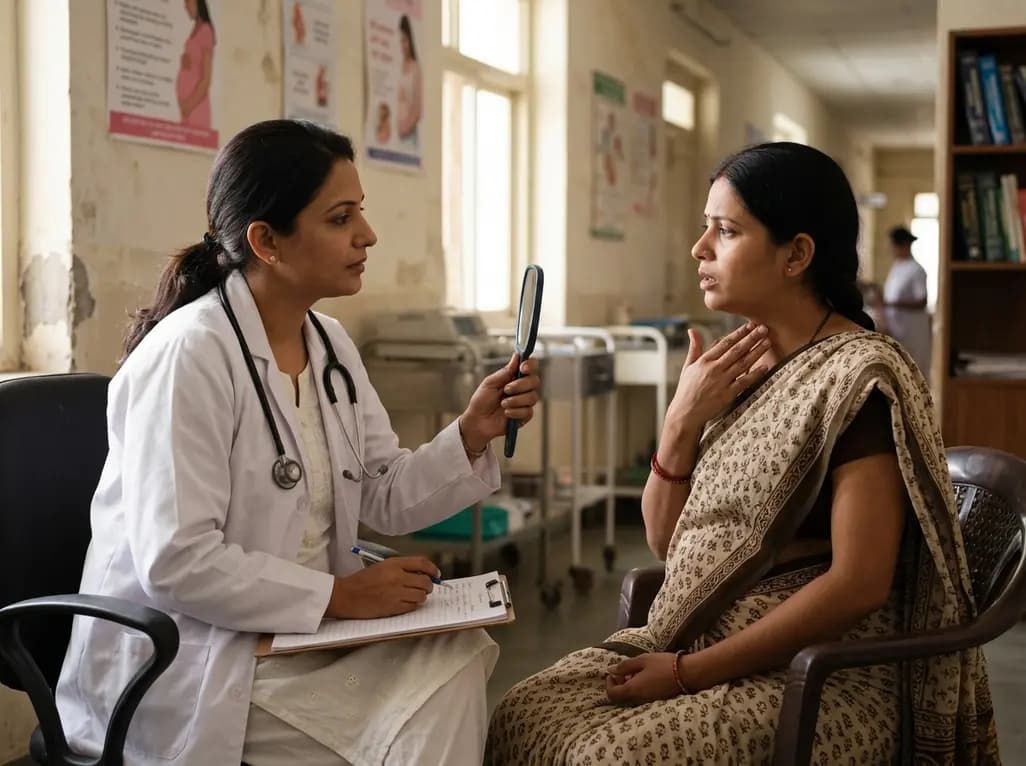
A scoping review reveals how pregnancy affects phonation through laryngeal edema and reduced phonation time rather than major acoustic pitch alterations. Learn how to identify, evaluate, and manage vocal symptoms in expectant mothers.
Today
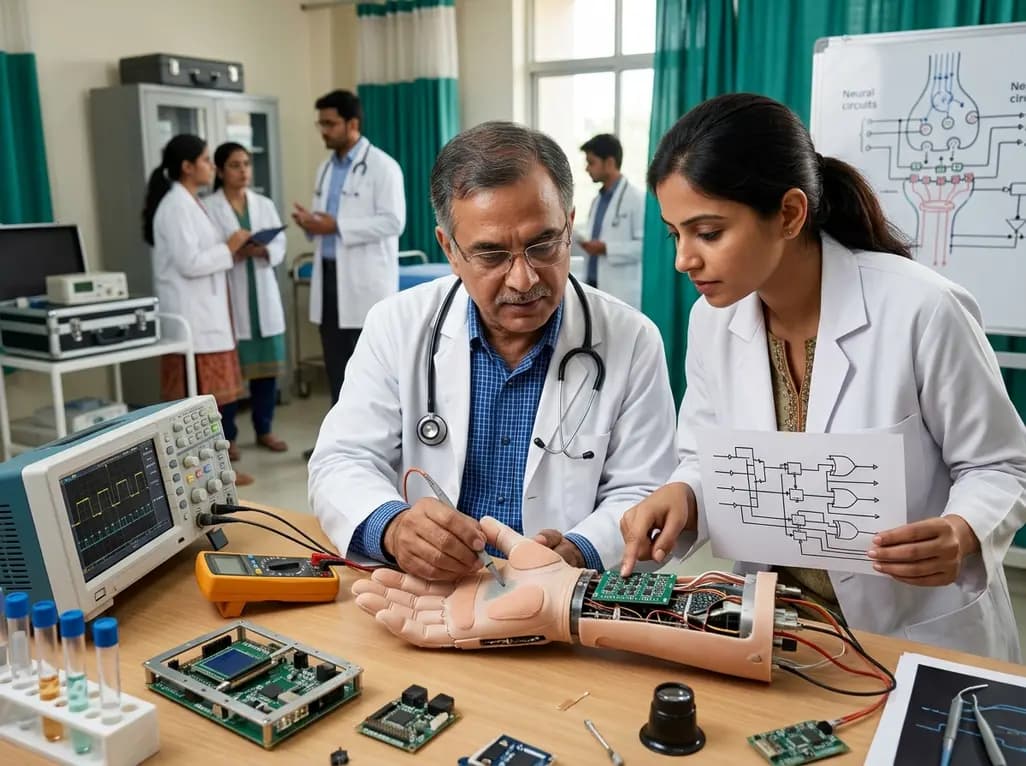
Researchers have engineered an artificial sensory-pain integrated receptor using a multi-threshold organic synaptic transistor. The system distinguishes benign touch from noxious stimuli, enabling safer, more responsive prosthetic limbs with built-in memory and simplified hardware architecture.
Today
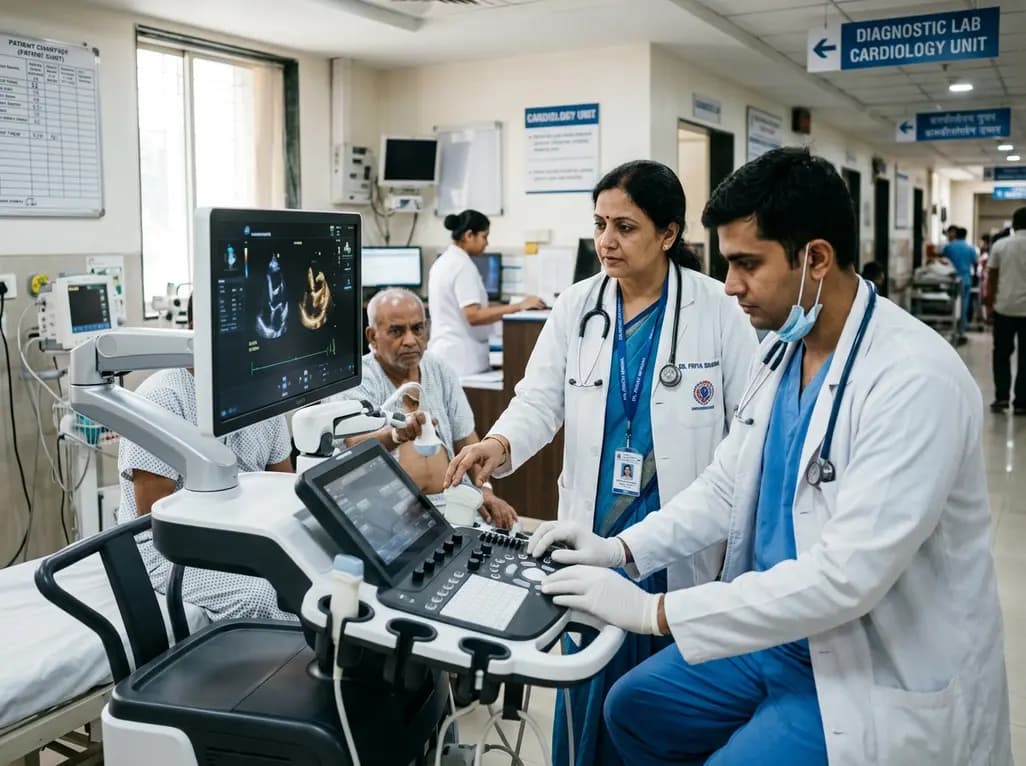
Medical robotics is transitioning beyond operative suites into diagnostics, cardiology, and endocrinology. Explore how innovations in tele-robotics, AI integration, and nanomedicine are overcoming geographical barriers and transforming precision healthcare delivery across India's evolving disease landscape.
Today
