.webp&w=384&q=75)

Loading, please wait...
Loading, please wait...
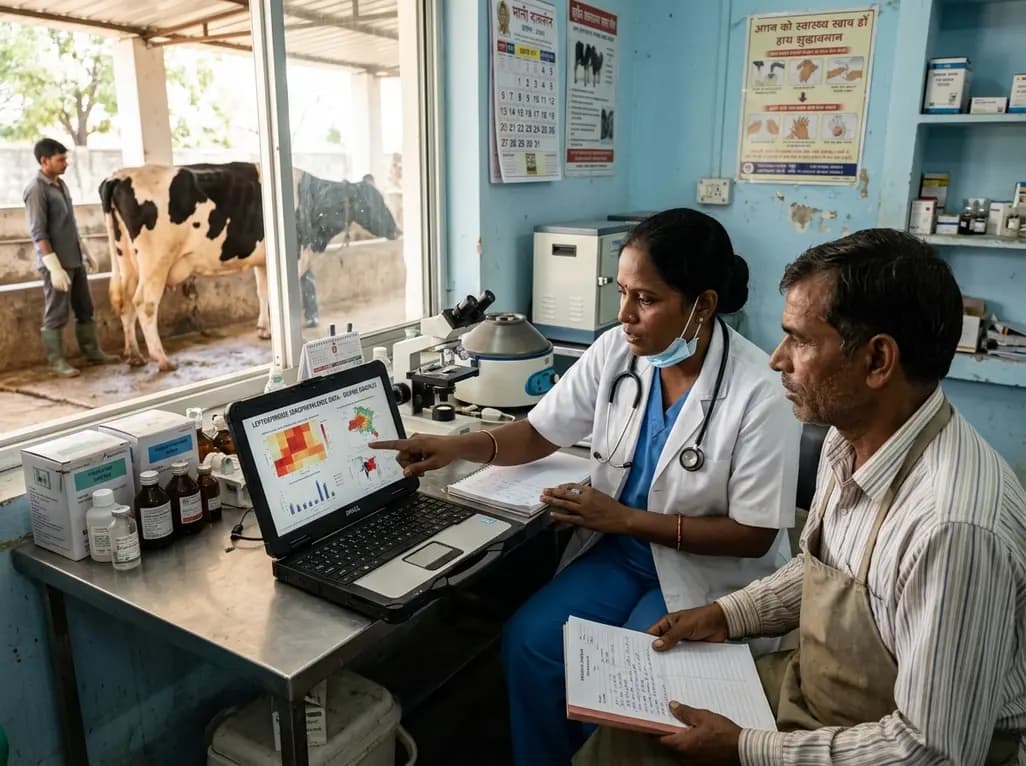
Leptospirosis remains a formidable zoonotic threat across tropical and subtropical regions. A recent epidemiological investigation evaluated leptospirosis exposure in cattle across peri-urban agricultural settings in Ho Chi Minh City, Viet Nam. Consequently, the findings provide vital insights into livestock reservoirs and occupational transmission hazards for agricultural workers, veterinarians, and rural healthcare practitioners.
The cross-sectional study evaluated 160 livestock herds, comprising 99 dairy herds and 61 beef herds, to determine herd-level seroprevalence. Overall, sixty dairy herds and twenty-eight beef herds showed serological reactivity using the microscopic agglutination test. Consequently, researchers estimated the true prevalence at 27 exposure-positive herds per 100 herds at risk. Furthermore, multivariable logistic regression identified significant exposure determinants across production systems. Specifically, dairy herds with a median cow age exceeding three years faced an odds ratio of 3.8 for seropositivity compared to younger cohorts. Moreover, prolonged exposure to environmental reservoirs and cumulative communal housing conditions contributed substantially to elevated titers in mature cattle. Therefore, mature milking cows serve as persistent domestic reservoirs within mixed agricultural environments. These robust epidemiological data confirm widespread endemic circulation of pathogenic spirochetes across livestock production systems.
Environmental conditions play a decisive role in maintaining spirochetal viability within tropical farming ecosystems. Leptospira species survive for weeks in moist soil and neutral surface water. Consequently, inadequate farm drainage and standing water pooling facilitate rapid bacterial dissemination across dairy facilities. In addition, rodents act as primary maintenance hosts, shedding spirochetes continuously through their urine into feed troughs and animal bedding. Cattle subsequently contract the infection through mucosal contact, abraded skin, or ingestion of contaminated pasture. Furthermore, agricultural laborers encounter severe occupational hazards during routine farm maintenance, milking, and waste disposal. Splashes of contaminated bovine urine directly infect human conjunctiva and cutaneous abrasions. Therefore, intense environmental contamination establishes a continuous transmission loop connecting rodents, cattle herds, and livestock handlers. Notably, monsoon flooding and poor sanitary biosecurity exponentially amplify these cross-species spillover events.
The interface between veterinary reservoirs and human communities demands an integrated One Health surveillance model. Because dairy farm workers experience daily contact with livestock urine and runoff, their occupational risk remains extraordinarily high. In addition, rural communities sharing water sources with nearby cattle farms face indirect exposure risks during seasonal rains. Pathogenic leptospires penetrate damaged epidermal barriers and rapidly disseminate through the human vascular system. Consequently, clinicians practicing in endemic agricultural belts frequently encounter severe sporadic clusters following animal outbreaks. Furthermore, subclinical infections in dairy cattle often mask intense urinary bacterial shedding, creating silent public health hazards. Therefore, human disease mitigation strictly depends on robust veterinary disease surveillance, regular herd screening, and comprehensive environmental management. Aligning veterinary public health initiatives with clinical medicine significantly improves early outbreak detection and community-wide preventive health strategies.
Human leptospirosis exhibits a biphasic clinical course ranging from mild febrile illness to life-threatening multiorgan dysfunction. Initially, patients present during the septicemic phase with abrupt high fevers, severe rigors, retro-orbital headaches, and pronounced calf myalgia. Furthermore, bilateral conjunctival suffusion without purulent discharge serves as a classic diagnostic hallmark. However, clinicians frequently misdiagnose this early presentation as dengue, malaria, scrub typhus, or viral hepatitis. Subsequently, five to ten percent of patients progress to the immune phase, manifesting severe Weil's disease. Consequently, severe cases develop acute renal failure, cholestatic jaundice, hemodynamic collapse, and pulmonary hemorrhage syndrome. Therefore, physicians must maintain a high index of suspicion in patients presenting with acute febrile illness and occupational exposure to livestock. Prompt recognition prevents rapid progression toward fatal diffuse alveolar hemorrhage and irreversible acute tubular necrosis.
Accurate confirmation requires a combination of serological testing, molecular assays, and routine biochemical monitoring. The microscopic agglutination test represents the definitive gold standard serological method, detecting fourfold titer elevations between acute and convalescent phases. In addition, real-time polymerase chain reaction assays accurately identify leptospiral DNA in blood or urine during the first week of infection. Meanwhile, clinical laboratories must monitor serum creatinine, total bilirubin, transaminases, and complete blood counts to assess organ involvement. For mild outpatient cases, clinicians prescribe oral doxycycline or azithromycin for seven continuous days. Conversely, severe hospitalized cases require immediate parenteral penicillin G or third-generation cephalosporins such as ceftriaxone. Furthermore, intensive supportive care, aggressive fluid resuscitation, renal replacement therapy, and lung-protective ventilation are critical for survival. Initiating antimicrobial therapy early substantially decreases mortality rates in severe leptospirosis.
Controlling leptospirosis demands comprehensive biosecurity protocols and active farm hygiene management. Specifically, farm managers must eliminate standing water bodies and install efficient drainage systems to prevent bacterial stagnation. Furthermore, aggressive rodent control programs using secure baiting and barrier protection substantially decrease reservoir density around animal feed stores. Routine cattle vaccination against prevalent regional serovars effectively limits bovine urinary shedding and prevents reproductive losses. Additionally, agricultural workers must wear personal protective equipment, including waterproof boots, gloves, and face shields during milking and barn sanitation. Public health authorities should also educate rural communities regarding the hazards of bathing or wading in agricultural runoff. Therefore, combining strict environmental hygiene, targeted animal immunization, and worker protection creates a resilient defense against zoonotic transmission. Sustained intersectoral collaboration ensures long-term public health security and livestock herd productivity.
Infected cattle shed live pathogenic Leptospira organisms intermittently through their urine into the farm environment. Farm workers contract the pathogen when contaminated urine or pooled wastewater splashes directly onto mucous membranes, conjunctiva, or abraded skin during milking, waste clearance, or animal handling. Consequently, inadequate personal protective equipment and unmanaged floor drainage significantly increase occupational transmission risks among dairy and beef herd handlers.
The microscopic agglutination test serves as the gold standard diagnostic method because it evaluates live leptospiral serovar suspensions against patient serum. Furthermore, it accurately identifies specific serogroups and provides quantitative agglutination titers. A fourfold increase in paired titers confirms acute infection definitively. However, because it requires live bacterial cultures and specialized dark-field microscopy, reference laboratories primarily conduct this complex serological assay.
Clinicians treat mild human leptospirosis with oral doxycycline at one hundred milligrams twice daily or azithromycin for seven days. For severe inpatient cases, physicians administer intravenous ceftriaxone at one to two grams daily or intravenous penicillin G. Early initiation within the first few days of symptom onset significantly reduces duration of fever, prevents renal complications, and minimizes the risk of mortality.
Disclaimer: This content is for informational and educational purposes only. It is not intended as personal medical advice or a substitute for professional clinical judgment. Diagnostic and therapeutic decisions should always be made by a qualified healthcare professional based on individual patient circumstances and valid diagnostic testing. Refer to the latest local and national guidelines for clinical practice.
References

Read summarized clinical updates, watch expert medical content, and earn CME certifications right from your smartphone.
Open your smartphone camera to scan and install.





A 2022 cross-sectional study reveals high herd-level leptospirosis exposure in cattle, underscoring critical zoonotic risks for agricultural workers and highlighting the need for robust One Health surveillance, biosecurity measures, and prompt clinical management.
4 weeks back

Emerging neuroenergetic research reveals that cognitive fatigue stems from local metabolic constraints and regional aerobic glycolysis rather than global resource depletion. This paradigm shift offers valuable clinical insights for managing chronic mental exhaustion, post-viral syndromes, and neurodegenerative fatigue.
Today

A scoping review reveals how pregnancy affects phonation through laryngeal edema and reduced phonation time rather than major acoustic pitch alterations. Learn how to identify, evaluate, and manage vocal symptoms in expectant mothers.
Today

According to WHO data, average lifespan reached 73.3 years in 2023, recovering from pandemic lows. However, healthy life expectancy lags at 62.8 years due to surging noncommunicable conditions like cardiovascular disease and dementia, demanding proactive primary screening and sustained chronic care.
Today
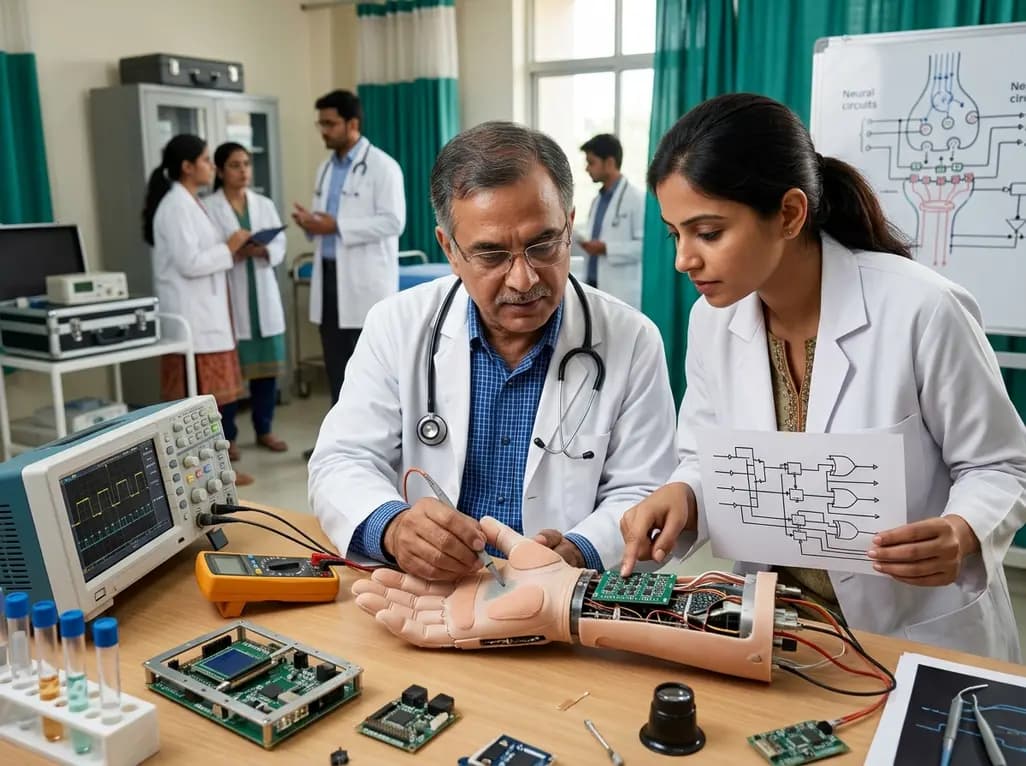
Researchers have engineered an artificial sensory-pain integrated receptor using a multi-threshold organic synaptic transistor. The system distinguishes benign touch from noxious stimuli, enabling safer, more responsive prosthetic limbs with built-in memory and simplified hardware architecture.
Today

Medical robotics is transitioning beyond operative suites into diagnostics, cardiology, and endocrinology. Explore how innovations in tele-robotics, AI integration, and nanomedicine are overcoming geographical barriers and transforming precision healthcare delivery across India's evolving disease landscape.
Today
