.webp&w=384&q=75)

Loading, please wait...
Loading, please wait...
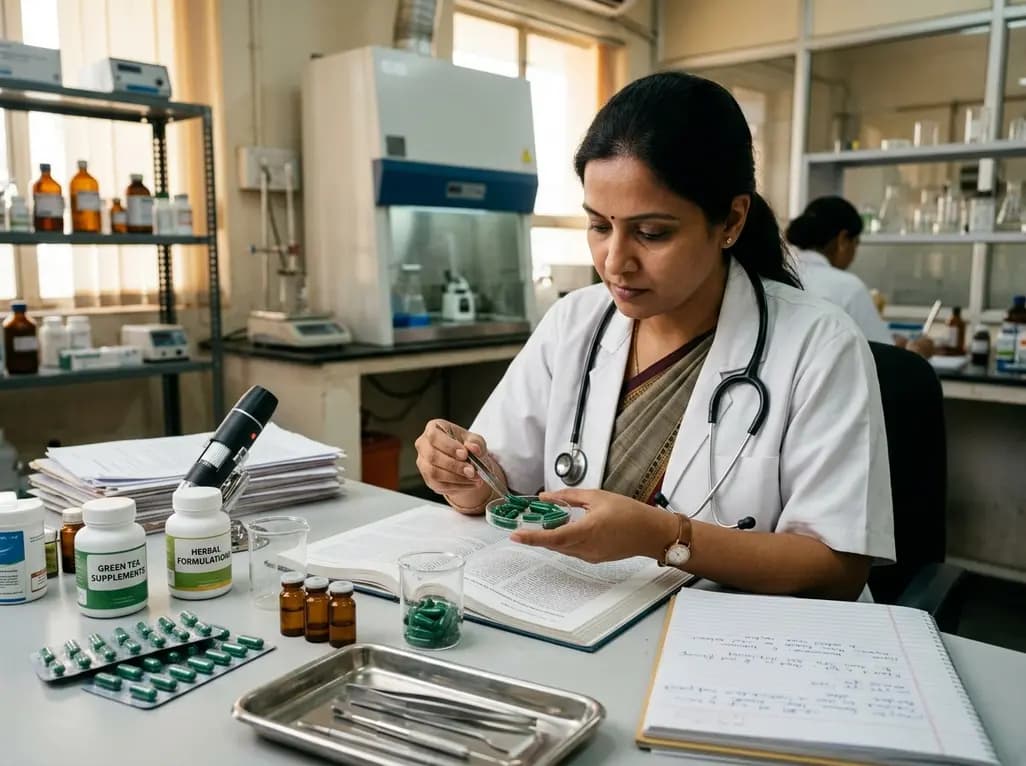
The global consumption of botanical supplements has surged substantially, with encapsulated formulations gaining immense popularity among wellness-oriented consumers. Among these products, green tea dietary supplements (derived from Camellia sinensis) are widely used for weight management, metabolic support, and antioxidant properties. However, unlike traditional brewed tea infusions where consumers extract water-soluble phytochemicals and discard plant solid residues, encapsulated products deliver whole powdered botanical material or concentrated extracts in uniform daily doses. This fundamental distinction alters human exposure dynamics and necessitates a rigorous toxicological risk assessment of inorganic contaminants.
Botanical matrices readily accumulate toxic trace metals from soil, agricultural runoff, and environmental pollution. Consequently, botanical crops like Camellia sinensis can absorb toxic elements such as lead, cadmium, and arsenic during cultivation. While regulatory frameworks historically relied on concentration-based thresholds to evaluate raw botanical ingredients, this method fails to account for actual consumer exposure. When individuals consume high-potency encapsulated formulations, the cumulative daily intake of toxic elements can escalate rapidly even if raw dry-weight concentrations appear modest.
Recent toxicological evaluations using graphite furnace atomic absorption spectrometry have carefully quantified heavy metal levels across multiple commercial supplement brands. Researchers converted raw metal concentrations into Estimated Daily Intake values based on recommended maximum daily serving sizes. This dose-normalized methodology aligns directly with the Permitted Daily Exposure limits established in United States Pharmacopeia General Chapter 2232. Therefore, exposure-based toxicology offers a much more accurate safety metric than simple dry-mass concentrations alone.
In toxicological evaluations of encapsulated formulations, lead (Pb) remains an element of paramount clinical concern. Chronic exposure to lead poses severe risks to human health, including progressive nephrotoxicity, neurocognitive decline, cardiovascular impairment, and hematological alterations. Under the United States Pharmacopeia framework, the oral Permitted Daily Exposure for lead is strictly limited to 5.0 micrograms per day to minimize chronic organ toxicity.
Disturbingly, recent laboratory analyses revealed that several commercial green tea supplement batches exceeded this established Permitted Daily Exposure threshold. Although arsenic and cadmium levels in the evaluated batches remained safely within acceptable limits, the elevated lead intake indicates pronounced batch-dependent noncompliance. Because lead accumulates progressively in biological tissues, chronic daily supplementation with contaminated batches could lead to clinically significant toxic burdens over time. Clinicians must recognize that dietary supplements are not uniformly benign, and chronic ingestion of unmonitored botanicals can contribute substantial heavy metal loads.
Evaluating elemental impurities requires integrating multiple complementary toxicological metrics. Toxicologists utilize Estimated Daily Intake, Estimated Weekly Intake, and Provisional Tolerable Weekly Intake benchmarks established by the World Health Organization and the Food and Agriculture Organization. These multi-tiered calculations account for chronic background dietary exposures while isolating the specific incremental risk posed by botanical supplements.
United States Pharmacopeia guidelines emphasize that finished dietary products must conform to rigorous exposure-based thresholds rather than raw agricultural limits alone. Because capsule excipients, botanical extraction techniques, and processing machinery can introduce or concentrate trace contaminants, manufacturers must validate safety throughout the supply chain. Standardized testing using validated atomic spectrometry ensures that finished products do not exceed toxicological limits. Furthermore, harmonizing regulatory frameworks globally helps protect consumers from variable international manufacturing standards.
For practicing physicians, general practitioners, and clinical nutritionists, these toxicological findings carry immediate relevance. Patients frequently initiate over-the-counter botanical supplementation without medical supervision, under the assumption that natural plant products are intrinsically safe. However, unmonitored consumption of botanical capsules can complicate clinical management, particularly in vulnerable populations such as elderly individuals, pregnant women, and patients with pre-existing renal disease.
Healthcare providers should routinely obtain a comprehensive history of dietary supplement use during routine consultations. When patients present with unexplained hypertension, chronic renal dysfunction, or non-specific neurological symptoms, physicians must consider occult heavy metal exposure from unregulated botanicals. Recommending products certified by third-party quality verification programs ensures that patients consume supplements that have undergone rigorous analytical screening for elemental impurities.
The persistence of batch-to-batch variation in heavy metal concentrations underscores the urgent need for stringent quality assurance protocols across the nutraceutical industry. Supplement manufacturers must implement risk-based testing strategies, screening both raw agricultural materials and finished encapsulated products before market distribution. Implementing robust Good Manufacturing Practices reduces environmental contamination risks during drying, milling, and encapsulation.
Moreover, regulatory authorities must transition from passive surveillance to proactive, exposure-based compliance testing. Periodic market sampling and mandatory publication of heavy metal testing data can drive industry-wide accountability. By enforcing strict adherence to established Permitted Daily Exposure limits, regulators and manufacturers can safeguard consumer health while preserving public trust in legitimate botanical therapeutics.
Traditional tea infusions involve steeping dried leaves in hot water, where many heavy metals remain bound to insoluble plant fibers and are discarded. In contrast, encapsulated dietary supplements contain whole powdered leaves or concentrated extracts. Consequently, consumers ingest the entire plant matrix in standardized daily doses, which substantially increases the direct systemic absorption and overall daily intake of elemental contaminants.
Chronic lead exposure exerts insidious systemic toxicity, gradually damaging multiple organ systems. Persistent low-level ingestion can induce arterial hypertension, accelerate chronic kidney disease progression, disrupt heme synthesis, and impair neurocognitive functioning. Because lead accumulates in skeletal and soft tissues, prolonged daily consumption of contaminated dietary supplements presents serious long-term health hazards, particularly for older adults and individuals with impaired renal clearance.
Clinicians should systematically screen patients for dietary supplement use during clinical assessments. Healthcare professionals can advise patients to avoid excessive dosages, discontinue unverified multi-ingredient herbal formulations, and select brands verified by independent third-party testing organizations. Furthermore, physicians should educate patients that herbal supplements contain pharmacologically active constituents and environmental contaminants that require the same cautious oversight as conventional therapeutic medications.
Disclaimer: This content is for informational and educational purposes only and does not constitute formal medical or toxicological advice. Healthcare professionals should exercise independent clinical judgment and refer to the latest local and national guidelines for clinical practice.
References

Read summarized clinical updates, watch expert medical content, and earn CME certifications right from your smartphone.
Open your smartphone camera to scan and install.





New toxicological research evaluates heavy metal contamination in encapsulated green tea supplements, revealing that lead intake can exceed permitted daily exposure limits. The findings highlight the critical need for exposure-based risk assessment in botanical formulations.
last month
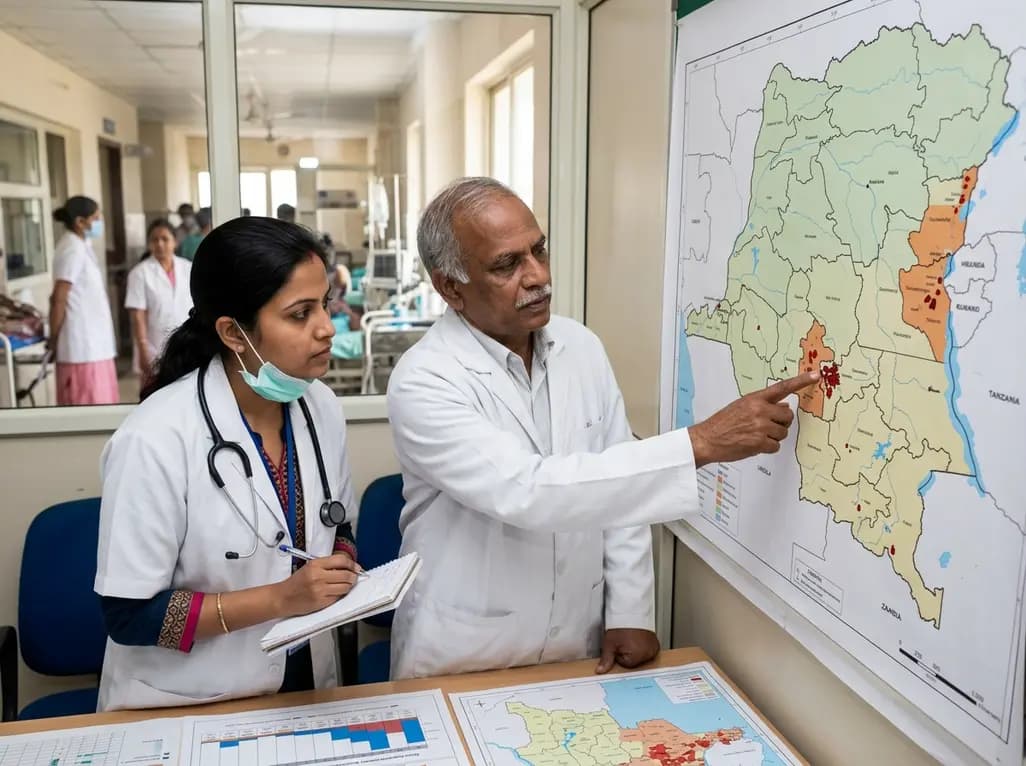
Epidemiologists and health leaders warn that active Ebola virus transmission in the Democratic Republic of Congo remains entrenched within communities. With fewer than ten percent of expected contacts monitored, public health officials urge rapid surveillance scale-up and reinforced healthcare precautions.
Today
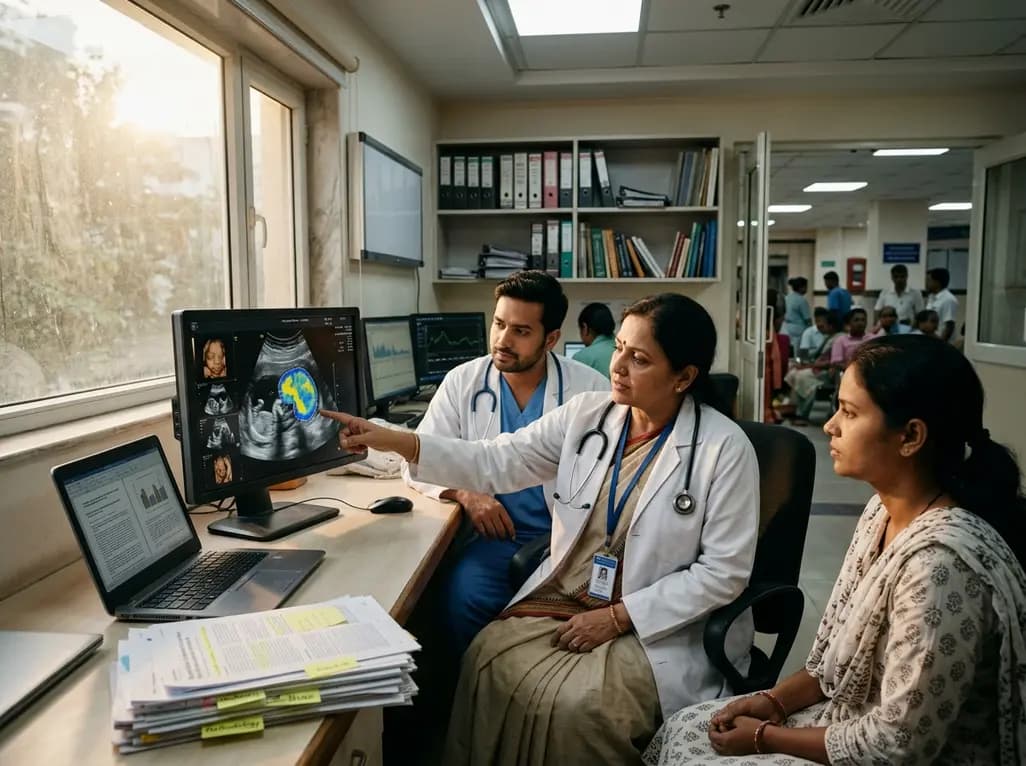
A scoping review evaluates 116 studies on AI in women's reproductive health, finding that 83.6% carry high risk of bias. While ensemble models show promise, disparities and lack of validation hinder LMIC deployment.
Today

Differential oxygenation during peripheral TA-NRP can cause undetected coronary hypoxemia due to arch vessel clamping. A novel circuit with continuous aortic root monitoring detects desaturation early, facilitating left ventricular unloading and preventing allograft dysfunction and unnecessary heart discard.
Today

India faces significant opportunities to expand medical device exports to high-growth markets like Mexico, Brazil, and the UK. By addressing its trade deficit, advancing domestic component manufacturing, and aligning with global regulatory standards, the country aims to become an international healthcare hub.
Today
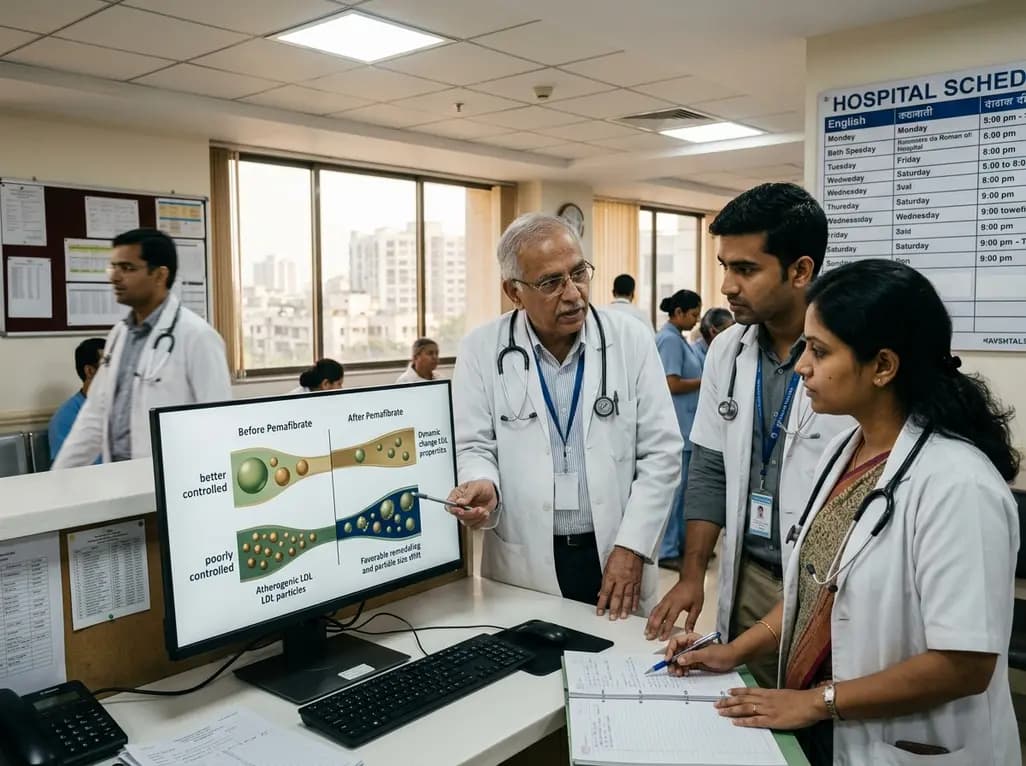
A post hoc analysis of the PARM-T2D study shows pemafibrate exerts baseline-dependent effects on LDL-C and particle size in type 2 diabetes and hypertriglyceridemia. It lowers triglycerides and remnants while favorably remodeling atherogenic LDL particles based on initial lipid control status.
Today
