.webp&w=384&q=75)

Loading, please wait...
Loading, please wait...

The aging population in Asia faces a growing health threat that often goes unnoticed: late HIV presentation. While modern medicine has successfully turned HIV into a manageable chronic condition, older adults remain a vulnerable group prone to delayed diagnosis. This delay significantly impacts individual outcomes and social health systems. A new systematic review protocol aims to quantify this prevalence and identify the underlying factors contributing to this trend across the Asian continent.
Clinicians define late HIV presentation as having a CD4 cell count below 350 cells/mm³ or an AIDS-defining illness at the time of diagnosis. Research indicates that across Asia, a substantial percentage of new diagnoses meet these criteria. For older adults, the situation is even more complex because they face the double burden of population aging and HIV aging. Furthermore, many physicians often overlook HIV as a differential diagnosis in the elderly due to age-related biases and low-risk perceptions.
Several factors drive the persistently high rates of late diagnosis among people over 50. First, there is a pervasive lack of knowledge regarding sexual health among the older generation. Many individuals do not consider themselves at risk for sexual transmission. Additionally, the social stigma surrounding HIV is often more intense for older patients, leading to a reluctance to seek testing. Consequently, many patients only receive a diagnosis after they develop severe opportunistic infections or unexplained chronic frailty.
Addressing these gaps requires targeted strategies and policy responses. The upcoming meta-analysis by Du et al. will synthesize evidence from international and Chinese databases to offer a clearer picture of the regional status. These findings will help clinicians in countries like India, where the geriatric HIV population is rising, to develop more inclusive screening guidelines. Improving early detection is essential to meet the global target of ending AIDS by 2030.
Late HIV presentation is typically defined by a CD4 count below 350 cells/mm³ or the presence of an AIDS-defining condition at the time of initial diagnosis.
Older adults often face late diagnosis due to low-risk perception by both patients and providers, symptoms that mimic other geriatric conditions, and significant social stigma regarding sexual health in later life.
Disclaimer: This content is for informational and educational purposes only. It does not constitute professional medical advice, diagnosis, or treatment. Always seek the advice of your physician or other qualified health provider with any questions you may have regarding a medical condition. Refer to the latest local and national guidelines for clinical practice.
References

Read summarized clinical updates, watch expert medical content, and earn CME certifications right from your smartphone.
Open your smartphone camera to scan and install.





A new systematic review protocol examines the high prevalence of late HIV presentation among older adults in Asia, highlighting critical gaps in early diagn...
4 months ago
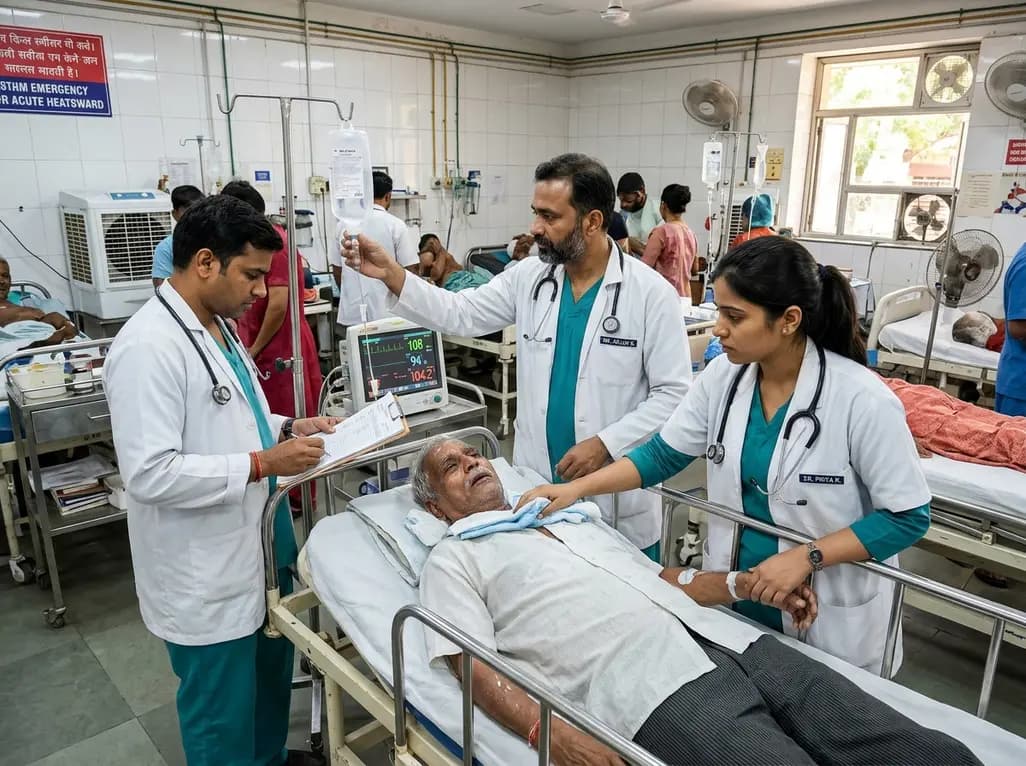
Recent epidemiological data reveals a dramatic surge in summer heat mortality driven by human-induced climate warming. This analysis explores the pathophysiological impacts on cardiac and renal systems, diagnostic dilemmas in death certification, and essential emergency cooling protocols for acute clinical care.
Today
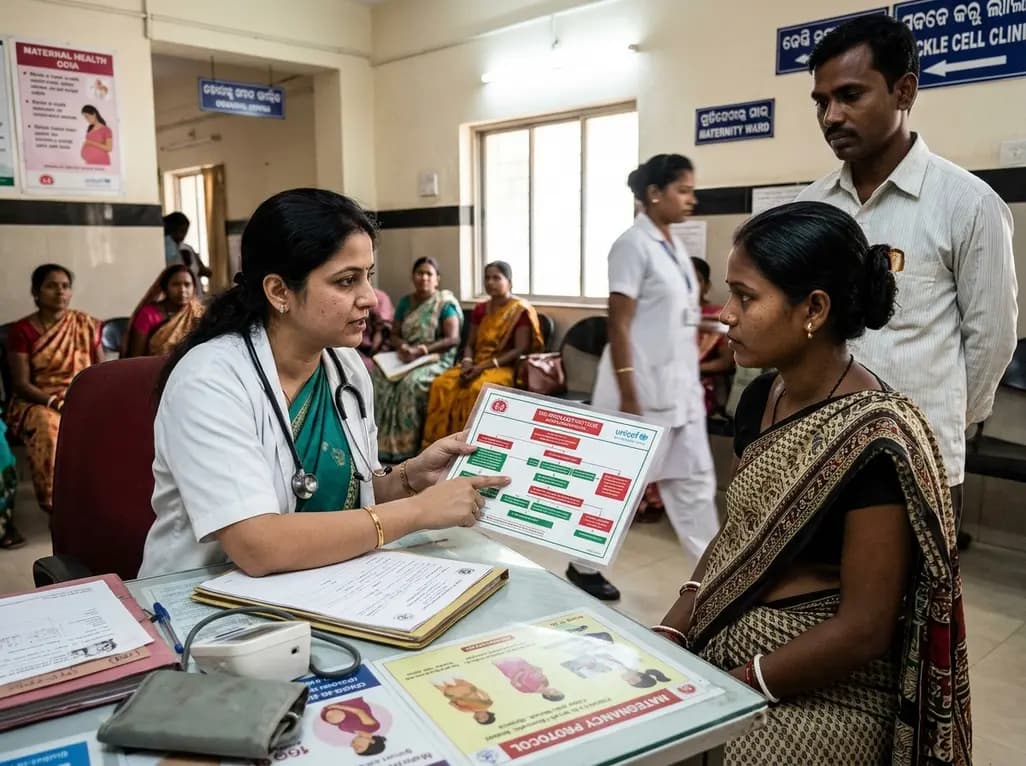
Odisha has established India's first state-level clinical protocol specifically tailored for pregnant women with sickle cell disease. Developed with NHM and UNICEF, the framework provides structured antenatal screening, crisis mitigation, standardized referral pathways, and specialized interdisciplinary care.
Today

India is advancing preventive healthcare by integrating genomics, artificial intelligence, and quantum technologies. With the SANGAM programme sequencing one million Indian genomes, clinicians can unlock personalized therapies, detect cardiometabolic risks early, and curb the burden of diabetes and heart disease.
Today
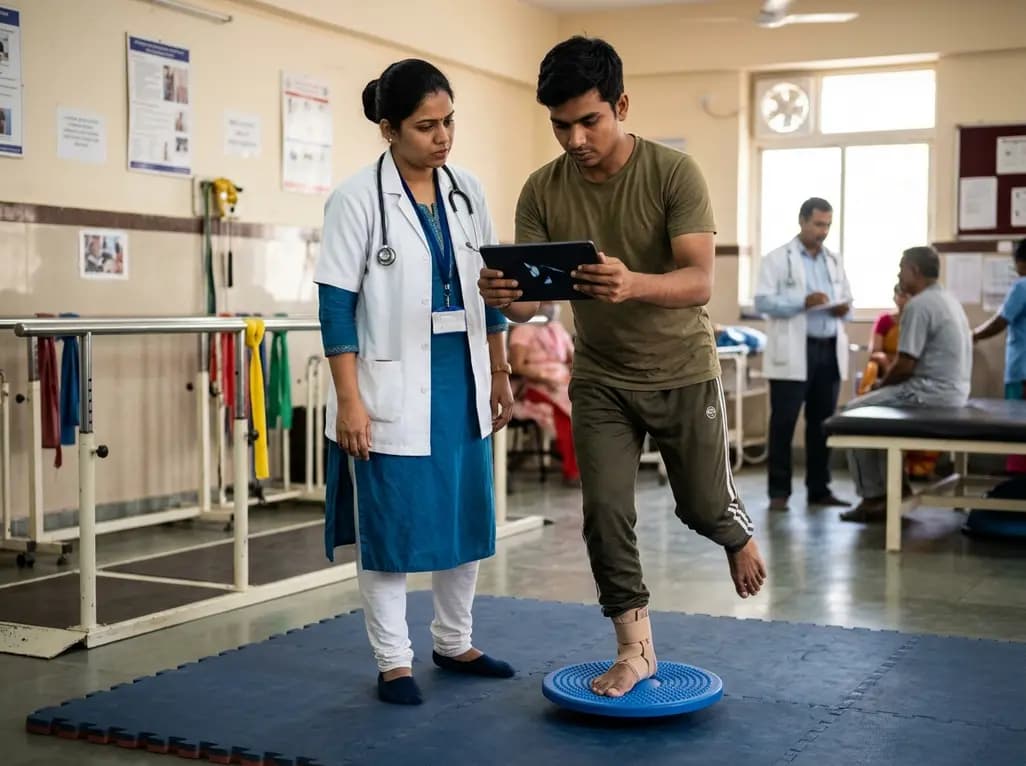
A randomized controlled trial demonstrates that an eight-week dual-task training intervention significantly improves static and dynamic postural control over standard balance exercises in individuals with chronic ankle instability, addressing critical neurocognitive deficits during athletic and daily activities.
Today

A retrospective cohort study of 7,716 ICU patients from the MIMIC-IV database demonstrates that Gradient Boosting Decision Trees significantly outperform traditional SOFA scores in predicting in-hospital mortality among patients with sepsis and diabetes, with SHAP analysis providing clinical interpretability.
Today
