.webp&w=384&q=75)

Loading, please wait...
Loading, please wait...
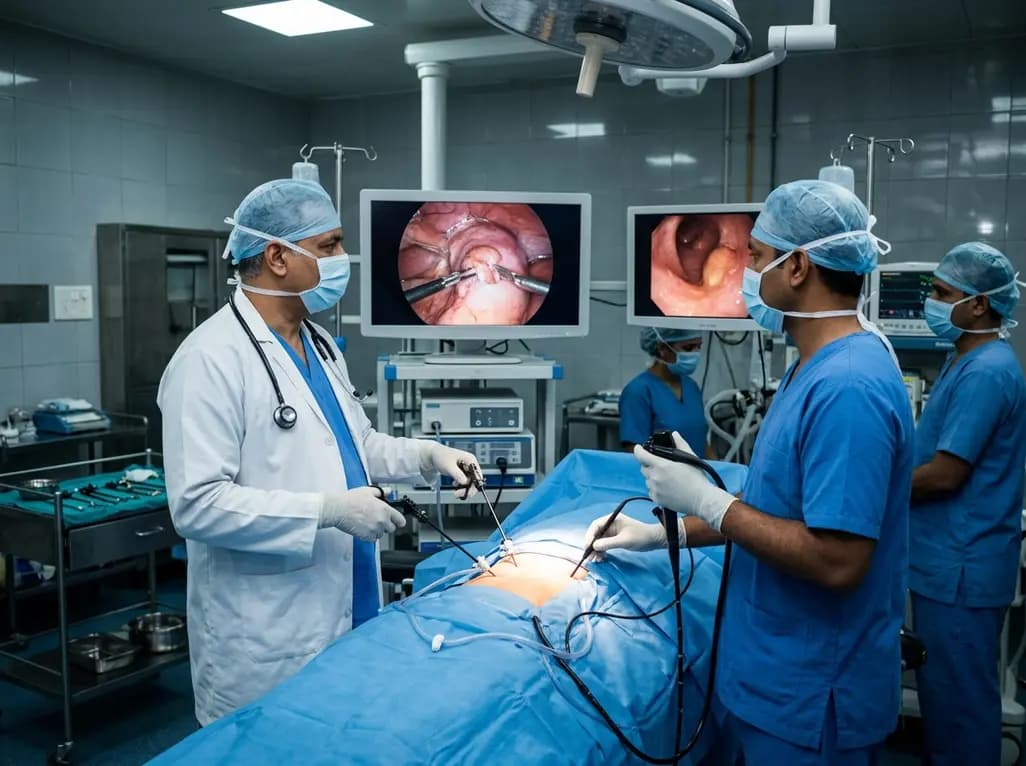
Managing gastric subepithelial tumors requires balancing oncological radicality with functional preservation. Historically, surgeons frequently relied on extensive wedge resections or partial gastrectomies. However, these conventional procedures often sacrifice healthy gastric parenchyma and distort normal gastric anatomy. Consequently, laparoscopic-endoscopic cooperative surgery has emerged as an innovative, tissue-preserving alternative for surgical teams. By combining intraluminal endoscopic visibility with external laparoscopic control, clinicians achieve complete local resection while preserving baseline stomach architecture. Furthermore, this cooperative strategy optimizes operative accuracy, shortens hospital recovery, and minimizes post-resection functional morbidity.
Gastric subepithelial lesions originate within deeper stomach layers, predominantly the muscularis propria. Consequently, purely mucosal endoscopic techniques cannot reliably excise these tumors without causing unmanageable gastric perforation. Historically, open or laparoscopic wedge resection resolved this challenge. However, blind mechanical staple lines often resect excessive normal gastric tissue. Moreover, lesions near the cardia or pylorus present substantial hazards for post-procedure stenosis. To solve these anatomical limitations, hybrid procedures integrate simultaneous intraluminal endoscopy with laparoscopic assistance. During these operations, the interventional endoscopist visualizes intraluminal margins and conducts circumferential submucosal dissection. Meanwhile, the laparoscopic surgeon inspects the serosa, manages vascular supplies, and provides counter-traction. Therefore, both operators coordinate tissue manipulation under direct dual-camera visualization. This synergy guarantees optimal margins, preventing positive boundaries and unnecessary tissue sacrifice. In addition, cooperative methods facilitate prompt identification and immediate repair of any full-thickness defects. As a result, this innovative technique bridges the gap between endoluminal therapy and invasive anatomical resection. Furthermore, real-time feedback between specialists minimizes procedural friction, ensuring optimal luminal preservation.
Recent clinical data from newly adopting centers confirm the excellent safety and reproducibility of this hybrid approach. For example, a pioneering institutional series involving thirty-five consecutive patients achieved complete procedural success without any open conversions. Furthermore, operative teams documented a mean surgical time of 118 minutes, demonstrating swift, standardized execution. Concurrently, blood loss remained minimal at an average of 44 milliliters, underscoring meticulous hemostatic control. In addition, postoperative convalescence proceeded smoothly across the cohort. Notably, no patients developed Clavien-Dindo grade II or higher complications during hospitalization. Similarly, investigators observed zero anastomotic leaks, severe intra-abdominal hemorrhages, or unplanned reoperations. Consequently, patients achieved prompt mobilization and resumed oral intake rapidly, resulting in an average stay of 5.9 days. These favorable metrics indicate that structured workflows and active cross-disciplinary communication flatten the surgical learning curve. Furthermore, surgical units can master this platform outside hyper-specialized academic institutions. Therefore, centers expanding minimally invasive services can adopt this collaborative approach with immense clinical confidence.
Achieving complete oncological clearance represents the definitive priority when managing gastric subepithelial tumors. In clinical series, gastrointestinal stromal tumors constitute nearly two-thirds of resected lesions, alongside leiomyomas and schwannomas. Because gastrointestinal stromal tumors harbor malignant potential, surgeons must avoid capsule disruption while securing negative margins. Fortunately, hybrid cooperative surgery consistently delivers complete R0 resections without compromising oncological principles. During the intervention, endoscopists deploy specialized electrosurgical knives to mark margins several millimeters beyond visible tumor edges. Concurrently, laparoscopic surgeons monitor the serosal aspect, preventing excessive traction on vulnerable pseudocapsules. Furthermore, long-term surveillance confirms the oncological reliability of this joint technique. For instance, follow-up extending beyond seventeen months revealed zero local recurrences or distant metastases among treated cohorts. Additionally, pathological examinations confirmed intact tumor pseudocapsules and clear circumferential margins across all specimens. Thus, combining direct mucosal assessment with laparoscopic traction upholds strict oncological standards. Ultimately, this cooperative methodology guarantees reliable radicality without requiring unnecessary lymph node dissections.
Preserving natural gastric physiology represents the most compelling clinical advantage of cooperative surgery. Conventional partial gastrectomies disrupt vagal innervation, altering gastric motility, receptive relaxation, and acid secretion. Consequently, patients undergoing standard resections frequently endure postprandial fullness, dumping syndrome, and nutritional deficits. In contrast, hybrid cooperative surgery removes only the precise full-thickness gastric wall harboring the lesion. Therefore, the procedure conserves the maximal surface area of functional gastric mucosa. Moreover, the surgical team continuously monitors stomach geometry throughout closure, avoiding transverse luminal narrowing. This continuous visual assessment prevents post-procedure strictures near sensitive zones like the incisura or gastroesophageal junction. As a result, patients resume oral nutrition significantly faster than those undergoing traditional open surgery. Furthermore, long-term follow-up demonstrates preserved gastric emptying rates and superior quality-of-life scores. Patients maintain baseline nutritional status without debilitating digestive disturbances or bile reflux. Thus, prioritizing anatomical conservation delivers profound physiological benefits extending far beyond hospitalization.
Successfully adopting this hybrid surgical platform demands sound hospital infrastructure and cohesive multidisciplinary coordination. First, surgical departments must establish joint operative pathways between advanced endoscopists and laparoscopic surgeons. Both clinicians must maintain shared spatial awareness, aligning their tactile maneuvers through synchronized video monitors. Furthermore, operative suites must accommodate specialized laparoscopic towers, high-definition endoscopes, and electrosurgical units simultaneously. In addition, institutions should invest in thorough preoperative staging using high-resolution endoscopic ultrasonography. Endoscopic ultrasound accurately identifies the specific gastric wall layer of origin, confirming tumor depth. Similarly, contrast-enhanced computed tomography characterizes extraluminal growth and vascular relationships. With meticulous patient selection, surgical teams can safely treat larger tumors or complex anatomical locations. However, teams must prevent peritoneal contamination during full-thickness wall opening. To mitigate this hazard, surgeons often utilize non-exposure techniques that invert the tumor before incision. Ultimately, structured multidisciplinary training will expand clinical adoption, establishing this technique as a preferred standard worldwide.
Clinicians primarily recommend this cooperative approach for gastric subepithelial tumors originating from the muscularis propria, measuring up to fifty millimeters. In particular, gastrointestinal stromal tumors, symptomatic leiomyomas, and deep-seated neuroendocrine tumors represent prime indications. Furthermore, lesions situated near the esophagus or pylorus particularly benefit from this precise technique. Consequently, endoscopists and surgeons avoid wide organ resections, thereby preventing lumen stenosis while ensuring definitive margin clearance.
Conventional wedge resection uses mechanical staplers blindly, which frequently removes excessive stomach tissue and creates significant luminal distortion. In contrast, the endoscopist precisely marks the tumor perimeter from inside the gastric lumen. Therefore, the surgeon resects only the required pathological margin without compromising stomach capacity. Additionally, intraoperative endoscopic visualization monitors mucosal tension throughout closure, ensuring that the gastric conduit remains patent, functional, and fully resistant to mechanical strictures.
During classical procedures, surgeons avoid tumor capsule injury to prevent peritoneal seeding, especially when handling gastrointestinal stromal tumors. Additionally, contemporary surgical teams frequently employ non-exposure variations, such as inverted or closed techniques. Furthermore, intraoperative suction quickly evacuates intragastric fluid if mucosal perforation occurs. Finally, surgeons place resected specimens directly into impermeable laparoscopic retrieval bags before extracting them through the abdominal wall, maintaining strict oncological isolation.
Disclaimer: This content is for informational and educational purposes only... Refer to the latest local and national guidelines for clinical practice.
References
Battulga K et al. Short-term safety and feasibility of laparoscopic-endoscopic cooperative surgery for gastric subepithelial tumors: a retrospective observational study of the first single-center experience in Mongolia. J Minim Invasive Surg. 2026 Sep 15. doi: 10.7602/jmis.2026.29.3.148. PMID: 42745703.
Kikuchi S et al. Laparoscopic and endoscopic cooperative surgery: current status and clinical applications. J Gastric Cancer. 2026;26(2):105-117.
Hiki N et al. Laparoscopic and endoscopic cooperative surgery for gastrointestinal tumor. Ann Gastroenterol Surg. 2019;3(3):239-246.

Read summarized clinical updates, watch expert medical content, and earn CME certifications right from your smartphone.
Open your smartphone camera to scan and install.





A recent study evaluates the feasibility and safety of laparoscopic-endoscopic cooperative surgery (LECS) for gastric subepithelial tumors. Findings demonstrate excellent R0 resection rates, minimal blood loss, and zero major complications, highlighting LECS as a tissue-preserving alternative to conventional gastrectomy.
Today
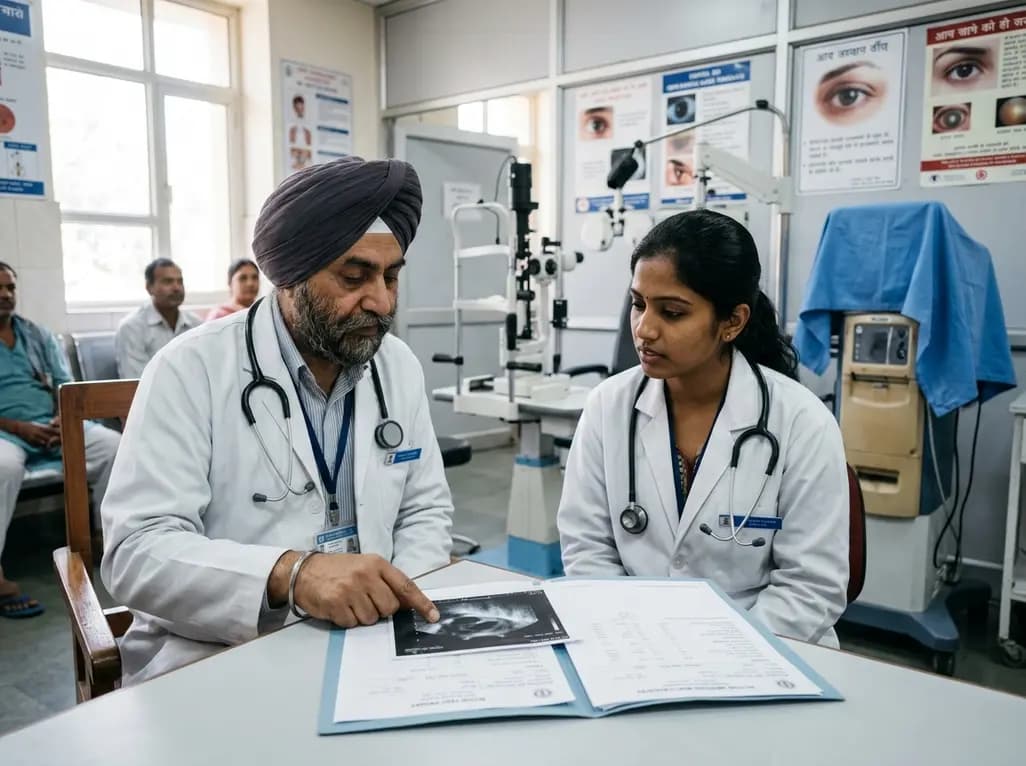
A multicenter study reveals that a significant proportion of HCV antibody-positive ophthalmic surgical patients remain untreated and eligible for direct-acting antivirals. Stratifying antibody titers and streamlining referral pathways can optimize hepatitis C micro-elimination efforts.
Today

The Delhi Cabinet has approved a key policy revision doubling the fixed monthly allowance for accredited social health activists. This financial enhancement bolsters grassroots maternal and child healthcare delivery, strengthens urban public health surveillance, and improves frontline community health worker retention.
Today
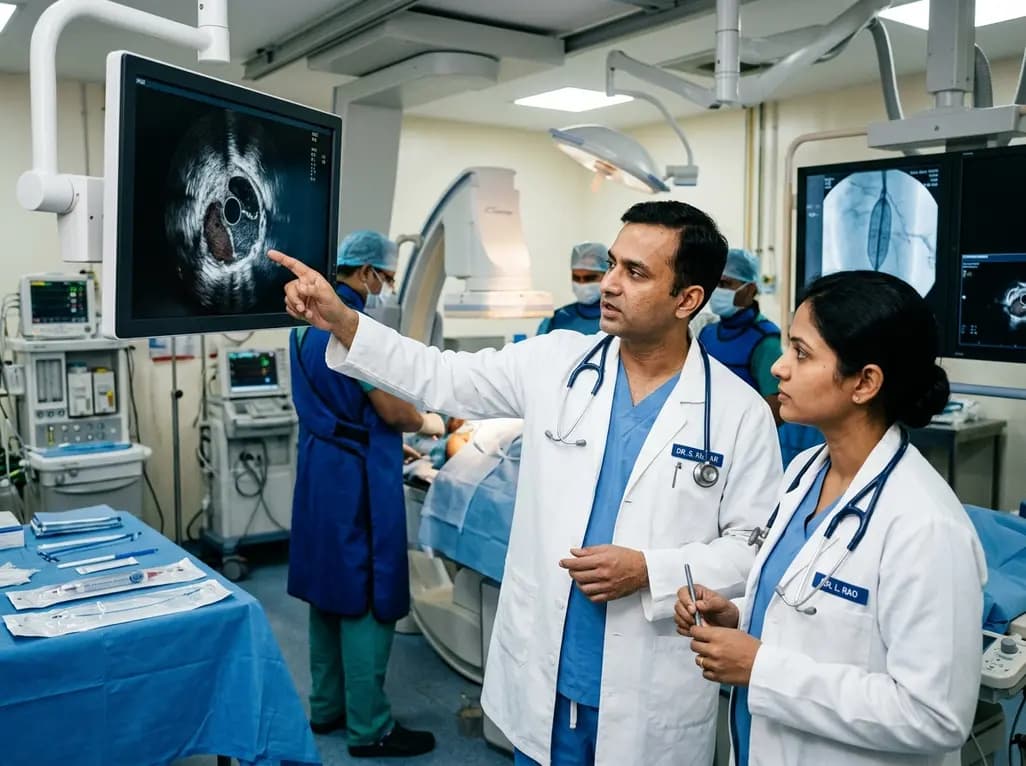
A multicenter REAL-LEAD registry sub-analysis evaluates how intravascular ultrasound-defined circumferential calcification and post-procedural minimum lumen area govern 1-year primary patency after drug-coated balloon angioplasty for femoropopliteal lesions.
Today
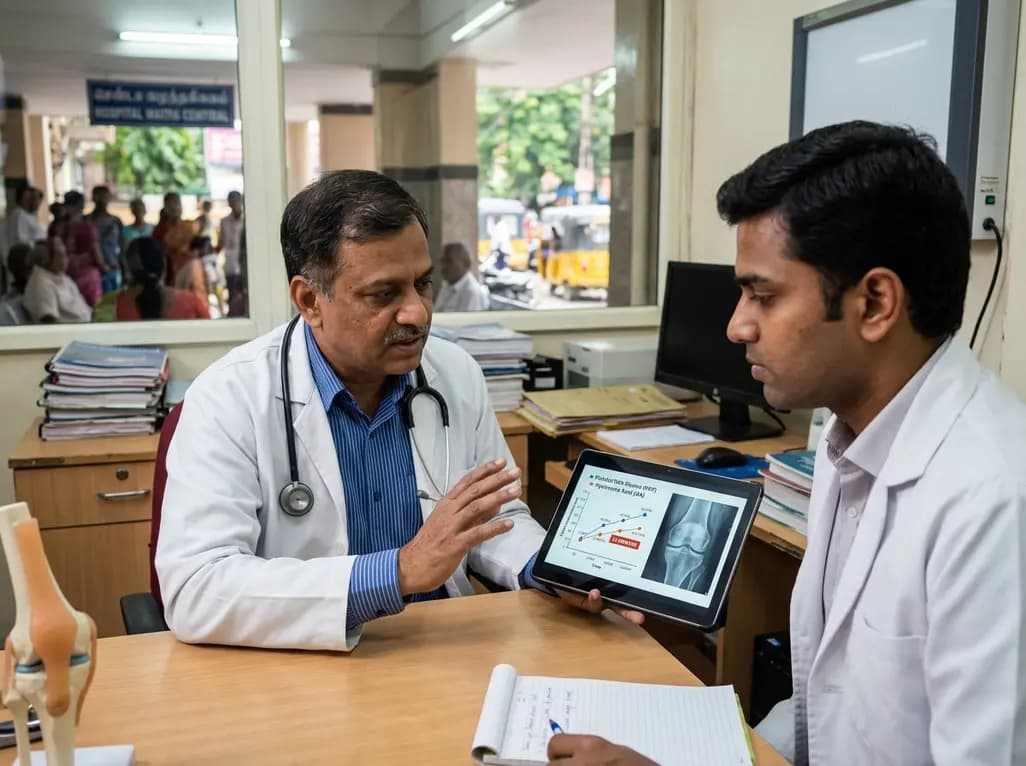
A systematic review and meta-analysis of 21 RCTs reveals that platelet-rich plasma provides small but statistically superior pain relief and functional improvements compared to hyaluronic acid at 12 months in knee osteoarthritis, influenced by platelet concentration and leukocyte enrichment.
Today
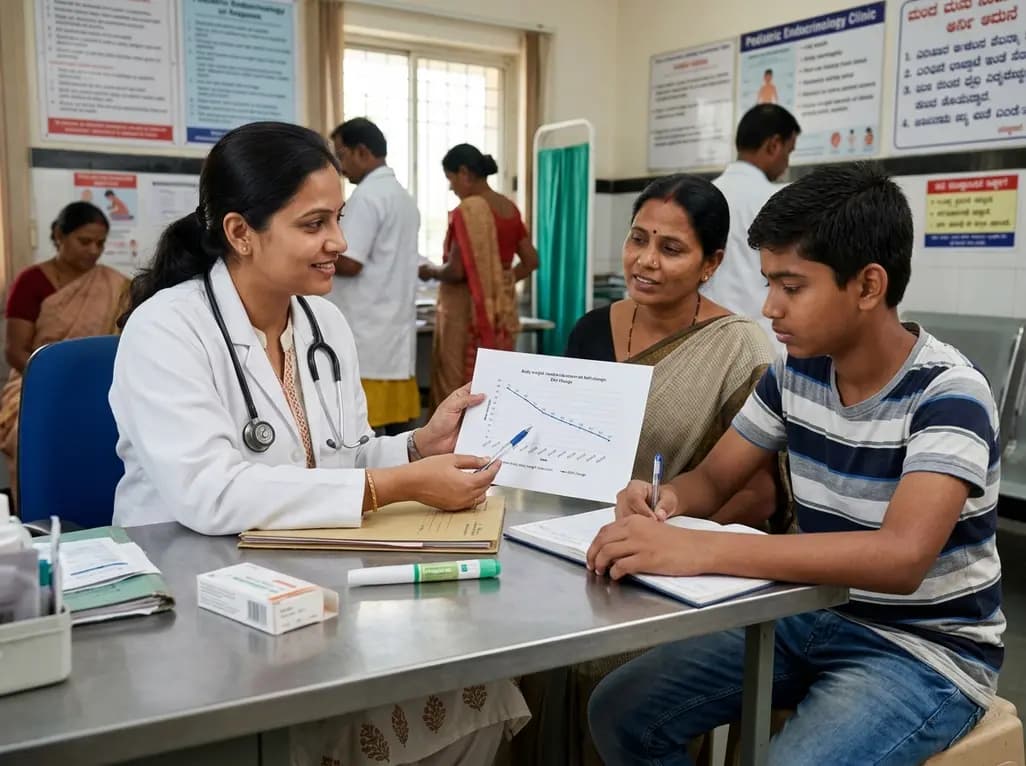
A multicenter real-world prospective study in Taiwan demonstrates that liraglutide effectively reduces body weight and BMI standard deviation score in adolescents with obesity. The therapy shows a favorable safety profile with mild gastrointestinal adverse events and zero treatment discontinuations due to intolerance.
Today
