

Loading, please wait...
Loading, please wait...
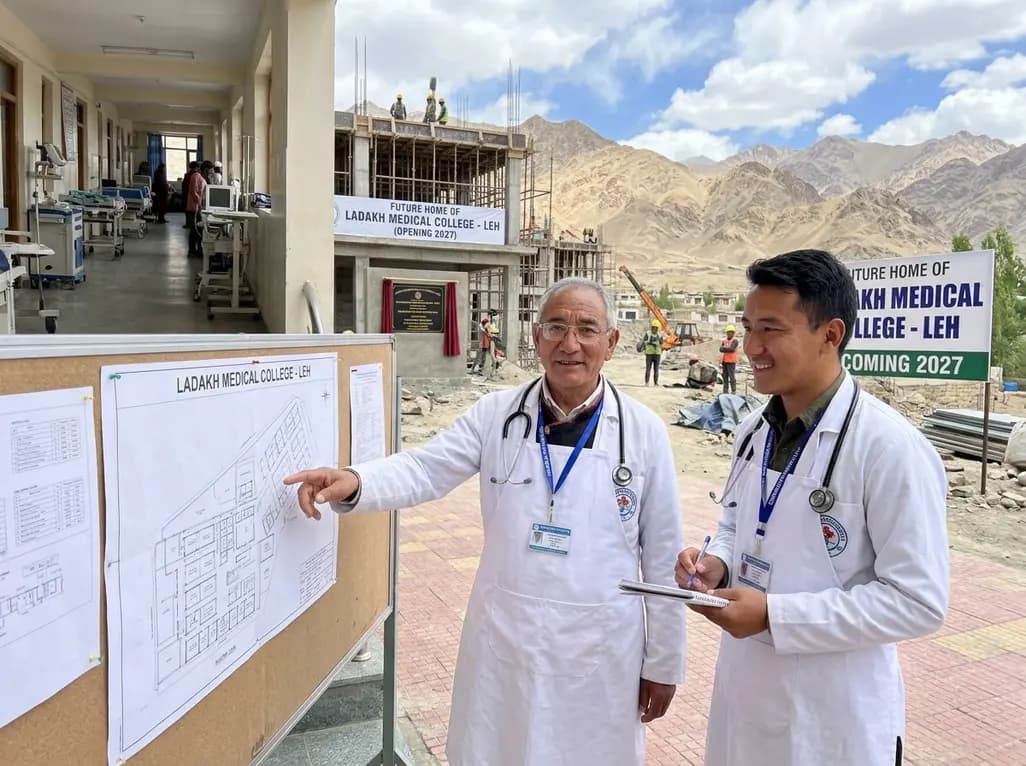
The establishment of the first Ladakh medical college marks a historic turning point for healthcare delivery in the Union Territory. For decades, local medical aspirants traveled long distances to pursue formal undergraduate training. In addition, hospitals across the high-altitude terrain frequently struggled with acute specialist shortages. Therefore, the Union Health Ministry granted critical administrative approvals to operationalize the new institution in Leh. Consequently, the Government Medical College will officially welcome its inaugural MBBS class for the 2027-28 academic year.
Securing regulatory sanction represents a pivotal milestone for establishing tertiary medical education in Leh. Historically, the National Medical Commission mandates the completion of physical infrastructure before clearing faculty recruitment. However, the extreme Himalayan winters severely restrict the active construction window to barely six months annually. Recognizing these unique logistical barriers, Lieutenant Governor V K Saxena submitted a formal request to Union Health Minister J P Nadda. Subsequently, the Health Ministry granted a one-time regulatory relaxation from this rigid construction prerequisite. This pivotal concession permits the Union Territory administration to initiate preparatory recruitment ahead of full campus completion. Therefore, administrative authorities can recruit specialized teaching faculty while construction continues at the permanent campus site in Stipuk Pharka. The formal communication, dated October 13, 2026, guarantees that procedural hurdles will not derail the designated academic timeline. Furthermore, this decisive regulatory flexibility illustrates how pragmatic policy adaptations can address harsh geographical realities. Health administrators can now synchronize building activity directly with academic readiness. Ultimately, the progressive waiver protects public investment while expediting essential medical education in an underserved Himalayan region.
Executing faculty recruitment requires meticulous planning to align staffing levels with educational growth. The Department of Expenditure initially sanctioned 103 permanent positions through a formal directive dated November 27, 2024. However, the administration will not recruit all personnel at once. Instead, authorities will conduct recruitment in a phased, staggered manner starting from the 2027-28 academic session. This planned rollout reflects the progressive curricular requirements of undergraduate medical students. Specifically, foundational basic sciences demand substantial anatomy, physiology, and biochemistry educators during the early academic semesters. Later stages will gradually require clinical faculty across internal medicine, general surgery, and community pediatrics. Moreover, the Health Ministry strictly stipulated that all appointments must follow sanctioned recruitment rules on a permanent basis. Contractual or stopgap appointments will not replace permanent cadre positions. Consequently, this recruitment drives stable career advancement for Indian doctors seeking academic positions. In addition, transparent hiring guidelines will attract experienced clinicians who can build lasting regional academic departments. By structuring hiring across clearly defined phases, the college maintains fiscal prudence and academic excellence. Thus, the institution will secure high-quality pedagogical standards from its very first semester. Well-trained medical educators will mentor future doctors under standardized national guidelines.
Constructing a modern medical college at high altitudes presents immense logistical challenges. Therefore, the administration devised a practical interim plan to ensure classes begin on schedule. Officials have identified two newly built government complexes to serve as temporary academic lecture halls and student hostels. Meanwhile, clinical teaching will leverage existing healthcare infrastructure within Leh. Specifically, students will gain comprehensive hands-on training at the established 200-bed Sonam Norboo Memorial Hospital. This prominent district hospital currently employs approximately sixty skilled doctors across core medical disciplines. Thus, medical undergraduates will encounter diverse clinical pathologies and local public health conditions from their early clinical postings. Furthermore, the Union Health Ministry insisted that these transitional arrangements remain strictly temporary. Once construction finishes at the designated Stipuk Pharka campus, all academic departments and clinical units will relocate immediately. Additionally, the local administration must submit realistic completion timelines to the Department of Expenditure. This clear directive guarantees that students and faculty transition safely into permanent, world-class teaching facilities. Consequently, the arrangement ensures rigorous training without waiting for sprawling construction projects to conclude. As a result, patients will receive immediate tertiary care benefits while trainees master bed-side clinical acumen.
The geographic isolation of Ladakh creates extraordinary difficulties for routine and emergency clinical care. During harsh winter months, heavy snowfall cuts off mountain passes and isolates local communities. Consequently, critically ill patients often rely on expensive and weather-dependent air evacuation to Srinagar or Chandigarh. Establishing a dedicated medical college directly addresses these severe health vulnerabilities. Furthermore, extreme altitude brings distinct physiological conditions such as high-altitude pulmonary edema and hypothermia. Local healthcare centers require physicians trained specifically to manage these cold-climate medical emergencies. By training future doctors within this unique environment, the college will produce clinicians adept at high-altitude medicine. Moreover, the institution will substantially upgrade regional diagnostic and therapeutic infrastructure. Advanced clinical laboratories, intensive care beds, and specialty surgical theaters will operate permanently in Leh. Thus, residents will access sophisticated medical interventions without undergoing perilous journeys across frozen terrain. In addition, the college strengthens strategic resilience across this sensitive border territory. Ultimately, dependable regional tertiary care protects military personnel, local residents, and traveling tourists alike. Equally important, specialized clinical departments will drastically reduce treatment delays during acute medical crises. Local clinicians will deliver prompt life-saving interventions right when patients need them most.
The launch of this medical institution will profoundly transform the regional educational landscape. Previously, aspiring doctors from Leh and Kargil had to compete for limited quota seats in distant states. Many talented local students could not afford the substantial financial costs of relocated study. Fortunately, the new institution offers local youth accessible pathways to obtain recognized MBBS degrees. Additionally, local training fosters greater long-term retention of medical professionals in rural remote clinics. Evidence shows that doctors who train in underserved environments frequently choose to practice in similar communities. Therefore, graduates will likely staff peripheral primary health centers across the vast Union Territory. Furthermore, establishing this academic center opens attractive faculty avenues for experienced Indian medical educators. Senior professors and clinical researchers will find unique opportunities to study Himalayan epidemiology and environmental physiology. Over time, the college will establish postgraduate residency programs across vital clinical disciplines. Consequently, the healthcare workforce will expand steadily through continuous local professional development. In conclusion, the college represents a transformative leap toward sustainable universal health coverage for Ladakh. Moreover, robust collaborative research will elevate global scientific understanding of high-altitude medicine. The institution will ultimately serve as a beacon of clinical excellence across northern India.
Q1: Why did the Centre grant an infrastructure relaxation for the college?
The Union Health Ministry granted a one-time waiver because rigorous Himalayan winters shorten the active building window in Leh. Usually, authorities require eighty percent infrastructure completion before faculty hiring. However, enforcing this standard would have delayed academic operations significantly. The special relaxation allows authorities to hire 103 staff members while construction progresses, ensuring an on-time 2027 opening. Consequently, academic preparations can advance smoothly without administrative bottlenecks.
Q2: How will the administration manage clinical training during the interim phase?
During the initial transitional phase, the medical college will utilize two newly completed public buildings for lectures and accommodation. Meanwhile, clinical rotations will take place at the existing 200-bed Sonam Norboo Memorial Hospital in Leh. This operational facility hosts approximately sixty experienced doctors across various clinical disciplines. Consequently, students will receive robust bedside clinical instruction until the permanent Stipuk Pharka campus opens.
Q3: When will faculty recruitment begin for the sanctioned regular posts?
Preparatory recruitment for the 103 sanctioned positions will begin immediately to prepare for the 2027-28 session. However, the administration will conduct hiring in a staggered fashion based on progressive curriculum requirements. Initial hiring focuses on preclinical and paraclinical faculty for early MBBS courses. Subsequently, clinical departments will recruit specialists as student cohorts advance. In addition, all appointments must strictly adhere to official regular service recruitment rules.
Disclaimer: This content is for informational and educational purposes only. It does not constitute medical advice or replace professional judgment. Refer to the latest local and national guidelines for clinical practice.
References

Read summarized clinical updates, watch expert medical content, and earn CME certifications right from your smartphone.
Open your smartphone camera to scan and install.





The Union Health Ministry has approved the operationalisation of Ladakh's first medical college in Leh for 2027-28. With a special waiver on infrastructure requirements, the administration can recruit 103 sanctioned posts immediately, bolstering healthcare delivery and clinical training across the region.
Today
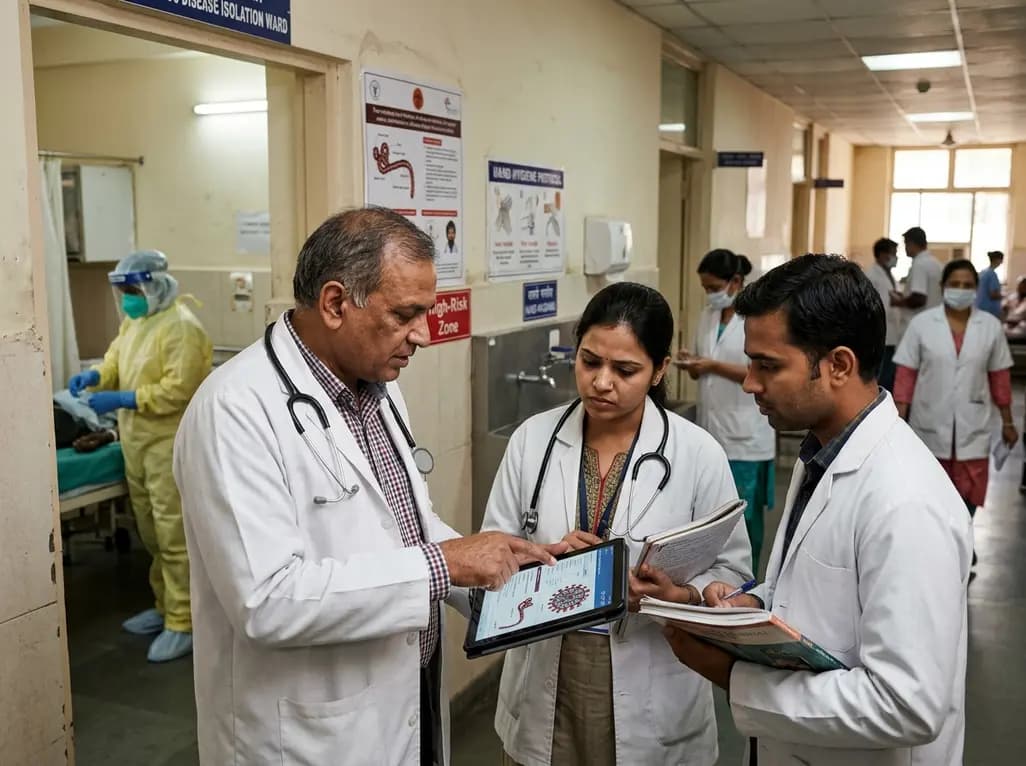
Following a confirmed Ebola case in Abuja involving an international traveler, health authorities initiated contact tracing for 44 individuals. This analysis covers essential clinical features, biosafety diagnostics, supportive therapeutics, and infection control protocols for frontline physicians.
Today
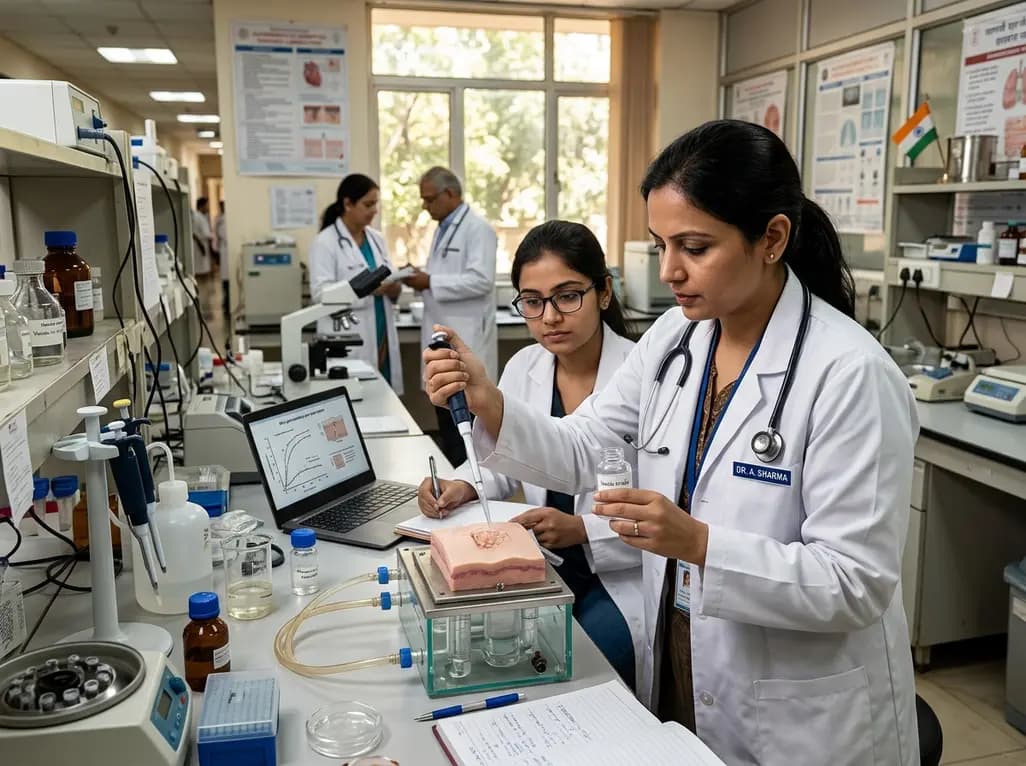
A novel high-permeation vesicle-in-gel platform enhances transdermal fulvestrant delivery, achieving sustained release, robust intradermal retention, and superior antitumor efficacy in breast cancer models while circumventing the drawbacks of painful intramuscular depot injections.
Today
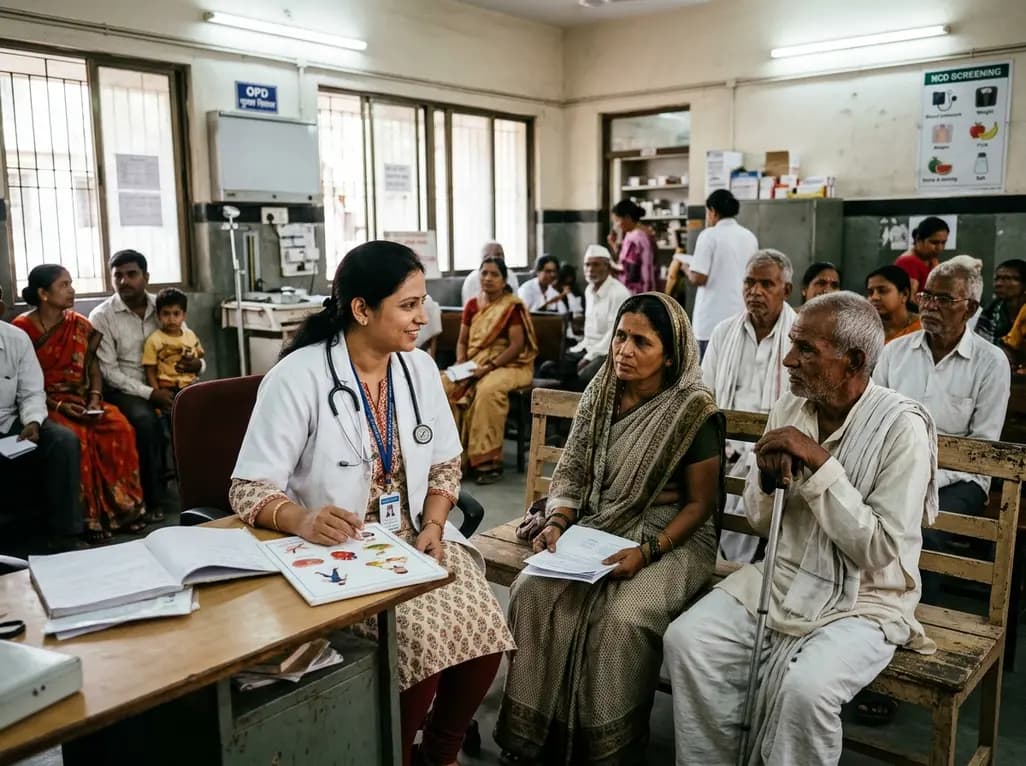
A landmark ten-year WHO report reveals how socioeconomic status, geography, and gender disparities profoundly aggravate chronic disease risks, diagnosis delays, and therapeutic outcomes globally. Discover actionable primary care strategies to bridge screening divides and optimize vulnerable patient management.
Today

A recent single-institution analysis identifies advanced patient age and progressive systemic disease as primary negative prognostic factors for five-year survival in chondrosarcoma, underscoring the urgent necessity of precise risk stratification, clear surgical margins, and dedicated oncologic follow-up.
Today
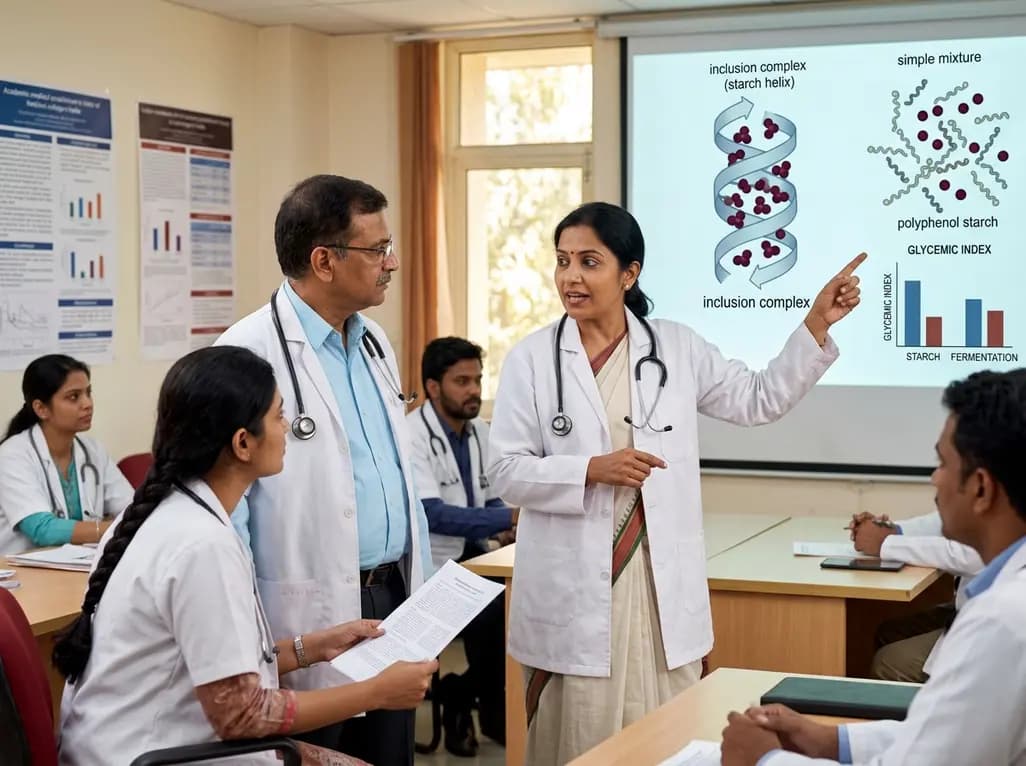
A critical review evaluates whether starch-polyphenol complexes meet structural and metabolic criteria to qualify as type 5 resistant starch. The proposed tiered evidence framework distinguishes true inclusion complexes from simple mixtures, clarifying mechanisms for glycemic modulation and gut fermentation.
Today
