

Loading, please wait...
Loading, please wait...
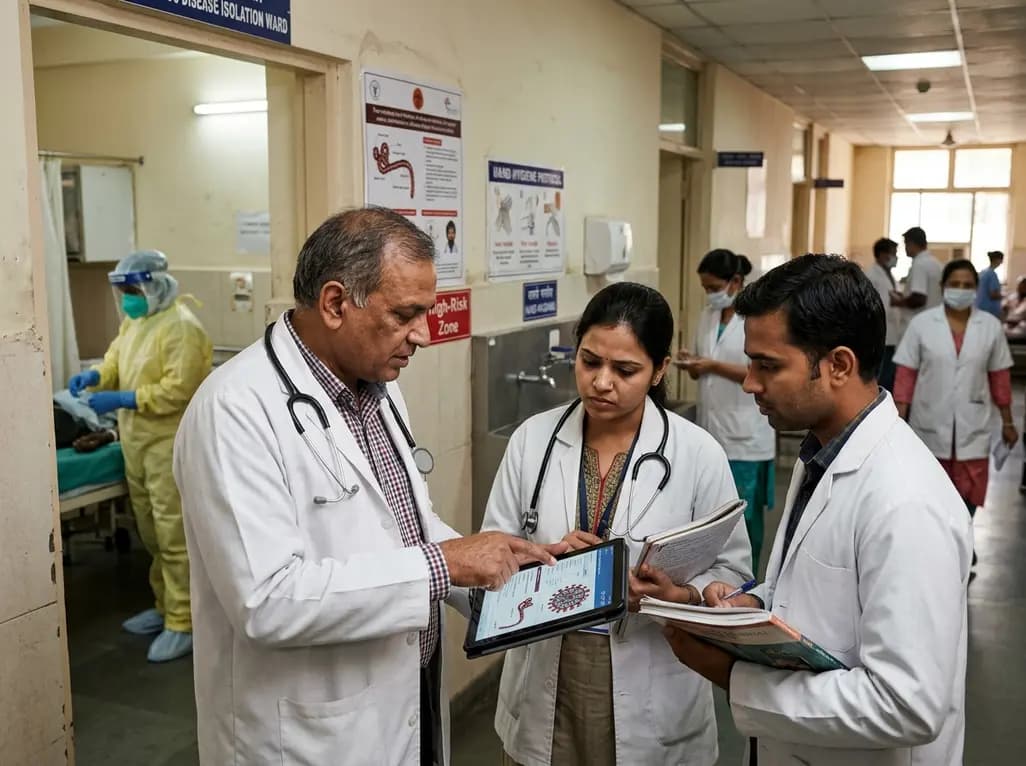
Nigeria has officially confirmed an imported case of Ebola virus disease in the federal capital city of Abuja. Health Minister Muhammad Ali Pate reported that a female patient tested positive following recent travel from Uganda. Consequently, medical teams moved the patient to an isolation facility to deliver intensive supportive care. In addition, public health epidemiologists identified forty-four close contacts for twenty-one days of active surveillance. While containment operations continue, healthcare professionals globally must recognize how rapid international travel impacts pathogen dissemination. Therefore, physicians must maintain clinical suspicion whenever assessing febrile travelers from regions experiencing active viral transmission.
Health authorities launched rapid containment protocols immediately following the laboratory verification in Abuja. Specifically, disease surveillance officers initiated aggressive contact tracing across healthcare settings and travel networks. The tracked cohort of forty-four contacts includes clinical staff, household members, and transit companions. Furthermore, monitoring officers evaluate these exposed persons daily for fever, malaise, and digestive problems. Rapid detection proves vital because prompt quarantine breaks chains of secondary transmission effectively. In addition, the Africa Centres for Disease Control and Prevention maintains cross-border surveillance throughout Central and East Africa. Consequently, public health leaders emphasize regional vigilance to limit geographic expansion across national borders. Modern clinicians must understand how commercial aviation compresses geographic distances during viral incubation periods. An infected passenger can board a flight without symptoms and fall critically ill abroad days later. Therefore, emergency departments require structured triage algorithms that record comprehensive travel histories at initial intake. Such early screening protects healthcare personnel and prevents hazardous exposure across general hospital wards.
Ebola virus disease develops after an incubation period lasting between two and twenty-one days. Initially, infected patients develop non-specific constitutional symptoms that mimic common tropical infections like malaria and typhoid. Specifically, early clinical signs include sudden fever, intense fatigue, myalgia, severe headache, and pharyngitis. However, the illness advances rapidly into a severe systemic disorder within several days. Affected patients routinely suffer from profuse watery diarrhea, persistent vomiting, and severe epigastric distress. Consequently, massive gastrointestinal fluid losses lead to hypovolemia, profound electrolyte derangements, and prerenal azotemia. In severe cases, endothelial injury triggers widespread vascular permeability and disseminated intravascular coagulation. Clinicians frequently note mucosal hemorrhage, petechiae, ecchymosis, and persistent bleeding from venipuncture sites. Furthermore, multi-organ dysfunction, metabolic acidosis, and septic shock can progress toward fatal outcomes quickly. Because clinical deterioration unfolds rapidly, bedside clinicians must institute aggressive supportive interventions without delay. Timely recognition improves clinical outcomes and ensures rapid application of strict infection control safeguards.
Diagnostic testing for suspected filovirus cases demands strict biosafety precautions to prevent catastrophic accidental transmission. Therefore, diagnostic personnel must handle biological specimens under high-containment Biosafety Level 4 conditions. Reverse transcription polymerase chain reaction provides the definitive gold standard for confirming viral ribonucleic acid in blood. Specifically, this molecular test offers high sensitivity and specificity once patients exhibit overt symptoms. However, viral titers can remain below detectable thresholds during the initial three days of illness. Consequently, laboratory directors recommend repeat molecular testing when initial assays return negative despite strong clinical suspicion. Additionally, routine laboratory assessments typically demonstrate severe leukopenia, profound thrombocytopenia, and markedly elevated serum transaminases. Coagulation profiles often show prolonged prothrombin time, elevated international normalized ratio, and elevated D-dimer concentrations. Rapid antigen tests also offer diagnostic utility in resource-limited field settings. Nevertheless, clinicians must validate rapid test results with formal molecular assays at accredited reference centers. Furthermore, healthcare teams must coordinate with national public health authorities before transporting hazardous biological samples.
Effective clinical management focuses on aggressive, targeted supportive care alongside pathogen-specific therapeutic interventions. Above all, clinicians prioritize early intravenous fluid resuscitation using balanced crystalloid solutions to replace fluid deficits. In addition, critical care teams monitor serum electrolytes closely, replacing potassium and magnesium to prevent fatal arrhythmias. Beyond fluid and electrolyte management, targeted monoclonal antibodies have transformed outcomes for specific filovirus infections. For instance, regulatory agencies have approved monoclonal therapies such as Inmazeb and Ebanga for Zaire ebolavirus infections. These neutralizing antibodies bind viral surface glycoproteins, effectively curtailing viral replication and reducing patient mortality. However, clinicians must remember that monoclonal antibody efficacy depends upon the specific viral species involved. Outbreaks involving other filoviruses, such as Bundibugyo or Sudan species, lack approved monoclonal options. Therefore, meticulous hemodynamic optimization, organ support, and empiric antimicrobial therapy for secondary bacterial translocation remain indispensable medical cornerstones. Attentive supportive care provides the physiological bridge necessary for host immune recovery.
Healthcare facilities must enforce rigorous infection prevention protocols to prevent lethal nosocomial transmission within clinical environments. Because the virus transmits through direct contact with infectious bodily fluids, barrier precautions remain indispensable. Clinical workers must don certified personal protective equipment, including fluid-impermeable coveralls, respiratory protection, and double gloves. Furthermore, hospital administrators should enforce buddy-system monitoring during doffing procedures to prevent accidental self-contamination. Environmental management teams must sanitize patient isolation rooms frequently using hospital-grade chlorine solutions. In addition, isolation units must operate with dedicated anterooms to maintain proper bio-containment barriers. Dedicated patient care instruments and needleless intravenous systems substantially lower the risk of accidental needle-stick exposures. Meanwhile, public health authorities may deploy ring vaccination programs around confirmed index cases when matched vaccines exist. Ultimately, continuous staff training, frequent simulation drills, and unwavering institutional vigilance safeguard healthcare teams against catastrophic nosocomial transmission.
Q1: What is the primary mode of transmission for filovirus infections like Ebola?
Filoviruses transmit primarily through direct contact with broken skin or mucous membranes and infected bodily fluids, including blood, vomit, feces, and saliva. Furthermore, touching contaminated surfaces, clinical instruments, or handling contaminated clothing can transmit the pathogen. The virus does not spread through airborne droplets; consequently, transmission requires direct contact with bodily fluids from symptomatic individuals or deceased patients during burial practices.
Q2: How should clinicians differentiate early viral hemorrhagic fever from malaria in returning travelers?
Differentiating early filovirus infection from endemic malaria requires detailed travel history documentation alongside rapid laboratory investigations. Rapid diagnostic tests and blood smears identify malaria parasites quickly. However, clinicians must immediately isolate febrile patients who visited endemic regions within the preceding three weeks. Molecular viral testing should proceed without delay while healthcare teams initiate empiric supportive interventions and appropriate antimalarial treatment.
Q3: Which personal protective equipment standards are mandatory when caring for suspected patients?
Standard protocols require complete cutaneous coverage without any exposed skin during clinical care. Specifically, healthcare providers must wear fluid-impermeable coveralls, waterproof aprons, full-face shields or powered air-purifying respirators, boot covers, and double nitrile gloves. Furthermore, healthcare facilities must implement supervised doffing procedures where trained observers monitor every individual step to prevent hazardous self-contamination during personal protective equipment removal.
Disclaimer: This content is for informational and educational purposes only. It does not constitute medical advice or replace professional judgment. Refer to the latest local and national guidelines for clinical practice.
References

Read summarized clinical updates, watch expert medical content, and earn CME certifications right from your smartphone.
Open your smartphone camera to scan and install.





Following a confirmed Ebola case in Abuja involving an international traveler, health authorities initiated contact tracing for 44 individuals. This analysis covers essential clinical features, biosafety diagnostics, supportive therapeutics, and infection control protocols for frontline physicians.
Today

A novel high-permeation vesicle-in-gel platform enhances transdermal fulvestrant delivery, achieving sustained release, robust intradermal retention, and superior antitumor efficacy in breast cancer models while circumventing the drawbacks of painful intramuscular depot injections.
Today
A landmark ten-year WHO report reveals how socioeconomic status, geography, and gender disparities profoundly aggravate chronic disease risks, diagnosis delays, and therapeutic outcomes globally. Discover actionable primary care strategies to bridge screening divides and optimize vulnerable patient management.
Today
A systematic review and meta-analysis of 8 RCTs evaluated bipolar versus monopolar electrocautery in primary total hip and knee arthroplasty. Pooled data revealed no significant differences in haemoglobin drop, blood loss, or length of stay, concluding that routine bipolar electrocautery is not supported.
Yesterday

A critical review evaluates whether starch-polyphenol complexes meet structural and metabolic criteria to qualify as type 5 resistant starch. The proposed tiered evidence framework distinguishes true inclusion complexes from simple mixtures, clarifying mechanisms for glycemic modulation and gut fermentation.
Today
