.webp&w=384&q=75)

Loading, please wait...
Loading, please wait...

Biofilm-associated infections represent a ubiquitous threat to global public health and safety. These microbial conglomerations consist of sessile bacteria that adhere to surfaces within a self-produced exopolysaccharide matrix. Consequently, biofilms exhibit remarkable resistance to traditional antibiotics, disinfectants, and sanitizers. Recent research highlights the Lactobacillus antibiofilm potential as a revolutionary approach to this problem. By using non-viable derivatives, clinicians can target infections without the risks associated with live probiotic cultures.
Paraprobiotics and postbiotics act as next-generation inhibitors by targeting specific stages of biofilm development. These derivatives effectively suppress microbial adhesion, which is the initial step in colony formation. Furthermore, they disrupt quorum-sensing signaling, the chemical communication system bacteria use to coordinate their defense. By inhibiting extracellular polymeric substance (EPS) production, these bioactive compounds leave pathogens vulnerable to the host immune system.
Several bioactive compounds, including bacteriocins, organic acids, and biosurfactants, drive the Lactobacillus antibiofilm potential against diverse pathogenic bacteria. These molecules offer several advantages over traditional antimicrobials. For instance, they demonstrate enhanced safety profiles and a significantly reduced risk of resistance development. Moreover, these derivatives are cost-effective and possess a longer shelf life, making them suitable for wide-scale clinical applications.
Healthcare facilities can benefit from these nature-friendly tools in various departments, including dentistry and wound management. Recent studies even suggest their efficacy against methicillin-resistant Staphylococcus aureus (MRSA). Therefore, integrating these derivatives into clinical practice could greatly alleviate the risks of biofilm-related contaminations worldwide. Overall, they present a promising, eco-friendly tool for better infection management.
Paraprobiotics are non-viable or inactivated microbial cells. Unlike live probiotics, they do not carry the risk of sepsis or horizontal gene transfer of resistance, making them safer for immunocompromised patients while maintaining high antibiofilm efficacy.
Research identifies bacteriocins, organic acids, and biosurfactants as key components. These substances work synergistically to degrade the protective matrix of the biofilm and prevent bacterial attachment to medical surfaces.
Yes, postbiotics can disrupt biofilms formed by resistant pathogens like MRSA and Pseudomonas aeruginosa. They target the physical and chemical structure of the biofilm rather than just the metabolic pathways targeted by traditional antibiotics.
Disclaimer: This content is for informational and educational purposes only. It does not constitute medical advice or a professional relationship. Always seek the advice of a qualified healthcare provider regarding any medical condition. Refer to the latest local and national guidelines for clinical practice.
References
1. Malik HN et al. Antibiofilm potential of Lactobacillus paraprobiotics and postbiotics: Sustainable alternatives to antimicrobials. J Appl Microbiol. 2026 Mar 20. doi: undefined. PMID: 41860578.
2. Teame T et al. Paraprobiotics and postbiotics of probiotic Lactobacilli, their positive effects on the host and action mechanisms: a review. Front Nutr. 2020;7:570344.
3. Kaur S et al. Targeting Microbial Biofilms and Promoting Wound Healing in MRSA-Infected Diabetic Rats using Postbiotics of Lactiplantibacillus plantarum. Probiotics Antimicrob Proteins. 2025. doi: 10.1007/s12602-025-10565-8.
"
Read summarized clinical updates, watch expert medical content, and earn CME certifications right from your smartphone.
Open your smartphone camera to scan and install.





Lactobacillus-derived paraprobiotics and postbiotics offer a safe, eco-friendly way to disrupt biofilms and combat antimicrobial resistance in clinical sett...
7 months ago

A retrospective analysis reveals that cavotricuspid isthmus ablation using a variable-loop pulsed field ablation catheter achieves acute conduction block safely and efficiently during concomitant atrial fibrillation procedures.
Today
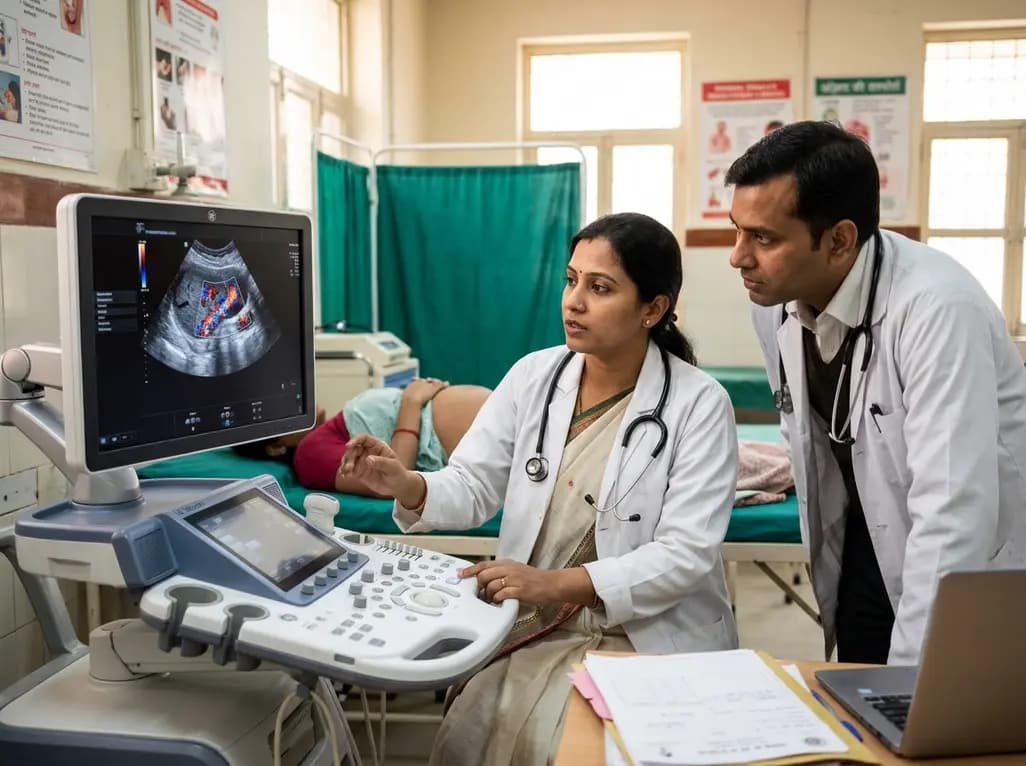
A study in Ultrasound in Obstetrics & Gynecology shows that quantitative vascularization of the anterior fornix/cervix with transvaginal ultrasound reliably identifies placenta accreta spectrum and predicts severe intraoperative hemorrhage, offering vital objective risk stratification.
Today
A clinical study highlights how coupling interval variability assessed through Poincaré plots differentiates right ventricular outflow tract premature ventricular contractions from left ventricular origins, optimizing patient selection and procedural strategy for radiofrequency catheter ablation.
Today
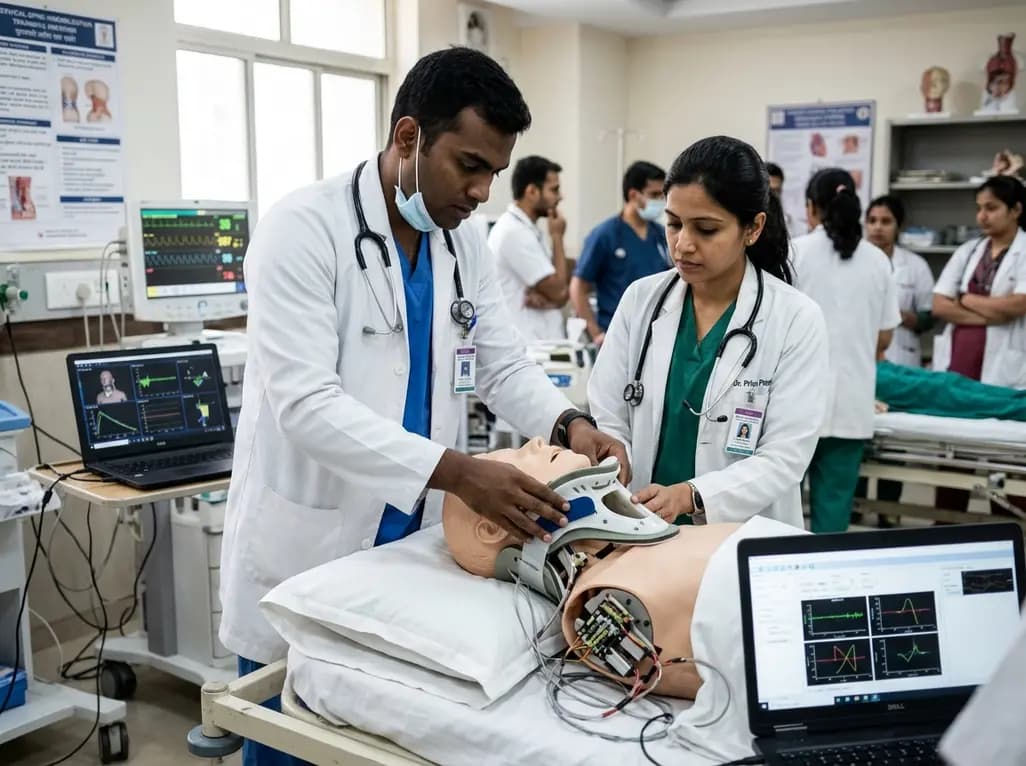
A novel proof-of-concept study presents a six-degree-of-freedom articulated manikin neck equipped with linear potentiometers. The system provides real-time kinematic motion feedback during cervical immobilisation, delivering sub-degree tracking accuracy to improve pre-hospital trauma training and patient safety.
Today
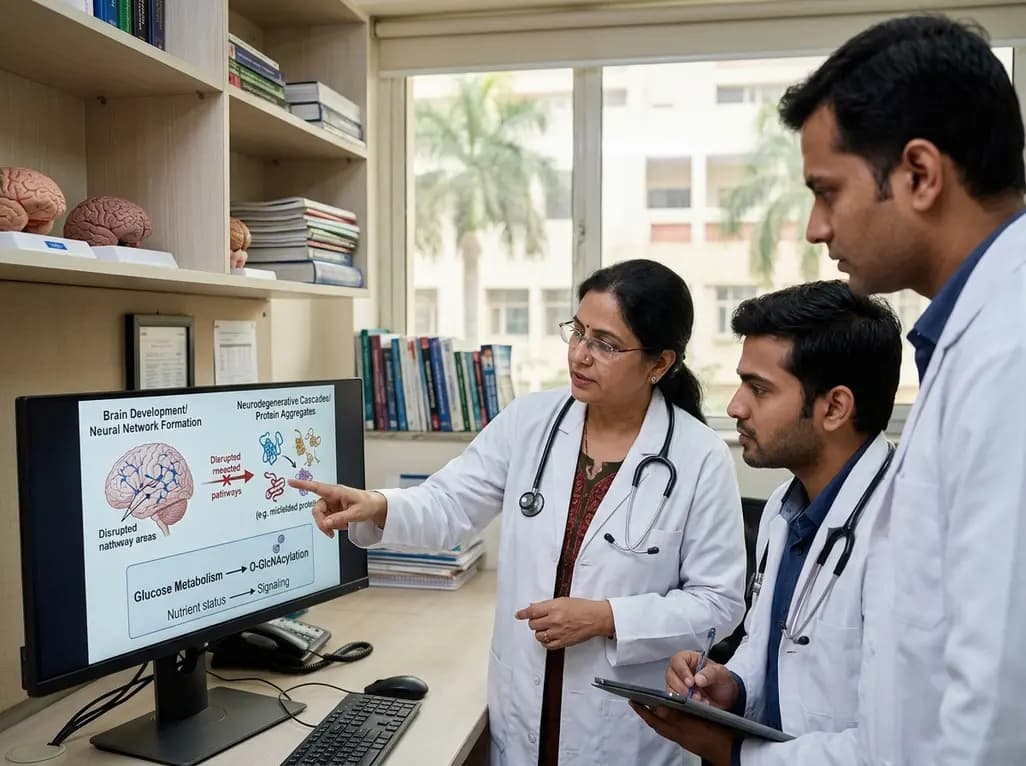
Protein O-GlcNAcylation couples cellular nutrient status to vital neuronal functions. This review explores how disrupted O-GlcNAc cycling drives both neurodevelopmental delays and neurodegenerative cascades, positioning metabolic post-translational modifications as therapeutic targets in clinical neurology.
Today
