

Loading, please wait...
Loading, please wait...

Major depressive disorder remains a leading cause of disability worldwide and frequently coexists with adverse cardiometabolic profiles. Consequently, researchers continue to explore nutritional adjuvants that alleviate psychiatric burden while improving vascular health. Long-chain omega-3 polyunsaturated fatty acids, particularly eicosapentaenoic acid and docosahexaenoic acid, demonstrate neuroprotective and anti-inflammatory properties. However, most earlier clinical trials evaluated fish oil rather than alternative marine sources. Clinicians now exhibit growing interest in krill oil for depression because of its unique molecular formulation. Therefore, evaluating whether krill oil matches or surpasses fish oil provides essential guidance for holistic psychiatric care. Additionally, clarifying differences in bioavailability and metabolic safety helps physicians select personalized nutritional strategies for complex psychiatric patients.
A recent double-blind randomized controlled trial investigated the comparative efficacy of marine oils in adults diagnosed with major depression. Specifically, investigators recruited fifty-seven participants and randomly allocated them to three distinct parallel arms for eight weeks. One intervention group received krill oil providing 520 milligrams of combined EPA and DHA daily. Meanwhile, the second active cohort ingested fish oil delivering 600 milligrams of combined EPA and DHA each day. The control group received an identical-appearing soybean oil placebo to maintain blinding integrity. Notably, researchers conducted comprehensive psychiatric evaluations at regular intervals to monitor clinical trajectory closely.
Throughout the eight-week intervention, clinicians tracked depressive symptoms and psychological distress using validated psychometric tools. For instance, assessors administered the Hamilton Depression Rating Scale alongside the Depression Anxiety Stress Scales at baseline, four weeks, and study completion. Furthermore, phlebotomists collected fasting venous blood samples at baseline and week eight to quantify metabolic parameters. These laboratory evaluations included fasting plasma glucose, glycated hemoglobin, and complete lipid fractions. Ultimately, fifty participants completed the full eight-week trial, thereby yielding robust comparative data across clinical and biochemical endpoints.
The clinical trial revealed remarkable improvements in mental health parameters across both active supplementation arms. Notably, participants receiving krill oil achieved an impressive reduction in Hamilton Depression Rating Scale scores, dropping to 8.5. Similarly, patients taking fish oil demonstrated substantial symptomatic relief, reaching an average score of 10.0 after eight weeks. In sharp contrast, the placebo group maintained significantly higher depression scores throughout the study period. Thus, both marine oil preparations demonstrated clear therapeutic superiority over the soybean oil control.
In addition to relieving depressive episodes, both treatments significantly attenuated secondary psychological symptoms. Specifically, self-reported anxiety and distress scores decreased dramatically from baseline measurements in both intervention cohorts. Moreover, both interventions demonstrated early efficacy, as participants displayed noticeable reductions in depressive symptomatology within four weeks of initiating supplementation. Participants experienced progressive symptomatic relief between week four and week eight, indicating sustained biological activity. However, researchers noted no statistically significant difference in psychological symptom reduction between krill oil and traditional fish oil. Therefore, both marine formulations serve as equally potent adjunctive options for mitigating moderate depressive symptoms in adult clinical populations.
Patients diagnosed with major depression face a heightened vulnerability to premature cardiovascular disease and metabolic syndrome. Consequently, evaluating how psychotropic or nutritional interventions alter cardiometabolic markers remains clinically vital. In this randomized trial, both krill oil and fish oil induced favorable shifts in circulating lipid concentrations. Most prominently, both active supplements produced meaningful increases in plasma high-density lipoprotein cholesterol levels compared to baseline.
Additionally, the researchers observed modest alterations in systemic uric acid concentrations among the supplemented participants. Meanwhile, glycemic indices, including fasting plasma glucose and glycated hemoglobin, remained stable without adverse metabolic disruptions. Importantly, neither supplement worsened low-density lipoprotein cholesterol or total triglyceride concentrations during the eight-week treatment timeline. Because major depressive disorder frequently involves systemic vascular inflammation, these lipid improvements offer meaningful cardioprotective reassurance. Furthermore, these findings align with broader epidemiological evidence emphasizing that marine lipids reduce systemic atherogenic risk. Clinicians can therefore recommend these marine lipid preparations without fearing negative interactions with systemic glucose homeostasis or overall cardiovascular wellness.
Although krill oil and fish oil provide identical primary fatty acids, their underlying chemical structures differ fundamentally. In standard fish oil, eicosapentaenoic acid and docosahexaenoic acid occur primarily bound to triglyceride backbones. Conversely, krill oil delivers the majority of its omega-3 fatty acids esterified into amphiphilic phospholipids. In addition, krill oil naturally contains astaxanthin, a powerful carotenoid antioxidant that protects polyunsaturated fatty acids from oxidative degradation. Additionally, astaxanthin confers natural oxidative stability to the delicate polyunsaturated bonds, preventing lipid peroxidation during storage and ingestion.
Because phospholipids dissolve readily in aqueous environments, scientific literature frequently highlights enhanced intestinal absorption for krill-derived fatty acids. Furthermore, experimental evidence suggests that phospholipid carriers facilitate efficient transport across the blood-brain barrier. In this human trial, krill oil achieved slightly lower depression scores despite delivering an aggregate lower absolute dose of fatty acids. Specifically, 520 milligrams of krill-derived fatty acids achieved comparable clinical efficacy to 600 milligrams of fish-derived fatty acids. Thus, structural bioavailability may allow lower daily dosages of krill oil while maintaining robust clinical and neurological therapeutic efficacy.
These randomized findings provide practical insights for psychiatrists, endocrinologists, and general physicians managing major depressive disorder. First, medical providers should view marine omega-3 fatty acids as valuable, evidence-based adjuncts rather than outright replacements for standard pharmacotherapy. Combining selective serotonin reuptake inhibitors with omega-3 supplementation frequently produces superior clinical outcomes compared to monotherapy alone. Moreover, both marine supplements demonstrated excellent gastrointestinal tolerability, and participants exhibited high compliance rates across the eight-week treatment period.
However, clinicians must consider cost, formulation preferences, and patient tolerance when selecting between krill and fish oil. Traditional fish oil remains widely accessible and cost-effective across public healthcare and private settings in India. On the other hand, krill oil offers smaller capsule sizes and lacks the unpleasant fishy aftertaste or reflux common with fish oil. Furthermore, krill oil provides an attractive alternative for individuals requiring lower daily volume or enhanced tolerability. Consequently, physicians can engage patients in shared decision-making regarding cost, swallowing comfort, and specific therapeutic priorities. Ultimately, clinicians can confidently tailor omega-3 supplementation to individual patient profiles, knowing that both sources deliver reliable neurocognitive and metabolic support.
Krill oil provides omega-3 fatty acids bound to phospholipids, whereas fish oil delivers them attached to triglycerides. This unique phospholipid structure enhances intestinal absorption and tissue bioavailability. Consequently, krill oil achieves comparable antidepressant and anxiolytic efficacy at slightly lower absolute doses of eicosapentaenoic acid and docosahexaenoic acid.
No, physicians should not prescribe omega-3 fatty acids as monotherapy replacements for prescribed antidepressant medications in moderate to severe depression. Instead, clinical evidence supports their use as adjunctive nutritional therapy alongside psychotropic medications and psychotherapy. Combining omega-3 supplementation with standard psychiatric treatments enhances therapeutic response rates and alleviates concurrent anxiety symptoms.
Both krill and fish oil significantly raised beneficial high-density lipoprotein cholesterol levels without causing adverse alterations in fasting glucose or glycated hemoglobin. Furthermore, both supplements maintained safe glycemic and lipid stability over eight weeks. These favorable metabolic effects provide vital cardioprotection for individuals suffering from depression and comorbid cardiometabolic risk.
Disclaimer: This content is for informational and educational purposes only. It is not intended to be a substitute for professional medical advice, diagnosis, or treatment. Always seek the advice of your physician or other qualified health provider with any questions you may have regarding a medical condition. Never disregard professional medical advice or delay in seeking it because of something you have read here. Refer to the latest local and national guidelines for clinical practice.
References

Read summarized clinical updates, watch expert medical content, and earn CME certifications right from your smartphone.
Open your smartphone camera to scan and install.





A randomized double-blind trial compares krill oil versus fish oil in adults with major depressive disorder. Both marine supplements significantly reduced depressive and anxiety scores while improving HDL-c levels without altering glucose metabolism, supporting their role as cardiometabolic-friendly psychiatric adjuvants.
Today

Standardizing continuous physiological waveforms in EHRs has long challenged clinical teams. The novel TIDE framework leverages HL7 FHIR R4 to decouple queryable clinical metadata from massive raw signal repositories, unlocking scalable telemetry exchange for bedside care and predictive research.
Today

A secondary analysis of the MOMS clinical trial reveals that infant sex does not influence neonatal opioid withdrawal syndrome severity in buprenorphine-exposed newborns. Maternal co-exposures and clinical factors drive outcomes, highlighting the need for objective assessment and supportive breastfeeding.
Today
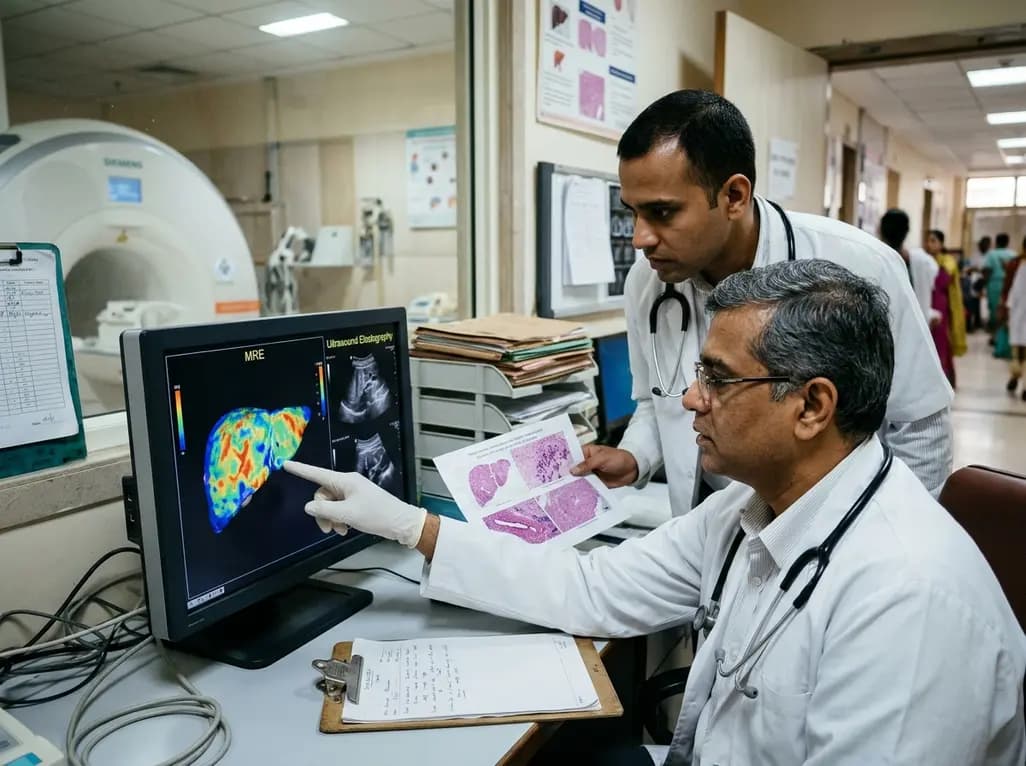
A comparative study reveals magnetic resonance elastography outperforms ultrasound elastography in assessing liver fibrosis in Fontan-associated liver disease, demonstrating stronger histological agreement and superior discrimination.
Today

A systematic review and meta-analysis highlights the substantial impact of plyometric jump training on jump performance, reactive strength, and landing kinematics in female team-sport athletes, providing evidence-based programming guidelines for sports medicine and orthopedics.
Today

A comprehensive review of the role of growth hormone in diabetic kidney disease and podocytopathy. Learn how elevated GH activates ZEB2, Notch, and TGF-beta1, driving podocyte loss and glomerulosclerosis, and explore novel targeted therapeutic approaches.
Today
