.webp&w=384&q=75)

Loading, please wait...
Loading, please wait...

The Kerala government recently approved the Kerala Universal Health Coverage scheme to provide medical protection for every citizen. Health Minister Veena George confirmed this significant development following extensive discussions and review meetings. This initiative aims to include families currently excluded from programs like Karunya Arogya Suraksha Padhathi (KASP) and MEDISEP. Consequently, lakhs of families will now receive essential treatment assistance through this comprehensive project.
Historically, the government limited treatment assistance to a small number of families. However, the state has significantly expanded these benefits over the last decade. Currently, the KASP scheme provides coverage of up to Rs 5 lakh per year to approximately 42 lakh families. Despite this progress, many households still lacked adequate insurance. Therefore, the new project specifically targets those who fall through the cracks of existing frameworks. This expansion reflects the state's commitment to the Vision 2031 goals for public health.
Families with an annual income below Rs 3 lakh can access up to Rs 2 lakh for treatment. Furthermore, they receive an additional Rs 1 lakh benefit for kidney-related diseases under the Karunya Benevolent Fund. The Health Department prepared this proposal in 2025 after a detailed analysis of the state's healthcare needs. Chief Minister Pinarayi Vijayan chaired meetings in November to finalize the project's roadmap. Ultimately, the state budget officially announced the scheme to ensure long-term sustainability.
Q1: Who is eligible for the new Kerala Universal Health Coverage scheme?
The scheme targets families who are not currently covered by existing programs like KASP, MEDISEP, or the Karunya Benevolent Fund, especially those with an annual income below Rs 3 lakh.
Q2: What is the maximum coverage amount under the new project?
Eligible families can receive treatment assistance of up to Rs 2 lakh, with additional benefits of up to Rs 1 lakh specifically for kidney-related ailments.
Disclaimer: This content is for informational and educational purposes only. It does not constitute medical advice or replace professional judgment. Refer to the latest local and national guidelines for clinical practice.
References

Read summarized clinical updates, watch expert medical content, and earn CME certifications right from your smartphone.
Open your smartphone camera to scan and install.





Kerala Health Minister Veena George approves the Universal Health Coverage scheme to provide medical protection to families excluded from existing programs....
5 months ago

A new study reveals that lipid-related metabolic dysregulation, marked by elevated TG/HDL-C ratio and glymphatic changes, independently impacts survival in idiopathic normal pressure hydrocephalus.
Today
A premature neonate developed upper limb compartment syndrome after uterine rupture extruded the arm through a scar defect. Conservative management with continuous monitoring yielded complete functional recovery and normal limb growth at 10-year follow-up, highlighting non-operative safety in selected cases.
Today
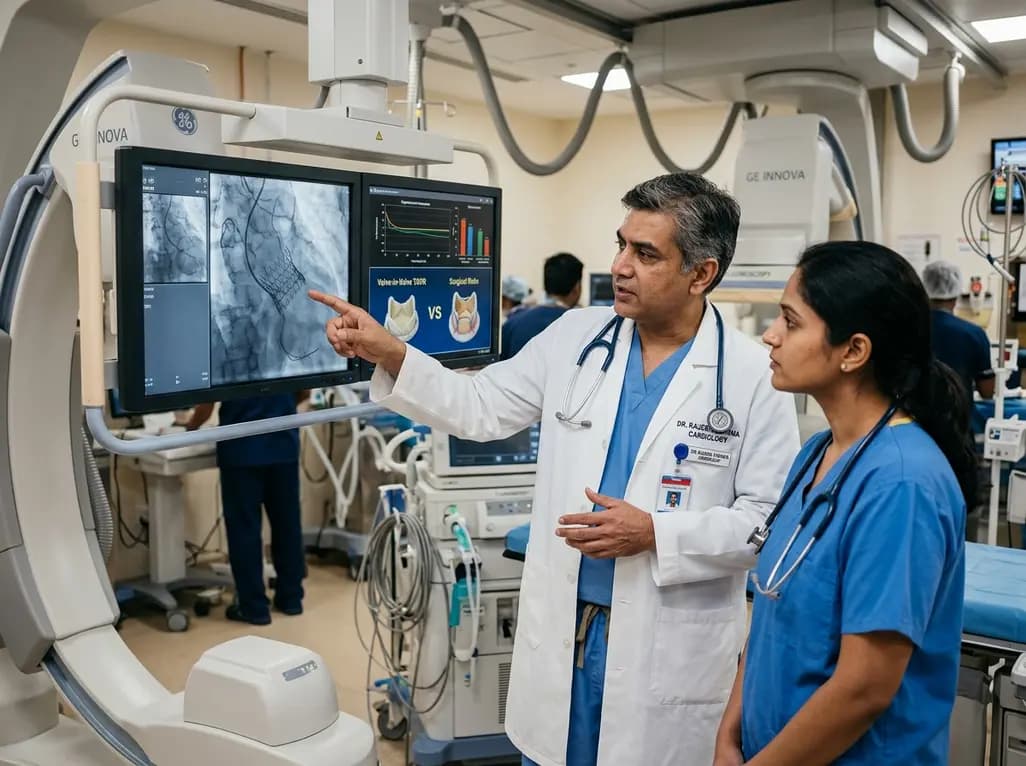
A meta-analysis of 13 propensity score-matched studies shows ViV-TAVR delivers lower early mortality and reduced bleeding compared to redo-SAVR for degenerated bioprosthetic aortic valves, though long-term hemodynamics warrant careful anatomical and patient-centered evaluation.
Today
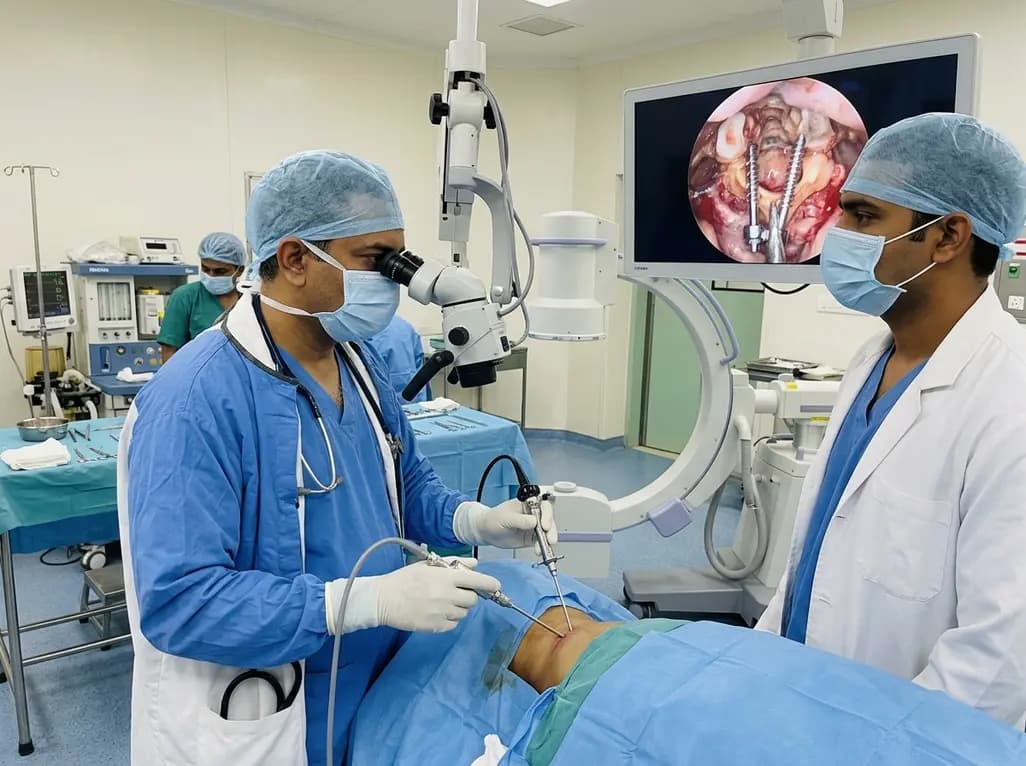
Endoscopic posterior cervical fusion combines minimally invasive decompression, joint preparation, and rigid screw-rod fixation for atlantoaxial pathologies. Early clinical findings demonstrate solid bony union, excellent symptom relief, and minimal soft-tissue morbidity without significant vascular compromise.
Yesterday
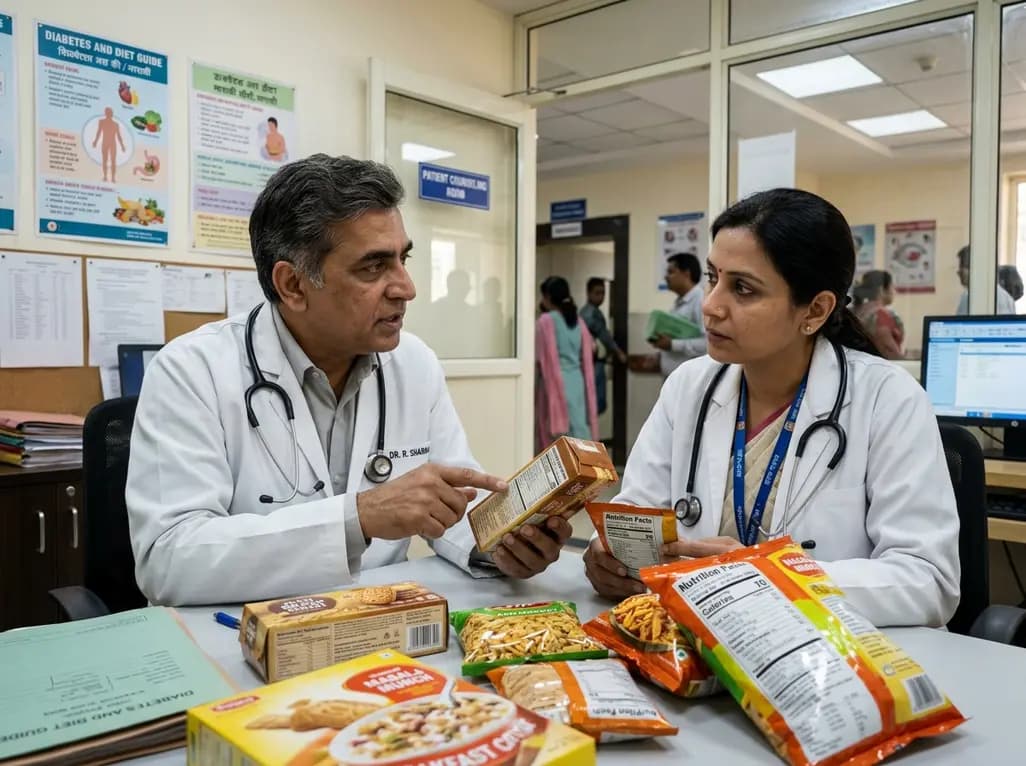
The All-India Food Processors' Association has approached the Supreme Court to oppose FSSAI's proposed per-100g benchmark for front-of-pack warning labels, advocating instead for a per-serving threshold. We explore the regulatory showdown, nutritional evidence, and implications for clinical lifestyle counseling.
Today
