

Loading, please wait...
Loading, please wait...

The Kerala Legislative Assembly recently achieved a historic milestone by passing a comprehensive bill safeguarding aging populations. This landmark elderly care legislation establishes an enforceable rights-based framework for senior citizens across the state. Consequently, healthcare providers and clinical administrators must evaluate how these statutory shifts will reshape geriatric care delivery. The legislation directly addresses the multifaceted vulnerabilities associated with demographic aging, migration, and family dissolution. Furthermore, it bridges significant gaps left by prior welfare policies. Medical professionals must prepare for enhanced regulatory oversight, standardized caregiver certifications, and evolving legal duties toward vulnerable older patients.
Kerala currently experiences the most pronounced demographic aging transition in India. Rapidly declining fertility rates alongside increased life expectancy have dramatically expanded the proportion of citizens aged sixty and older. Moreover, massive youth out-migration to overseas employment hubs has created unique social vulnerabilities. Many elderly individuals live alone in rural and semi-urban communities without immediate familial support systems. Consequently, conventional informal caregiving networks are breaking down under modern socioeconomic pressures. While outward remittances may support baseline daily living expenses, financial resources alone cannot replace compassionate hands-on assistance during acute illness or physical frailty. In addition, the central Maintenance and Welfare of Parents and Senior Citizens Act of 2007 primarily emphasizes maintenance claims against children. However, relying solely on family litigation often fails to resolve systemic healthcare deficits. Therefore, statutory modernization became an urgent public health imperative. This pioneering elderly care legislation establishes clear state-backed entitlements. Ultimately, it ensures that aging adults receive structured health monitoring, emotional support, and dignity within their home communities.
For decades, residential homes and private nursing agencies operated without consistent statutory standards. Consequently, older adults faced substantial risks of neglect, substandard infection control, and substandard clinical attention. The newly approved law introduces mandatory registration and periodic monitoring for all private and public geriatric care institutions. Furthermore, home-nursing agencies must now adhere to certified training curricula for all deployed professional caregivers. Healthcare administrators must recognize that unlicensed care homes now face severe legal liabilities, including fines and institutional closure. In addition, regular municipal and district-level inspections will audit patient safety, living sanitation, and medical emergency preparedness. As a result, hospitals discharging frail patients into long-term facilities can finally verify institutional accreditations with confidence. This formal regulatory umbrella also establishes enforceable caregiver-to-patient ratios to minimize preventable adverse events such as decubitus ulcers and falls. Physicians working in community geriatrics must understand these compliance benchmarks when coordinating step-down or palliative care. Ultimately, mandatory quality controls will protect vulnerable seniors while raising overall standards in eldercare infrastructure.
Elder abuse remains a pervasive yet vastly underreported clinical and social crisis across India. Medical practitioners frequently encounter physical trauma, unmanaged chronic conditions, malnutrition, and profound depressive symptoms stemming from neglect. Importantly, the new bill imposes stringent criminal penalties and prison terms for individuals who abuse elderly dependents. It also criminalizes the illegal confiscation of elderly property and deliberate abandonment in public places. Family members who leave ailing parents at railway stations, pilgrimage sites, or hospitals will face immediate prosecution. In addition, district protection units will investigate allegations of financial coercion and emotional isolation. Clinicians serve as the primary frontline observers who can detect indicators of domestic violence, intentional starvation, or medical non-adherence enforced by predatory relatives. Therefore, physicians must familiarize themselves with direct reporting pathways to state tribunals and welfare ombudsmen. Early institutional intervention can prevent permanent physical morbidity and severe psychological deterioration. Ultimately, strong legal deterrents empower healthcare teams to advocate courageously for their most defenseless patients.
The statutory recognition of autonomy at the end of life represents an exceptional breakthrough in the legislation. Historically, clinicians confronted severe ethical dilemmas when treating terminal patients whose families demanded futile, invasive interventions. Although the Supreme Court laid down initial guidelines for advance medical directives, practical bedside execution remained extraordinarily cumbersome. Consequently, the new state legislation simplifies the formal execution of living wills. Patients can now record explicit preferences regarding artificial nutrition, invasive mechanical ventilation, and cardiopulmonary resuscitation in advance. Furthermore, district protection forums will validate these documents to guarantee authenticity and informed voluntary consent. This legal clarity substantially eases the moral distress experienced by intensivists, oncologists, and palliative care specialists. Physicians can now honor patient autonomy without fearing civil litigation or frivolous criminal accusations. In addition, the legislation reinforces the establishment of dedicated geriatric outpatient clinics and acute hospital wards. Accordingly, health systems must integrate multidimensional geriatric assessments into primary and tertiary workflows to ensure coordinated, empathetic management of multimorbidity.
Beyond penal provisions, the new law redefines aging by viewing senior citizens as vital economic and social contributors. It actively discourages the outdated narrative that views retirement as passive societal decline. Instead, the statute promotes a dynamic silver economy that utilizes the valuable skills and institutional wisdom of senior citizens. For example, state initiatives such as the Second Innings program encourage retired professionals to mentor younger generations and guide local governance. Furthermore, local legislative members are mandated to formulate community-level enrichment programs and productive activity hubs in their constituencies. Active social engagement directly counteracts loneliness, cognitive decline, and chronic depressive illnesses among community-dwelling elders. Moreover, physical activity centers and intergenerational learning hubs help sustain mobility and cardiometabolic vitality. Primary care doctors should actively prescribe these structured community programs alongside standard pharmacological therapies. Consequently, healthy aging strategies will mitigate the heavy clinical burden of lifestyle-related degenerative conditions. Ultimately, building age-friendly communities preserves mental vigor, reduces institutionalization, and enriches society as a whole.
Q1: What are the primary objectives of the newly passed bill?
The primary objectives focus on establishing enforceable rights for aging citizens rather than relying purely on discretionary welfare. The legislation penalizes elder abuse, criminalizes abandonment, and prevents unlawful seizure of ancestral property. Furthermore, it mandates statutory registration for eldercare centers and establishes structured caregiver training standards. Additionally, the statute actively promotes a silver economy to help senior citizens remain productive, socially integrated, and self-sufficient throughout their retirement years.
Q2: How does the new state legislation interact with the central 2007 Act?
The state bill complements and expands upon the central Maintenance and Welfare of Parents and Senior Citizens Act of 2007. While the central statute primarily offers financial maintenance remedies through local tribunals, this state law introduces comprehensive regulatory enforcement. For instance, it provides specific legal mechanisms for advance medical directives, establishes mandatory oversight of home-nursing agencies, and imposes direct criminal sanctions for abandonment. Consequently, it creates a much broader protective net for vulnerable seniors.
Q3: What role do healthcare practitioners play under the new regulatory framework?
Healthcare practitioners serve as critical frontline identifiers of physical neglect, financial exploitation, and severe domestic abuse. Under this comprehensive framework, physicians must report suspected maltreatment to district senior citizen protection forums. Moreover, clinicians in critical care and oncology must understand the procedures for validating and executing living wills. Physicians also help audit healthcare standards in long-term care homes, ensuring institutional environments adhere to established geriatric clinical guidelines and hygiene regulations.
Disclaimer: This content is for informational and educational purposes only. It does not constitute medical advice or replace professional judgment. Refer to the latest local and national guidelines for clinical practice.
References

Read summarized clinical updates, watch expert medical content, and earn CME certifications right from your smartphone.
Open your smartphone camera to scan and install.





The Kerala Legislative Assembly has unanimously approved a pioneering bill establishing enforceable protections for senior citizens. The statutory framework regulates elderly care institutions, penalizes neglect and abandonment, introduces living wills, and integrates geriatric healthcare into community planning.
Today
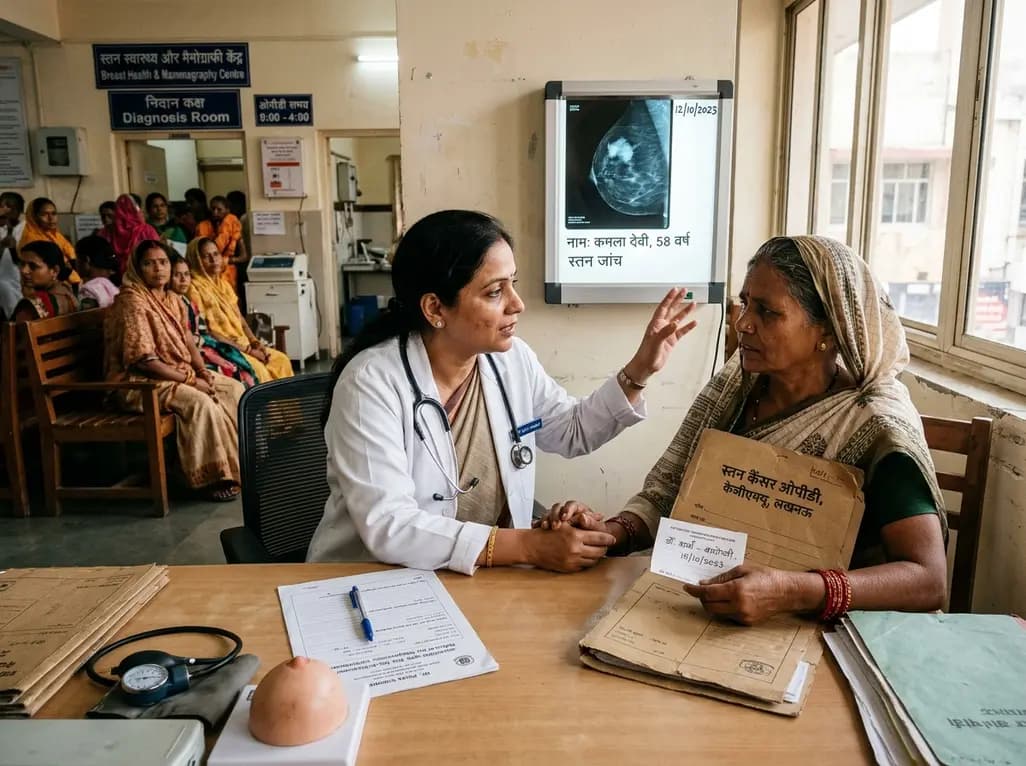
A KGMU study reveals over half of women with breast abnormalities fail to undergo diagnostic confirmation, leading to advanced-stage detection. Discover the socio-cultural barriers, clinical risks of incomplete resection, and community-level solutions needed to bridge the critical screening-to-diagnosis gap in India.
Yesterday
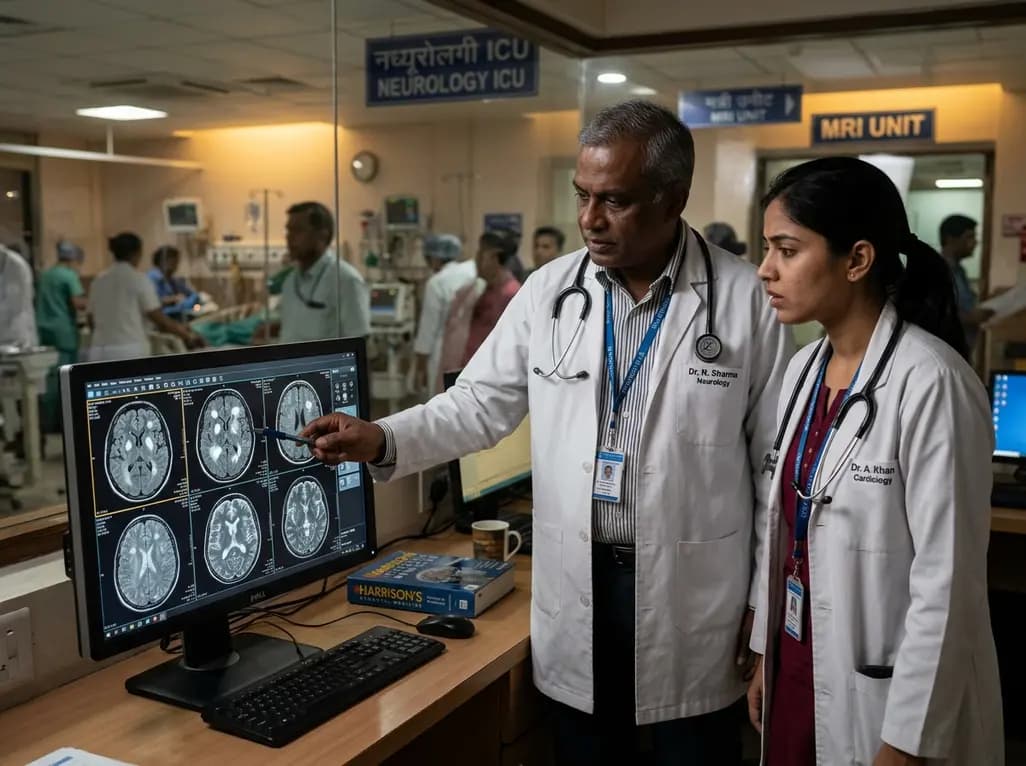
Recent findings from the VESUVE study demonstrate that brain MRI detects intracranial lesions in over 76% of patients with infective endocarditis. Acute ischemic stroke and subarachnoid hemorrhage independently elevate six-month mortality, underscoring the critical prognostic utility of neuroimaging.
Today
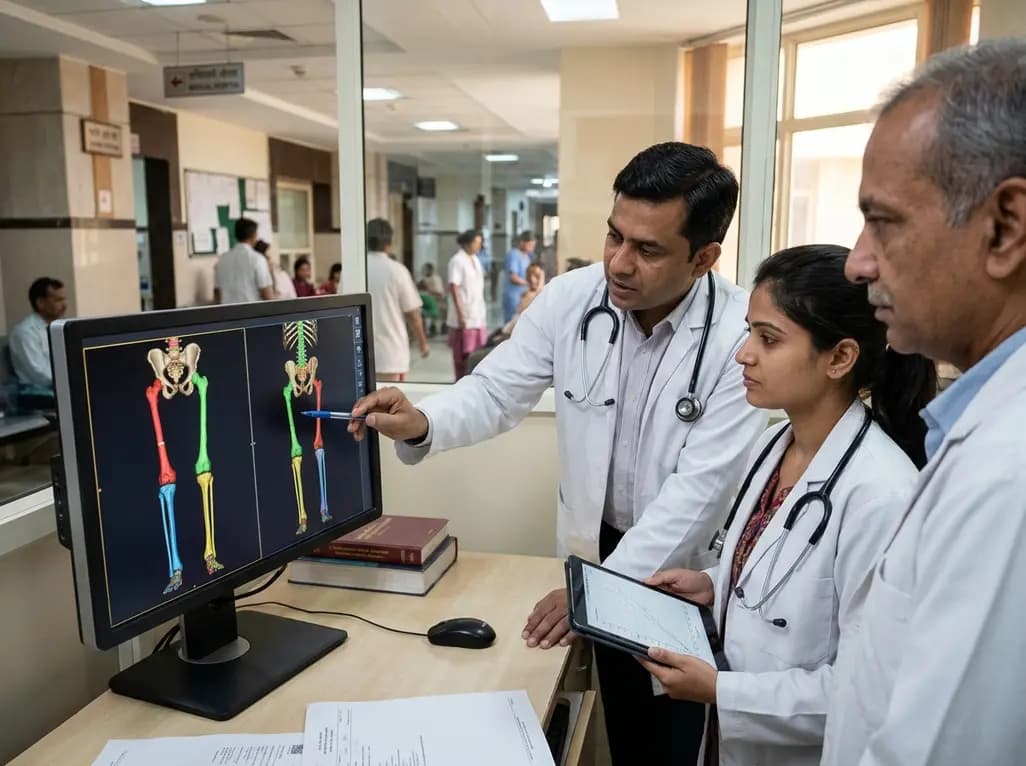
Modern 3D anthropometry reveals that pediatric leg growth ceases years before spinal elongation, exposing the clinical illusion of the classical Anderson-Green model. Learn how segmental growth dissociation improves surgical timing for epiphysiodesis in adolescent leg length discrepancy.
Today

A meta-analysis of 18 studies reveals that bariatric surgery does not significantly alter circulating homocysteine levels, regardless of follow-up duration. Clinicians must maintain vigilance over post-surgical micronutrient supplementation to prevent hyperhomocysteinemia.
Today
