.webp&w=384&q=75)

Loading, please wait...
Loading, please wait...

Juvenile nasopharyngeal angiofibroma (JNA) is a rare vascular tumor that primarily affects adolescent males. While surgical resection remains the gold standard, managing postoperative remnants or recurrences is challenging. Consequently, JNA residual disease management can often prioritize observation over aggressive intervention. A systematic review reveals that many of these lesions naturally regress or remain stable without further treatment.
Furthermore, the review analyzed 131 patients and found that 41% of residual or recurrent tumors underwent complete involution. Additionally, 29% of cases remained stable, while 25% showed a significant reduction in size. Only a small fraction (2%) experienced progressive disease. These statistics indicate that the natural history of JNA is frequently indolent. Therefore, the immediate need for revision surgery or radiation in asymptomatic patients is often unnecessary.
Clinicians must weigh the risks of additional treatments against the likelihood of spontaneous regression. Notably, the study observed a significant association between the treatment modality and final outcome. Radiotherapy, whether used alone or as part of a multimodal plan, yielded the highest rates of spontaneous involution. However, because most cases do not progress, close surveillance with imaging has emerged as a safe and effective strategy. As a result, this approach minimizes surgical morbidity and the long-term side effects of radiation in a young patient population.
Yes, research shows that approximately 41% of residual or recurrent juvenile nasopharyngeal angiofibromas undergo complete spontaneous involution over time.
No, surgery is not always necessary. If the patient is asymptomatic and the tumor is stable or regressing, close surveillance with imaging is often the preferred management strategy.
Disclaimer: This content is for informational and educational purposes only. It does not constitute medical advice or a substitute for professional healthcare. Consult a qualified medical professional for diagnosis and treatment. Refer to the latest local and national guidelines for clinical practice.
References
1. Kumar SA et al. The Natural History of Residual and Recurrent Disease in Advanced Juvenile Nasopharyngeal Angiofibroma: A Systematic Review. Laryngoscope. 2026 May 24. doi: 10.1002/lary.70634. PMID: 42178599.
2. Amdur RJ et al. Radiotherapy for juvenile nasopharyngeal angiofibroma. Pract Radiat Oncol. 2011 Oct-Dec;1(4):246-52. doi: 10.1016/j.prro.2011.04.002.
"
Read summarized clinical updates, watch expert medical content, and earn CME certifications right from your smartphone.
Open your smartphone camera to scan and install.





A systematic review shows that residual and recurrent JNA often regresses or stabilizes, suggesting that surveillance is a safe strategy for asymptomatic pa...
4 months ago
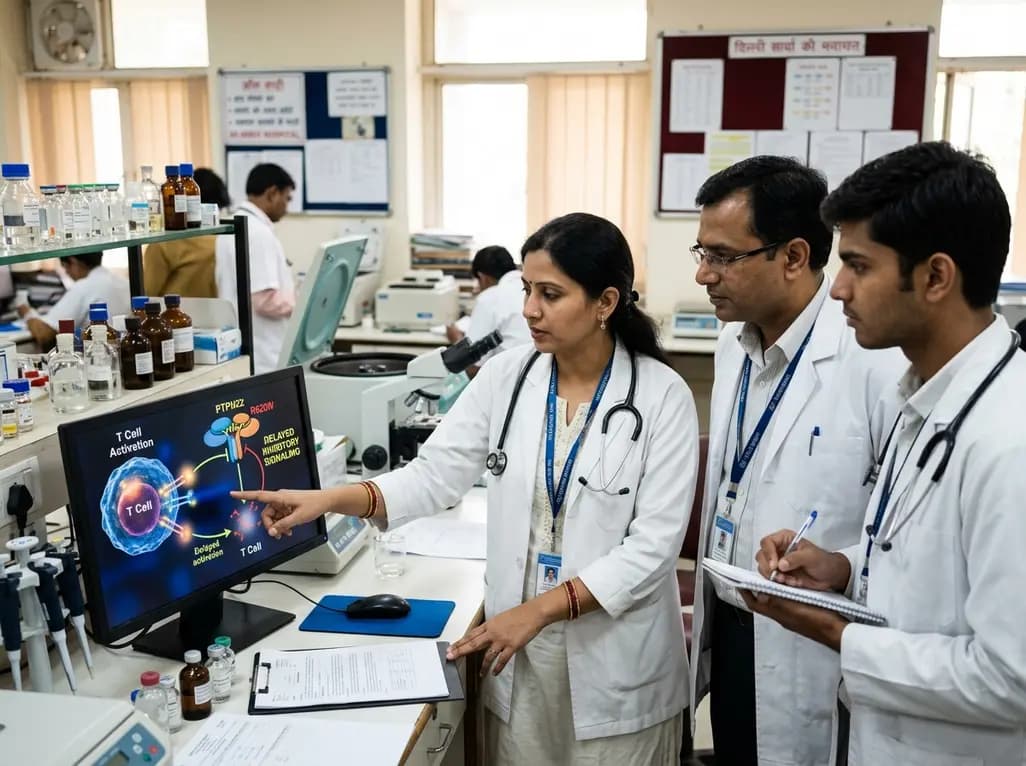
New immunological research reveals how PTPN22 forms a delayed inhibitory signaling complex to restrain T cell activation, explaining how the autoimmune-linked R620W variant disrupts feedback control and promotes persistent inflammation in conditions like rheumatoid arthritis and type 1 diabetes.
Today
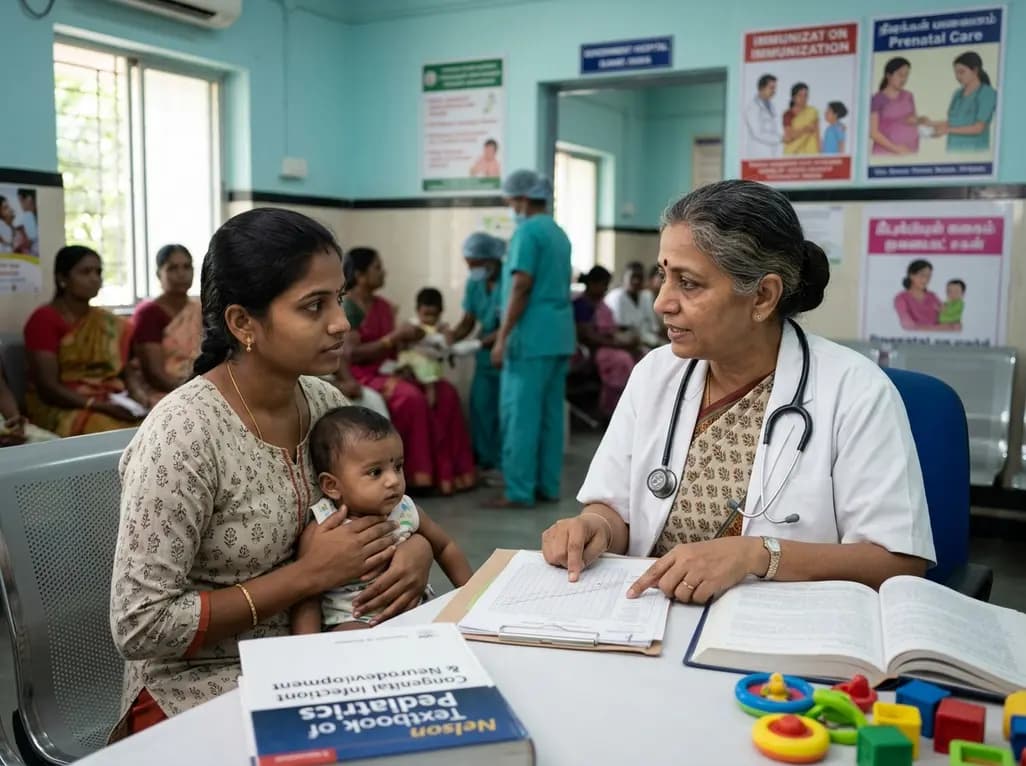
A nationwide study covering 3.7 million Swedish births reveals that prenatal exposure to TORCH pathogens significantly elevates long-term risks of intellectual disability and autism. Healthcare providers must recognize clinical indicators, promote prenatal prevention, and track early pediatric neurodevelopment.
Today
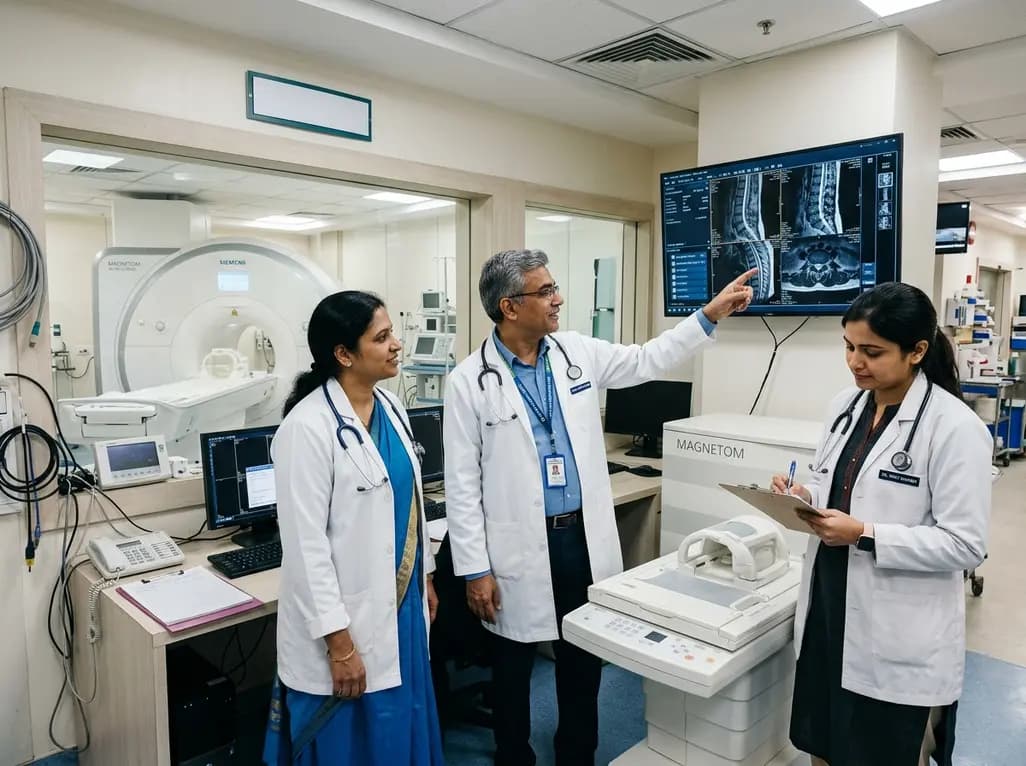
Under India's PLI initiative, domestic production of 57 critical medical devices has commenced, including MRI and CT scanners, cath labs, and heart valves. Global partnerships and local investments are expanding high-end technology, curbing import reliance, and strengthening clinical accessibility nationwide.
Today
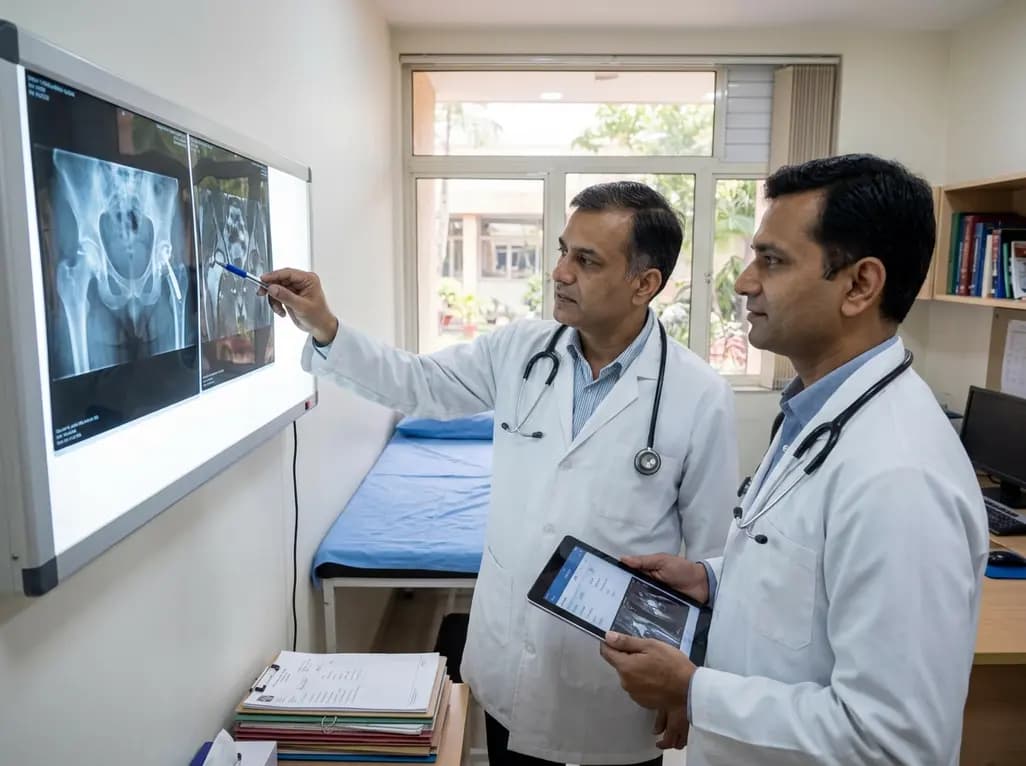
A longitudinal study reveals that patients undergoing staged bilateral hip arthroscopy experience progressive contralateral labral deterioration during surgical intervals. However, structural degradation does not compromise 2-year postoperative clinical outcomes or patient-reported satisfaction scores.
Today
SWEDEPAD-1 trial insights show paclitaxel-coated devices do not improve long-term limb salvage in patients with chronic limb-threatening ischemia and tissue loss. While one-year reinterventions decreased, the devices were linked to a higher risk of major amputation at three months.
Yesterday
