.webp&w=384&q=75)

Loading, please wait...
Loading, please wait...
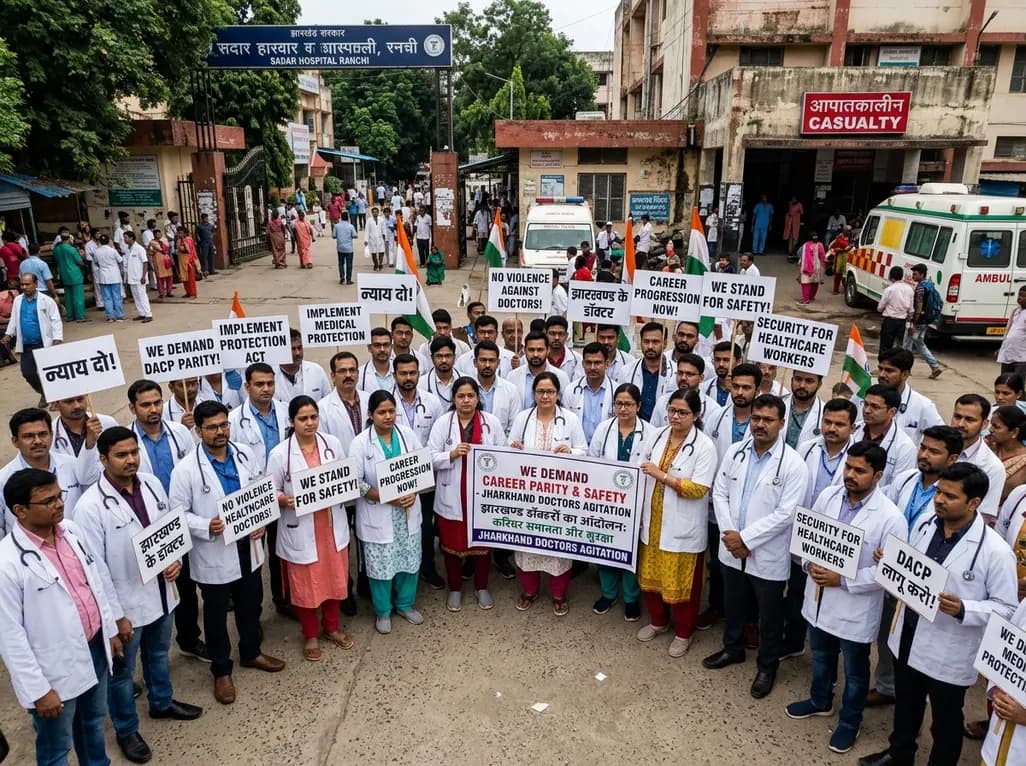
The recent Jharkhand doctors protest highlights growing systemic discontent across regional healthcare systems. Over 20,000 medical professionals are actively demanding critical administrative and statutory reforms. Specifically, clinicians seek dynamic career progression, regulatory amendments for smaller clinics, and dedicated legal protections against workplace violence. Consequently, analyzing these demands provides essential insights into public health administration.
For more than a decade, government medical officers in Jharkhand have confronted severe promotional roadblocks. The Dynamic Assured Career Progression (DACP) scheme aims to grant periodic financial elevations independent of cadre vacancies. However, prolonged administrative inertia has prevented hundreds of medical specialists from securing time-bound promotional upgrades. The Jharkhand State Health Services Association emphasizes that the state framed specialist recruitment rules in 2015. Nevertheless, authorities formulated no DACP regulations for these specialists over the following eleven years. As a result, experienced clinicians routinely carry immense workloads without receiving deserved financial recognition. In contrast, other administrative cadres regularly obtain time-bound pay scale enhancements. This continuing disparity damages morale across public district hospitals and community health centers. Additionally, young specialists feel discouraged from remaining in rural postings without viable promotion pathways. The medical fraternity stresses that clear career progression is crucial for retaining talented clinicians. Without structured promotions, the public health sector risks losing skilled specialists to the private sector. Thus, establishing comprehensive DACP rules remains an urgent priority for healthcare administrators. Consequently, resolving this administrative stalemate restores professional equity.
A central grievance fueling the agitation involves the glaring disparity between Jharkhand and Bihar service rules. Both states originally shared administrative frameworks prior to their division in late 2000. However, Bihar instituted four dynamic financial upgrades across a twenty-year service timeline. In stark contrast, medical officers in Jharkhand must complete twenty-five years to achieve the same milestones. Consequently, Jharkhand government doctors lag five years behind their counterparts across the border. This five-year delay creates severe economic disadvantages throughout a physician's career. Furthermore, it permanently reduces lifetime earnings, pension calculations, and terminal retirement benefits. Leaders from the Indian Medical Association highlight that this disparity lacks logical justification. Because clinicians in both states manage comparable disease burdens, career incentives should match. Moreover, neighbouring states actively recruit skilled specialists by offering superior career incentives. If Jharkhand fails to provide equal promotional timelines, talent drain will continue. Therefore, aligning local service regulations with Bihar standards is both necessary and fair. Harmonizing these rules will restore institutional trust and support clinical dedication statewide. Additionally, fair promotional timelines directly strengthen long-term healthcare operational resilience.
Physicians across Jharkhand are also demanding practical amendments to the Clinical Establishments Act. Current statutory requirements enforce rigorous infrastructural standards across all medical settings. However, applying identical parameters to tertiary hospitals and modest rural clinics creates immense friction. The Indian Medical Association specifically advocates exempting nursing homes and clinics with up to fifty beds. Because smaller clinics operate with limited resources, rigid architectural rules threaten operational survival. Consequently, aggressive regulatory actions frequently compel small rural facilities to halt medical operations. Such closures deprive underserved communities of vital outpatient consultations, immunizations, and normal deliveries. In addition, extensive paperwork diverts clinical attention away from actual patient care. Medical bodies emphasize that larger institutions exceeding fifty beds require thorough oversight. Nevertheless, smaller health centers need adaptable rules reflecting local socio-economic realities. Therefore, amending the regulatory Act protects basic clinical safety without disrupting grassroots healthcare delivery. Furthermore, pragmatic regulations encourage young medical professionals to establish community practices in peripheral zones. Policymakers must recognize that sustainable public health relies heavily on accessible private outpatient clinics. Hence, statutory reforms will preserve critical rural medical infrastructure.
Workplace violence against doctors represents another critical challenge driving the statewide agitation. Medical staff in acute care departments frequently encounter verbal hostility, physical threats, and vandalism. These hostile events often erupt after sudden clinical deterioration or unavoidable medical complications. However, distressed family members frequently misinterpret biological mortality as evidence of clinical negligence. Without dedicated legal safeguards, emergency departments and intensive care wards remain persistently vulnerable. Consequently, medical associations demand the immediate enactment of an effective Medical Protection Act. This proposed statute prescribes strict penalties and non-bailable charges for hospital attacks. Furthermore, it designates healthcare facilities as protected spaces to deter unruly mobs. Many neighbouring states have successfully passed similar legislation to protect on-duty medical personnel. In contrast, the absence of clear statutory protection in Jharkhand leaves healthcare workers anxious. Consequently, doctors increasingly adopt defensive treatment methods, including excess diagnostic imaging. Therefore, establishing comprehensive protective legislation restores professional security and promotes fearless medical practice. Ultimately, protecting clinical professionals ensures uninterrupted, high-quality patient treatment during critical emergencies.
The proposed agitation schedule creates significant operational challenges for healthcare administrators and clinical teams. Initially, doctors will wear black badges while treating patients until October twentieth. If the government provides no concrete solutions, medical officers will observe a symbolic strike. Subsequently, healthcare unions plan an indefinite statewide strike starting on October twenty-second. Such widespread service boycotts inevitably disrupt elective operations, diagnostic clinics, and routine outpatient consultations. Therefore, hospital directors and medical superintendents must organize clear contingency protocols immediately. Clinical leadership must reinforce emergency services, intensive care units, and acute trauma management. Furthermore, private medical institutions should coordinate with public facilities to manage acute patient flow. During past protests, doctors consistently maintained emergency coverage to prevent life-threatening crises. However, routine antenatal checkups, pediatric immunization schedules, and elective procedures faced significant backlogs. Thus, prompt administrative negotiations between government officials and medical associations remain imperative. Constructive dialogue will resolve legitimate professional concerns while protecting vulnerable patients across the state. Additionally, hospitals must ensure seamless communication to guide patients seeking urgent care.
Q1: What core demands are driving the doctors' protest in Jharkhand?
Doctors are demanding the immediate implementation of time-bound Dynamic Assured Career Progression matching the Bihar model. Furthermore, they seek legislative amendments to exempt healthcare facilities with up to fifty beds from strict Clinical Establishments Act rules. Finally, medical associations urge the state government to enact a robust Medical Protection Act. This statutory law will penalize hospital violence, protect medical workers, and secure clinical environments statewide.
Q2: How does the career progression timeline in Jharkhand compare with Bihar?
Under current administrative rules, government doctors in Bihar receive four structured financial upgrades over a twenty-year service span. In contrast, medical officers in Jharkhand must complete twenty-five years to achieve the identical number of promotions. Consequently, Jharkhand clinicians lag five years behind their Bihar colleagues in career advancement. This significant disparity lowers promotional compensation, reduces retirement benefits, and damages physician retention across state healthcare facilities.
Q3: Why do associations seek exemptions under the Clinical Establishments Act?
Small clinics and nursing homes operate with limited infrastructure while delivering primary medical care in rural regions. However, existing regulations apply uniform, cumbersome architectural standards meant primarily for large multi-specialty hospitals. Consequently, complying with these rigid statutory parameters imposes overwhelming financial strains on local practices. Exempting centers with up to fifty beds protects essential rural healthcare access while ensuring sensible regulation for larger medical institutions.
Disclaimer: This content is for informational and educational purposes only. It does not constitute medical advice or replace professional judgment. Refer to the latest local and national guidelines for clinical practice.
References

Read summarized clinical updates, watch expert medical content, and earn CME certifications right from your smartphone.
Open your smartphone camera to scan and install.





Over 20,000 healthcare practitioners in Jharkhand are launching a phased agitation demanding Dynamic Assured Career Progression parity, amendments to the Clinical Establishments Act for small facilities, and enactment of the Medical Protection Act to safeguard healthcare workers against rising clinical violence.
Today

A longitudinal study reveals that an escalating cardiometabolic disease burden significantly accelerates health-related work cessation among middle-aged adults, highlighting an urgent need for proactive multimorbidity screening and tailored workplace health interventions.
Today
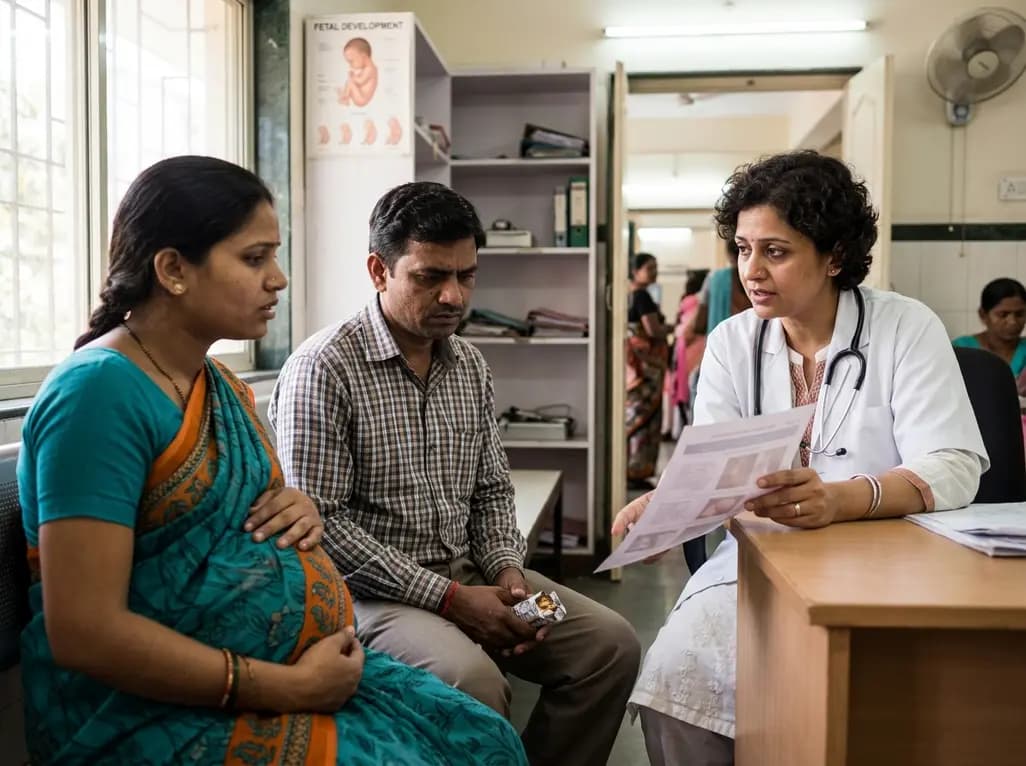
A meta-analysis demonstrates that secondhand smoke exposure significantly elevates fetal loss risk by 21% among nonsmoking pregnant women. Clinicians must implement household screening and family-centered cessation interventions to prevent avoidable miscarriages and stillbirths.
Today
A meta-analysis evaluating leadless pacemaker extraction demonstrated an 89.1% procedural success rate and a 3.8% major complication rate across pooled cohorts. With dwell times extending up to 9 years, the findings offer vital guidance for electrophysiologists managing device end-of-life and clinical revisions.
Today
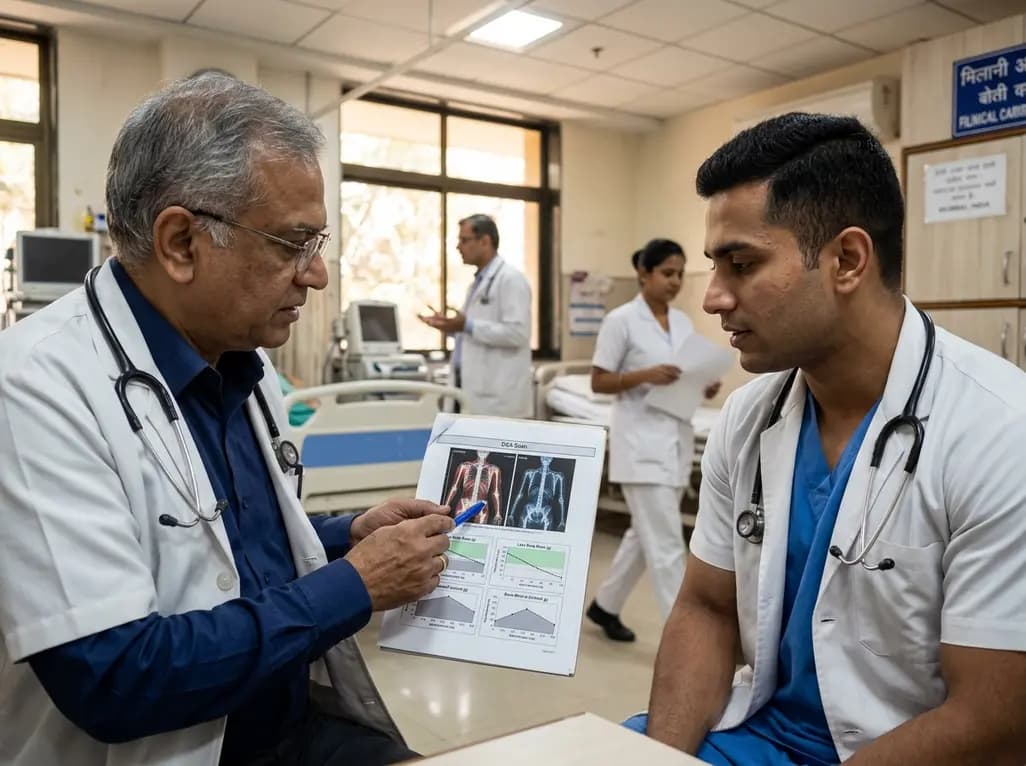
A new cross-sectional evaluation reveals how regional lean mass and bone mineral content interact in resistance-trained men, showing that whole-body size and allometric scaling explain shared musculoskeletal phenotypes and strength relationships.
Today

Explore the emerging role of glucose metabolic reprogramming in exercise-attenuated osteoporosis, examining how physical activity influences osteoblast glycolysis, osteoclast bioenergetics, and skeletal remodeling pathways to improve bone mineral density.
Today
