.webp&w=384&q=75)

Loading, please wait...
Loading, please wait...

Spontaneous pregnancy loss and stillbirth represent devastating obstetric complications that cause substantial physical and psychological morbidity. While active maternal smoking carries widely recognized reproductive hazards, involuntary secondhand smoke exposure presents an insidious and often neglected clinical threat. Nonsmoking pregnant women frequently endure involuntary tobacco inhalation within domestic, communal, and occupational environments. Consequently, obstetricians and primary care clinicians must clearly grasp the exact magnitude of fetal risks associated with passive smoke to safeguard antenatal outcomes effectively.
Environmental tobacco smoke comprises thousands of toxic substances, including polycyclic aromatic hydrocarbons, carbon monoxide, heavy metals, and nicotine. When a nonsmoking woman inhales ambient tobacco emissions, toxic combustion products enter her systemic circulation rapidly. Consequently, these chemical compounds cross the fragile placental barrier and directly threaten embryonic viability. Historically, epidemiological investigations yielded mixed results concerning whether passive smoke independently precipitates spontaneous miscarriage or late fetal demise. Furthermore, small sample cohorts and varying exposure assessments often confounded early observational studies. Therefore, healthcare providers frequently lacked uniform pooled data to counsel expectant couples decisively. A comprehensive synthesis of current global evidence was essential to resolve these clinical uncertainties. Recent robust meta-analytic evaluations now demonstrate that environmental tobacco smoke exerts a quantifiable, adverse impact on fetal survival. Because passive smoke exposure remains highly prevalent in many societies, understanding this direct risk enables clinicians to prioritize preventive antenatal dialogues. Addressing this silent danger early in gestation can prevent avoidable complications and improve overall maternal and neonatal survival.
To evaluate this vital association, investigators performed a systematic review and meta-analysis across major biomedical databases including PubMed, Web of Science, Ovid, and Cochrane. Specifically, the study team analyzed 21 comprehensive observational studies assessing involuntary tobacco inhalation among strictly nonsmoking pregnant women. The researchers defined primary endpoints as spontaneous abortion occurring before fetal viability and stillbirth occurring during later gestational stages. Using random-effects models in statistical software, the authors calculated pooled odds ratios and evaluated heterogeneity. The pooled analysis revealed that secondhand smoke exposure significantly increased the overall risk of fetal loss by 21 percent, with an odds ratio of 1.21 and a 95 percent confidence interval between 1.11 and 1.31. Moderate heterogeneity emerged across the included publications, reflecting differences in study design, geographic populations, and domestic exposure metrics. Nevertheless, sensitivity analyses confirmed the stability and statistical significance of this alarming association. Consequently, this large-scale meta-analysis delivers definitive epidemiological verification that passive smoke exposure directly compromises fetal survival throughout human gestation.
Several distinct biological pathways explain how environmental tobacco smoke precipitates pregnancy termination. First, inhaled carbon monoxide binds avidly to maternal and fetal hemoglobin, forming carboxyhemoglobin. This high-affinity binding shifts the oxygen dissociation curve, thereby inducing severe fetal hypoxia and cellular asphyxiation. In addition, nicotine exerts potent sympathomimetic effects that trigger uterine and placental vasoconstriction. Consequently, uterine artery blood flow diminishes, which restricts oxygen and essential nutrient transport to developing embryonic tissues. Furthermore, toxic combustion compounds generate extensive oxidative stress and initiate systemic endothelial inflammation within the maternal decidua. This persistent inflammatory cascade impairs extravillous trophoblast invasion and undermines proper spiral artery remodeling during early placentation. As a result, the developing placenta suffers widespread microscopic infarctions, localized necrosis, and premature abruption. Moreover, mutagenic hydrocarbons can cause embryonic DNA fragmentation and lethal chromosomal aberrations that arrest early development. Together, these convergent vascular and cellular insults substantially increase the biological vulnerability of the conceptus, culminating in spontaneous abortion or late stillbirth.
In India, social and cultural dynamics shape a distinct epidemiological landscape regarding tobacco exposure. Active cigarette or bidi smoking among Indian women remains relatively low according to national family health surveys. However, secondhand smoke exposure in domestic spaces remains exceptionally widespread due to high male smoking rates. In many joint families and multigenerational households, pregnant women cannot readily avoid indoor tobacco emissions from spouses, fathers-in-law, or extended relatives. Furthermore, poorly ventilated living quarters intensify indoor pollutant concentrations, multiplying chemical exposure. Consequently, fetal loss and stillbirth attributable to passive smoking represent an underappreciated public health crisis across urban and rural India. Indian obstetricians, gynecologists, and primary healthcare workers must therefore recognize that nonsmoking status does not guarantee tobacco safety. Clinicians must actively identify household tobacco habits during routine antenatal visits rather than assuming nonsmoking mothers face no risk. Moreover, recognizing passive smoke as a modifiable hazard aligns directly with national reproductive and child health programs seeking to curtail perinatal and neonatal mortality nationwide.
Clinicians must implement proactive screening protocols to mitigate passive smoke exposure throughout pregnancy. During the initial booking visit, healthcare providers should document environmental tobacco exposure using standardized lifestyle screening questionnaires. In addition, antenatal teams should involve male partners and family members directly in maternal health consultations. Obstetricians should clearly explain the physiological dangers of environmental tobacco smoke to all cohabiting relatives. Specifically, clinicians must emphasize that opening windows or smoking in adjacent rooms fails to protect the fetus from circulating toxicants. Families must establish strictly smoke-free domestic environments to shield expectant mothers completely. Furthermore, physicians should connect smoking household members with certified cessation resources, behavioral counseling, and pharmacotherapy where appropriate. Routine follow-up visits should monitor whether families adhere to domestic smoking restrictions. When clinicians identify persistent indoor exposure, they can offer targeted counseling and close fetal surveillance to detect growth restriction or placental insufficiency early. Thus, multi-tiered clinical interventions can successfully diminish environmental hazards and protect unborn children.
Passive smoke delivers toxic combustion compounds directly into maternal circulation, including nicotine, lead, and carbon monoxide. Consequently, these substances readily traverse the placental barrier, causing severe vascular spasms and localized hypoxia. In addition, chronic toxic exposure impairs primary trophoblast invasion and disrupts cellular organogenesis during the first trimester. Therefore, these cellular injuries induce chromosomal fragility, blunted embryonic growth, and early pregnancy demise even among mothers who never smoke.
Clinicians should initiate routine inquiries regarding household and occupational smoke exposure during every prenatal registration. Furthermore, utilizing structured questionnaires helps quantify daily exposure duration and identifies cohabiting smokers. While self-reporting provides initial insight, objective biomarkers such as salivary, urinary, or serum cotinine levels offer precise quantification. Consequently, integrating verified screening questions into standard electronic medical records ensures healthcare teams systematically identify vulnerable nonsmoking mothers who require urgent domestic tobacco cessation support.
Healthcare professionals must involve spouses and cohabiting relatives in comprehensive prenatal counseling sessions. Specifically, practitioners should clearly explain how passive tobacco smoke directly harms developing embryos. In addition, teams ought to establish firm smoke-free household rules and offer structured cessation therapy to smoking partners. Thus, providing nicotine replacement options, behavioral counseling, and ongoing community support empowers entire families to eliminate indoor smoking and safeguard maternal and fetal well-being throughout pregnancy.
Disclaimer: This content is for informational and educational purposes only and does not constitute medical advice, diagnosis, or treatment. Healthcare professionals should exercise independent clinical judgment. Consult qualified specialists or official clinical protocols before making healthcare decisions. Refer to the latest local and national guidelines for clinical practice.
References

Read summarized clinical updates, watch expert medical content, and earn CME certifications right from your smartphone.
Open your smartphone camera to scan and install.





A meta-analysis demonstrates that secondhand smoke exposure significantly elevates fetal loss risk by 21% among nonsmoking pregnant women. Clinicians must implement household screening and family-centered cessation interventions to prevent avoidable miscarriages and stillbirths.
Today
Left atrial stiffening generates prominent V waves that pressurize the pulmonary circulation and augment right ventricular afterload independently of intrinsic pulmonary vascular disease in patients with heart failure with preserved ejection fraction.
Today
A recent cohort study reveals that postoperative infections occur in 17.3% of cardiac surgery patients using cardiopulmonary bypass. Routine inflammatory biomarkers like CRP and WBC show poor diagnostic accuracy due to bypass-induced systemic inflammation, demanding multi-parameter clinical vigilance.
Today

Explore the emerging role of glucose metabolic reprogramming in exercise-attenuated osteoporosis, examining how physical activity influences osteoblast glycolysis, osteoclast bioenergetics, and skeletal remodeling pathways to improve bone mineral density.
Today
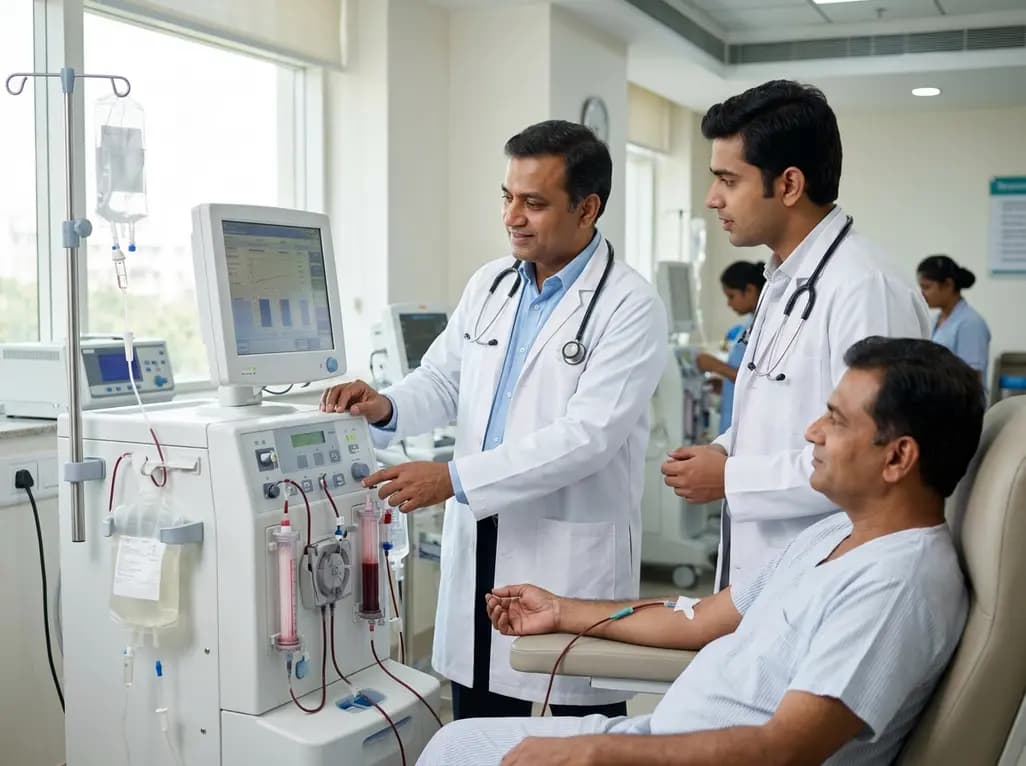
A systematic review and meta-analysis of 33 studies evaluates the effectiveness of LDL apheresis techniques in familial hypercholesterolemia. Double-filtration plasmapheresis demonstrated the greatest reductions in total cholesterol and LDL-C, while safety and clinical feasibility guide individual therapy.
Today
