.webp&w=384&q=75)

Loading, please wait...
Loading, please wait...

Leadless cardiac pacing has transformed electrophysiology practice by eliminating common surgical pocket and transvenous lead complications. However, clinical questions persist regarding device longevity, end-of-life options, and the feasibility of leadless pacemaker extraction when bacteremia, device failure, or pacing upgrades occur. A new systematic review provides critical pooled evidence on procedural outcomes.
Leadless pacemakers provide substantial advantages over conventional transvenous systems. They effectively eliminate transvenous lead fractures, venous thrombosis, and subcutaneous pocket infections. Nevertheless, clinicians face challenging decisions when these miniaturized capsules reach battery depletion or develop bacteremia. In addition, patients may develop severe pacing-induced cardiomyopathy or tricuspid valve dysfunction that necessitates therapeutic pacing upgrades.
Consequently, electrophysiologists must choose between extracting the capsule or abandoning it while implanting another device. However, abandoning multiple non-functional capsules inside the right ventricle raises concerns about tissue encapsulation, tricuspid distortion, and hemodynamic impairment. Furthermore, percutaneous retrieval of chronically encapsulated hardware demands specialized steerable sheaths and advanced operator dexterity. Therefore, understanding extraction success and complication rates is essential for informed clinical decision-making. Physicians in expanding Indian tertiary electrophysiology centres increasingly encounter these complex procedural scenarios. Specifically, identifying which patients benefit from transcatheter extraction versus conservative device abandonment remains a central debate in modern cardiac pacing. As device utilization grows globally, robust evidence detailing extraction outcomes becomes indispensable for procedural planning and patient consent workflows.
To establish objective procedural benchmarks, researchers conducted a comprehensive systematic review registered in the PROSPERO database. Specifically, the authors aimed to synthesize global evidence detailing leadless pacemaker extraction outcomes across clinical trials and observational cohorts. The investigators implemented rigorous study inclusion criteria to ensure analytical validity. Thus, the primary statistical meta-analysis exclusively pooled independent, full-text studies that documented at least three distinct device removal attempts.
Additionally, the authors utilized a sophisticated random-effects binomial-normal generalized linear mixed model. This advanced statistical model appropriately adjusted for small-study sample variations and generated reliable summary estimates. Furthermore, the review evaluated two primary endpoints: overall procedural success and major retrieval-related complications. The research team also performed sensitivity analyses to test the stability of their statistical models. Moreover, the authors completed a secondary descriptive synthesis encompassing ninety-six clinical publications and five registries. Consequently, this analytical structure offered an exhaustive view of post-implant management strategies without forcing inappropriate cross-study pooling across heterogeneous clinical registries.
The primary efficacy analysis evaluated eight independent studies encompassing three hundred and three attempted device removals. Overall, the pooled procedural success rate reached 89.1%, with a 95% confidence interval ranging from 85.1% to 92.2%. Remarkably, the investigators detected no between-study heterogeneity for this primary outcome. This high success rate demonstrates that interventionists can reliably retrieve leadless capsules in approximately nine out of ten attempts.
Notably, successful retrieval typically relied on dedicated snare catheters, steerable protective sheaths, and countertraction maneuvers. When operators achieved stable capture of the proximal retrieval button, capsule release from the myocardium proceeded smoothly. Conversely, failed extraction attempts primarily occurred due to inability to snare the docking feature. Over time, progressive fibrous tissue proliferation and dense endocardial encapsulation can fully bury the retrieval button. As a result, standard snares cannot grasp the device safely. In these complex anatomical scenarios, applying excessive mechanical traction risks severe right ventricular injury. Therefore, skilled electrophysiologists frequently abandon the retrieval attempt when initial snaring proves unsuccessful rather than exerting hazardous force.
Procedural safety represents the primary consideration during transcatheter device explantation. The meta-analysis pooled safety outcomes from six qualifying studies that contributed two hundred and ninety-three subjects or extraction procedures. Across this combined cohort, major retrieval-related complications occurred at a pooled incidence of 3.8% (95% CI, 2.1% to 6.7%). Importantly, statistical analysis detected no between-study heterogeneity.
Furthermore, sensitivity analyses confirmed the stability of these findings, demonstrating major adverse event rates between 3.3% and 4.1%. Thus, serious complications arise in approximately four out of every one hundred extraction attempts. Reported major complications included cardiac perforation, pericardial tamponade requiring drainage, tricuspid apparatus laceration, and vascular access injury. Although procedural fatalities were exceptionally uncommon, these mechanical risks highlight the need for extensive institutional preparedness. Specifically, electrophysiologists should perform leadless pacemaker removals in hybrid operative suites with immediate surgical support. Additionally, operators should use continuous transesophageal echocardiography or intracardiac ultrasound. These imaging modalities provide direct visualization of myocardial tenting, thereby preventing dangerous cardiac wall disruption during catheter traction.
A vital observation from this systematic review involves the extensive range of reported device dwell times. Across the analyzed studies, dwell times prior to removal ranged from acute intraprocedural retrieval to late extractions occurring nine years post-implantation. Historically, clinicians assumed that extended dwell times precluded successful transcatheter removal due to heavy fibrous tissue growth. However, published series demonstrate that late retrieval remains achievable even after several years, provided the docking button remains unencapsulated.
Nevertheless, the certainty of evidence across available literature remains very low. This grading reflects observational designs, small sample sizes, and significant reporting variability. Furthermore, the secondary descriptive synthesis demonstrated marked variation in post-implant management strategies across international institutions. Some electrophysiologists routinely attempt extraction when devices reach battery depletion. In contrast, other clinicians regularly abandon depleted capsules and implant new leadless devices in alternative right ventricular locations. Because clinical definitions varied considerably among the ninety-six reviewed studies, investigators could not pool long-term clinical pathways. Consequently, clinical teams must individualize management based on patient age, infection status, cardiac anatomy, and procedural risk.
Clinicians primarily pursue leadless pacemaker retrieval when patients experience device infection, systemic bacteremia, or acute capsule dislodgement into the right ventricle or pulmonary circulation. Additionally, removal becomes necessary when patients develop worsening heart failure requiring an upgrade to cardiac resynchronization therapy or conduction system pacing. Finally, battery depletion in young patients often prompts extraction to avoid accumulating multiple abandoned intracardiac devices over the patient's remaining lifetime.
Most extraction failures occur because operators cannot successfully engage or snare the proximal docking button. Over prolonged dwell times, progressive endocardial endothelialization and dense fibrous tissue overgrowth frequently encapsulate the retrieval feature. Consequently, standard snares slip off the smooth capsule body. When mechanical countertraction cannot overcome intense fibrotic adherence without risking right ventricular wall tearing, experienced electrophysiologists appropriately choose to abandon the extraction attempt to preserve patient safety.
Clinical evidence does not definitively establish whether routine extraction or device abandonment is superior. Abandoning an inactive capsule avoids the acute 3.8% risk of major procedural complications like tamponade and tricuspid valve laceration. However, abandoning multiple capsules can congest the right ventricle and obstruct future implants. Therefore, operators usually favor extraction in younger patients with long life expectancy, while choosing abandonment for frail, elderly patients with prohibitive procedural risks.
Disclaimer: This content is for informational and educational purposes only and should not be taken as medical advice. Clinical decisions must always rely on individual professional judgment. Refer to the latest local and national guidelines for clinical practice.
References

Read summarized clinical updates, watch expert medical content, and earn CME certifications right from your smartphone.
Open your smartphone camera to scan and install.





A meta-analysis evaluating leadless pacemaker extraction demonstrated an 89.1% procedural success rate and a 3.8% major complication rate across pooled cohorts. With dwell times extending up to 9 years, the findings offer vital guidance for electrophysiologists managing device end-of-life and clinical revisions.
Today

A meta-analysis demonstrates that secondhand smoke exposure significantly elevates fetal loss risk by 21% among nonsmoking pregnant women. Clinicians must implement household screening and family-centered cessation interventions to prevent avoidable miscarriages and stillbirths.
Today
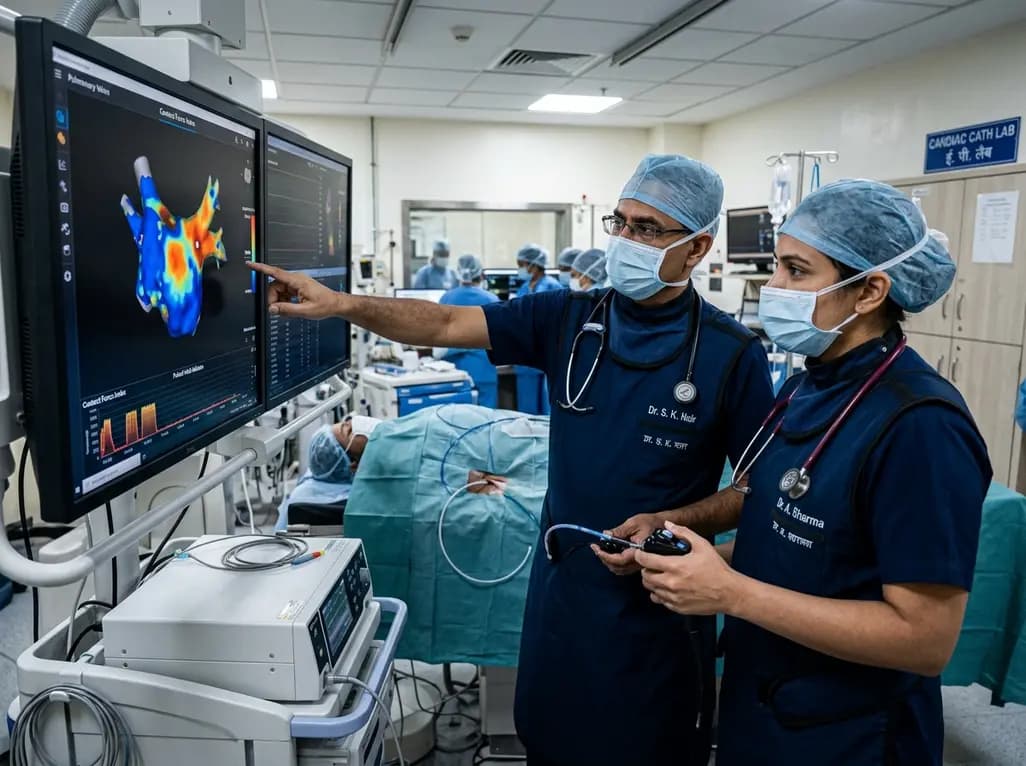
Preclinical validation demonstrates that a novel contact force-integrated pulsed field quantization index accurately predicts lesion depth in real time, achieving 100% durable pulmonary vein isolation without collateral injury.
Today
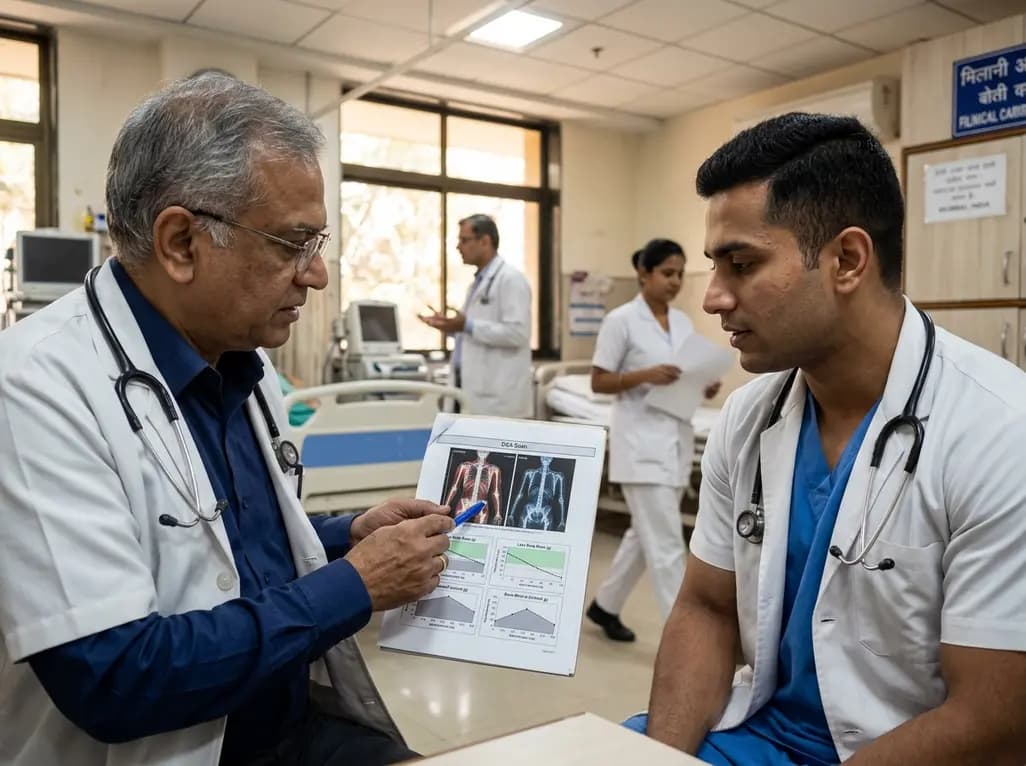
A new cross-sectional evaluation reveals how regional lean mass and bone mineral content interact in resistance-trained men, showing that whole-body size and allometric scaling explain shared musculoskeletal phenotypes and strength relationships.
Today

Explore the emerging role of glucose metabolic reprogramming in exercise-attenuated osteoporosis, examining how physical activity influences osteoblast glycolysis, osteoclast bioenergetics, and skeletal remodeling pathways to improve bone mineral density.
Today
