

Loading, please wait...
Loading, please wait...
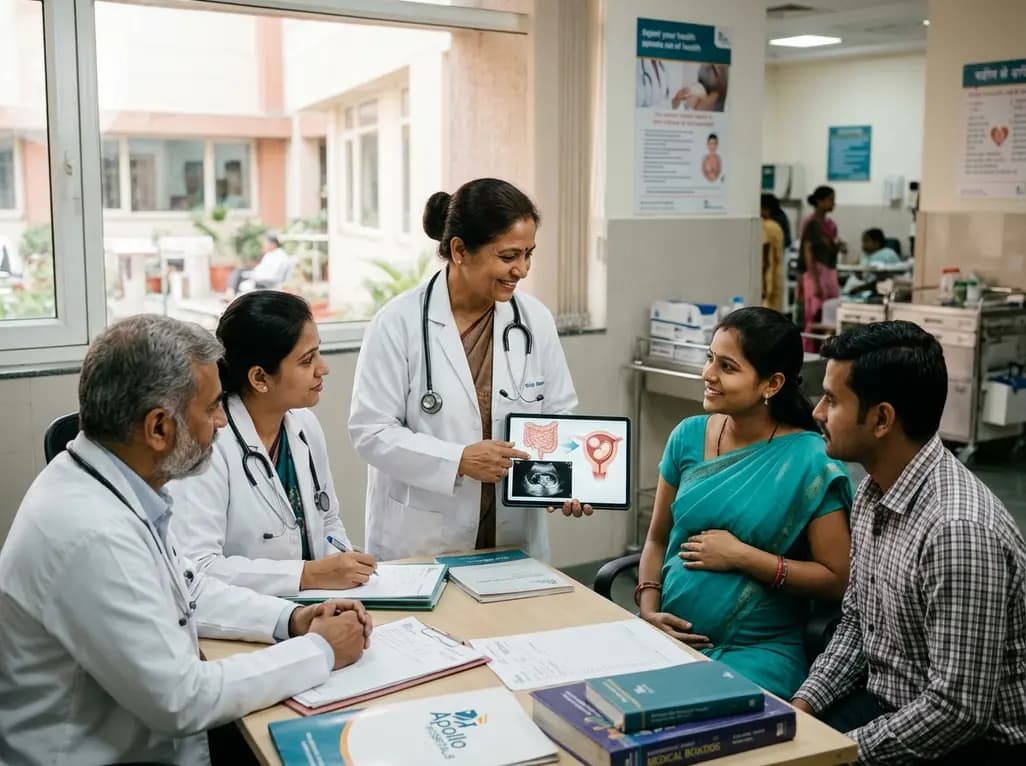
Women navigating chronic gastrointestinal disorders frequently encounter complex concerns regarding family planning and reproductive health. In recent years, clinicians have observed growing interest in assisted reproductive technology among patients with chronic digestive illnesses. However, many female patients worry that ovarian stimulation and hormonal manipulation will trigger gut inflammation. Addressing the safety of IVF in IBD, new clinical research provides reassuring evidence on disease stability and successful reproductive outcomes.
Historically, both patients and gastroenterologists have expressed caution regarding reproductive therapies. Clinicians worried that peak levels of estrogen and progesterone might alter mucosal immunology and provoke severe disease flares. Fortunately, recent findings significantly alleviate these long-standing concerns. In a systematic cohort analysis evaluating 149 distinct assisted reproductive encounters among women with Crohn's disease and ulcerative colitis, investigators documented an exceptionally low overall flare rate of only 3.4%.
Furthermore, none of the observed flares occurred during or immediately following hormonal ovarian stimulation or transvaginal oocyte retrieval. Instead, every documented flare took place after successful embryo transfer during established clinical pregnancy, specifically beyond eight weeks of gestation. Consequently, hormonal induction protocols appear immunologically inert with respect to inciting gut inflammation. Patients who maintain sustained clinical remission before starting fertility cycles demonstrate excellent intestinal stability throughout egg harvesting and embryo implantation.
Assessing systemic therapy modifications provides critical insight into how gut disease behaves during fertility treatments. Across the study cohort, secondary clinical endpoints demonstrated minimal need for therapeutic intervention. Specifically, new systemic corticosteroid initiation was required in only 2.7% of treatment encounters. Moreover, IBD-related hospitalizations occurred in merely 0.7% of cases, and biological dose escalation was similarly rare at 0.7%.
These encouraging statistics demonstrate that reproductive procedures do not compromise baseline medical management. In addition, the study population reflected real-world clinical practice, with participants receiving advanced biological therapies such as ustekinumab and anti-tumor necrosis factor agents prior to ovarian stimulation. Therefore, continuing appropriate maintenance treatments prevents disease resurgence during intensive reproductive management. Clinicians can confidently reassure patients that undergoing reproductive cycles does not inherently destabilize disease control or necessitate emergency inpatient care.
Beyond evaluating gastrointestinal safety, measuring reproductive efficacy remains essential for counseling prospective parents. Encouragingly, the study demonstrated robust reproductive success among women with inflammatory bowel disease. Out of 63 embryo transfer procedures, biochemical pregnancy occurred in 63.5% of cases. Ultimately, 42.9% of these transfer procedures culminated in successful live births.
Importantly, these birth rates parallel the reproductive success metrics observed in the general infertile population of similar maternal age. Although women with chronic illness often report heightened anxiety regarding subfertility, this data proves that inflammatory disease does not diminish the clinical success of embryo transfer. Furthermore, achieving sustained clinical remission prior to embryo transfer optimizes both maternal health and fetal viability. Consequently, reproductive specialists can apply standard assisted reproduction protocols with great confidence in their therapeutic yield.
While the overall outcomes remain positive, clinicians must account for anatomical and phenotypic differences between Crohn's disease and ulcerative colitis. For instance, women with Crohn's disease frequently have a history of complex pelvic surgery, intra-abdominal adhesions, or perianal fistulas. These anatomical alterations can technically complicate transvaginal oocyte aspiration and increase the theoretical risk of pelvic injury.
Therefore, reproductive specialists should review previous surgical records and pelvic imaging before initiating transvaginal follicle puncture. In patients with prior ileal pouch-anal anastomosis or extensive pelvic adhesional disease, transabdominal ultrasound guidance may occasionally offer a safer alternative for egg retrieval. Similarly, active perianal disease warrants thorough evaluation because persistent pelvic sepsis can complicate gestation. By carefully identifying these anatomical risk factors, care teams can tailor procedural techniques to avoid infectious or mechanical complications.
Achieving outstanding reproductive outcomes requires coordinated collaboration between gastroenterologists, maternal-fetal medicine specialists, and reproductive endocrinologists. Foremost, clinicians must optimize inflammatory control before initiating ovarian stimulation. Guidelines consistently advocate that women achieve at least three to six months of documented clinical and endoscopic remission prior to conception.
Additionally, medical teams must review medication safety profiles thoroughly. Most modern maintenance therapies, including anti-TNF agents, ustekinumab, and vedolizumab, demonstrate acceptable safety profiles throughout conception and early pregnancy. Conversely, physicians must withdraw teratogenic medications, such as methotrexate, well in advance of assisted reproduction. Routine objective monitoring using non-invasive fecal calprotectin testing enables providers to confirm mucosal healing without invasive endoscopic procedures. When clinicians combine structured preconception counseling with proactive monitoring, prospective mothers achieve both reproductive success and continuous gastrointestinal stability.
Clinical data confirms that ovarian stimulation does not trigger disease exacerbation. Studies show that disease flares during or immediately after oocyte retrieval are virtually non-existent. The small number of observed flares typically occur later during established pregnancy rather than during active fertility interventions. Maintaining effective maintenance therapy throughout the reproductive cycle ensures robust mucosal stability.
Women with inflammatory bowel disease achieve pregnancy and live birth rates that are entirely comparable to the general population undergoing fertility treatment. Current clinical cohorts report biochemical pregnancy rates of approximately 63% and live birth rates exceeding 40% per embryo transfer. As long as patients achieve disease remission before starting treatment, reproductive outcomes remain favorable.
Patients should continue their prescribed biologic therapies under their gastroenterologist's supervision. Discontinuing maintenance medications significantly increases the risk of active intestinal inflammation, which poses far greater danger to fertility and pregnancy than medication exposure itself. Most biological agents have proven safety profiles during conception, implantation, and early gestation.
Disclaimer: This content is for informational and educational purposes only. It is not intended to be a substitute for professional medical advice, diagnosis, or treatment. Always seek the advice of your physician or other qualified health provider with any questions you may have regarding a medical condition. Refer to the latest local and national guidelines for clinical practice.
References
Khanna R et al. Impact of in vitro fertilization on disease activity and pregnancy outcomes in women with inflammatory bowel disease. Inflamm Bowel Dis. 2026 Nov 10. doi: undefined. PMID: 43007293.
Lavie M, et al. Pregnancy outcomes in women with inflammatory bowel disease who successfully conceived via assisted reproduction technique. Arch Gynecol Obstet. 2020;302(2):339-345.
Torres J, et al. ECCO Guidelines on Therapeutics in Crohn's Disease: Medical Treatment. J Crohns Colitis. 2020;14(1):4-22.

Read summarized clinical updates, watch expert medical content, and earn CME certifications right from your smartphone.
Open your smartphone camera to scan and install.





A recent clinical study demonstrates that women with inflammatory bowel disease undergoing assisted reproductive technology experience low flare rates and high live birth rates, confirming that fertility treatment is safe with proper multidisciplinary care.
Today

A longitudinal study of 6,881 older adults highlights distinct frailty trajectories and shows that intergenerational support does not prevent rapid functional decline after covariate adjustment, emphasizing the necessity of repeated frailty assessments in geriatric and primary care practice.
Today
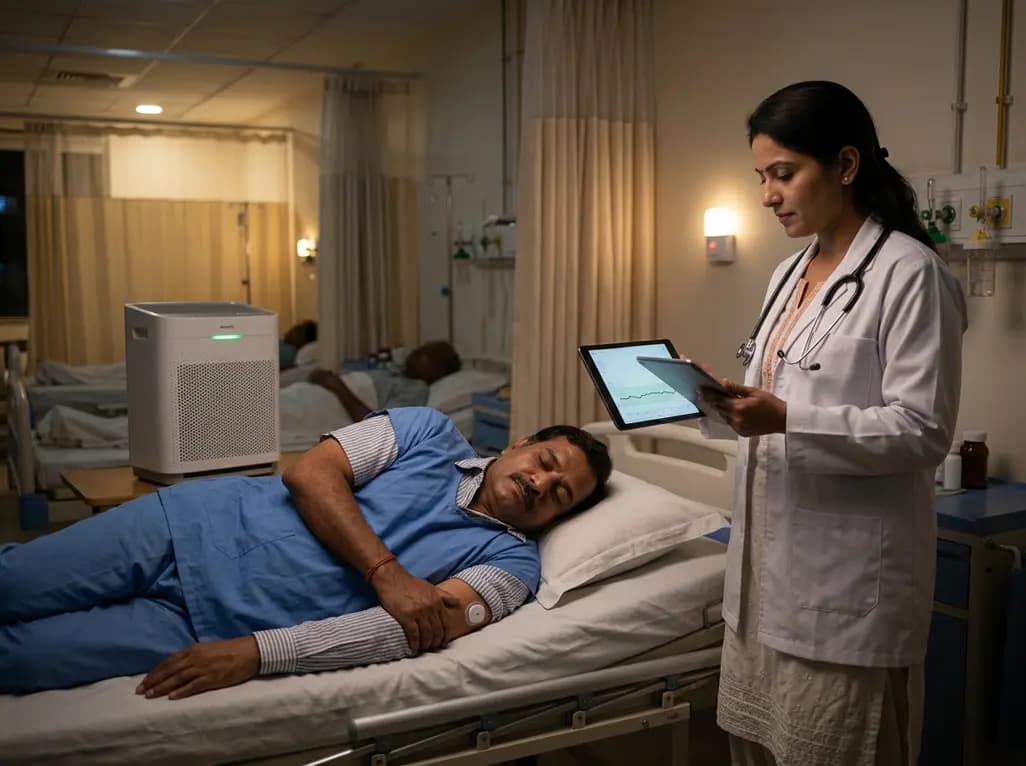
A recent clinical trial demonstrates that using bedroom HEPA air filtration during sleep significantly reduces nocturnal particulate exposure, curbs glycemic variability, and mitigates postprandial glucose surges in prediabetic patients, underscoring indoor air quality as an actionable cardiometabolic risk factor.
Today
A decade after experts highlighted a crisis in bone health, the osteoporosis care gap remains open. Explore the underlying causes, therapeutic innovations, and systematic care models required to improve secondary fracture prevention.
Today
A systematic review evaluates psychological interventions for smoking cessation in diabetes, showing short-term success but highlighting challenges in long-term abstinence.
Today
