

Loading, please wait...
Loading, please wait...
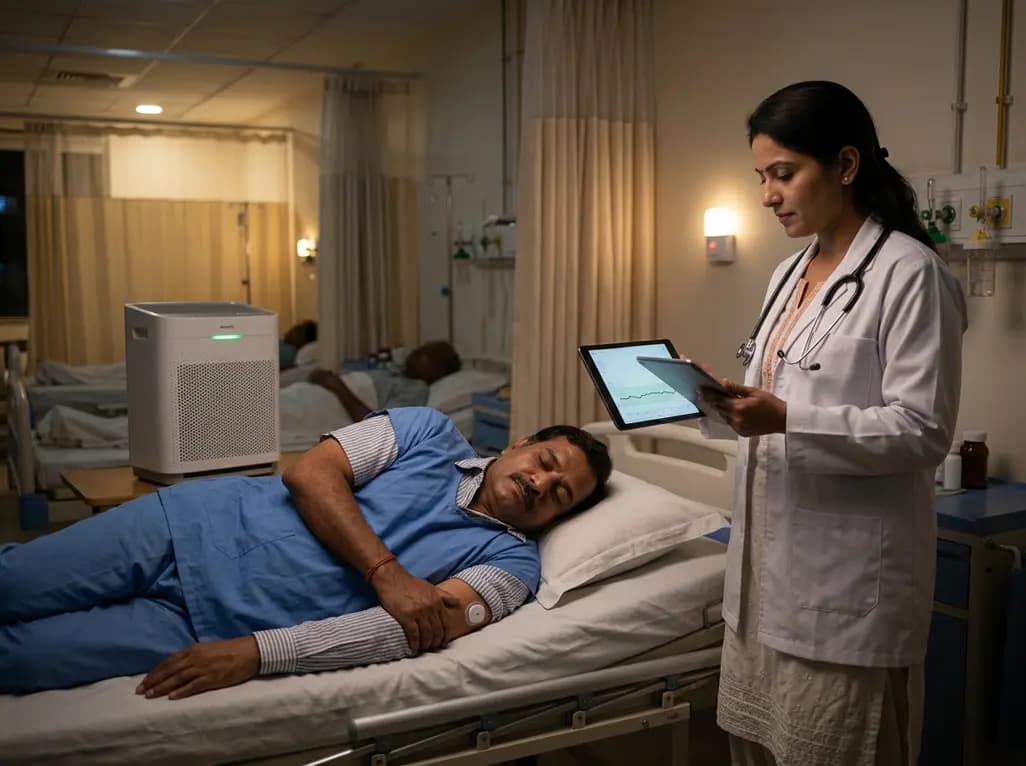
Cardiometabolic diseases continue to escalate globally, placing millions at heightened risk of chronic morbidity. Furthermore, emerging research highlights that environmental airborne pollutants directly exacerbate impaired glucose regulation. Recent clinical findings suggest that using air purifiers for prediabetes during sleep offers substantial metabolic protection. Consequently, lowering nocturnal particulate exposure helps stabilize morning glycemic excursions, providing clinicians with a promising non-pharmacological adjunct.
Epidemiologists have long associated ambient air pollution with respiratory pathology. However, contemporary cardiovascular science demonstrates that inhaled toxins harm systemic metabolic regulation as well. Fine particulate matter, particularly PM2.5, penetrates deep into pulmonary alveoli and enters the bloodstream. Consequently, these microscopic particles trigger persistent pulmonary and systemic inflammation. This systemic inflammatory cascade actively impairs vascular endothelial function and disrupts insulin signaling pathways. Moreover, chronic exposure stimulates the sympathetic nervous system and elevates circulating glucocorticoid levels. As a result, hepatic glucose production rises while peripheral glucose uptake in skeletal muscle declines. In patients with prediabetes, baseline metabolic dysfunction magnifies susceptibility to these pollutant-induced perturbations. Because individuals spend nearly one-third of their lives sleeping, nighttime exposure represents a major physiological stressor. During sleep, autonomic tone normally shifts toward parasympathetic dominance, allowing restorative metabolic rest. In contrast, inhaling elevated pollutant levels during the night disrupts normal sleep architecture and autonomic balance. Therefore, nocturnal environmental exposure contributes directly to daytime glucose dysregulation. Addressing bedroom air quality may eliminate a persistent yet overlooked contributor to worsening metabolic control.
A landmark randomized, double-blind, sham-controlled trial conducted by New York University researchers examined this paradigm directly. The investigators recruited over 150 non-smoking adults diagnosed with prediabetes who had no preexisting atherosclerotic vascular disease. Participants were randomly assigned to sleep with active high-efficiency particulate air units or sham devices for four weeks. Notably, sham devices appeared identical but lacked functional filtration media. The working HEPA systems successfully reduced bedroom concentrations of fine particulate matter by 36 percent. To capture dynamic metabolic shifts, researchers equipped participants with continuous glucose monitors before and after the trial period. This advanced technology recorded subcutaneous interstitial glucose levels continuously day and night. The clinical trial data demonstrated compelling outcomes. Specifically, participants utilizing active air filtration experienced an approximate 8 percent reduction in overall daily glycemic variability. In contrast, patients using inactive sham filters exhibited no significant change in glycemic patterns. These rigorous findings establish that air purifiers for prediabetes provide measurable physiological benefits beyond subjective symptom improvement. Furthermore, this study offers direct proof that modifying personal microenvironments can rapidly alter objective cardiometabolic risk parameters.
Postprandial glycemic excursions represent an established independent risk factor for adverse cardiovascular events and microvascular injury. In the NYU investigation, researchers observed striking changes during the early morning hours and following breakfast. Notably, participants in the active filtration cohort showed a marked reduction in morning glucose surges. Continuous monitoring revealed that total incremental glucose exposure following breakfast decreased by approximately 17 percent on average. Additionally, peak postprandial glucose values following the morning meal fell by 13 percent compared to sham controls. These reductions occurred consistently without alterations in dietary intake or prescribed physical activity routines. Large daytime glycemic swings accelerate diabetic vascular complications by generating excess intracellular reactive oxygen species. Consequently, stabilizing these erratic oscillations preserves functional beta-cell reserve and protects vulnerable arterial endothelium. Morning hyperglycemia often correlates with circadian cortisol release and early hepatic gluconeogenesis. Therefore, attenuating nighttime environmental stress appears to normalize the dawn phenomenon in prediabetic individuals. Clinicians recognize that achieving smooth daily glucose curves is just as critical as lowering glycated hemoglobin. By blunting postprandial glycemic spikes, nighttime air filtration protects patients from the cumulative vascular strain caused by repetitive daily glucose surges.
Understanding the biological links between nocturnal air filtration and glucose regulation clarifies why particulate removal yields rapid benefits. Inhaled particulate matter activates alveolar macrophages and triggers the release of pro-inflammatory cytokines, including TNF-alpha and interleukin-6. These circulating inflammatory mediators travel systemically, inducing serine phosphorylation of insulin receptor substrate proteins. Consequently, this biochemical cascade induces cellular insulin resistance in hepatic, muscular, and adipose tissues. In addition, particulate toxins promote autonomic nervous system imbalance by irritating pulmonary sensory receptors. This irritation sustains elevated nocturnal sympathetic nerve activity, suppressing nocturnal insulin secretion and promoting vasoconstriction. Furthermore, poor air quality fragments sleep and reduces restorative slow-wave sleep duration. Disrupted sleep architecture independently impairs peripheral glucose disposal and amplifies next-day appetite dysregulation. When patients sleep in clean environments, nocturnal systemic inflammation rapidly subsides. Thus, reduced circulating cytokines and normalized autonomic tone restore physiological insulin signaling overnight. As a result, hepatic insulin sensitivity improves, which blunts early morning gluconeogenesis. These combined physiological mechanisms explain how lowering nighttime particulate matter intake creates sustained, measurable improvements in daily glycemic stability. Ultimately, maintaining clean indoor air relieves systemic inflammatory stress across multiple organ systems.
Prediabetes represents a critical therapeutic window where lifestyle and environmental interventions can alter lifetime cardiovascular trajectories. However, conventional management often focuses solely on dietary modifications, exercise regimens, and pharmacotherapy. While these foundational pillars remain essential, physicians frequently overlook the substantial impact of ambient environmental exposures. Air pollution is a major modifiable risk factor for incident type 2 diabetes and atherosclerotic cardiovascular events. In urban regions with high pollution burdens, indoor microenvironments frequently trap dangerous concentrations of fine particles. Therefore, advising vulnerable patients on indoor air quality strategies represents a practical clinical recommendation. High-efficiency particulate air units present an accessible, non-invasive, and cost-effective intervention for domestic environments. By purifying bedroom air during sleep, patients gain uninterrupted physiological protection for seven to eight hours daily. Furthermore, this passive environmental strategy eliminates adherence barriers commonly seen with strict exercise routines or pharmacotherapy. Primary care providers and cardiologists should actively integrate environmental exposure assessments into routine chronic disease evaluations. Incorporating portable bedroom filtration alongside evidence-based dietary counseling empowers patients with an actionable barrier against cardiometabolic decline.
Q1: How do air purifiers for prediabetes improve overnight glycemic control?
Air purifiers equipped with true HEPA filters remove tiny airborne particles sized down to 0.3 microns, including harmful fine particulate matter. Inhaling these toxins overnight triggers pulmonary irritation, systemic inflammation, and autonomic nerve dysfunction, which directly worsens insulin resistance. Consequently, sleeping in purified air reduces nighttime systemic inflammatory stress, stabilizes autonomic tone, and restores normal overnight insulin signaling, leading to noticeably smoother glycemic patterns and smaller morning glucose spikes.
Q2: Can air purifiers replace standard prediabetes treatments like diet and exercise?
No, air purifiers cannot replace established standard medical therapies for prediabetes. While clinical evidence demonstrates that bedroom HEPA filtration substantially blunts morning glucose surges and reduces glycemic volatility, it functions as a complementary environmental strategy. Patients must continue prioritizing nutritional therapy, consistent physical exercise, weight management, and prescribed cardioprotective medications. Clean indoor air provides an adjunctive shield against environmental stressors that compound baseline metabolic dysfunction.
Q3: How long must prediabetic individuals run bedroom air purifiers to see metabolic benefits?
In the landmark clinical trial, participants utilized portable bedroom air cleaners nightly for approximately four weeks to achieve measurable glycemic improvements. Continuous glucose monitoring revealed that a 36 percent drop in bedroom particulate concentrations produced significant reductions in postprandial glucose swings within that timeframe. Clinicians recommend continuous nightly operation because returning to polluted indoor air promptly restores baseline inflammatory and autonomic stress, quickly reversing any acquired metabolic gains.
Disclaimer: This content is for informational and educational purposes only. It does not constitute medical advice or replace professional judgment. Refer to the latest local and national guidelines for clinical practice.
References

Read summarized clinical updates, watch expert medical content, and earn CME certifications right from your smartphone.
Open your smartphone camera to scan and install.





A recent clinical trial demonstrates that using bedroom HEPA air filtration during sleep significantly reduces nocturnal particulate exposure, curbs glycemic variability, and mitigates postprandial glucose surges in prediabetic patients, underscoring indoor air quality as an actionable cardiometabolic risk factor.
Today
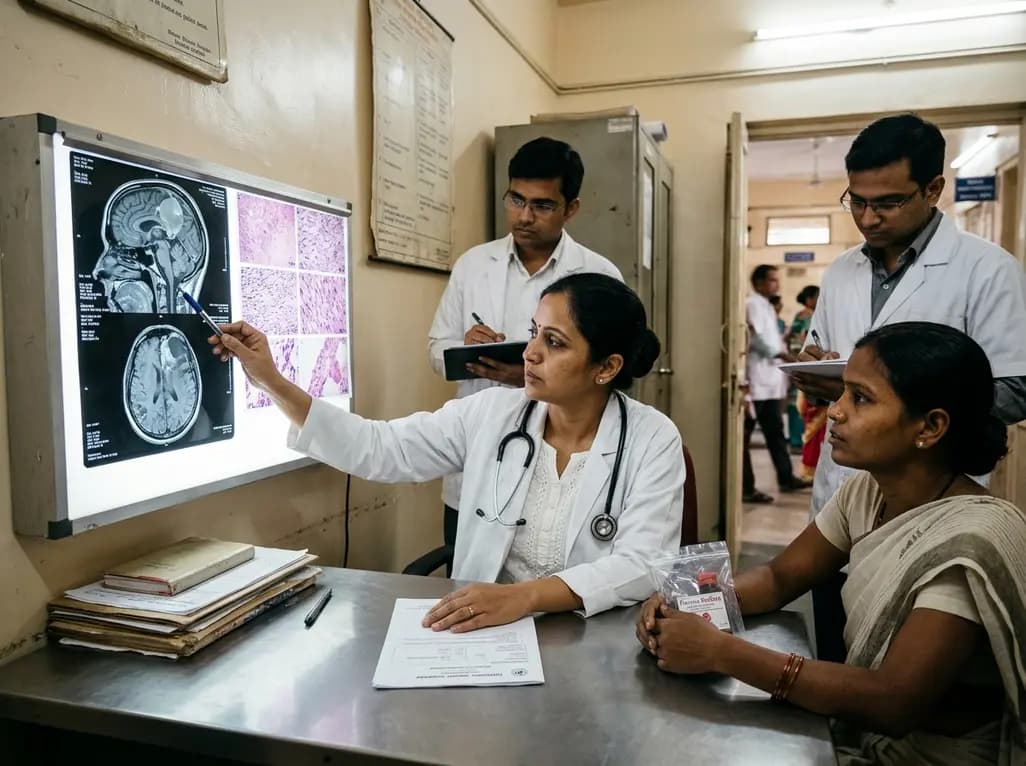
An intracranial EWSR1::CREM fusion sarcoma in a 31-year-old female manifested as a paraneoplastic inflammatory syndrome with anemia and secondary infertility. The dural mass mimicked meningioma, but gross-total resection resolved her systemic inflammation and restored natural fertility within one month.
Today

The DOMINO study protocol presents a multidisciplinary implementation mapping approach to overcome provider, patient, and payer barriers to antiobesity medications, offering vital insights for Indian clinicians managing the growing diabesity burden.
Today

An age-matched cross-sectional study reveals that lower muscle quality and impaired lower-extremity function strongly correlate with an increased fear of falling in older women, highlighting the necessity of targeted resistance training and balance interventions in geriatric care.
Today
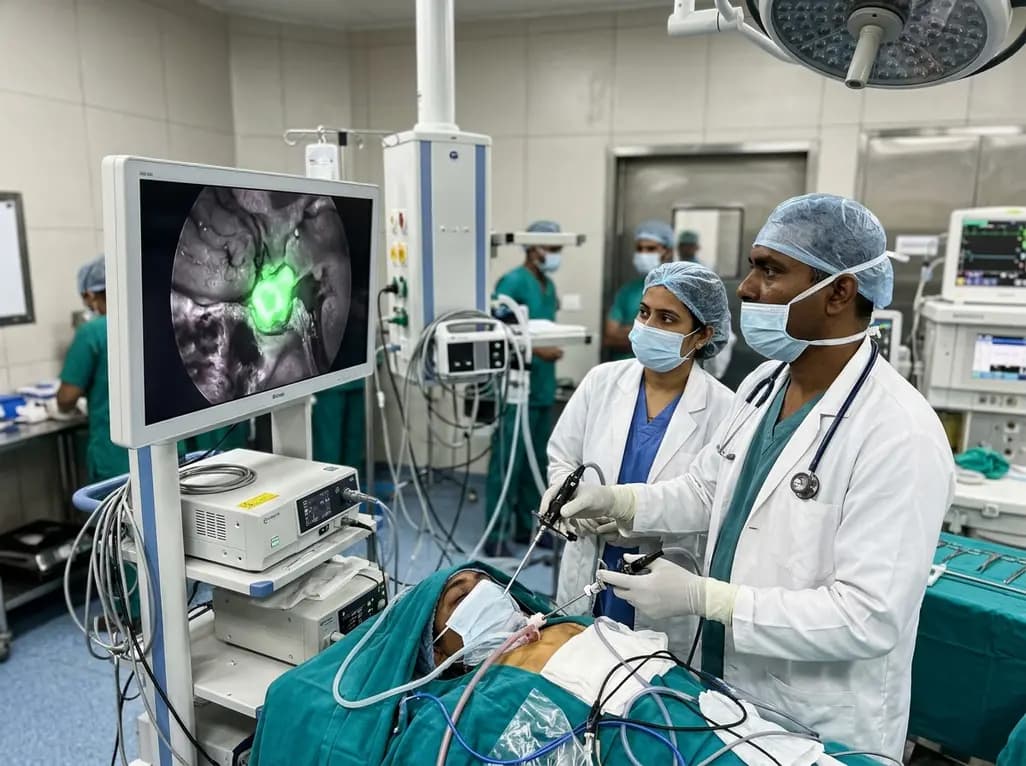
Near-infrared autofluorescence provides real-time label-free optical guidance during endoscopic transsphenoidal pituitary surgery. By highlighting stark signal contrasts between normal pituitary gland and adenomas, this technique aids gross-total tumor resection while safeguarding critical endocrine function.
Today
