.webp&w=384&q=75)

Loading, please wait...
Loading, please wait...

The concept of intrinsic capacity in aging effectively predicts functional ability in older adults. Shifting the focus from specific diseases to physical and mental strengths promotes healthy ageing. A recent coordinated analysis in the United Kingdom and Brazil confirms this metric's reliability. Consequently, it offers a robust framework for monitoring functional decline globally. Because clinicians need standardized tools for diverse populations, this validation represents a significant step forward in geriatric care.
To begin with, the researchers examined representative cohorts from two major longitudinal studies. Specifically, they analyzed data from over 3,300 participants in the UK and 3,500 in Brazil. Furthermore, the team used sophisticated bi-factor models to derive scores for five core domains. These domains include locomotor, cognition, psychological, sensory, and vitality measures. Notably, the study found that women consistently scored lower than men in both nations. In addition, factors like older age, non-White ethnicity, and limited education significantly impacted these results. Similarly, lower wealth correlated with reduced capacity scores in both cohorts.
The research results demonstrated that higher capacity scores correlate strongly with better health status. For example, higher capacity linked to much lower odds of poor self-rated health in both countries. In the UK, the odds ratio reached 0.32, while Brazil showed a ratio of 0.54. Moreover, the findings highlighted that capacity serves as a reliable indicator for future disability. Higher scores predicted a reduced risk of struggling with basic activities of daily living and instrumental tasks. Because education and wealth did not change these core associations, the framework appears universally applicable. Therefore, healthcare providers can use these metrics to identify vulnerable patients earlier. Accordingly, this proactive approach allows for better management of the ageing process.
Implementing this framework allows for more equitable and person-centred policies. Since intrinsic capacity tracks functional reserves, it helps doctors move beyond a simple list of chronic diseases. Furthermore, this approach enables targeted interventions that address specific domain declines. For instance, clinicians might focus on mobility or cognitive health based on individual domain scores. Consequently, doctors in diverse settings can adopt these measures to improve life quality. In summary, as global demographics shift, such standardized tools will become essential for managing health systems effectively.
It is a composite measure of an individual's physical and mental abilities. This include five main domains: cognitive function, locomotion, vitality, sensory health, and psychological well-being.
Focusing on capacity helps clinicians understand a patient's functional reserves. Unlike disease-specific tracking, this method predicts the risk of disability and poor health more accurately across different cultures.
Lower wealth and less education often lead to lower scores. However, the association between higher capacity and better health outcomes remains strong across all socioeconomic levels.
Disclaimer: This content is for informational and educational purposes only. It does not constitute medical advice or a professional relationship. Refer to the latest local and national guidelines for clinical practice.
References
Bertola L et al. Intrinsic capacity and healthy ageing in the United Kingdom and Brazil: a coordinated analysis of two population-based cohort studies. J Gerontol A Biol Sci Med Sci. 2026 Feb 15. doi: undefined. PMID: 41693015.
World Health Organization. World report on ageing and health. Geneva: World Health Organization; 2015.
Beard JR, Jotheeswaran AT, Cesari M, Araujo de Carvalho I. The intrinsic capacity of older people: a secondary analysis of data from the English Longitudinal Study of Ageing. Lancet Public Health. 2019;4(3):e131-e140.
"
Read summarized clinical updates, watch expert medical content, and earn CME certifications right from your smartphone.
Open your smartphone camera to scan and install.





A comparative study between the UK and Brazil validates intrinsic capacity as a powerful multidimensional marker for healthy ageing and disability predictio...
8 months ago
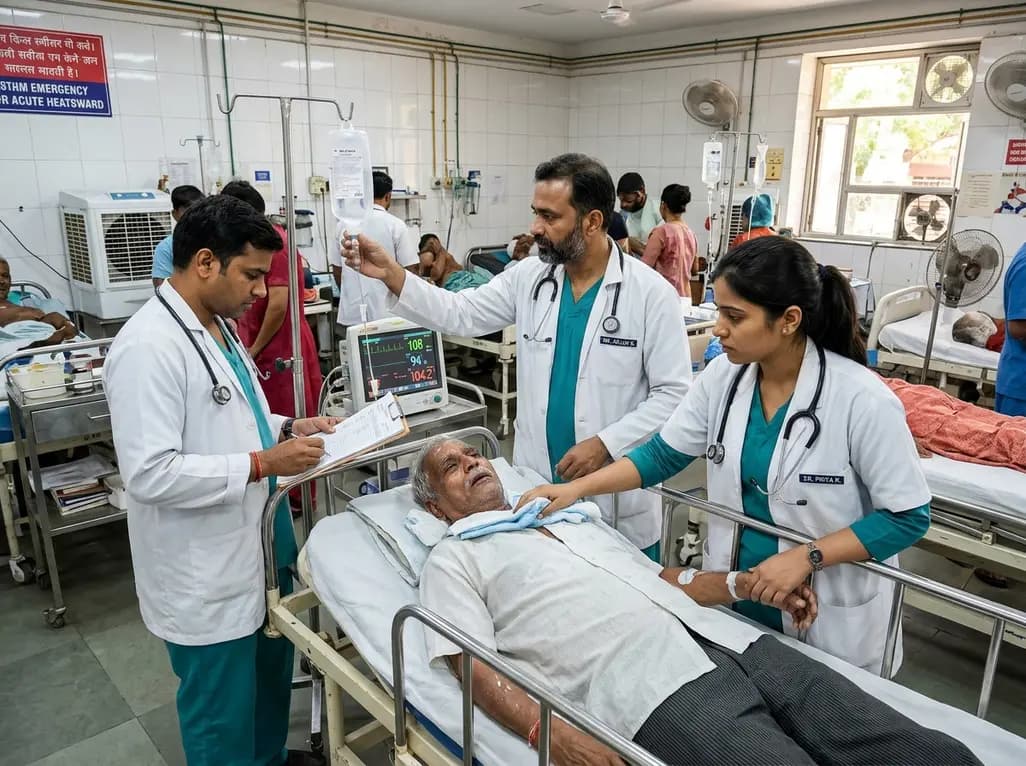
Recent epidemiological data reveals a dramatic surge in summer heat mortality driven by human-induced climate warming. This analysis explores the pathophysiological impacts on cardiac and renal systems, diagnostic dilemmas in death certification, and essential emergency cooling protocols for acute clinical care.
Today

Odisha has established India's first state-level clinical protocol specifically tailored for pregnant women with sickle cell disease. Developed with NHM and UNICEF, the framework provides structured antenatal screening, crisis mitigation, standardized referral pathways, and specialized interdisciplinary care.
Today

India is advancing preventive healthcare by integrating genomics, artificial intelligence, and quantum technologies. With the SANGAM programme sequencing one million Indian genomes, clinicians can unlock personalized therapies, detect cardiometabolic risks early, and curb the burden of diabetes and heart disease.
Today
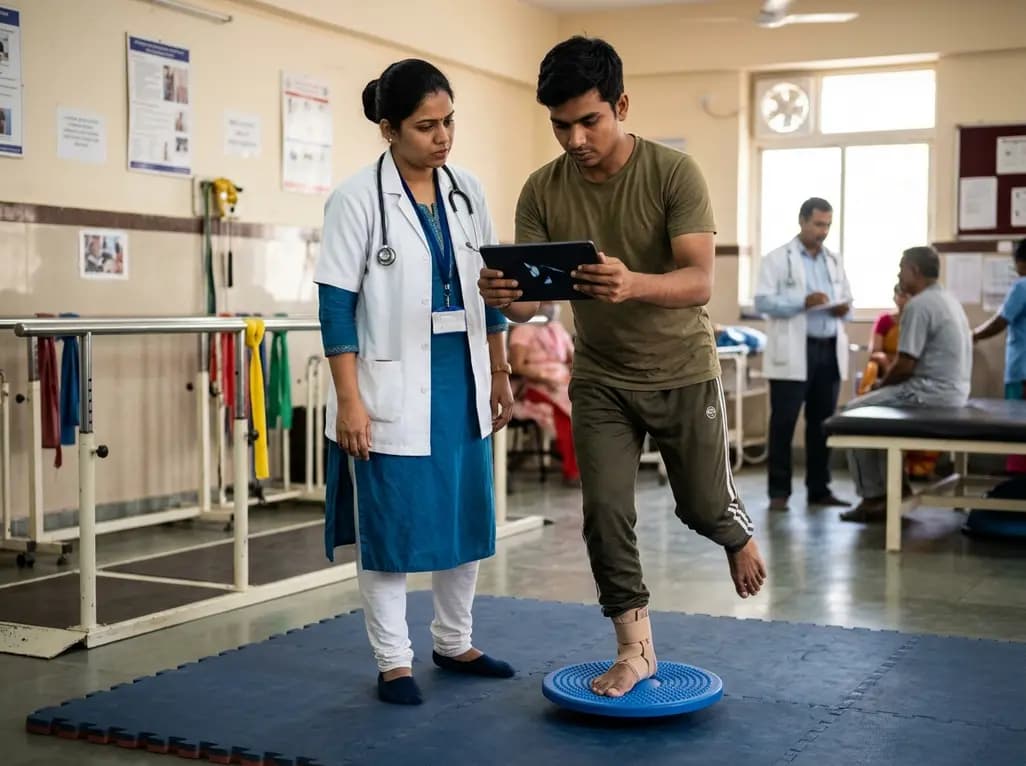
A randomized controlled trial demonstrates that an eight-week dual-task training intervention significantly improves static and dynamic postural control over standard balance exercises in individuals with chronic ankle instability, addressing critical neurocognitive deficits during athletic and daily activities.
Today

A retrospective cohort study of 7,716 ICU patients from the MIMIC-IV database demonstrates that Gradient Boosting Decision Trees significantly outperform traditional SOFA scores in predicting in-hospital mortality among patients with sepsis and diabetes, with SHAP analysis providing clinical interpretability.
Today
