.webp&w=384&q=75)

Loading, please wait...
Loading, please wait...

Sustaining high adult vaccination coverage represents a cornerstone of modern preventive medicine and public health. Although childhood immunization achieves high success globally, adult immunization rates remain persistently suboptimal. Consequently, millions of adults suffer avoidable morbidity, hospitalization, and mortality from vaccine-preventable infections. Aging populations experience progressive immunosenescence, which significantly heightens susceptibility to severe pathogens such as Streptococcus pneumoniae and influenza. Furthermore, the rising burden of chronic cardiometabolic diseases amplifies vulnerability to secondary complications. Therefore, healthcare systems must transition from reactive acute management to proactive prevention across the lifespan. Clinicians frequently encounter structural hurdles, including fragmented health records, limited public awareness, and financial barriers. However, systematic immunization delivers immense clinical benefits, preserves functional independence, and reduces antimicrobial resistance pressures. Ultimately, expanding adult immunization shields vulnerable populations and fosters healthy longevity across diverse communities.
Behavioral sciences provide critical theoretical frameworks to examine modifiable drivers of vaccine hesitancy. For instance, the Health Belief Model illustrates how perceived disease severity and personal susceptibility shape individual choices. Many adults underestimate their disease risk because respiratory illnesses initially appear manageable. Additionally, misinformation regarding potential adverse events fuels distrust among vulnerable patients. Therefore, physicians must proactively initiate structured communication that addresses patient concerns with transparent scientific data. A strong, unambiguous recommendation from an attending doctor remains the most decisive factor predicting immunization acceptance. Moreover, healthcare teams can utilize motivational interviewing techniques to resolve lingering doubts without confrontation. Clinicians should deliberately frame immunization as routine health maintenance rather than an optional measure. Furthermore, culturally sensitive educational messaging across outpatient clinics empowers patients to recognize immunization as an indispensable defense against disability.
Clinical workflow inefficiencies frequently cause missed vaccination opportunities in busy outpatient departments. Therefore, healthcare facilities must systematically integrate immunization assessments into routine clinical encounters. For example, practices can implement electronic health record alerts that identify unimmunized adults automatically. In addition, institutions should establish standing order protocols allowing nursing staff to administer indicated vaccines without delayed physician authorization. Bundling preventive immunizations with routine chronic disease monitoring significantly streamlines primary care visits. For instance, clinicians managing diabetes or cardiovascular disease can deliver influenza or pneumococcal vaccines during routine quarterly reviews. Similarly, healthcare administrators must minimize operational barriers by extending clinic hours and offering walk-in vaccination access. Furthermore, maintaining unbroken cold chain logistics guarantees biologic efficacy and bolsters patient trust in clinic safety standards. Restructured clinic workflows thereby transform periodic visits into robust immunization checkpoints.
Expanding vaccination access beyond hospital walls requires active collaboration with established community networks. For instance, partnerships with community pharmacies, senior care centers, and occupational clinics substantially improve public accessibility. Trained pharmacists can safely counsel, screen, and vaccinate adults during regular prescription pickups. Moreover, engaging respected community leaders effectively counters deeply entrenched vaccine skepticism. Simultaneously, digital health innovations provide valuable opportunities to modernize adult vaccination delivery. Mobile health applications, automated text reminders, and centralized electronic registries help track longitudinal immunization histories accurately. Furthermore, predictive digital algorithms identify high-risk patients who missed recommended seasonal booster schedules. Digital platforms also provide convenient self-scheduling portals and educational materials directly to patients' smartphones. Consequently, automated outreach reduces administrative burdens while maintaining consistent follow-up. Integrating neighborhood delivery models with intelligent digital systems establishes an accessible, patient-centered immunization network.
Sustained improvements in adult immunization require robust implementation science methodologies and comprehensive policy support. Although evidence-based interventions show efficacy in controlled clinical trials, real-world translation often faces systemic resistance. Therefore, health systems must adopt structured implementation frameworks to evaluate local intervention feasibility and sustainability. For example, policymakers should actively integrate adult vaccines into public insurance schemes to eliminate regressive out-of-pocket costs. Additionally, establishing standardized adult immunization registries facilitates nationwide surveillance of coverage disparities and vaccine safety profiles. Healthcare authorities must also introduce provider quality metrics that reward preventive immunization practices in primary care. Meanwhile, continuing medical education programs should train clinicians to manage complex vaccine schedules in multimorbid elderly populations. Furthermore, public health research must continually monitor shifting epidemiological trends and real-world vaccine effectiveness. Thus, aligning clinical workflows with supportive health policies guarantees equitable vaccine protection.
In India, adult immunization is rapidly gaining clinical recognition as non-communicable diseases and demographic aging accelerate simultaneously. The Association of Physicians of India has introduced updated consensus guidelines that advocate a structured life-course immunization paradigm. However, high out-of-pocket expenditures and limited public awareness remain formidable hurdles in routine Indian practice. Therefore, Indian practitioners must actively champion opportunistic screening for adults presenting with diabetes, chronic kidney disease, and cardiopulmonary illnesses. For instance, physicians should prioritize pneumococcal conjugate vaccines, annual influenza shots, and hepatitis B immunizations during routine consultations. Additionally, multi-specialty medical societies must collaborate to educate primary care practitioners regarding updated adult vaccine indications. Healthcare networks should also leverage digital platforms, including national digital health accounts, to track adult immunization status. Furthermore, public health stakeholders must design equitable subsidy mechanisms to assist vulnerable socio-economic groups. Consequently, structured clinic workflows can substantially bridge immunization disparities nationwide.
Clinicians should prioritize annual influenza and pneumococcal vaccines for all older adults and individuals with chronic cardiopulmonary, renal, or metabolic diseases. In addition, doctors must evaluate tetanus, diphtheria, and pertussis booster status every ten years. High-risk populations also require hepatitis B, herpes zoster, and human papillomavirus vaccinations. Therefore, clinicians must tailor vaccine selections according to individual age, immune competence, comorbid conditions, and occupational exposures during routine medical consultations.
Clinical standing orders authorize trained nursing personnel and clinical pharmacists to administer indicated immunizations without direct, immediate physician intervention. This collaborative protocol eliminates administrative delays, reduces missed opportunities during routine consultations, and streamlines outpatient workflows significantly. Furthermore, standing orders integrate automated electronic health record prompts that immediately alert healthcare staff to overdue vaccines. Consequently, healthcare institutions implementing standardized standing order protocols consistently achieve significantly higher adult immunization rates across diverse ambulatory populations.
Clinicians should employ motivational interviewing and empathetic, nonjudgmental communication to address specific vaccine concerns among multimorbid patients. Doctors must provide unequivocal personal recommendations, emphasizing how immunization protects fragile organ systems from severe infection-induced decompensation. Additionally, sharing concise, evidence-based safety data helps demystify perceived risks. Clinicians should also encourage shared decision-making, ensuring patients feel respected throughout the conversation. Consequently, transparent and reassuring clinical dialogues effectively overcome hesitancy and build lasting therapeutic trust.
Disclaimer: This content is for informational and educational purposes only and does not constitute medical advice, diagnosis, or treatment. It is intended to support, not replace, the relationship between healthcare providers and patients. Clinicians should evaluate each clinical scenario individually and apply clinical judgment accordingly. Consult qualified professionals and official formularies when making healthcare decisions. While we strive to ensure accuracy, medical knowledge is constantly evolving. Refer to the latest local and national guidelines for clinical practice.
References

Read summarized clinical updates, watch expert medical content, and earn CME certifications right from your smartphone.
Open your smartphone camera to scan and install.





This review outlines multidimensional intervention strategies to enhance adult vaccination coverage, emphasizing behavioral motivation, clinical workflow optimization, community engagement, and digital health tools to protect high-risk populations across their life course.
Today

A school-based intervention using the Health Action Process Approach (HAPA) significantly enhanced adolescents' perceived benefits of consulting healthcare providers and promoted proactive menstrual health behaviors, offering key clinical insights for managing adolescent dysmenorrhea and endometriosis.
Today
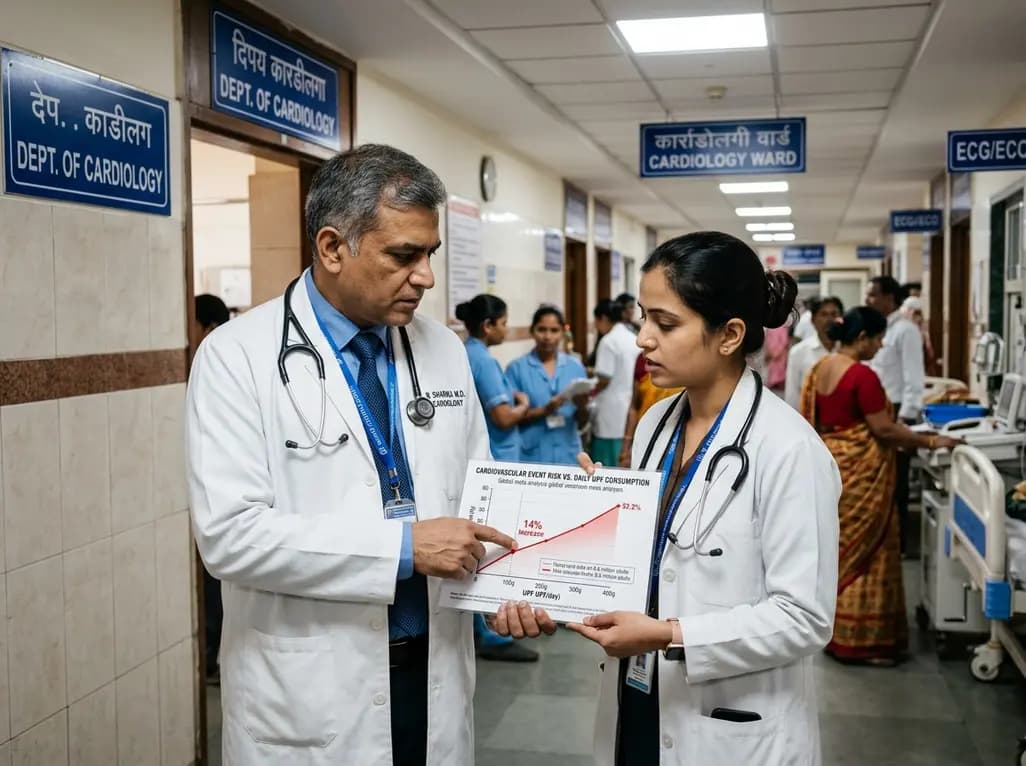
A global dose-response meta-analysis of 8.8 million adults reveals that consuming an extra 100 grams of processed food daily raises cardiovascular event risk by 14%. Explore how industrial additives, systemic inflammation, and metabolic disruption heighten long-term multimorbidity and cardiometabolic risks.
Today
A psychometric validation study confirms that the Turkish Copenhagen Hip and Groin Outcome Score (HAGOS-T) offers excellent reliability, construct validity, and interpretability for patients with hip osteoarthritis, providing clinicians with a robust tool for functional assessment.
Today
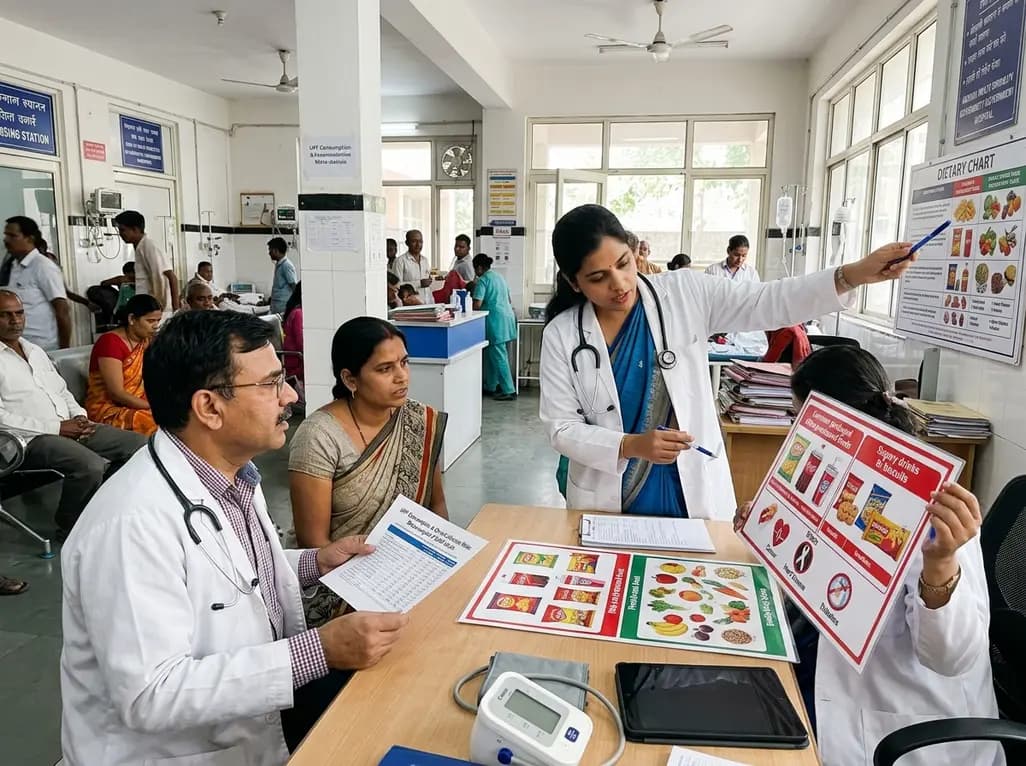
A landmark dose-response meta-analysis of 8.8 million adults reveals that high ultra-processed food intake significantly elevates risks for cardiovascular disease, cancer, diabetes, depression, and all-cause mortality, highlighting urgent needs for clinical lifestyle interventions.
Today
