.webp&w=384&q=75)

Loading, please wait...
Loading, please wait...

Patients are often motivated by altruism and the potential for collective health benefits. High levels of trust in research institutions and the belief that their data can improve early detection of serious conditions also drive participation.
While health app data is shared more readily, patients often view browsing history and social media activity with greater caution. Privacy concerns and the perceived lack of medical relevance are common reasons for this hesitancy.
Researchers can improve willingness by providing strong data security assurances and clearly communicating the specific benefits of the research. Transparency regarding how the data will be used and protected is essential for building long-term trust.
Disclaimer: This content is for informational and educational purposes only. It does not constitute professional medical advice, diagnosis, or treatment. Always seek the advice of your physician or other qualified healthcare provider with any questions you may have regarding a medical condition. Refer to the latest local and national guidelines for clinical practice.
References
Derksen C et al. Willingness to Share Internet Use Data for Research on Early Disease Detection: Cross-Sectional Survey. J Med Internet Res. 2026 Mar 25. doi: 10.2196/85637. PMID: 41880607.
Skinner J et al. Factors affecting willingness to share electronic health data among California consumers. BMC Med Inform Decis Mak. 2017;17(1):157. doi: 10.1186/s12911-017-0474-y.
Zenone M et al. Patient and Public Willingness to Share Personal Health Data for Third-Party or Secondary Uses: Systematic Review. J Med Internet Res. 2024;26:e50666. doi: 10.2196/50666.

Read summarized clinical updates, watch expert medical content, and earn CME certifications right from your smartphone.
Open your smartphone camera to scan and install.





A UK survey reveals high patient willingness to share internet data for medical research, driven by altruism and perceived benefits despite privacy concerns...
6 months ago
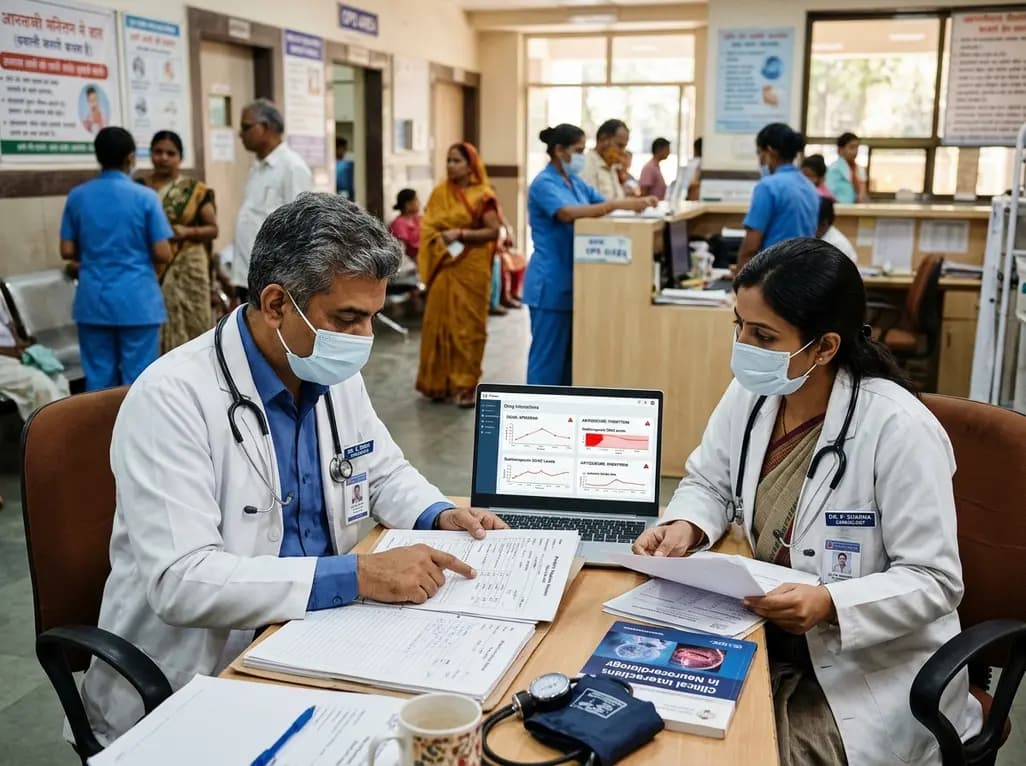
Co-administering antiseizure medications and DOACs frequently causes pharmacokinetic interactions, subtherapeutic drug levels, and thromboembolic failures. This review highlights enzyme induction risks, unpredictable outcomes with levetiracetam, and the vital role of therapeutic drug monitoring.
Today

Demanding exhaustive hormonal profiling can inadvertently discourage clinical studies involving females. Methodological standards must align with the specific scientific question to expand, not restrict, equitable evidence for women.
Today
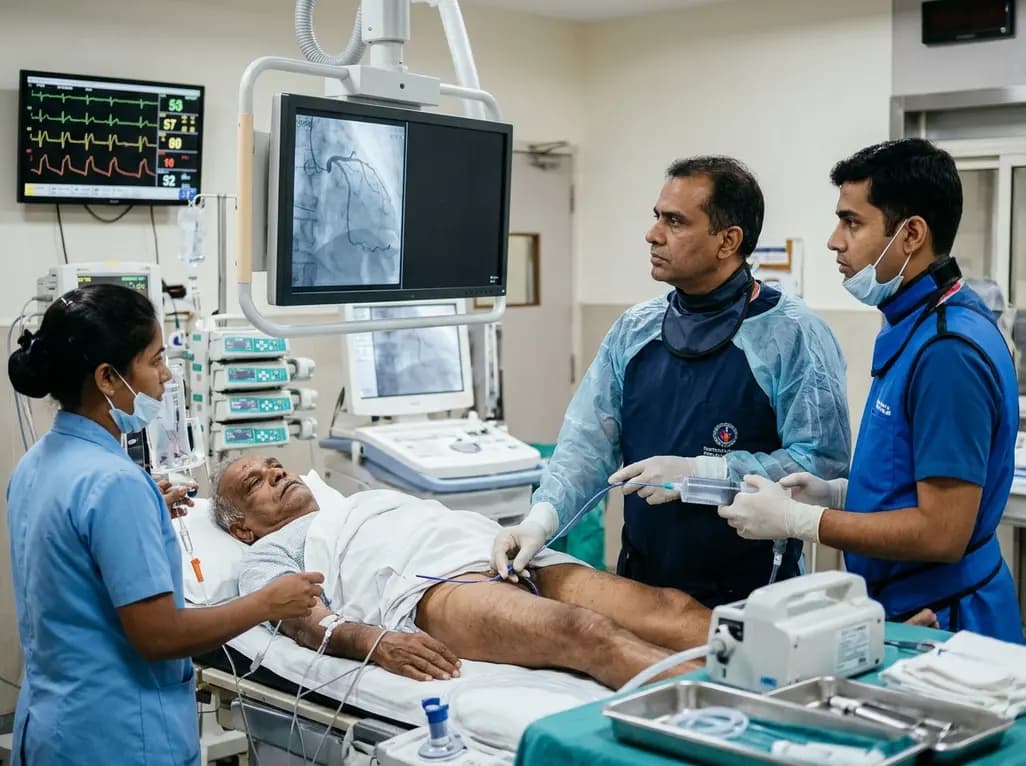
An elderly man with partially repaired Tetralogy of Fallot presented with STEMI caused by coronary embolism rather than atherosclerosis. Successful treatment with sustained mechanical aspiration thrombectomy underscores the vital need for high clinical vigilance in adult congenital heart disease.
Today
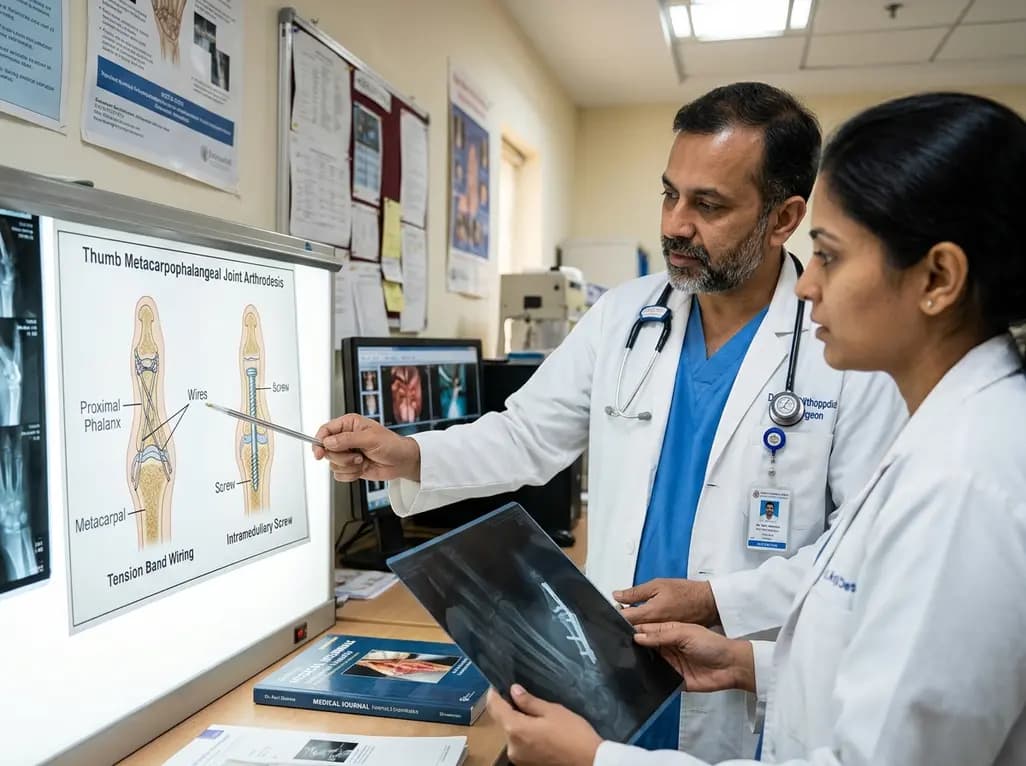
A comparative review of tension band wiring and intramedullary screw fixation in thumb metacarpophalangeal arthrodesis, evaluating union rates, hardware complications, and clinical outcomes.
Today

Following regulatory scrutiny from FSSAI regarding promotional representations and lean muscle preservation claims, Dr. Reddy's Laboratories and Nestlé Health Science are currently reviewing the branding and marketing strategy for their joint nutritional supplement Celevida GLP+.
Today
