.webp&w=384&q=75)

Loading, please wait...
Loading, please wait...

Recent research from Rutgers Health suggests that internalised stress and memory decline are deeply interconnected in aging populations. Specifically, feelings of hopelessness may accelerate cognitive impairment more than external social factors. While many clinicians focus on physical health, this study emphasizes the critical role of emotional processing in brain aging. Furthermore, internalised stress occurs when individuals absorb emotional strain instead of resolving it.
Researchers analyzed data from over 1,500 participants in the Population Study of Chinese Elderly. Consequently, they discovered that individuals with high levels of hopelessness experienced significantly faster memory loss over several years. In contrast, factors like community cohesion and social support did not mitigate this specific risk. The findings indicate that the internal emotional state serves as a primary driver of cognitive aging.
Clinicians must recognize that silent emotional burdens often go unnoticed due to cultural pressures. For instance, many patients may feel a need to appear resilient, which masks their internal struggles. Therefore, practitioners should incorporate culturally sensitive screening for hopelessness during routine geriatric assessments. Ultimately, addressing these modifiable feelings could play a vital role in preserving cognitive function in senior populations.
Q1: What exactly is internalised stress?
Internalised stress is a psychological pattern where individuals turn their emotional burdens inward. It typically manifests as persistent feelings of hopelessness or a tendency to bottle up stressful experiences rather than seeking external resolution.
Q2: Can social support protect against memory loss caused by hopelessness?
Surprisingly, this study found that community support did not have the same protective impact as emotional relief. While social connections are important, the internal feeling of hopelessness appears to be a more significant factor in memory decline.
Q3: Is the memory decline from internalised stress reversible?
While the study focused on the rate of decline, the researchers emphasized that feelings of hopelessness are modifiable. Targeted, culturally sensitive interventions to reduce stress could potentially slow down the progression of memory loss.
Disclaimer: This content is for informational and educational purposes only. It does not constitute medical advice or replace professional judgment. Refer to the latest local and national guidelines for clinical practice.
References

Read summarized clinical updates, watch expert medical content, and earn CME certifications right from your smartphone.
Open your smartphone camera to scan and install.





Rutgers Health research links internalized stress and hopelessness to rapid memory decline in older adults, highlighting the need for culturally sensitive c...
5 months ago
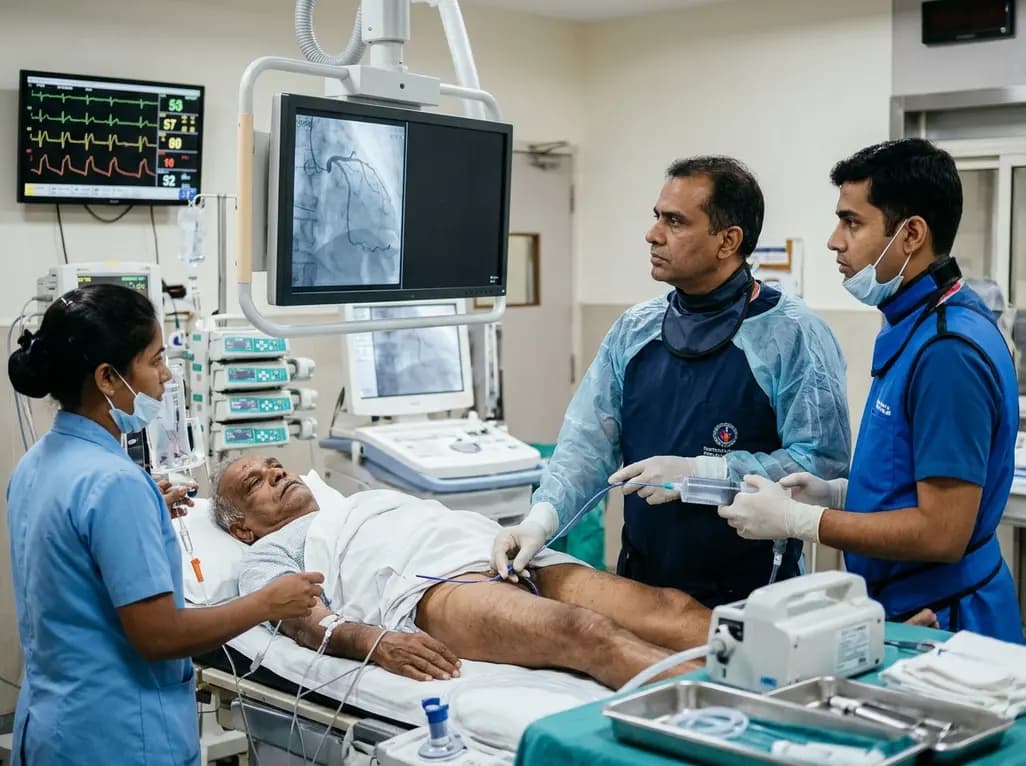
An elderly man with partially repaired Tetralogy of Fallot presented with STEMI caused by coronary embolism rather than atherosclerosis. Successful treatment with sustained mechanical aspiration thrombectomy underscores the vital need for high clinical vigilance in adult congenital heart disease.
Today

Demanding exhaustive hormonal profiling can inadvertently discourage clinical studies involving females. Methodological standards must align with the specific scientific question to expand, not restrict, equitable evidence for women.
Today

A recent study demonstrates that spinal oxygen sensors do not require mitochondrial electron transport to trigger sympathetic excitation during acute hypoxia, revealing new insights into how mitochondrial oxidative stress modulates autonomic tone in cardiovascular and neurological diseases.
Today

A novel calcium polyphosphate coacervate enables injectable bone implants with in situ hierarchical porosity via phase separation and gas foaming, significantly enhancing cell proliferation, energy metabolism, and osteogenic differentiation for minimally invasive bone defect repair.
Today

Following regulatory scrutiny from FSSAI regarding promotional representations and lean muscle preservation claims, Dr. Reddy's Laboratories and Nestlé Health Science are currently reviewing the branding and marketing strategy for their joint nutritional supplement Celevida GLP+.
Today
