.webp&w=384&q=75)

Loading, please wait...
Loading, please wait...
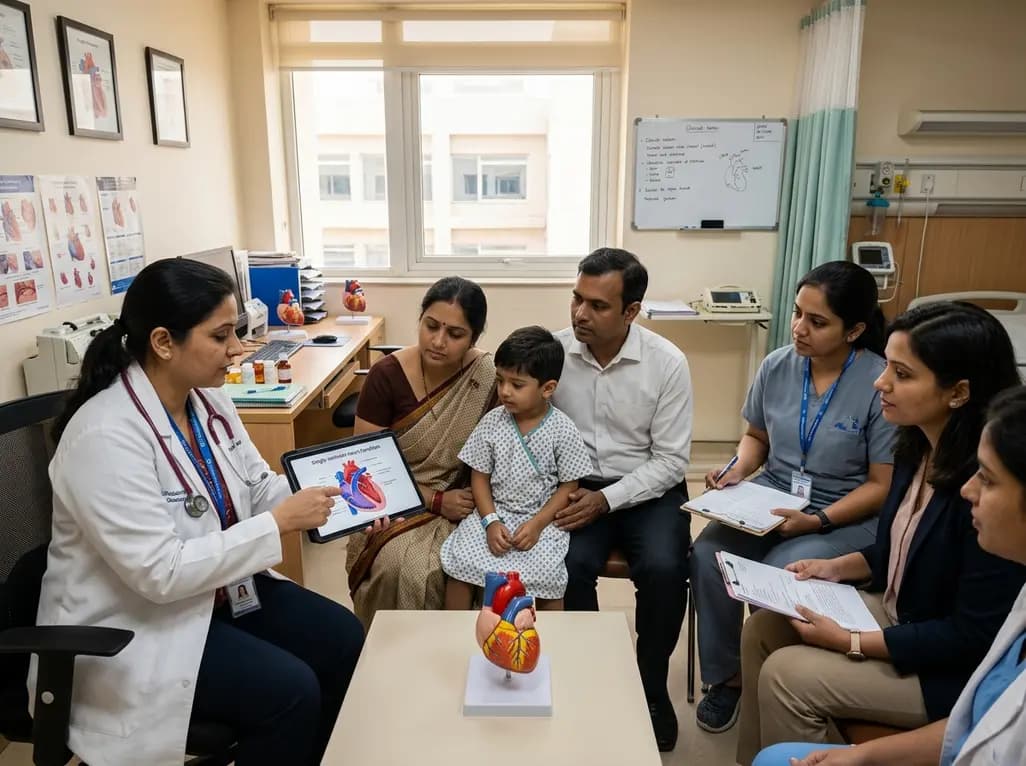
Managing congenital cardiac anomalies requires a structured approach that extends beyond immediate surgical reconstruction. Children born with univentricular physiology face lifelong physiological challenges that demand dedicated single ventricle follow-up care. Recent clinical evaluation from public tertiary referral centers demonstrates how structured interdisciplinary models dramatically enhance long-term compliance, early complication identification, and holistic patient well-being. By integrating medical, surgical, and psychoeducational disciplines into a unified monthly care setting, specialized pediatric programs bridge critical gaps between complex post-operative recovery and long-term outpatient survival.
The clinical trajectory of univentricular heart disease involves complex multi-stage surgical palliation, including the Norwood, Glenn, and Fontan procedures. Consequently, patients require ongoing monitoring for cardiovascular, hepatic, renal, and neurodevelopmental sequelae. Establishing a dedicated interdisciplinary clinic allows pediatric cardiologists, cardiac surgeons, specialized nurses, dietitians, and mental health professionals to evaluate patients simultaneously. This consolidated approach streamlines clinical workflow and reduces the burden on families who otherwise navigate fragmented subspecialty appointments. Furthermore, routine pre-clinic case conferences ensure that clinicians review diagnostic imaging and laboratory investigations before seeing the patient. As a result, the care team delivers tailored therapeutic interventions during a single visit. Experience demonstrates that this integrated model improves clinical adherence significantly. Attendance rates for scheduled outpatient visits increased from 70 percent to 92 percent following the implementation of structured interdisciplinary coordination. Moreover, seamless communication between subspecialists enables rapid clinical decision-making, which is vital for managing fragile single-ventricle physiology across key developmental milestones.
Patients living with single-ventricle circulation remain at high risk for insidious post-operative complications, such as Fontan-associated liver disease, protein-losing enteropathy, plastic bronchitis, and arrhythmias. Therefore, early identification of subtle hemodynamic decompensation is essential for improving long-term survival. An interdisciplinary clinic model establishes standardized clinical roadmaps that mandate regular echocardiographic screening, biomarker tracking, and cross-sectional imaging. By maintaining consistent longitudinal records, clinicians detect physiological decline long before overt clinical failure occurs. Additionally, direct access to complementary diagnostic studies during routine follow-up visits minimizes delay in therapeutic adjustments. When clinicians identify early signs of venous hypertension or ventricular dysfunction, they adjust medical therapy or plan interventional catheterization promptly. Consequently, structured follow-up protocols prevent avoidable emergency hospitalizations and slow organ system deterioration. In addition, centralized care registries help clinical teams track developmental metrics and functional status systematically. This systematic surveillance protects vulnerable pediatric patients during critical transition periods between staged surgical palliations.
Living with complex congenital heart disease imposes profound physical, emotional, and economic stress on caregiving families. Consequently, effective long-term management must address psychosocial burdens alongside physical health. Modern interdisciplinary clinics incorporate monthly psychoeducational workshops and dedicated therapeutic play sessions directly into outpatient visits. These interactive workshops provide parents with clear information regarding medication compliance, nutritional goals, and warning signs requiring urgent medical attention. Furthermore, parent groups foster supportive peer networks where families share lived experiences and coping strategies. Concurrently, trained child life specialists engage pediatric patients in therapeutic play sessions during clinical evaluations. This specialized interaction reduces medical anxiety, familiarizes children with clinical equipment, and encourages active participation in their healthcare. In fact, observational data show that over 60 percent of enrolled families actively participate in these support workshops. By empowering caregivers with knowledge and emotional support, clinical teams cultivate strong therapeutic partnerships that enhance overall treatment adherence.
Implementing comprehensive interdisciplinary clinics within high-complexity public hospitals offers a sustainable framework for resource-constrained healthcare systems. High patient volume and administrative challenges often hinder chronic disease management in public medical centers. However, formalizing a centralized roadmap streamlines resource utilization and reduces duplicated diagnostic testing. Establishing clear interdisciplinary communication channels ensures that primary care pediatricians and regional centers collaborate effectively with specialized tertiary teams. This hub-and-spoke coordination model allows local physicians to manage routine pediatric care while tertiary specialists oversee complex single-ventricle surveillance. Furthermore, public health institutions benefit from reduced long-term inpatient admission costs when outpatient clinics successfully prevent major cardiovascular crises. As public hospitals adopt these structured interdisciplinary pathways, they demonstrate that advanced pediatric cardiac care models are both clinically impactful and economically viable. Consequently, this care paradigm serves as an inspiring prototype for tertiary institutions seeking to elevate congenital heart disease management nationwide.
As pediatric cardiac surgical techniques and perioperative management continue to advance, survival rates for children with single-ventricle physiology will steadily rise. However, increasing survival creates an expanding cohort of adolescents and young adults who require specialized adult congenital heart disease care. Therefore, interdisciplinary pediatric clinics must establish structured transition pathways to ensure uninterrupted lifelong surveillance. Future initiatives aim to incorporate advanced digital health tools, including remote home monitoring platforms and digital pulse oximetry tracking, into routine clinical practice. These technological tools allow care teams to monitor resting oxygen saturation and hemodynamic trends continuously between outpatient visits. Furthermore, expanding multi-center clinical registries will enable researchers to analyze long-term outcomes and refine standardized care algorithms. By combining innovative multidisciplinary care delivery with cutting-edge digital technology, healthcare providers can continuously improve survival rates, functional capacity, and quality of life for individuals living with univentricular heart defects.
A single ventricle interdisciplinary clinic provides comprehensive, coordinated outpatient management for pediatric patients born with univentricular heart physiology. By bringing together pediatric cardiologists, cardiac surgeons, specialized nurses, dietitians, and psychologists in a single monthly setting, the clinic optimizes medical surveillance, improves patient adherence, detects post-surgical complications early, and delivers crucial psychoeducational support to families throughout multi-stage surgical palliation.
Interdisciplinary care consolidates multiple subspecialty consultations, diagnostic testing, and supportive interventions into one organized visit. This streamlined approach significantly reduces travel burdens, work absences, and financial strain for families. Consequently, scheduled appointment attendance increases substantially, rising from 70 percent to 92 percent. Furthermore, structured family educational workshops enhance understanding of treatment plans, leading to superior medication compliance and home monitoring diligence.
Structured interdisciplinary follow-up enables early identification of complex multi-system complications associated with single-ventricle physiology and Fontan circulation. These include Fontan-associated liver disease, protein-losing enteropathy, plastic bronchitis, cardiac arrhythmias, heart failure, and pulmonary vascular congestion. Routine echocardiograms, specialized laboratory biomarkers, and regular subspecialty reviews allow clinicians to identify physiological decline early and initiate timely medical or interventional catheterization treatments.
Disclaimer: This content is for informational and educational purposes only and does not constitute medical advice. Refer to the latest local and national guidelines for clinical practice.
References
Foti ML et al. [Initial experience with the implementation of an interdisciplinary clinic for the follow-up of pediatric patients with single ventricle]. Arch Cardiol Mex. 2026 Aug 05. doi: 10.24875/ACM.25000288. PMID: 42555981.
Rychik J et al. Evaluation and Management of the Child and Adult With Fontan Circulation: A Scientific Statement From the American Heart Association. Circulation. 2019;140(6):e234-e284.
Alsaied T et al. Optimizing Long-Term Health for Fontan Circulation Patients: A Comprehensive Multidisciplinary Approach. PittFON Program Guidelines. 2024.

Read summarized clinical updates, watch expert medical content, and earn CME certifications right from your smartphone.
Open your smartphone camera to scan and install.





Implementing an interdisciplinary single-ventricle clinic improves pediatric follow-up adherence, enables early complication detection, and enhances family engagement through structured care protocols and psychoeducational workshops in high-complexity tertiary centers.
last month

Baseline comorbidity burden, quantified via CIRS-G, independently predicts persistent glucocorticoid requirements in polymyalgia rheumatica, supporting early steroid-sparing strategies.
Today

A premature neonate developed upper limb compartment syndrome after uterine rupture extruded the arm through a scar defect. Conservative management with continuous monitoring yielded complete functional recovery and normal limb growth at 10-year follow-up, highlighting non-operative safety in selected cases.
Today
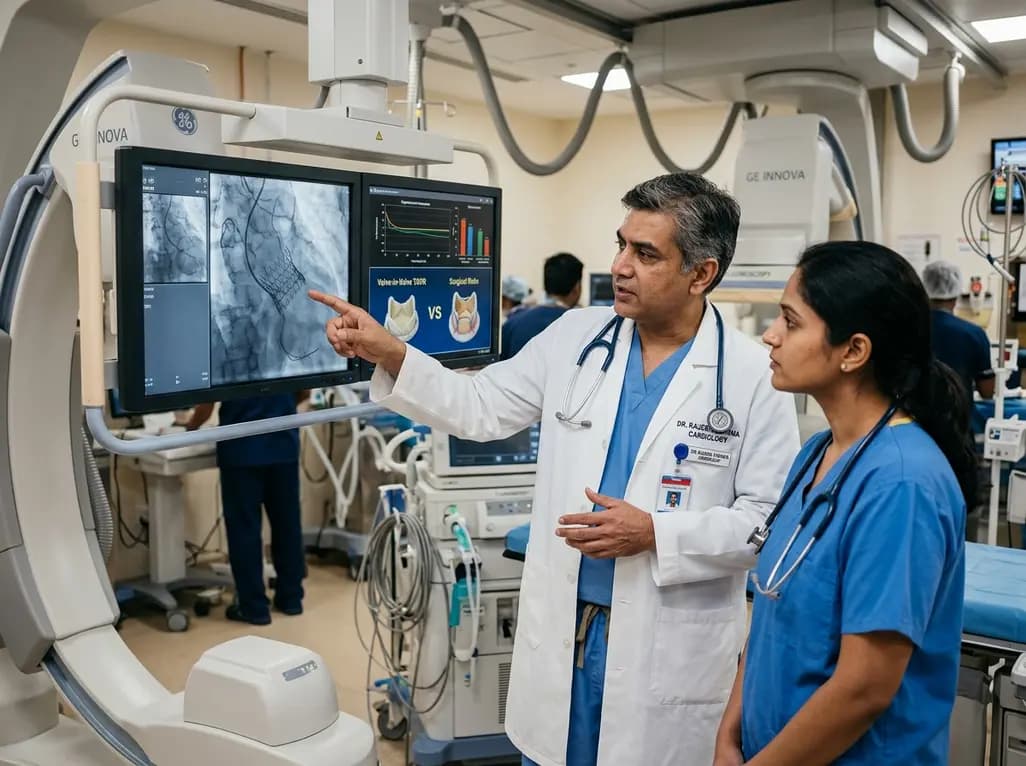
A meta-analysis of 13 propensity score-matched studies shows ViV-TAVR delivers lower early mortality and reduced bleeding compared to redo-SAVR for degenerated bioprosthetic aortic valves, though long-term hemodynamics warrant careful anatomical and patient-centered evaluation.
Today
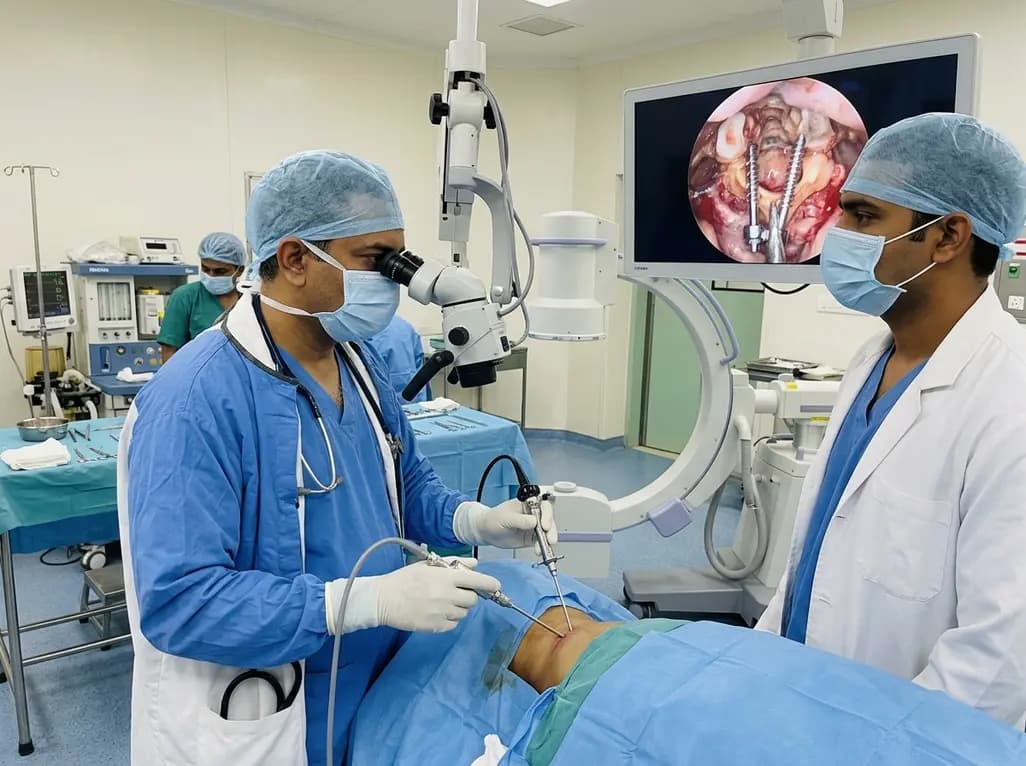
Endoscopic posterior cervical fusion combines minimally invasive decompression, joint preparation, and rigid screw-rod fixation for atlantoaxial pathologies. Early clinical findings demonstrate solid bony union, excellent symptom relief, and minimal soft-tissue morbidity without significant vascular compromise.
Yesterday

The All-India Food Processors' Association has approached the Supreme Court to oppose FSSAI's proposed per-100g benchmark for front-of-pack warning labels, advocating instead for a per-serving threshold. We explore the regulatory showdown, nutritional evidence, and implications for clinical lifestyle counseling.
Today
