.webp&w=384&q=75)

Loading, please wait...
Loading, please wait...

Glucocorticoids remain the primary first-line intervention for polymyalgia rheumatica. However, clinicians recognize that long-term systemic steroid exposure carries significant clinical hazards, especially in older adults. When evaluating older individuals with new inflammatory complaints, initiating prompt symptom control is essential. Yet, unmonitored treatment often results in protracted regimens. Consequently, incorporating early risk stratification may clarify which individuals benefit most from upfront steroid-sparing therapy in PMR. Emerging geriatric data indicate that systematic pre-treatment evaluation illuminates systemic vulnerabilities before cumulative drug toxicity develops.
Systemic corticosteroids effectively suppress morning stiffness, pelvic girdle ache, and shoulder discomfort in polymyalgia rheumatica. Nevertheless, older individuals experience elevated vulnerability to glucocorticoid-related adverse events. Extended therapy frequently induces secondary osteoporosis, vertebral compression fractures, and cutaneous fragility. Furthermore, prolonged steroid exposure accelerates metabolic dysregulation, frequently precipitating de novo type 2 diabetes mellitus or worsening baseline glycemic control. Systemic hypertension, glaucoma, opportunistic infections, and steroid-induced myopathy also emerge with cumulative exposure. Therefore, clinicians must carefully calculate the therapeutic ratio when managing older patients. While fast symptomatic relief remains necessary, relying solely on unadjusted taper schedules frequently leads to protracted maintenance dosing. In addition, unrecognized subclinical comorbidities often magnify these drug toxicities. Consequently, relying on chronological age alone fails to capture patient vulnerability. Clinicians require standardized instruments to assess baseline physiological reserve and comorbidity before prescribing protracted steroid tapers.
Standard rheumatologic evaluations rarely incorporate validated geriatric comorbidity indices. However, recent evidence highlights the utility of the Cumulative Illness Rating Scale for Geriatrics (CIRS-G) in standardizing systemic health burden. The CIRS-G systematically categorizes chronic organ impairment across fourteen discrete physiological domains. It grades severity from negligible disease to life-threatening impairment. By deploying this instrument, physicians objectively quantify baseline illness density rather than relying on intuitive impressions. Recent clinical investigations demonstrate that high baseline CIRS-G scores independently correlate with persistent glucocorticoid requirements at twelve months. Specifically, each unit increase in comorbidity density significantly raises the odds of prolonged steroid dependency. Older adults with elevated illness density experience frequent relapses during standard steroid reductions. Thus, multimorbidity impairs the patient's capacity to tolerate rapid glucocorticoid withdrawal. Adopting comprehensive scoring at presentation identifies high-risk individuals who require vigilant monitoring and customized management regimens.
Several pathophysiological mechanisms explain why multi-morbid patients struggle to discontinue systemic steroids. First, chronic systemic inflammation from coexisting conditions may interact synergistically with polymyalgia rheumatica pathways. Pro-inflammatory cytokines such as interleukin-6 remain elevated in chronic vascular, metabolic, and renal diseases. Therefore, baseline systemic inflammation creates an overlapping symptom profile that mimics rheumatologic flares during dosage reductions. Second, frailty and muscle sarcopenia complicate clinical assessments of shoulder and hip girdle discomfort. Clinicians frequently misinterpret chronic non-inflammatory musculoskeletal pain as persistent polymyalgia activity, leading to inappropriate dose escalation. Moreover, altered pharmacokinetics in older adults with multi-organ disease impair steroid clearance and endogenous hypothalamic-pituitary-adrenal axis recovery. As a result, physiological dependency develops alongside chronic disease instability. Recognizing these overlapping pathways helps physicians distinguish true autoimmune persistence from generalized comorbidity burden, preventing unnecessary steroid prolongation.
Given the hazards of chronic steroid exposure, high-risk patients warrant targeted therapeutic alternatives. Initiating early steroid-sparing therapy in PMR can reduce total cumulative glucocorticoid consumption and preserve functional independence. Conventional synthetic agents such as methotrexate provide modest steroid-sparing benefits in patients with recurrent flares or significant comorbidity. Furthermore, targeted biologic agents, particularly interleukin-6 receptor antagonists like tocilizumab or sarilumab, demonstrate robust efficacy in sustaining remission while facilitating rapid steroid withdrawal. In patients displaying high baseline CIRS-G scores, clinicians should consider introducing these steroid-sparing therapies early rather than delaying until multiple relapses occur. Early intervention protects vulnerable organ systems from steroid toxicity while ensuring rapid suppression of systemic inflammation. In addition, reducing reliance on high-dose prednisone preserves bone mineral density and prevents metabolic instability. Consequently, stratified therapeutic algorithms optimize overall clinical outcomes in complex geriatric cohorts.
Integrating geriatric comorbidity assessments into routine outpatient care requires efficient clinical workflows. Physicians should establish baseline CIRS-G scoring or simplified multi-morbidity checklists during the initial diagnostic visit. Concurrently, baseline laboratory screening must evaluate glycemic status, bone density, cardiovascular stability, and renal function. When high comorbidity burden is confirmed, clinicians should formulate an individualized glucocorticoid tapering timeline that incorporates planned reassessment intervals. Furthermore, multidisciplinary collaboration enhances patient outcomes substantially. Consulting geriatricians, endocrinologists, and physical therapists ensures comprehensive management of pre-existing chronic conditions. Patient education also plays an indispensable role; explaining the hazards of prolonged steroid use encourages adherence to non-pharmacological interventions, including resistance exercise and fall prevention. By systematically documenting comorbidity, adjusting pharmacotherapy proactively, and scheduling regular surveillance, clinicians minimize steroid-induced morbidity while maintaining symptom remission.
What is the primary benefit of assessing CIRS-G in polymyalgia rheumatica?
Assessing the Cumulative Illness Rating Scale for Geriatrics provides an objective, quantified measurement of multi-organ disease burden at baseline. This metric helps clinicians identify older patients at heightened risk of prolonged glucocorticoid dependency and treatment-related complications. Consequently, physicians can design safer, tailored tapering protocols and introduce adjunctive therapies much earlier in the clinical pathway.
When should clinicians consider early steroid-sparing therapy in PMR?
Clinicians should consider early steroid-sparing therapy in PMR for patients presenting with high baseline comorbidity scores, severe osteoporosis, poorly controlled diabetes, or recurrent relapses during initial tapering. Introducing disease-modifying antirheumatic drugs or biologic therapies early suppresses systemic inflammation effectively. This proactive approach safely accelerates steroid withdrawal while preventing severe cumulative drug-induced organ toxicity.
Which steroid-sparing agents demonstrate efficacy in polymyalgia rheumatica?
Oral methotrexate remains the most commonly utilized conventional synthetic steroid-sparing agent for polymyalgia rheumatica. Additionally, interleukin-6 receptor antagonists, including sarilumab and tocilizumab, have demonstrated significant efficacy in randomized clinical trials. These biologic medications achieve sustained clinical remission, decrease relapse rates, and substantially lower total cumulative glucocorticoid exposure in older populations.
Disclaimer: This content is for informational and educational purposes only... Refer to the latest local and national guidelines for clinical practice.
References
Manzo C et al. Baseline comorbidity assessment may authorize early steroid-sparing therapy in older patients with polymyalgia rheumatica. Clin Rheumatol. 2026 Sep 10. doi: 10.1007/s10067-026-08403-5. PMID: 42720710.
Dejaco C, et al. 2015 Recommendations for the management of polymyalgia rheumatica: a European League Against Rheumatism/American College of Rheumatology collaborative initiative. Ann Rheum Dis. 2015;74(10):1799-1807.
Spiera RF, et al. Sarilumab for Relapse of Polymyalgia Rheumatica during Glucocorticoid Taper. N Engl J Med. 2023;389(14):1263-1272.

Read summarized clinical updates, watch expert medical content, and earn CME certifications right from your smartphone.
Open your smartphone camera to scan and install.





Baseline comorbidity burden, quantified via CIRS-G, independently predicts persistent glucocorticoid requirements in polymyalgia rheumatica, supporting early steroid-sparing strategies.
last month
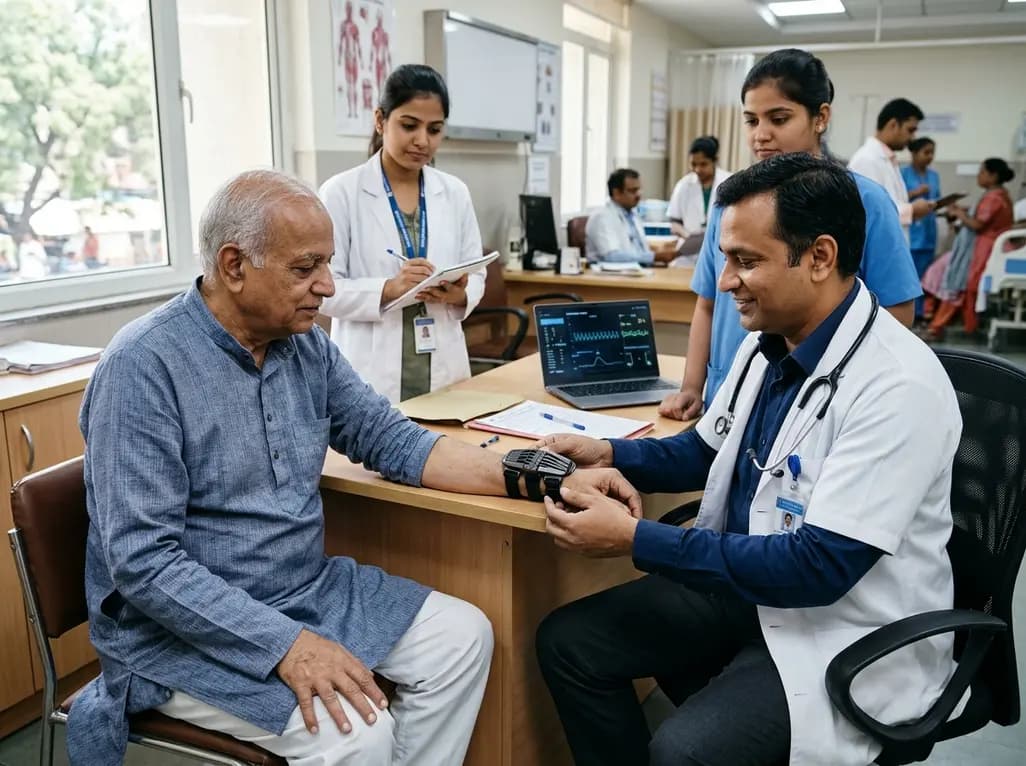
The TREM-AB open-label pilot study evaluated a wearable passive nonlinear vibration absorber for essential tremor. The Nonlinear Energy Sink bracelet reduced clinical Fahn-Tolosa-Marin tremor scores by 32.1% and electrophysiological tremor power by 49.2% with no adverse effects reported.
Today

A population-based study of 20,928 children reveals that small vulnerable newborns face sex-divergent mental capital outcomes at ages 6-7: term SGA girls show higher behavioral difficulties and lower resilience, while preterm non-SGA boys experience increased behavioral problems.
Today
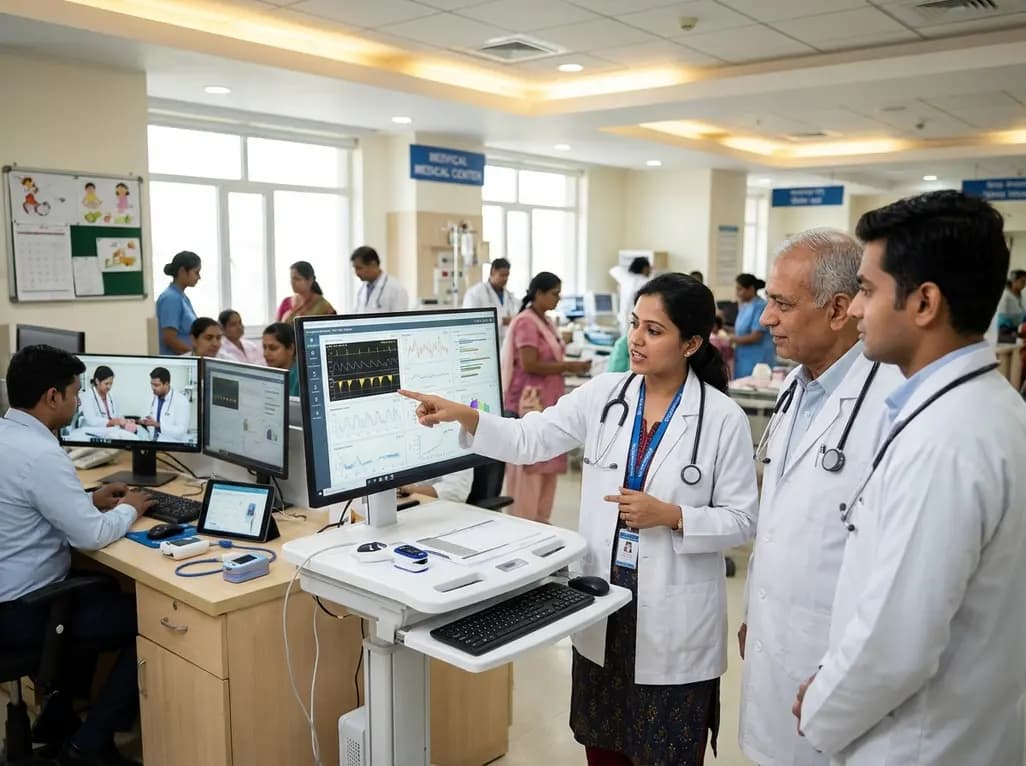
A landmark study details how an enterprise pediatric remote patient management model expanded from a single cardiology pilot to 16 diverse specialty programs by combining centralized digital operations with specialty clinical leadership.
Today

A comparative review of tension band wiring and intramedullary screw fixation in thumb metacarpophalangeal arthrodesis, evaluating union rates, hardware complications, and clinical outcomes.
Today
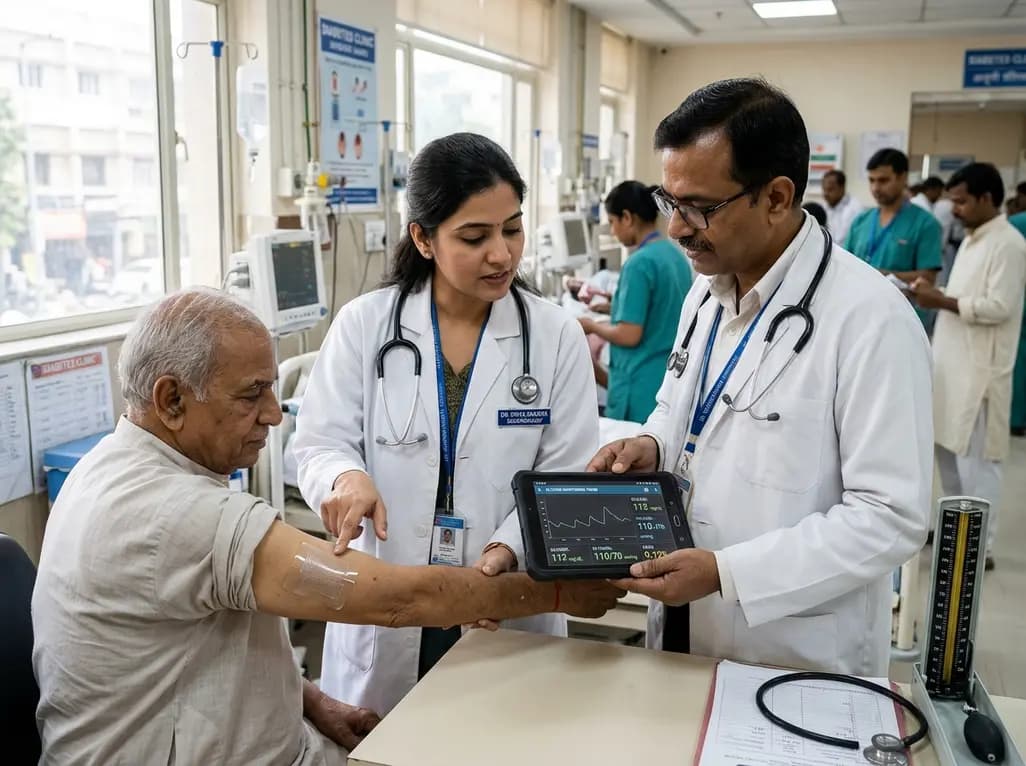
A breakthrough ultrathin multimodal sensor decouples physical hemodynamic monitoring from disposable electrochemical calibration, achieving long-term wearable glucose prediction with 81.36% accuracy and a 9.12% MARD. This offers a robust, drift-free solution for outpatient metabolic surveillance.
Today
