.webp&w=384&q=75)

Loading, please wait...
Loading, please wait...
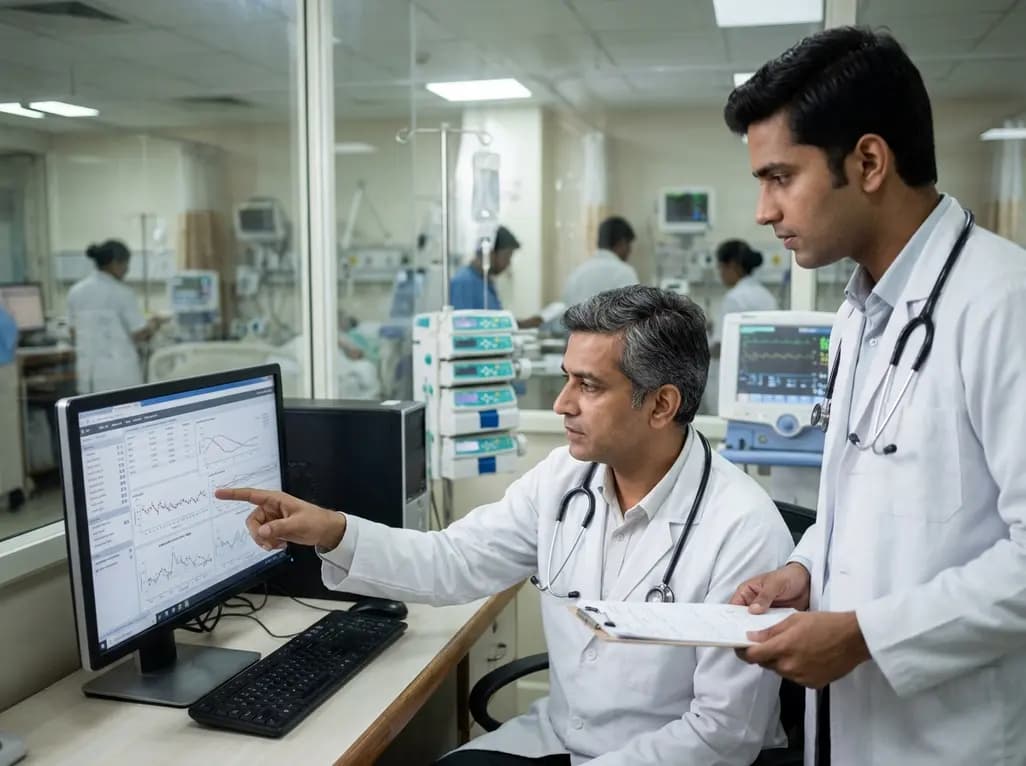
Invasive mechanical ventilation remains an essential life-saving intervention for critically ill patients admitted to intensive care units worldwide. However, prolonged mechanical ventilation exposes patients to significant clinical complications, including ventilator-associated pneumonia, airway trauma, diaphragm dysfunction, and severe cognitive impairment. Timely liberation from ventilatory support through structured weaning protocols is therefore a cornerstone of modern critical care management. Despite established international guidelines emphasizing daily readiness assessments and protocolized spontaneous breathing trials, adherence to weaning guidelines in daily clinical practice remains variable across different centers. Remote expert oversight through intensive care telemedicine offers a promising strategy to bridge these implementation gaps. By integrating specialized intensivists and critical care nurses into daily ward rounds via digital platforms, tele-ICU programs aim to standardize care delivery, enhance quality indicator compliance, and optimize patient outcomes. Recent secondary analyses from major clinical trials provide valuable insights into how remote monitoring influences ventilator liberation. Specifically, remote multidisciplinary teams can assist bedside clinicians by promoting routine evaluation of extubation readiness, minimizing unnecessary sedation, and ensuring structured spontaneous breathing trials are conducted consistently. As healthcare systems seek scalable solutions to manage critical care demand, evaluating the direct impact of tele-ICU interventions on weaning efficiency becomes essential for contemporary clinical decision-making.
The Enhanced Recovery after Intensive Care study was a landmark stepped-wedge cluster-randomized controlled trial conducted across ten intensive care unit clusters in the metropolitan area of Berlin, Germany. The primary objective of the original trial was to evaluate whether a complex telemedicine program could enhance provider adherence to eight core quality indicators of critical care medicine. In this secondary analysis, investigators specifically evaluated the impact of tele-ICU intervention on the ventilation weaning process and clinical liberation outcomes. The intervention condition featured daily telemedical rounding led by a board-certified intensivist and a specialized intensive care nurse who collaborated directly with local bedside care teams. The study cohort focused on adult patients requiring invasive mechanical ventilation for at least two consecutive days who underwent at least one spontaneous breathing trial. Out of 1,463 patients enrolled across the participating clusters, 308 patients met the strict eligibility criteria for this weaning analysis, including 55 patients in the control period and 253 patients during the active telemedicine intervention phase. Using rigorous descriptive statistics and multivariable mixed-effects regression models, researchers examined key process metrics, including spontaneous breathing trial frequency, time to successful weaning, overall weaning success rates, and total duration of invasive mechanical ventilation.
A central finding of this trial analysis was the profound positive impact of remote telemedical rounding on adherence to protocolized spontaneous breathing trials. Patients treated during the telemedicine intervention phase received spontaneous breathing trials on 51 percent of evaluated patient days, compared to only 27 percent of patient days among patients in the control group. This statistically significant difference demonstrates that structured telemedical oversight effectively drives bedside clinicians to initiate weaning evaluations more frequently. Routine spontaneous breathing trials are critical because delayed recognition of ventilatory readiness prolongs mechanical ventilation unnecessarily, increasing the risk of respiratory muscle atrophy, secondary infections, and prolonged hospital stay. By reviewing patient ventilator settings, arterial blood gas parameters, and sedation depth during daily telemedical rounds, remote intensivists helped local teams identify suitable candidates for breathing trials earlier in their ICU course. Furthermore, regular feedback from telemedical specialists served as a continuous quality improvement prompt, reducing unwarranted practice variation between clinicians. Although daily clinical workflows in busy intensive care units often lead to missed opportunities for weaning assessments, the structured digital intervention created a reliable safety net that systematically reinforced adherence to evidence-based ventilatory guidelines.
Regarding clinical outcomes, the secondary analysis demonstrated that successfully weaned patients in the intervention group experienced a significantly shorter total duration of invasive mechanical ventilation compared to those in the control group. The median duration of invasive ventilation among successfully weaned individuals was 7 days in the telemedicine cohort versus 9 days in the standard care cohort. Additionally, multivariable regression models indicated that the telemedicine intervention was associated with a shorter time interval between the initial spontaneous breathing trial and ultimate liberation from mechanical support. However, telemedical rounding did not produce statistically significant differences in overall weaning classification distribution, overall weaning success rates, or crude duration from the first trial to weaning success across the entire unadjusted cohort. Furthermore, multivariable analysis showed no direct association between the intervention and overall weaning failure rates. These findings suggest that while remote specialized oversight accelerates liberation among patients who are clinically capable of weaning, it does not alter fundamental physiological barriers in complex patients prone to weaning failure. Therefore, the primary benefit of telemedical consultation lies in eliminating administrative and process delays rather than overriding intrinsic organ dysfunction.
The findings from the secondary analysis of the ERIC trial carry important practical implications for health system leaders and critical care physicians. Implementing an intensive care telemedicine system provides a robust framework for delivering expert-level critical care oversight to community hospitals and peripheral ICUs where specialized intensivist staffing may be limited. By establishing daily telemedical rounds guided by standardized quality indicators, healthcare institutions can achieve immediate improvements in process adherence, such as increased spontaneous breathing trial frequency and reduced duration of invasive ventilation for eligible patients. However, clinicians must recognize that telemedical support is an adjunct to, rather than a replacement for, skilled bedside care and comprehensive clinical assessment. Successful ventilator liberation requires seamless communication between remote specialists, bedside physicians, critical care nurses, and respiratory therapists. Institutions adopting tele-ICU models should invest in collaborative interprofessional training and standardized protocols to ensure remote recommendations are effectively translated into bedside action. Ultimately, telemedical integration optimizes ventilator management workflows, reduces practice variability, and shortens mechanical ventilation duration, contributing to improved resource utilization, lower healthcare costs, and enhanced patient recovery across regional critical care networks.
Intensive care telemedicine improves spontaneous breathing trial frequency by introducing structured daily rounding led by expert intensivists and critical care nurses. These remote specialists systematically review sedation depth, respiratory parameters, and ventilator settings alongside bedside teams. This continuous oversight identifies extubation readiness earlier and ensures evidence-based weaning protocols are executed consistently, minimizing practice variations and workflow oversights that commonly delay breathing trials in busy intensive care units.
Yes, telemedical rounding significantly reduces the total duration of invasive mechanical ventilation among successfully weaned patients. Findings from the ERIC trial analysis showed that successfully weaned patients in the telemedicine intervention cohort required a median of 7 days on mechanical ventilation compared to 9 days in the control group. Remote guidance helps streamline care processes, driving faster liberation once patients meet clinical readiness criteria.
Telemedicine does not significantly decrease overall ventilator weaning failure rates or alter weaning success percentages. In the ERIC trial analysis, weaning failure odds were comparable between intervention and control groups. While remote consultations optimize weaning process metrics and shorten ventilation time for capable patients, they cannot overcome intrinsic organ failure, severe diaphragm dysfunction, or complex underlying physiological disease states that drive weaning failure.
Disclaimer: This content is for informational and educational purposes only and does not constitute medical advice, diagnosis, or treatment. Always seek the advice of a qualified healthcare provider with any questions regarding a medical condition or clinical management. Refer to the latest local and national guidelines for clinical practice.
References

Read summarized clinical updates, watch expert medical content, and earn CME certifications right from your smartphone.
Open your smartphone camera to scan and install.





A secondary analysis of the ERIC trial shows that intensive care telemedicine significantly increases spontaneous breathing trial frequency and shortens mechanical ventilation duration in successfully weaned ICU patients, though overall weaning failure rates remain unchanged.
last month
A quaternary centre study of 143 patients undergoing TIPS revealed high 90-day rates of hepatic encephalopathy (43.8%) and mortality (18.6%). Type 2 diabetes independently doubled encephalopathy risk, while advancing age and higher baseline MELD scores strongly predicted short-term mortality.
Today
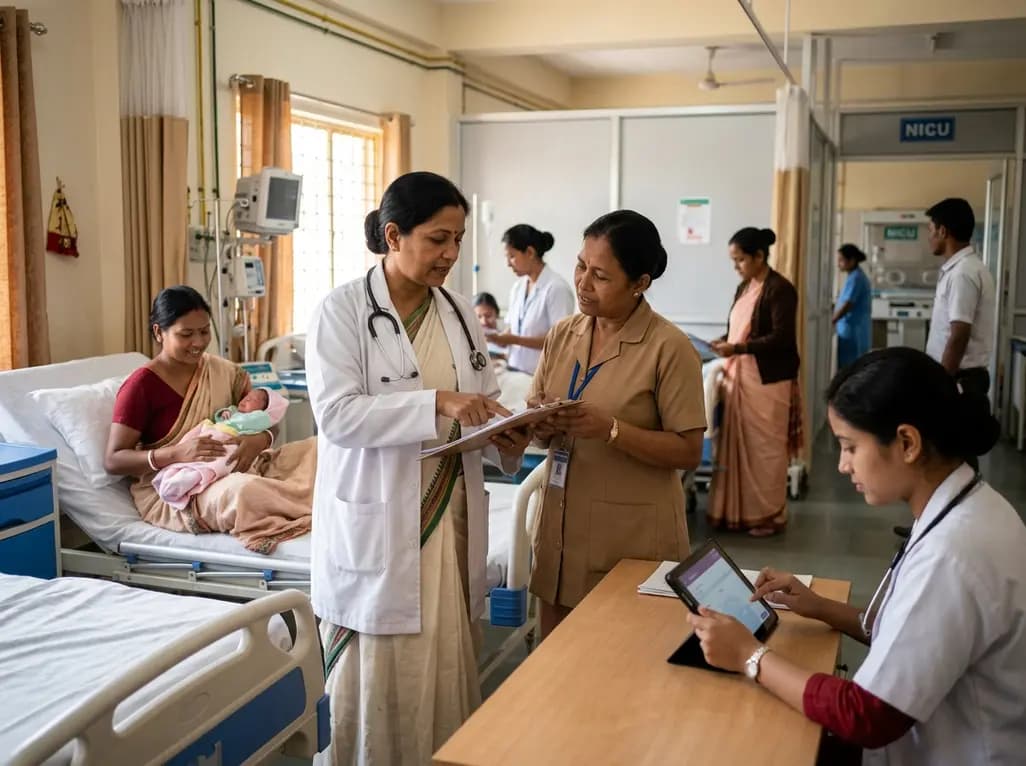
Meghalaya recorded a historic 55% reduction in maternal deaths, dropping from 244 to 107 over five years. Through the MOTHER app, dedicated transit homes, and expanded infrastructure like the 150-bed Tura Maternity Hospital with its first public NICU, the state demonstrates an effective public health model.
Today
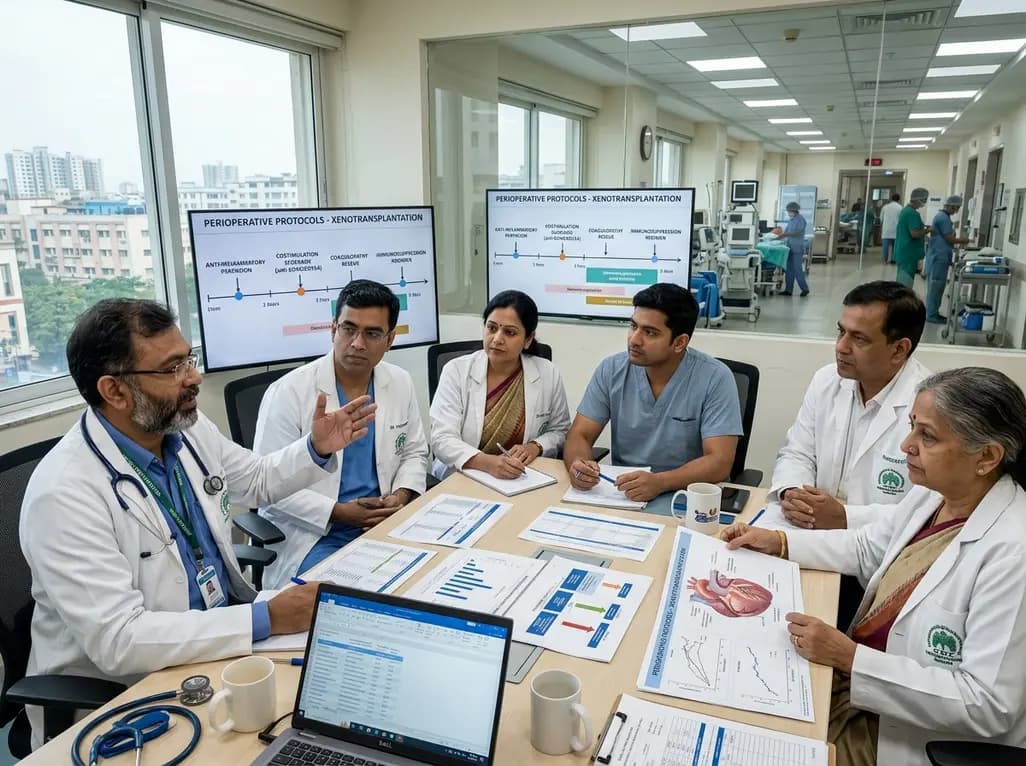
Explore modern perioperative management protocols for clinical xenotransplantation. Learn how costimulation blockade, anti-inflammatory perfusion, and coagulopathy rescue overcome interspecies hurdles.
Today
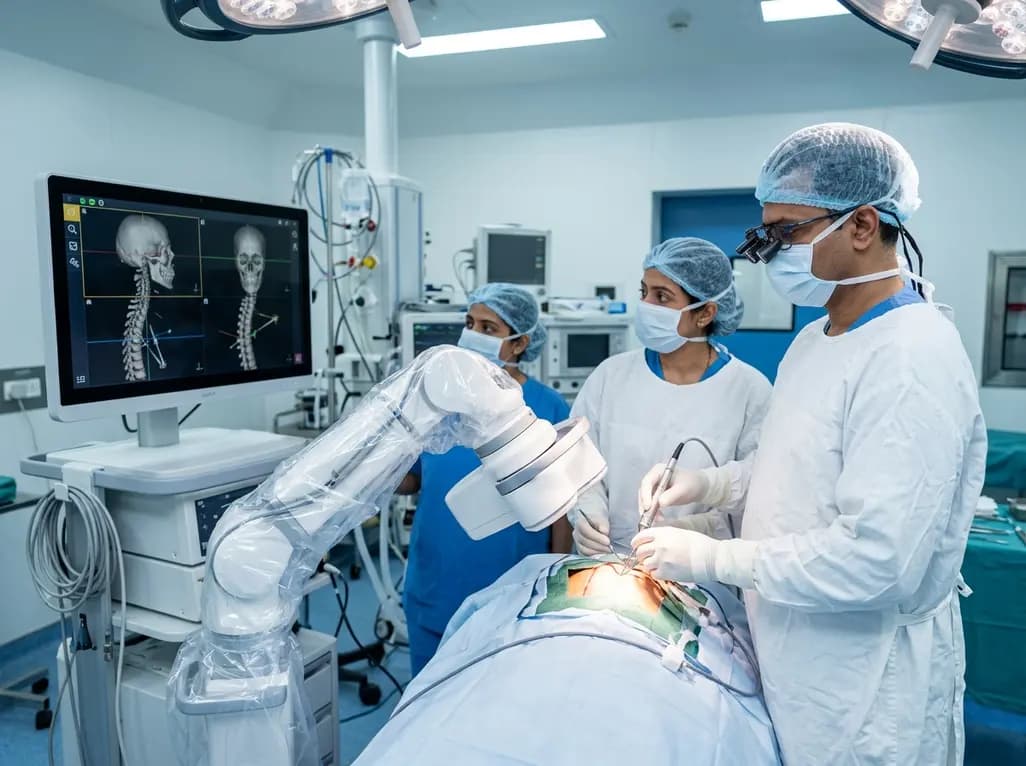
North India's first Centre of Excellence for Brain and Spine at Amrita Hospital Faridabad integrates Brainlab's Loop-X mobile robot. This landmark facility combines cone-beam computed tomography with surgical navigation to elevate precision, optimize operative workflows, and enhance specialized clinician training.
Today
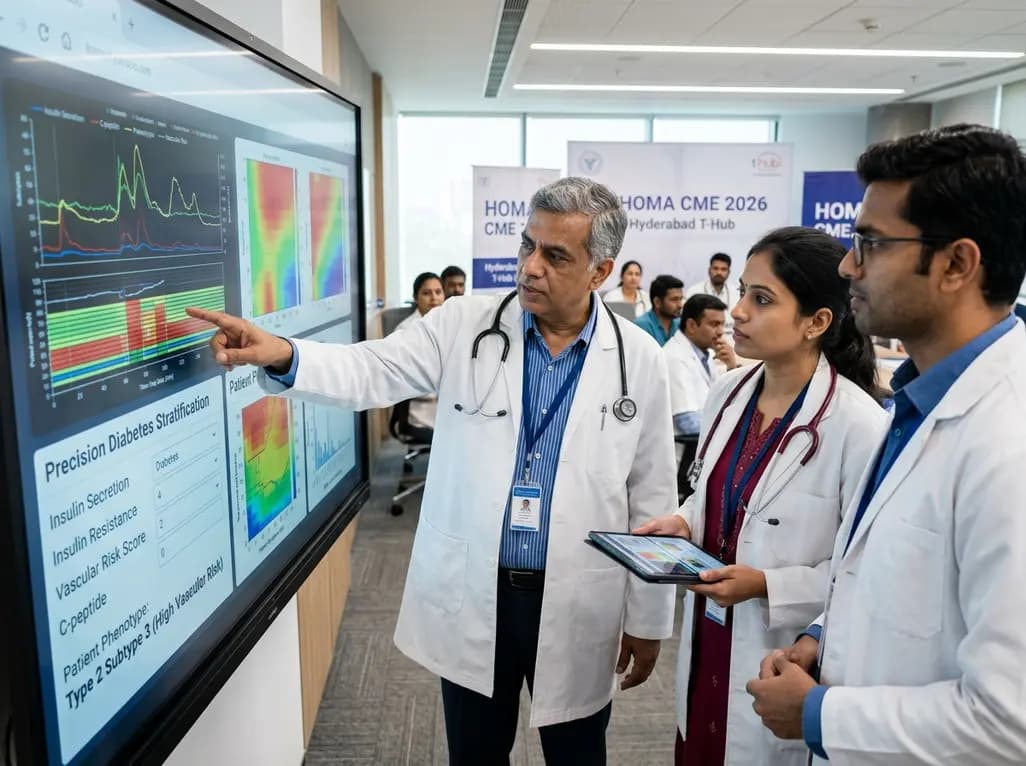
At Homa CME 2026 at Hyderabad's T-Hub, healthcare leaders emphasized moving beyond routine metrics through digital calculators and precision stratification. Discover why characterizing individual insulin secretion, resistance patterns, and vascular risks transforms chronic metabolic care in India.
Today
