.webp&w=384&q=75)

Loading, please wait...
Loading, please wait...

Transjugular intrahepatic portosystemic shunt creation provides effective decompression of portal hypertension in decompensated cirrhosis. The procedure successfully alleviates refractory ascites and recurrent variceal hemorrhage. However, clinicians continue to encounter significant post-TIPS adverse outcomes that impair patient survival and functional recovery. Consequently, recent real-world findings from a quaternary liver transplant centre offer crucial prognostic insights into patient characteristics and early clinical complications.
Over the past decade, the demographic profile of patients undergoing shunt creation has shifted significantly. In a cohort of 143 patients treated at a quaternary referral hospital, alcohol-related liver disease remained the primary underlying etiology in 40% of cases. However, metabolic dysfunction-associated steatotic liver disease emerged as the second most prevalent cause, accounting for over 18% of patients. This demographic shift reflects the global surge in metabolic syndrome and non-alcoholic fatty liver conditions.
Furthermore, the procedural indications highlight the evolving management paradigms for portal hypertension. Refractory ascites and recurrent hepatic hydrothorax formed the majority of procedural indications, encompassing over 53% of all interventions. Meanwhile, secondary prophylaxis and salvage management for acute variceal hemorrhage represented approximately 37% of cases. Interventional radiologists placed shunts across a relatively young cohort, with a median age of 55 years. Notably, modern practice utilizes expanded polytetrafluoroethylene-covered stents, which enhance long-term patency compared to bare metal devices. Nevertheless, despite substantial technical refinements, patient selection remains a formidable challenge for hepatologists. Identifying baseline physiological vulnerability before procedure execution is therefore imperative for optimizing survival and minimizing post-procedural morbidity.
Hepatic encephalopathy remains the most frequent and debilitating neuropsychiatric complication following portosystemic shunt creation. In the quaternary cohort, an alarming 43.8% of patients developed overt encephalopathy within 90 days after shunt placement. Portosystemic shunting inherently diverts neurotoxins, including gut-derived ammonia, away from functional hepatic clearance directly into the systemic circulation. Consequently, cerebral astrocytes swell, producing neuroinflammation, motor deficits, cognitive confusion, and frequent rehospitalizations.
Importantly, multivariable Cox regression identified type 2 diabetes mellitus as an independent driver of this neurological decline. Patients with diabetes exhibited nearly twice the hazard of developing encephalopathy within the first three months. Several physiological mechanisms explain this heightened vulnerability. First, chronic insulin resistance promotes microvascular injury and degrades blood-brain barrier stability. Second, systemic glycemic dysregulation disrupts cerebral metabolism and accelerates neuronal swelling under hyperammonemic conditions. In addition, diabetic gastroparesis and altered gut microbiota promote intestinal bacterial overgrowth, substantially increasing luminal ammonia production. Therefore, hepatologists must recognize diabetes as a critical risk factor during pre-procedural risk assessment. Clinicians should proactively initiate targeted ammonia-lowering therapies and maintain rigorous glycemic surveillance in diabetic candidates.
Despite procedural success, early mortality after shunt insertion remains a serious clinical concern. Within 90 days of shunt placement, 18.6% of patients in the quaternary centre cohort died. Multivariable analysis demonstrated that advanced recipient age and elevated baseline Model for End-Stage Liver Disease scores independently predicted short-term death. Specifically, each yearly increase in age elevated mortality risk by 7%, while each point increase in MELD score elevated mortality hazard by 12%.
Consequently, these prognostic variables highlight the delicate balance between relieving portal pressure and preserving adequate hepatic perfusion. Shunting portal blood deprives hepatocytes of essential nutrient delivery and oxygenation. In older individuals, diminished cardiac reserve and vascular stiffness impair the cardiovascular adaptations needed to handle rapid hemodynamic shifts. Moreover, patients with advanced MELD scores possess minimal hepatic reserve, predisposing them to rapidly progressive liver failure once portal diversion occurs. Renal dysfunction and coagulopathy further amplify procedural hazards. Thus, clinicians must exercise extreme vigilance when evaluating elderly cirrhotic patients or individuals with high MELD scores. In such high-risk candidates, interventional teams must weigh the palliative benefits of portal decompression against the elevated probability of early post-procedural mortality.
The high incidence of adverse events reinforces the need for meticulous procedural planning and individualized shunt tailoring. Historically, interventional radiologists deployed 10-millimeter stents to ensure robust decompression of portal hypertension. However, larger diameter shunts frequently precipitate excessive portosystemic diversion, driving hyperammonemia and precipitous liver failure. Consequently, contemporary clinical guidelines strongly recommend utilizing smaller initial stent diameters, such as 8 millimeters, or deploying controlled-expansion devices.
Furthermore, operators should calibrate stent diameter according to hemodynamic endpoints rather than arbitrary anatomic dimensions. Measuring the portosystemic pressure gradient before and after dilation provides objective feedback during the intervention. Lowering the gradient below 12 millimeters of mercury effectively prevents recurrent variceal hemorrhage and improves ascites control without causing excessive shunt fraction. In addition, interventionalists can incrementally dilate adjustable endografts in staged sessions if clinical response remains incomplete. This measured approach preserves vital hepatic parenchymal blood flow and reduces the incidence of refractory encephalopathy. Clinicians must also identify uncorrectable cardiopulmonary abnormalities prior to catheterization. Pre-procedural transthoracic echocardiography ensures that the patient's right ventricle can tolerate the sudden volume loading that follows portal blood diversion.
Mitigating post-TIPS adverse outcomes requires an integrated, multidisciplinary management pathway bridging interventional radiology, hepatology, and nutritional medicine. Clinicians should implement structured pre-procedural screening protocols that evaluate sarcopenia, cognitive reserve, and metabolic control. Because muscle tissue serves as the primary alternative organ for ammonia detoxification, sarcopenic patients face elevated neurological risks. Accordingly, early nutritional interventions and structured physical therapy programs can improve physiological resilience prior to elective shunt insertion.
Moreover, preventive medical therapy represents an essential component of post-procedural management. Hepatologists should consider initiating non-absorbable disaccharides such as lactulose or gut-selective antibiotics like rifaximin immediately after shunt placement. Recent clinical trials demonstrate that preemptive rifaximin significantly reduces the incidence of post-procedural encephalopathy without compromising shunt functionality. In addition, close outpatient monitoring during the first 90 days enables prompt detection of subclinical cognitive slowing and hemodynamic deterioration. Multidisciplinary teams should schedule regular clinical evaluations and Doppler ultrasonography to confirm stent patency and assess hepatic blood flow velocity. Ultimately, refined patient stratification and rigorous post-procedural support will optimize therapeutic outcomes and minimize avoidable complications.
The most common complications following shunt creation include overt hepatic encephalopathy, procedural bleeding, stent dysfunction, and early liver failure. Specifically, clinical studies indicate that over forty percent of recipients experience neuropsychiatric impairment within ninety days post-procedure. Furthermore, worsening systemic hemodynamics can precipitate right ventricular heart failure or refractory hyperbilirubinemia. Therefore, multidisciplinary teams must monitor patients closely during the first three months to detect shunt-induced organ compromise and initiate prompt medical therapy.
Type 2 diabetes mellitus substantially elevates encephalopathy risk by promoting chronic systemic inflammation, microvascular dysfunction, and altered gut motility. Consequently, diabetic patients experience impaired blood-brain barrier integrity, making cerebral astrocytes more vulnerable to neurotoxins like circulating ammonia. In addition, peripheral insulin resistance diminishes skeletal muscle mass, which impairs secondary ammonia clearance. Clinicians should therefore optimize glycemic control and institute early prophylactic lactulose or rifaximin in diabetic candidates who undergo portal decompression.
Although absolute cutoffs vary across institutional protocols, clinicians generally exercise extreme caution when baseline MELD scores exceed eighteen to twenty. Higher scores signify profound baseline hepatic parenchymal dysfunction and renal compromise. Consequently, diverting portal blood flow away from an already failing liver often triggers rapid decompensation and early death. For patients with elevated scores, multidisciplinary teams should evaluate whether urgent liver transplantation serves as a safer, more definitive alternative to elective shunt insertion.
Disclaimer: This content is for informational and educational purposes only and should not be considered as medical advice. Always consult a qualified healthcare professional regarding any medical condition or before making healthcare-related decisions. Refer to the latest local and national guidelines for clinical practice.
References

Read summarized clinical updates, watch expert medical content, and earn CME certifications right from your smartphone.
Open your smartphone camera to scan and install.





A quaternary centre study of 143 patients undergoing TIPS revealed high 90-day rates of hepatic encephalopathy (43.8%) and mortality (18.6%). Type 2 diabetes independently doubled encephalopathy risk, while advancing age and higher baseline MELD scores strongly predicted short-term mortality.
Today

Meghalaya recorded a historic 55% reduction in maternal deaths, dropping from 244 to 107 over five years. Through the MOTHER app, dedicated transit homes, and expanded infrastructure like the 150-bed Tura Maternity Hospital with its first public NICU, the state demonstrates an effective public health model.
Today

Explore modern perioperative management protocols for clinical xenotransplantation. Learn how costimulation blockade, anti-inflammatory perfusion, and coagulopathy rescue overcome interspecies hurdles.
Today
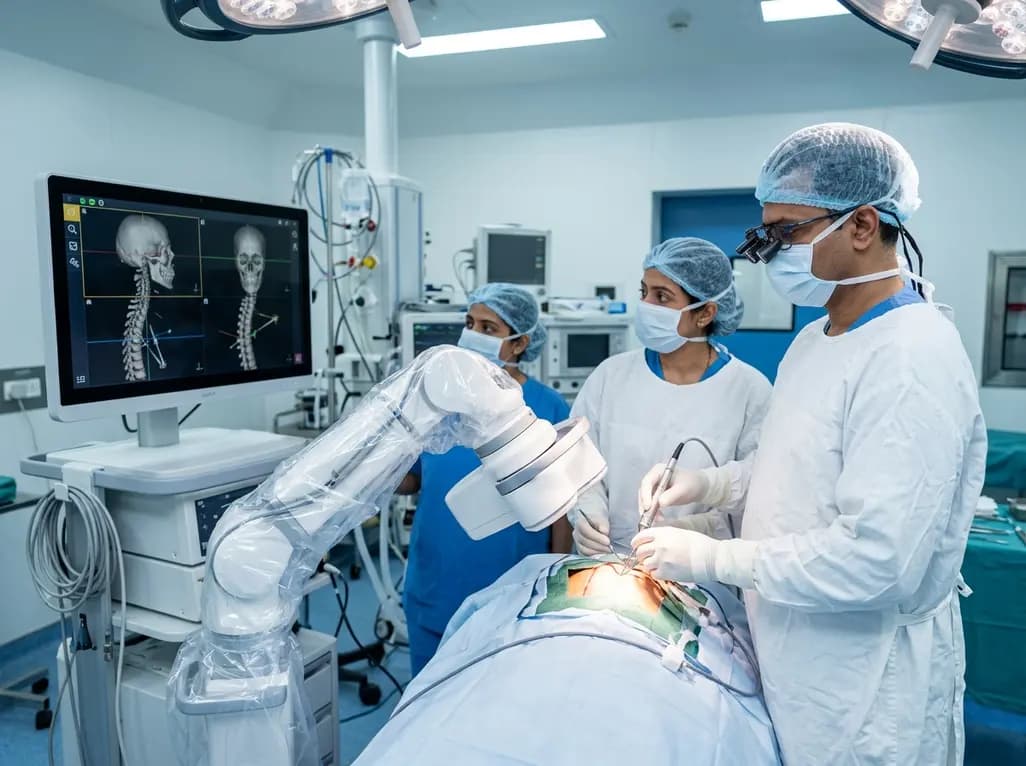
North India's first Centre of Excellence for Brain and Spine at Amrita Hospital Faridabad integrates Brainlab's Loop-X mobile robot. This landmark facility combines cone-beam computed tomography with surgical navigation to elevate precision, optimize operative workflows, and enhance specialized clinician training.
Today
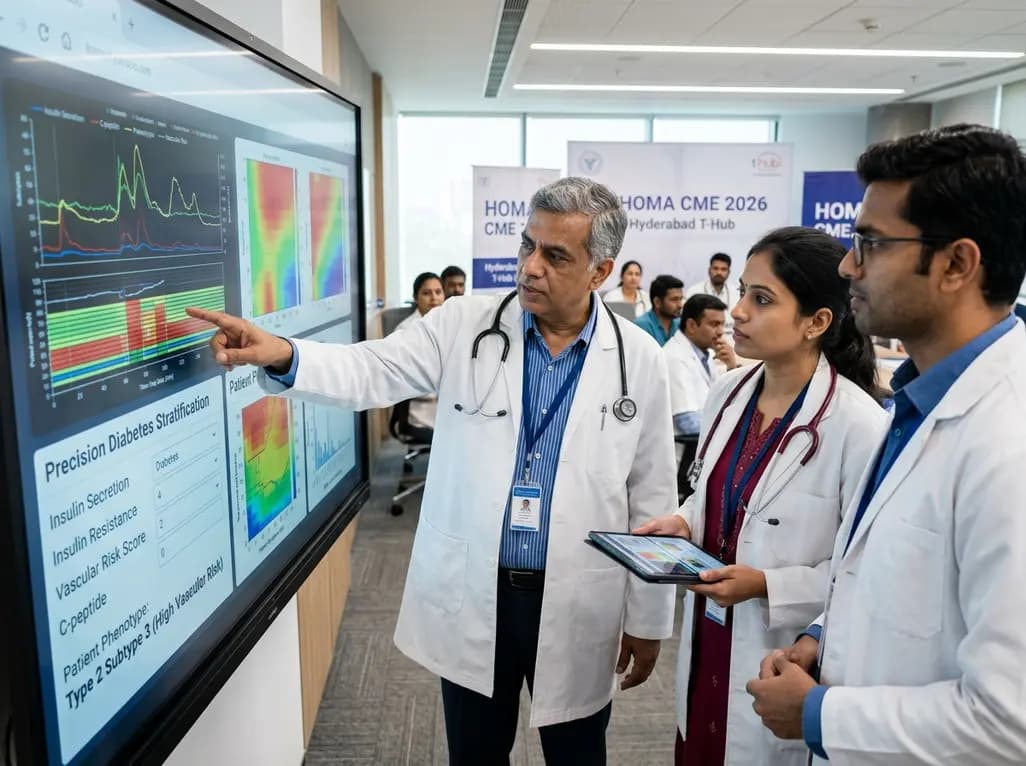
At Homa CME 2026 at Hyderabad's T-Hub, healthcare leaders emphasized moving beyond routine metrics through digital calculators and precision stratification. Discover why characterizing individual insulin secretion, resistance patterns, and vascular risks transforms chronic metabolic care in India.
Today
