.webp&w=384&q=75)

Loading, please wait...
Loading, please wait...

Forensic psychiatric patients often face a high burden of preventable physical illnesses. Because these individuals reside in secure environments, they frequently encounter significant barriers when seeking standard medical attention. Consequently, integrated primary care models are emerging as a vital solution. These models involve placing general practitioners (GPs) directly within psychiatric wards to ensure that physical health does not remain secondary to mental health treatment.
A recent qualitative study conducted in Denmark provides valuable insights into how patients experience on-ward GP services. Most patients perceived the inclusion of a GP as highly relevant and beneficial. They particularly valued the \"somatic focus\" of the general practitioner. Many participants felt that psychiatric staff occasionally overlooked their physical symptoms. Therefore, the GP provided a dedicated clinical space where physical health concerns were the primary priority.
Furthermore, the physical proximity of the doctor encouraged more frequent consultations. Patients found it easier to seek help when the service was accessible within their immediate environment. Additionally, the GP often occupied an \"outsider\" role, meaning they were not part of the custodial psychiatric team. This distinction helped build a less restrictive relationship based on trust rather than authority. Moreover, patients appreciated the professional neutrality that a general practitioner offered in a high-security setting.
While patients generally welcomed integrated primary care, the study also identified several obstacles to engagement. For instance, a lack of relational continuity proved problematic, as patients preferred seeing the same doctor regularly. Specifically, many expressed discomfort during intimate physical examinations, especially when psychiatric staff members were present for security. Furthermore, gender preferences and the lack of private examination spaces sometimes hindered open communication.
To improve these services, forensic facilities should focus on creating structures that support preventive care. Clinicians must prioritize patient privacy and attempt to minimize the presence of custodial staff during sensitive medical reviews. By fostering long-term relationships between GPs and patients, healthcare systems can successfully address the complex physical health needs of forensic populations.
Patients in forensic wards often have high rates of metabolic syndrome, cardiovascular disease, and respiratory issues. Integrated care ensures that these physical conditions are managed proactively alongside mental health treatments.
Patients highly value the specialized somatic focus and the accessibility of the GP. They also appreciate that the GP is an external professional, which helps create a more trusting and less custodial therapeutic relationship.
Wards can improve outcomes by ensuring continuity of care with the same GP and providing private spaces for sensitive examinations. Shifting from reactive to preventive care is also crucial for long-term health.
Disclaimer: This content is for informational and educational purposes only. It does not constitute medical advice or establish a doctor-patient relationship. Refer to the latest local and national guidelines for clinical practice.
References
1. Terkildsen MD et al. Patient perspectives on general practitioners in forensic psychiatric wards. Nord J Psychiatry. 2026 Jun 13. doi: 10.1080/08039488.2026.2686195. PMID: 42287117.
2. Math SB, Kumar CN. Forensic psychiatry in India: Past, present, and future. Indian J Psychol Med. 2015;37(2):121-125.
3. Possemato K, et al. Barriers to integrated primary care and specialty mental health services: Perspectives from Latinx and non-Latinx White primary care patients. J Behav Health Serv Res. 2022.

Read summarized clinical updates, watch expert medical content, and earn CME certifications right from your smartphone.
Open your smartphone camera to scan and install.





Integrating primary care into forensic psychiatric wards addresses high rates of preventable physical illness. This study explores patient experiences with on-ward GPs, highlighting the value of a somatic focus and non-custodial relationships while identifying barriers like privacy and continuity.
4 months ago

A multicenter study from Southeastern Türkiye identified rare alpha-1 antitrypsin deficiency variants, including the homozygous Malton genotype, among COPD patients. Half were never-smokers, highlighting the critical need for comprehensive genetic screening beyond common S and Z alleles.
Today
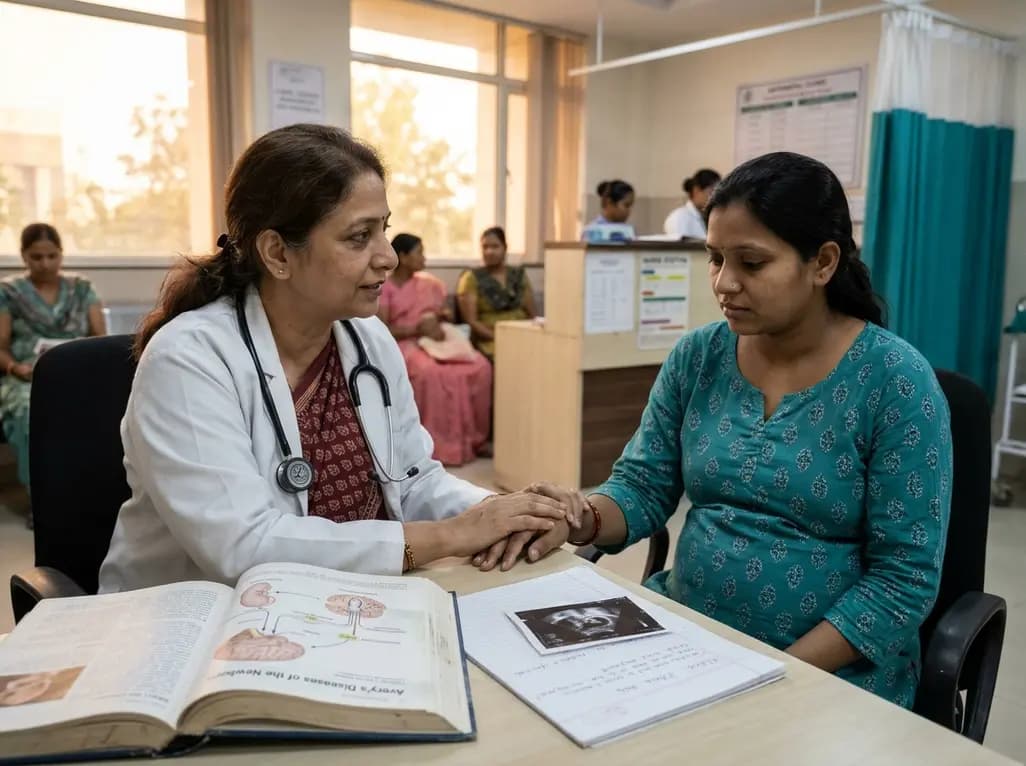
A comprehensive scoping review synthesises evidence linking prenatal maternal mental health to long-term offspring neurodevelopment, evaluating neuroendocrine, inflammatory, and epigenetic pathways while highlighting clinical screening and future research priorities.
Today

The Directorate General of Health Services directs Indian states to halt the hazardous reuse and reprocessing of single-use medical devices. Discover regulatory implications under the Drugs and Cosmetics Act, critical infection risks, legal liabilities, and operational changes required across clinical specialties.
Today
A 25-year multi-institutional cohort reveals high recurrence rates in pediatric giant cell tumor of bone, particularly in patients with open physes and bone marrow edema on preoperative MRI. Early surveillance and careful balance between growth plate preservation and tumor clearance are essential.
Today

India is advancing preventive healthcare by integrating genomics, artificial intelligence, and quantum technologies. With the SANGAM programme sequencing one million Indian genomes, clinicians can unlock personalized therapies, detect cardiometabolic risks early, and curb the burden of diabetes and heart disease.
Today
