.webp&w=384&q=75)

Loading, please wait...
Loading, please wait...

As global populations age, the role of those providing home-based support becomes increasingly critical. A recent study explores how informal caregiver decision-making functions within the healthcare and financial landscapes of the Netherlands. Specifically, the research evaluates how caregivers transition between supporting an older adult's choice and making substituted decisions on their behalf. This shift often depends on the cognitive health and expressed wishes of the elderly individual.
The study utilized survey data from 815 caregivers and 13 in-depth interviews to identify key variables in the decision process. Several factors determine the level of caregiver involvement. For instance, the complexity and impact of a decision often dictate whether a caregiver provides simple support or takes full control. Furthermore, the older adult's specific decision-making abilities and previous life wishes play a central role. Notably, mutual decision-making emerged as a distinct and preferred category, where both parties reach a consensus. However, when cognitive decline occurs, the process often shifts toward substituted decision-making to protect the patient's well-being.
Legal authority requirements vary significantly depending on the nature of the task. For medical decisions, existing frameworks generally allow caregivers to act on behalf of the patient without extensive formal documentation. In contrast, financial matters frequently require specific voluntary measures or power of attorney. The study found that these voluntary arrangements are inconsistently recognized in practice, leading to confusion for families. Consequently, when voluntary measures are not feasible, adult guardianship may be necessary to provide legal clarity. Although some international bodies advocate for the abolition of substituted decision-making, this study suggests it remains a practical necessity in specific contexts.
Healthcare providers must recognize the dual role caregivers play as both supporters and representatives. Practitioners should encourage early conversations about future preferences to ensure that informal caregiver decision-making aligns with the patient's values. Clear communication regarding legal rights and responsibilities can reduce the emotional burden on caregivers. Additionally, policy frameworks must balance the empowerment of caregivers with robust safeguards for older adults. Ultimately, supporting the caregiver is essential for maintaining the quality of life for the elderly population.
Supported decision-making involves helping an individual make their own choices by explaining options. Substituted decision-making occurs when a caregiver makes a choice on behalf of an individual who lacks the capacity to do so themselves.
Financial institutions typically require formal legal documentation, such as a power of attorney, to allow a caregiver to act. Medical decisions are often handled through ex lege (by law) provisions that recognize close relatives more readily.
Clinicians can support caregivers by facilitating advance care planning and providing clear information about the patient's condition. This help ensures that caregivers feel confident in their decision-making roles.
Disclaimer: This content is for informational and educational purposes only and does not constitute medical or legal advice. Refer to the latest local and national guidelines for clinical practice.
References
Nieuwboer R et al. Supporting and Representing Older Adults in Healthcare and Financial Matters: Experiences of Informal Caregivers in the Netherlands with Decision-Making and Legal Measures. J Aging Soc Policy. 2026 May 17. doi: 10.1080/08959420.2026.2673828. PMID: 42143672.
Vrije Universiteit Amsterdam. Exploring Older Adults' Preferences for Future Healthcare and Financial Decisions Through Anticipatory Legal Instruments. 2026.
UNECE. Ageing Policies Database: Netherlands (Kingdom of the). 2023.
"
Read summarized clinical updates, watch expert medical content, and earn CME certifications right from your smartphone.
Open your smartphone camera to scan and install.





A study on Dutch informal caregivers examines their role in healthcare and financial decision-making, highlighting the need for clear legal frameworks....
5 months ago

Recent epidemiological data reveals a dramatic surge in summer heat mortality driven by human-induced climate warming. This analysis explores the pathophysiological impacts on cardiac and renal systems, diagnostic dilemmas in death certification, and essential emergency cooling protocols for acute clinical care.
Today
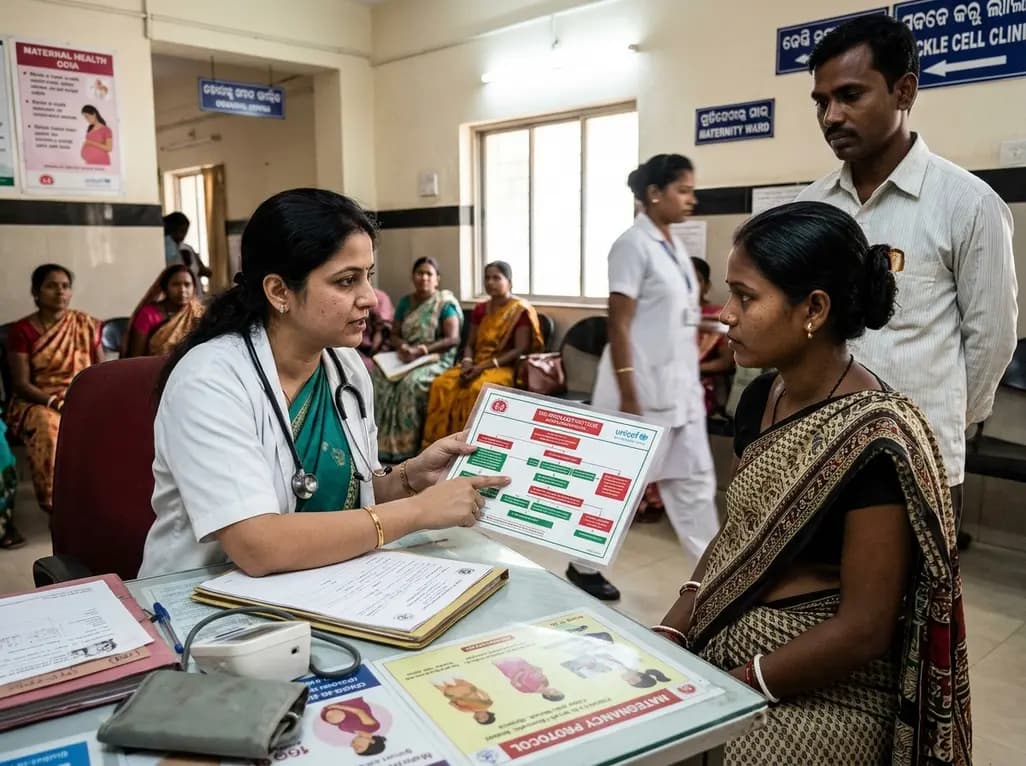
Odisha has established India's first state-level clinical protocol specifically tailored for pregnant women with sickle cell disease. Developed with NHM and UNICEF, the framework provides structured antenatal screening, crisis mitigation, standardized referral pathways, and specialized interdisciplinary care.
Today

India is advancing preventive healthcare by integrating genomics, artificial intelligence, and quantum technologies. With the SANGAM programme sequencing one million Indian genomes, clinicians can unlock personalized therapies, detect cardiometabolic risks early, and curb the burden of diabetes and heart disease.
Today
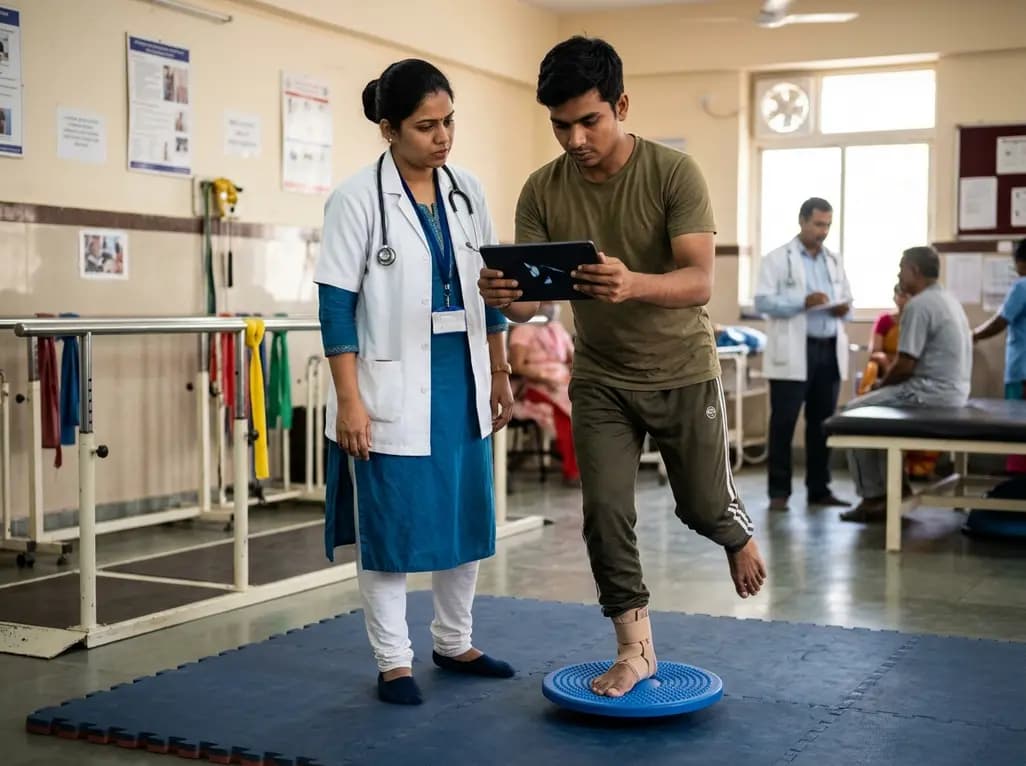
A randomized controlled trial demonstrates that an eight-week dual-task training intervention significantly improves static and dynamic postural control over standard balance exercises in individuals with chronic ankle instability, addressing critical neurocognitive deficits during athletic and daily activities.
Today

A retrospective cohort study of 7,716 ICU patients from the MIMIC-IV database demonstrates that Gradient Boosting Decision Trees significantly outperform traditional SOFA scores in predicting in-hospital mortality among patients with sepsis and diabetes, with SHAP analysis providing clinical interpretability.
Today
