.webp&w=384&q=75)

Loading, please wait...
Loading, please wait...
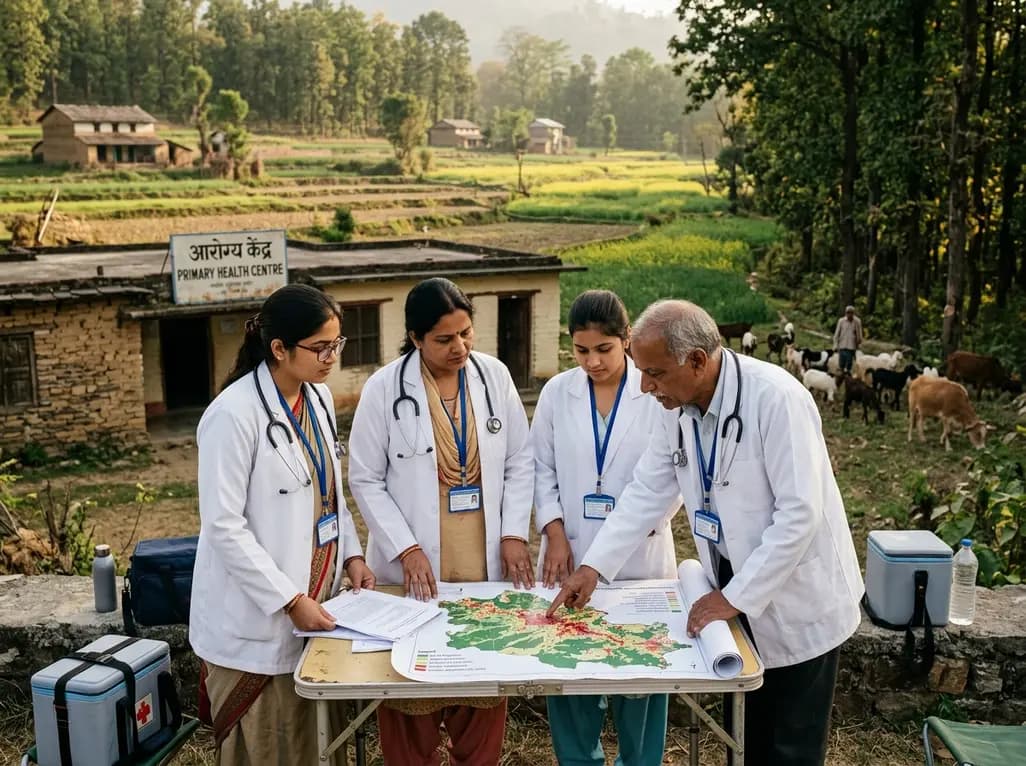
Recent ecological investigations provide critical insights into global pathogen spillover dynamics. Specifically, infectious disease outbreak risk rises sharply when agricultural zones border fragmented woodlands. Moreover, human landscape modifications alter natural wildlife habitats and increase interactions between wild species, livestock, and rural communities. Consequently, pathogens jump across biological boundaries more frequently. Therefore, understanding these environmental drivers helps clinicians anticipate local transmission surges and strengthen preventive surveillance.
A landmark international study recently completed the largest data-driven evaluation of environmental mechanisms behind novel infections. Researchers examined more than 58,000 distinct disease outbreaks spanning 32 infectious conditions across 169 nations. In doing so, the investigative team evaluated both direct zoonoses and vector-borne illnesses. For instance, the analysis evaluated dangerous zoonotic threats such as filoviruses, coronaviruses, and mpox alongside mosquito-borne illnesses like dengue, malaria, and Zika.
Furthermore, the data demonstrated that transmission hazards peak within heterogeneous mosaic landscapes. In these specific areas, human dwellings and livestock herds exist alongside fractured woodlands. However, the study challenged long-standing assumptions about universal ecological triggers. Deforestation and agricultural intensification do not affect every pathogen uniformly across diverse ecosystems. Instead, unique socioecological systems dictate how specific pathogens spread within local communities. As a result, epidemiologists cannot rely on a single environmental recipe to anticipate every emerging infection. Regional and disease-specific investigations remain essential to clarify transmission hazards accurately. Therefore, clinicians and public health authorities must evaluate local ecological disruptions rather than depending on generic predictive models. Additionally, localized surveillance provides valuable data that national reporting protocols often miss during early transmission.
Human activities significantly modify native ecosystems, creating complex environments where humans, domestic animals, and wildlife repeatedly intersect. When developers fragment dense forests into smaller woodlots, opportunistic reservoir hosts often flourish. For example, generalist rodent species, adaptable bats, and resilient avian populations frequently thrive in disturbed boundary zones. Conversely, specialist predators that naturally control reservoir populations often decline. Thus, opportunistic animal species multiply rapidly and carry high microbial burdens right next to human habitations.
Moreover, livestock grazing along forest perimeters serves as an effective biological bridge. Domestic cattle, swine, and goats encounter infected wildlife secretions or vector populations near tree lines. Subsequently, these domesticated animals amplify pathogen loads before transferring novel agents to rural farmworkers. In agricultural communities across developing nations, such interface contacts occur on a daily basis. Furthermore, changing precipitation patterns alter the availability of surface water, forcing wild animals closer to shared irrigation reservoirs. Consequently, multiple overlapping exposure routes elevate the infectious disease outbreak risk for entire agrarian communities. Medical professionals practicing in rural districts must recognize these ecological dynamics when evaluating unusual febrile illnesses. Early recognition of zoonotic exposure patterns enables prompt containment and prevents widespread rural epidemics.
While direct zoonoses exhibit diverse and unpredictable ecological drivers, vector-borne diseases display remarkably clear associations with landscape fragmentation. Arthropod vectors, including Aedes mosquitoes, Anopheles mosquitoes, and Ixodes ticks, respond rapidly to altered microclimates along forest margins. Fragmented woodland boundaries experience higher ground temperatures and altered humidity levels. Consequently, these specific microclimatic shifts accelerate vector breeding cycles and shorten viral extrinsic incubation periods.
In addition, deforestation frequently disrupts natural hydrological patterns, creating persistent artificial water catchments along road clearings and logging routes. These standing water bodies offer ideal breeding habitats for disease vectors. Meanwhile, long-term declines in annual rainfall driven by climate change paradoxically worsen transmission risks. In response to prolonged droughts, rural communities store domestic water in open containers near residential structures. As a result, peri-domestic mosquito vectors multiply rapidly within settled areas. Clinicians observing sudden increases in dengue, chikungunya, or Zika cases must consider these surrounding environmental alterations. Similarly, tick-borne pathogens like Kyasanur Forest Disease virus expand their reach when human encroachment disrupts native forest canopies. Therefore, environmental surveillance must integrate entomological monitoring to detect shifting vector ranges before seasonal outbreaks overwhelm rural hospitals.
An unexpected yet critical insight from global outbreak modeling concerns the confounding influence of clinical access. Historically, global maps have depicted apparent disease hotspots in regions with high case reporting. However, researchers discovered that reporting frequency correlates strongly with proximity to medical infrastructure. For every additional hour of travel required to reach a medical facility, documented outbreak reports decrease significantly. Consequently, regions lacking clinical centers often appear completely free of disease despite hosting active transmission chains.
In reality, these apparent epidemiological blind spots reflect surveillance deficits rather than true biological absence. When rural residents face substantial transportation barriers, mild or moderate febrile illnesses remain undiagnosed at home. As a result, public health registries capture only catastrophic clusters after infections spill into urban centers. Improving geographic access to primary health centers therefore serves as an indispensable epidemiological defense. Furthermore, equipped peripheral clinics can collect diagnostic specimens early and notify central monitoring agencies before local transmission escalates. Clinicians stationed in remote primary healthcare centers play a vital role as sentinel observers. Ultimately, expanding diagnostic capacity and rural healthcare staffing transforms passive reporting into proactive outbreak containment.
Because pathogen emergence involves intricate connections between humans, livestock, and changing ecosystems, isolated medical strategies cannot succeed alone. The World Health Organization defines One Health as an integrated, unifying approach to balance and optimize health across sectors. In clinical practice, this framework requires seamless communication between physicians, veterinary professionals, and environmental scientists. For instance, when veterinary officers detect unusual mortality in local poultry or cattle, they must alert regional medical teams immediately.
Similarly, physicians treating atypical encephalitis or hemorrhagic fevers should inquire about domestic animal contacts and forest excursions. Collaborative diagnostic testing between veterinary laboratories and tertiary medical colleges speeds up pathogen identification. Moreover, public health departments must integrate land-use monitoring into municipal disease prevention plans. By monitoring deforestation and habitat fragmentation, health systems can allocate vaccines, diagnostic kits, and vector control teams proactively. Training healthcare workers on zoonotic risk factors strengthens frontline clinical acumen significantly. Furthermore, interdisciplinary task forces enable rapid outbreak investigations before local clusters spread across administrative boundaries. Ultimately, institutionalizing One Health principles bridges the gap between environmental conservation, veterinary surveillance, and human clinical care. Consequently, integrated public health platforms build resilient defensive barriers against novel pathogens.
Q1: What specific ecological factors drive zoonotic disease spillover in mosaic landscapes?
Habitat fragmentation splits contiguous forests into isolated woodlands interspersed with human dwellings and agricultural farms. Consequently, adaptable wildlife reservoirs such as rodents and bats flourish near human communities due to abundant food resources. Additionally, domestic livestock graze along these forest boundaries and function as intermediate amplification hosts. When humans repeatedly contact livestock secretions or wildlife vectors, pathogen spillover probability escalates rapidly across rural interface communities.
Q2: Why do vector-borne diseases increase in areas experiencing climate warming and reduced rainfall?
Warmer temperatures shorten the viral incubation period inside arthropod vectors while accelerating mosquito reproduction rates. Furthermore, prolonged droughts and declining precipitation force rural populations to store domestic water in unsealed outdoor containers. These artificial receptacles create abundant breeding sites for peri-domestic mosquito species like Aedes aegypti. As a result, vector densities surge in close proximity to residential homes, driving elevated transmission rates for diseases like dengue, chikungunya, and Zika.
Q3: How does travel time to healthcare facilities influence global disease outbreak surveillance data?
Epidemiological data reveal that regions located far from health facilities report fewer outbreaks primarily due to underdiagnosis and underreporting. For each additional hour of travel time to reach medical care, documented outbreak detection declines substantially. Consequently, many mapped disease-free areas merely represent surveillance voids rather than true absence of pathogens. Expanding rural primary healthcare access ensures that clinicians detect localized zoonotic transmission early, preventing widespread epidemic dispersion into wider populations.
Disclaimer: This content is for informational and educational purposes only. It does not constitute medical advice or replace professional judgment. Refer to the latest local and national guidelines for clinical practice.
References

Read summarized clinical updates, watch expert medical content, and earn CME certifications right from your smartphone.
Open your smartphone camera to scan and install.





A landmark global analysis reveals that mosaic landscapes where humans, livestock, and fragmented forests intersect carry the highest danger for pathogen emergence. Implementing One Health strategies and expanding primary healthcare infrastructure remain essential steps to prevent future zoonotic pandemics.
Today
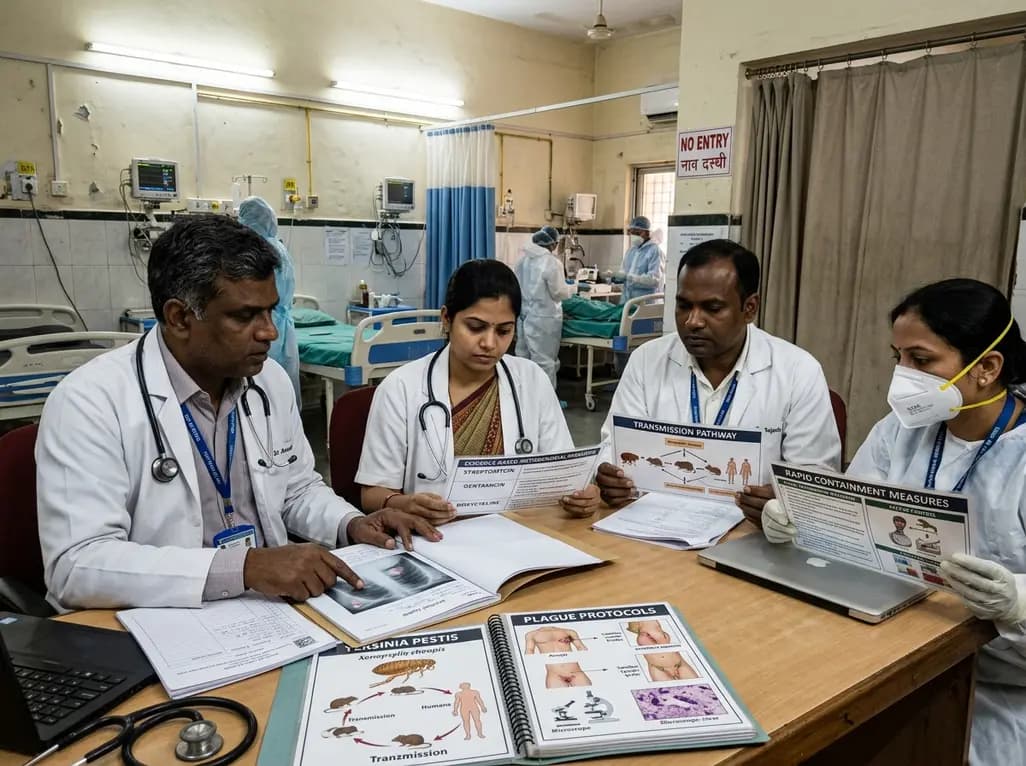
Explore the clinical features, transmission routes, and diagnostic evaluation of bubonic plague. Review evidence-based antimicrobial regimens and public health measures for rapid containment.
Today
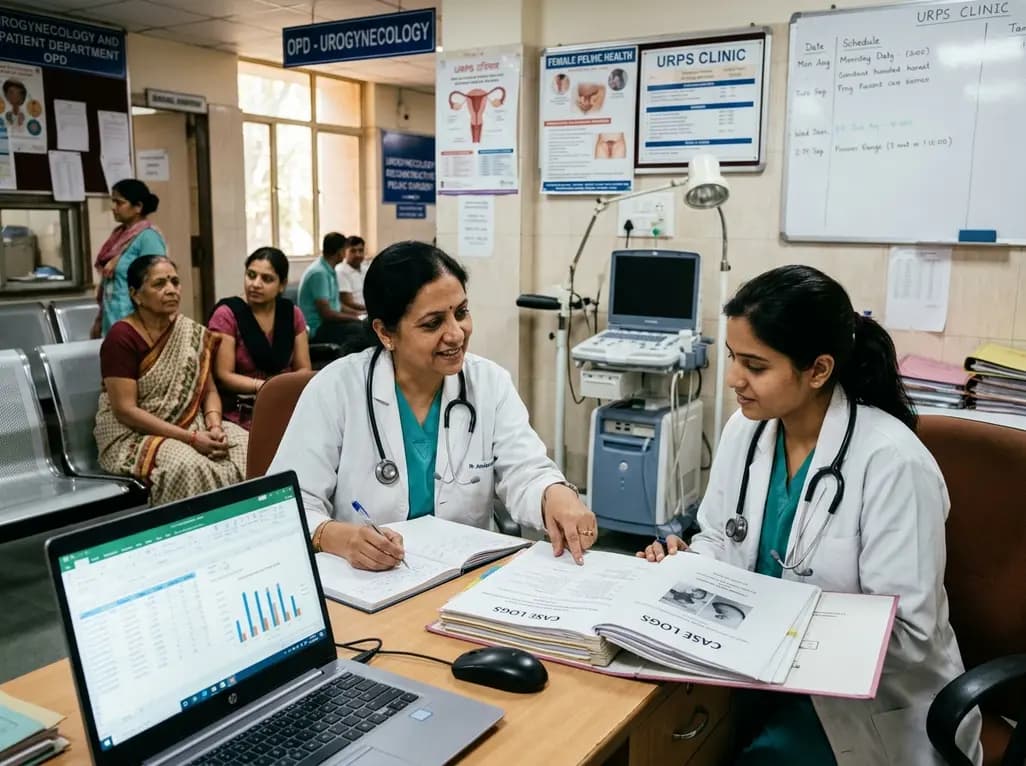
A ten-year cohort study of ABU case logs reveals that URPS fellowship training significantly drives higher annual case volumes, advanced surgical complexity, and increased female representation in pelvic floor reconstruction, underscoring the vital need for structured subspecialty training.
Today

Systemic amyloidosis management is undergoing a therapeutic revolution. This clinical review synthesizes updates from the International Society of Amyloidosis, detailing novel plasma cell therapies, TTR stabilizers, silencers, translational models, and artificial intelligence in drug development.
Today
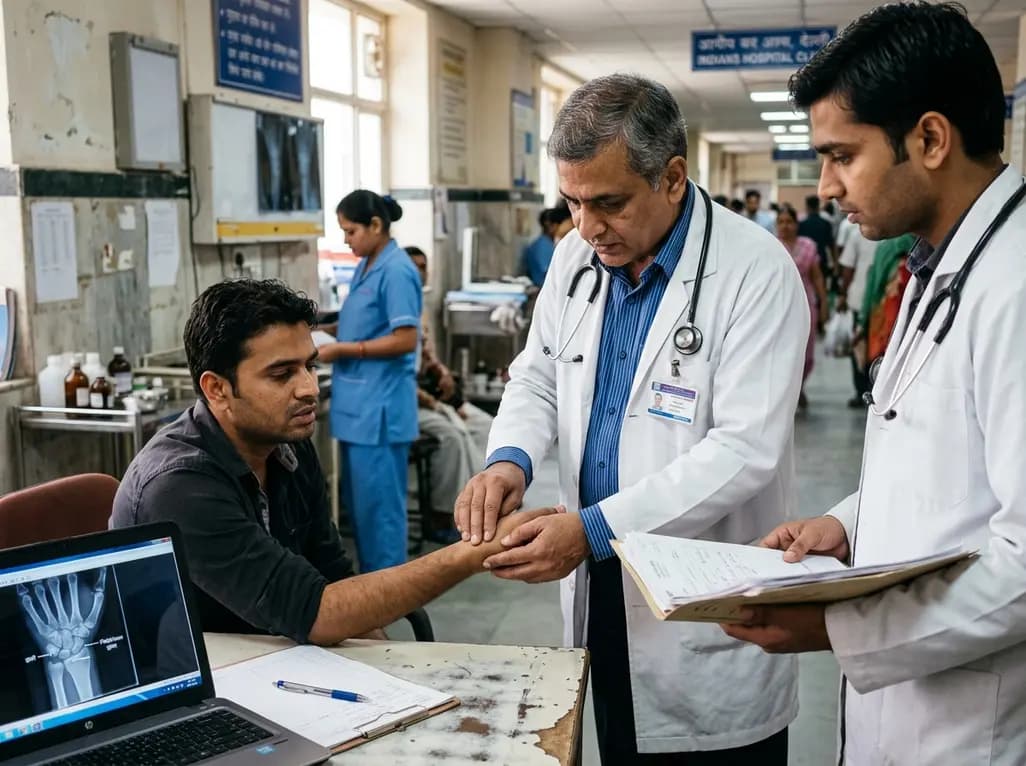
Posttraumatic pisotriquetral instability is a rare wrist injury causing severe hypothenar pain and weakness. Explore clinical examination, imaging, and pisiformectomy.
Today
A comprehensive review analyzes periconceptional GLP-1 receptor agonist exposure, revealing reassuring data on congenital anomalies and adverse perinatal outcomes while emphasizing the need for cautious patient counseling.
Yesterday
