

Loading, please wait...
Loading, please wait...
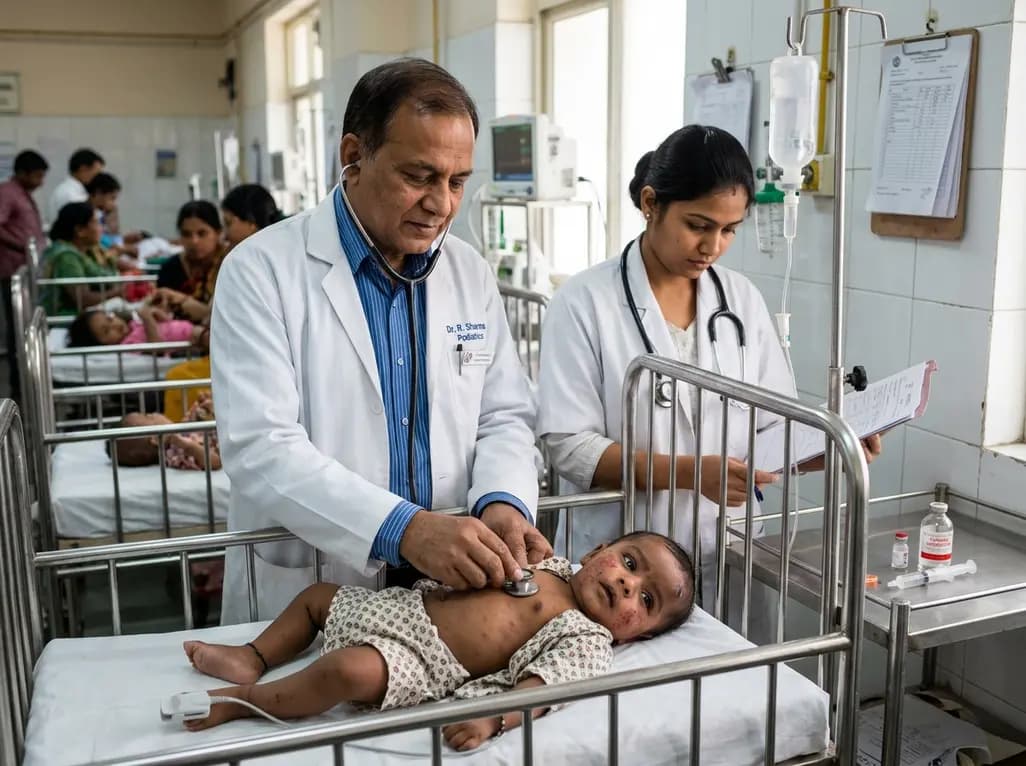
A recent infant death linked to an infant measles outbreak in Wisconsin serves as a stark clinical alert for healthcare professionals globally. Measles represents one of the most transmissible viral pathogens, with a basic reproduction number exceeding twelve. Specifically, when community vaccination coverage dips below the critical 95 percent threshold, herd immunity collapses rapidly. Consequently, vulnerable infants too young for routine vaccination bear the heaviest burden of severe morbidity and mortality.
Epidemiological surveillance in Wisconsin confirmed more than 430 cases across thirteen counties, marking the state's highest case volume in over 35 years. Furthermore, state health officials emphasized that reported numbers represent an underestimate. Many mild or atypical presentations evade formal testing. In addition, other states including Pennsylvania and New York have reported pediatric and maternal fatalities. These recurring clusters demonstrate that measles is expanding beyond isolated international travel exposures into sustained domestic transmission.
The primary driver behind this resurgence remains the progressive erosion of pediatric vaccination rates. Kindergarten MMR vaccine uptake in affected communities has fallen near 85 percent. Therefore, substantial immunity gaps develop, allowing the paramyxovirus to spread unchecked. The virus remains viable in airborne droplets for up to two hours. Consequently, casual exposures in clinical waiting areas carry immense transmission efficiency. Clinicians must maintain a high index of suspicion whenever patients present with febrile exanthems during localized outbreaks.
During an infant measles outbreak, children under one year of age face extraordinary clinical peril. Transplacental maternal IgG antibodies provide vital passive immunity during the immediate neonatal period. However, maternal antibody titers decay significantly by four to six months of age. This physiological decline creates a dangerous immunological window before infants reach the eligibility age for standard vaccines. Moreover, infants born to vaccinated mothers often lose passive protection faster than infants of naturally infected mothers.
Consequently, unprotected infants rapidly succumb to unchecked viral replication. The measles virus exhibits a profound tropism for CD150 receptors on lymphocytes and nectin-4 receptors on respiratory epithelial cells. This viral entry triggers severe immune suppression, termed measles-induced immune amnesia. The pathogen destroys pre-existing memory B and T cells. As a result, infected infants lose acquired immunological memory against other prevalent pathogens. This secondary immunosuppression persists for months, drastically elevating childhood mortality from secondary bacterial sepsis and enteritis.
Early clinical diagnosis remains challenging because prodromal manifestations frequently mimic common pediatric respiratory illnesses. Typically, patients present with high-grade spiking fevers alongside cough, coryza, and conjunctivitis. Photophobia and palpebral edema often provide crucial diagnostic clues. Additionally, Koplik spots—pathognomonic bluish-white micro-ulcerations on the buccal mucosa opposite the lower molars—appear forty-eight hours before cutaneous eruption. However, clinicians must recognize that Koplik spots resolve rapidly within twenty-four hours. Therefore, physical examination may easily miss them.
The characteristic erythematous, maculopapular exanthem begins at the hairline and behind the ears before spreading cephalocaudally across the torso and extremities. In young infants, the rash may present atypically or appear faint. Severe complications develop rapidly in this cohort. Specifically, primary giant cell pneumonia and secondary bacterial bronchopneumonia cause the vast majority of measles-related deaths. Furthermore, neurological complications represent a catastrophic outcome. Acute post-infectious encephalomyelitis produces sudden obtundation and seizures. Similarly, subacute sclerosing panencephalitis carries fatal neurodegenerative consequences years later.
Currently, no targeted antiviral medication has direct regulatory approval for acute measles infection. Therefore, management focuses on rigorous supportive care, vigilant monitoring for secondary bacterial superinfections, and aggressive nutritional support. Most importantly, World Health Organization protocols mandate high-dose therapeutic vitamin A administration immediately upon diagnosis for all pediatric patients. Measles infection rapidly depletes endogenous retinoid stores, even in well-nourished children. This acute depletion severely impairs respiratory mucosal regeneration, destabilizes gut epithelial barriers, and accelerates systemic immune dysfunction.
Clinicians must administer oral vitamin A on two consecutive days according to age-stratified guidelines. Specifically, infants younger than six months receive 50,000 international units daily. Infants aged six to eleven months receive 100,000 international units daily. Children aged twelve months or older require 200,000 international units daily. Clinical trials clearly demonstrate that this regimen reduces all-cause pediatric measles mortality by up to 50 percent. Furthermore, vitamin A substantially decreases rates of secondary pneumonia, croup, and blinding xerophthalmia. If clinical signs of deficiency persist, clinicians should repeat a third dose four weeks later.
Rapid contact tracing and immediate post-exposure prophylaxis represent the frontline defense against propagating healthcare-associated outbreaks. Unvaccinated individuals exposed to measles can receive the MMR vaccine within seventy-two hours of initial contact to prevent clinical disease. However, infants under six months of age cannot receive standard live vaccines. In addition, severely immunocompromised patients and pregnant women face contraindications. For these vulnerable groups, clinicians should administer intramuscular immunoglobulin at 0.5 mL per kilogram within six days of exposure.
Public health authorities in India and globally emphasize that maintaining community herd immunity through the Universal Immunization Programme provides the only definitive shield for infants. The national schedule recommends the first dose of measles-rubella vaccine at nine to twelve months, followed by a second dose at sixteen to twenty-four months. Furthermore, during documented community surges, health agencies authorize an outbreak response dose for infants as young as six months. Clinicians must actively educate hesitant parents, combat misinformation, and verify the immunization status of every pediatric patient during routine clinical consultations.
Q1: Why are infants at an increased risk of severe complications and mortality from measles?
Infants face elevated risks primarily because their immune systems remain immature and maternal antibodies wane rapidly before six months of age. Furthermore, routine immunization schedules do not vaccinate infants younger than nine months in routine non-outbreak settings. Consequently, infants lack neutralizing IgG antibodies. When exposed, they rapidly develop severe lower respiratory tract infections such as giant cell pneumonia, acute laryngotracheobronchitis, and fatal neurological complications.
Q2: What is the recommended dosing protocol for therapeutic vitamin A in pediatric measles cases?
The World Health Organization recommends administering oral vitamin A immediately upon diagnosis to all children with measles. Clinicians should administer age-specific doses on two consecutive days. Specifically, infants younger than six months require 50,000 international units daily. In contrast, infants aged six to eleven months need 100,000 international units daily, and children older than twelve months receive 200,000 international units daily. This therapeutic strategy significantly restores mucosal integrity and reduces case fatality.
Q3: How should clinicians administer post-exposure prophylaxis to an unvaccinated infant exposed to measles?
Clinicians must evaluate the patient’s age and the timing of exposure immediately. For infants aged six months and older, providers can administer the MMR vaccine within seventy-two hours of exposure. However, for infants younger than six months or those exposed three to six days earlier, clinicians should administer intramuscular immunoglobulin at a dose of 0.5 mL per kilogram. Prompt prophylaxis either prevents infection entirely or substantially attenuates the severity of clinical disease.
Disclaimer: This content is for informational and educational purposes only. It does not constitute medical advice or replace professional judgment. Refer to the latest local and national guidelines for clinical practice.
References

Read summarized clinical updates, watch expert medical content, and earn CME certifications right from your smartphone.
Open your smartphone camera to scan and install.





Recent pediatric fatalities highlight the severe dangers of declining vaccination coverage. Clinicians must recognize early atypical prodromes, initiate prompt supportive care with high-dose vitamin A, and safeguard unprotected infants through robust community immunization and timely post-exposure prophylaxis.
Today

The 2025 resuscitation guidelines highlight multimodal neuroprognostication for post-cardiac arrest brain injury. By integrating clinical exams, EEG, imaging, and serum biomarkers after resolving confounders, critical care teams avoid premature treatment withdrawal and improve post-resuscitation patient outcomes.
Today

Assam reduced maternal sepsis deaths from 21% to 8% through rigorous infection prevention protocols and digital monitoring. Explore the clinical strategies, sterilization quality checks, early recognition pathways, and antimicrobial stewardship lessons essential for obstetric teams across India.
Today

At the Cardiological Society of India Kerala conference, specialists called for a calibrated review of DGHS curbs on reusing single-use items. Regulated reprocessing of catheters and guidewires could bridge the gap between rising cardiac intervention costs and government health insurance reimbursement limits.
Today

CT-derived volumetric bone mineral density centile curves offer an accurate method for opportunistic osteoporosis screening. This approach identifies high-risk patients who missed routine DXA scans and reliably predicts major osteoporotic fractures, addressing significant diagnostic gaps in clinical practice.
Today

A nationwide real-world cohort study reveals that sequential antiresorptive therapy following teriparatide reduces hip fracture risk by over 50%. Immediate initiation within 90 days and high treatment adherence are critical to preserve skeletal gains in severe osteoporosis.
Today
