

Loading, please wait...
Loading, please wait...

The Hinduja Foundation has partnered with King's College London to launch the 2026-27 academic session. Specifically, they are offering the prestigious India-UK healthcare scholarships to talented Indian students. Consequently, eligible candidates can now apply for fully funded PhDs and partially funded MSc programmes. Ultimately, this initiative aims to strengthen medical research capabilities and clinical standards within India.
Furthermore, Indian students can apply for two distinct academic pathways under this joint educational framework. Firstly, the alliance offers full four-year PhD studentships in healthcare technologies. These doctoral studies take place at the School of Biomedical Engineering and Imaging Sciences. Secondly, students can opt for the one-year MSc in MedTech Innovation and Entrepreneurship. This master's degree focuses on translating clinical research into real-world commercial solutions. Additionally, the MSc program provides extensive training in medical engineering.
The financial support structure varies depending on the chosen course of study. For example, the PhD scholarship covers full international tuition fees and provides an annual tax-free living stipend. On the other hand, the MSc scholarship provides tiered tuition relief. To illustrate, one selected scholar receives an 80 percent tuition waiver. Meanwhile, four other scholars receive a 50 percent waiver. However, candidates must secure an admission offer from King's College London before applying for the funding. In addition, applicants must be citizens domiciled in India to qualify.
Q1: What programs are covered under the India-UK healthcare scholarships?
These awards support four-year PhD studentships in healthcare technologies. Additionally, they cover a one-year MSc program in MedTech Innovation.
Q2: Who is eligible to apply for these scholarships?
Specifically, applicants must be Indian citizens domiciled in India. Furthermore, they must hold a valid admission offer from King's College London.
Q3: How many scholarships are available for the 2026-27 academic year?
Currently, the university offers nine awards. Specifically, these consist of four PhD and five MSc scholarships.
Disclaimer: This content is for informational and educational purposes only. It does not constitute medical advice or replace professional judgment. Refer to the latest local and national guidelines for clinical practice.
References

Read summarized clinical updates, watch expert medical content, and earn CME certifications right from your smartphone.
Open your smartphone camera to scan and install.





The Hinduja Foundation and King's College London have launched the 2026-27 India-UK healthcare scholarships for PhD and MSc MedTech programmes....
4 months ago
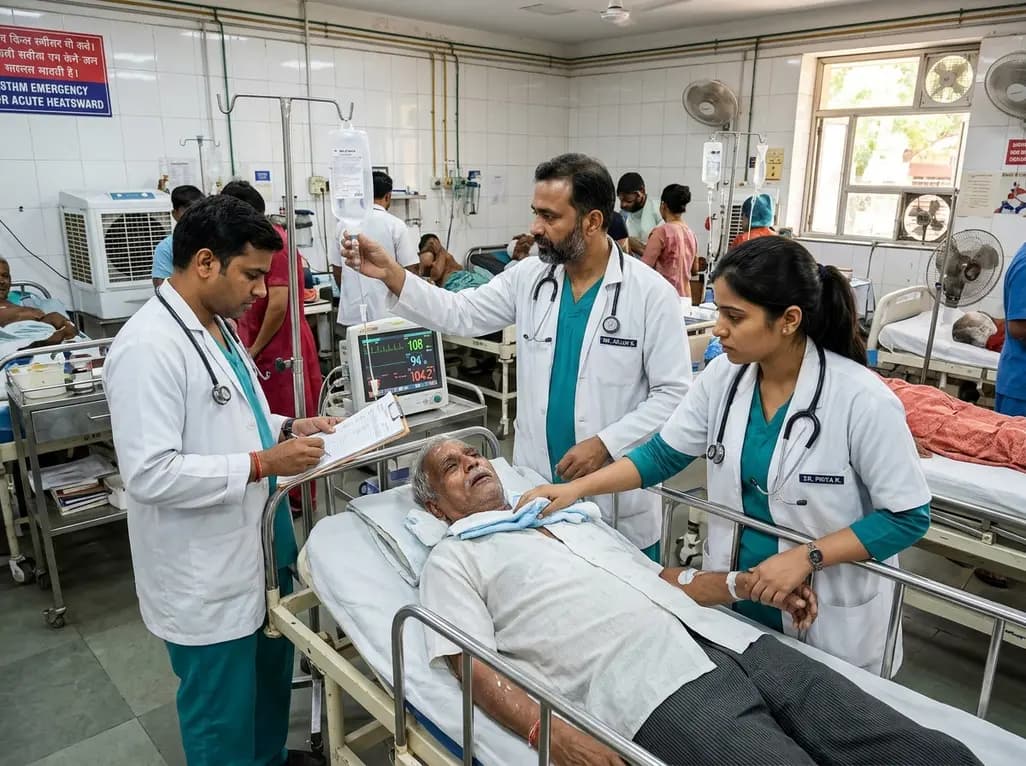
Recent epidemiological data reveals a dramatic surge in summer heat mortality driven by human-induced climate warming. This analysis explores the pathophysiological impacts on cardiac and renal systems, diagnostic dilemmas in death certification, and essential emergency cooling protocols for acute clinical care.
Today
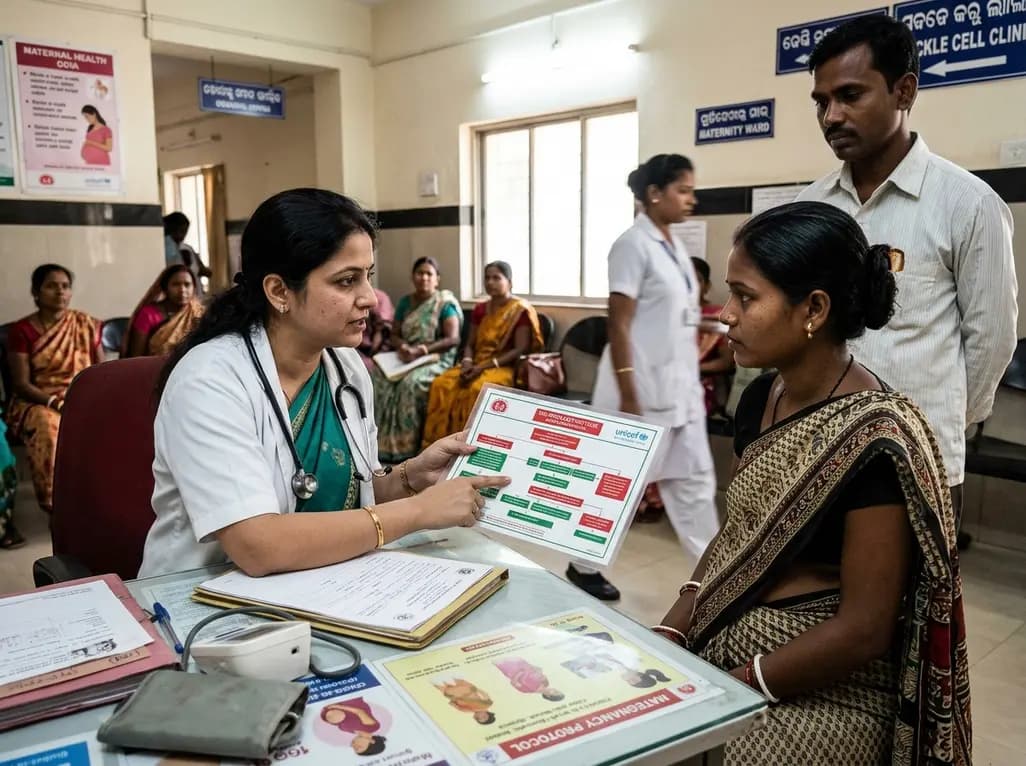
Odisha has established India's first state-level clinical protocol specifically tailored for pregnant women with sickle cell disease. Developed with NHM and UNICEF, the framework provides structured antenatal screening, crisis mitigation, standardized referral pathways, and specialized interdisciplinary care.
Today

India is advancing preventive healthcare by integrating genomics, artificial intelligence, and quantum technologies. With the SANGAM programme sequencing one million Indian genomes, clinicians can unlock personalized therapies, detect cardiometabolic risks early, and curb the burden of diabetes and heart disease.
Today
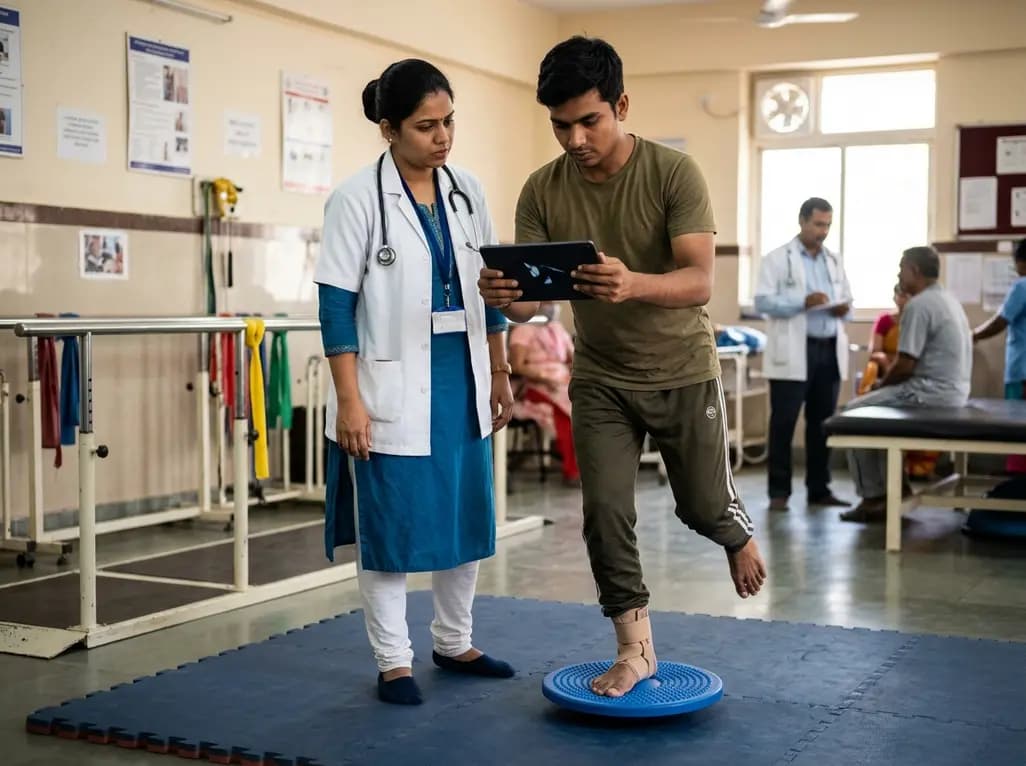
A randomized controlled trial demonstrates that an eight-week dual-task training intervention significantly improves static and dynamic postural control over standard balance exercises in individuals with chronic ankle instability, addressing critical neurocognitive deficits during athletic and daily activities.
Today
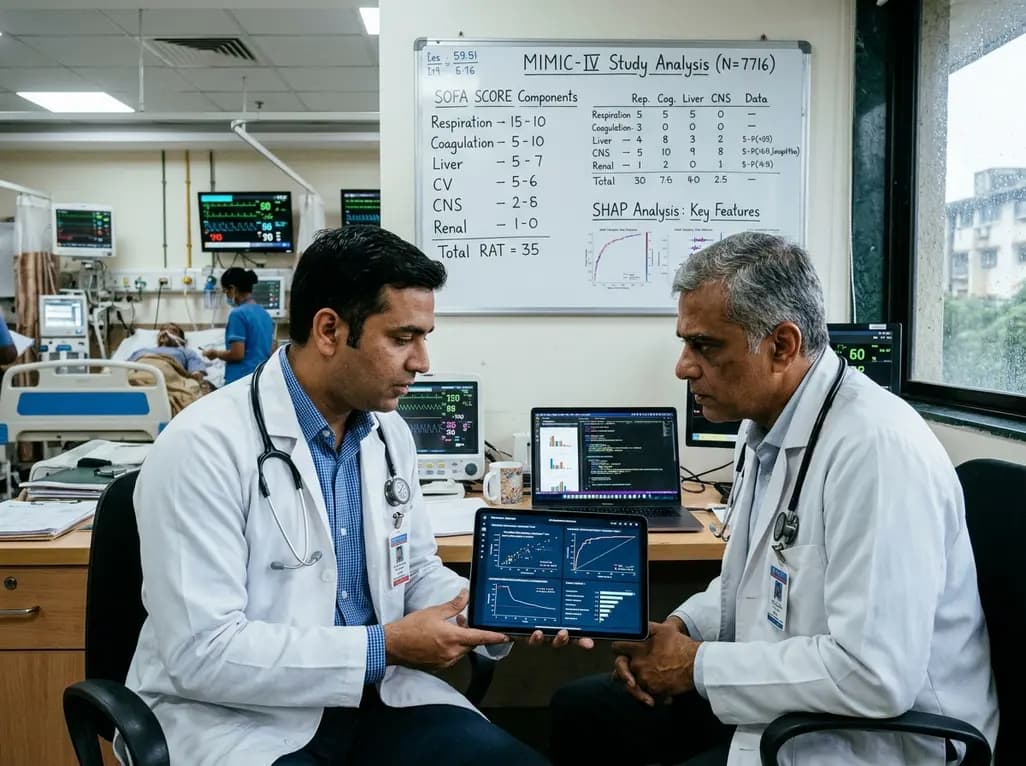
A retrospective cohort study of 7,716 ICU patients from the MIMIC-IV database demonstrates that Gradient Boosting Decision Trees significantly outperform traditional SOFA scores in predicting in-hospital mortality among patients with sepsis and diabetes, with SHAP analysis providing clinical interpretability.
Today
