.webp&w=384&q=75)

Loading, please wait...
Loading, please wait...

India has sent emergency pharmaceutical supplies to support the international response to the deadly Ebola outbreak in Congo. This consignment, received by the Africa CDC in Uganda, aims to contain the spreading virus. Specifically, the supplies will be deployed to highly affected communities in eastern DR Congo.
The current health crisis involves the rare Bundibugyo strain. Notably, the World Health Organization declared this situation a Public Health Emergency of International Concern in May 2026. Therefore, rapid international support remains crucial to control further transmission.
The Bundibugyo strain has no approved vaccines or targeted antiviral therapies. Consequently, healthcare providers must rely heavily on supportive care. India's donation includes essential diagnostics, therapeutics, and personal protective equipment. Additionally, the supplies will enhance case management and infection prevention on the ground. Consequently, this intervention will help protect frontline medical staff and reduce cross-border spread.
Ebola is a severe, often fatal illness. It transmits through direct contact with infected bodily fluids or wild animals. Furthermore, early symptoms include high fever, severe muscle pain, and vomiting. In advanced cases, patients suffer from internal and external bleeding. Consequently, early diagnostic confirmation is vital for effective isolation.
India has historically expanded its health partnerships with African nations. During the COVID-19 pandemic, India provided critical vaccines and medicines globally. Similarly, this emergency shipment highlights India's ongoing commitment to global health security. The consignment was successfully received by the Africa CDC’s Eastern Africa Regional Coordinating Centre. Subsequently, these resources are being distributed to high-risk zones.
Currently, the outbreak has caused over 1,000 suspected cases and hundreds of fatalities. Active surveillance is ongoing across both Congo and Uganda to monitor potential domestic and international cases. Meanwhile, health authorities in India remain vigilant. They have recently quarantined a traveler in Gujarat showing compatible symptoms. However, public health experts emphasize that the risk of spread in India is extremely low.
Q1: What is the specific virus strain causing the 2026 Ebola outbreak in Congo?
A1: The outbreak is caused by the Bundibugyo virus strain. This is a rare species of Ebola that has caused periodic outbreaks in parts of Africa since 2007.
Q2: Are there approved vaccines for the Bundibugyo Ebola strain?
A2: Currently, there are no approved vaccines or specific antiviral treatments for the Bundibugyo strain. Consequently, clinical management relies entirely on supportive care and symptom management.
Q3: How does the Ebola virus transmit to humans?
A3: The virus enters the human population through close contact with the blood, secretions, or bodily fluids of infected animals. Subsequently, it spreads from person to person through direct contact with infected bodily fluids or contaminated environments.
Disclaimer: This content is for informational and educational purposes only. It does not constitute medical advice or replace professional judgment. Refer to the latest local and national guidelines for clinical practice.
References

Read summarized clinical updates, watch expert medical content, and earn CME certifications right from your smartphone.
Open your smartphone camera to scan and install.





India has sent essential pharmaceuticals and diagnostics to support the response against the rising Bundibugyo Ebola strain in Congo and Uganda....
4 months ago

Novel glucose-responsive mPEG-PSA nanocarriers deliver insulin aspart on demand, achieving dual postprandial and basal glycemic control without hypoglycemia in diabetic models. This biomaterial breakthrough offers promising clinical implications for physiologic diabetes management.
Today
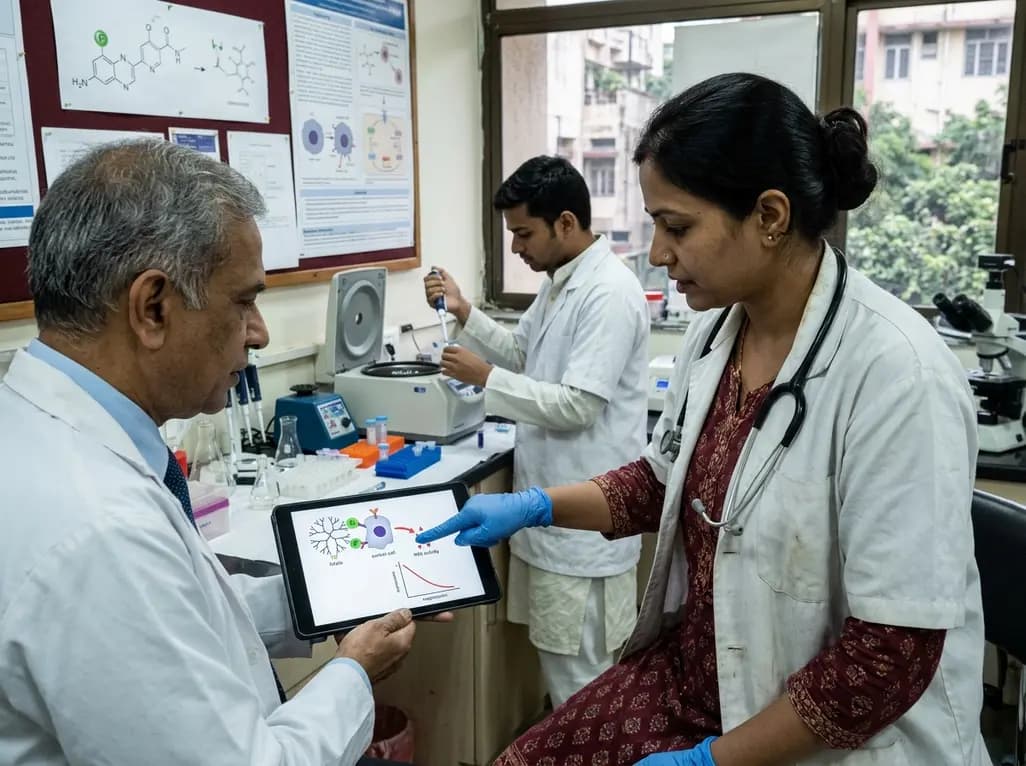
A novel folate-conjugated tecto-dendrimer nanoplatform successfully delivers siRNA to achieve targeted HK2 silencing, disrupting ovarian cancer glycolysis and suppressing lactate output.
Today
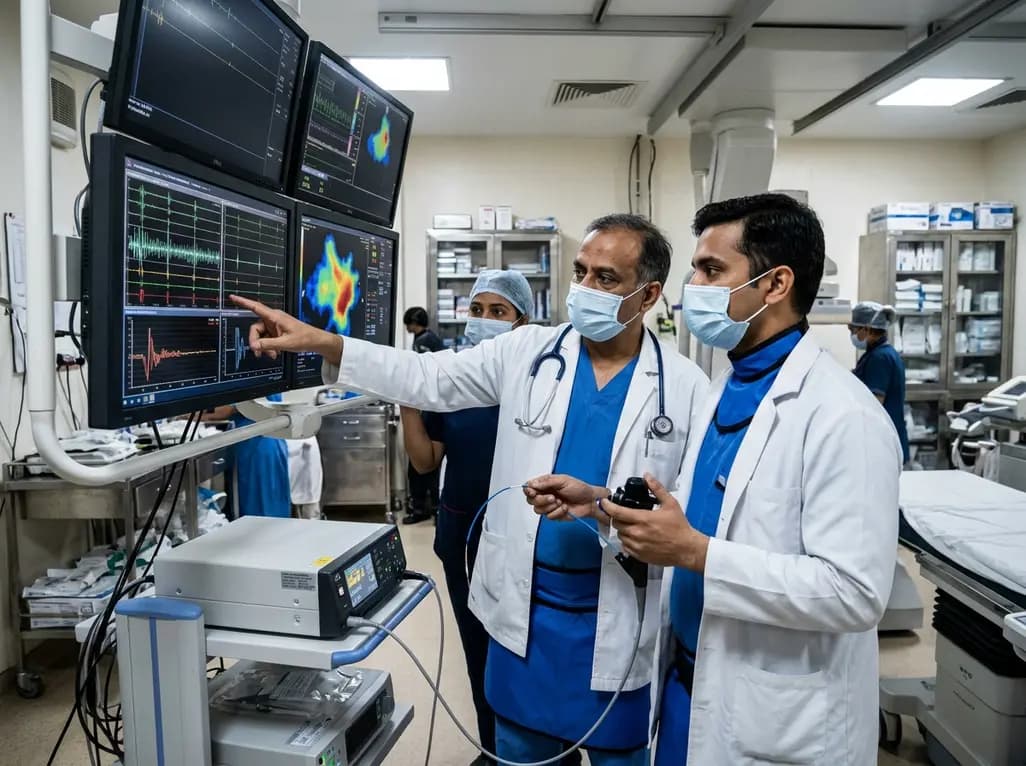
A comparative non-contact study reveals that high-power radiofrequency delivery with the QDOT MICRO catheter induces an artifactual contact force rise. Electrophysiologists must understand this power-dependent thermal and electrical phenomenon to avoid inadvertent catheter withdrawal and ineffective ablation.
Today
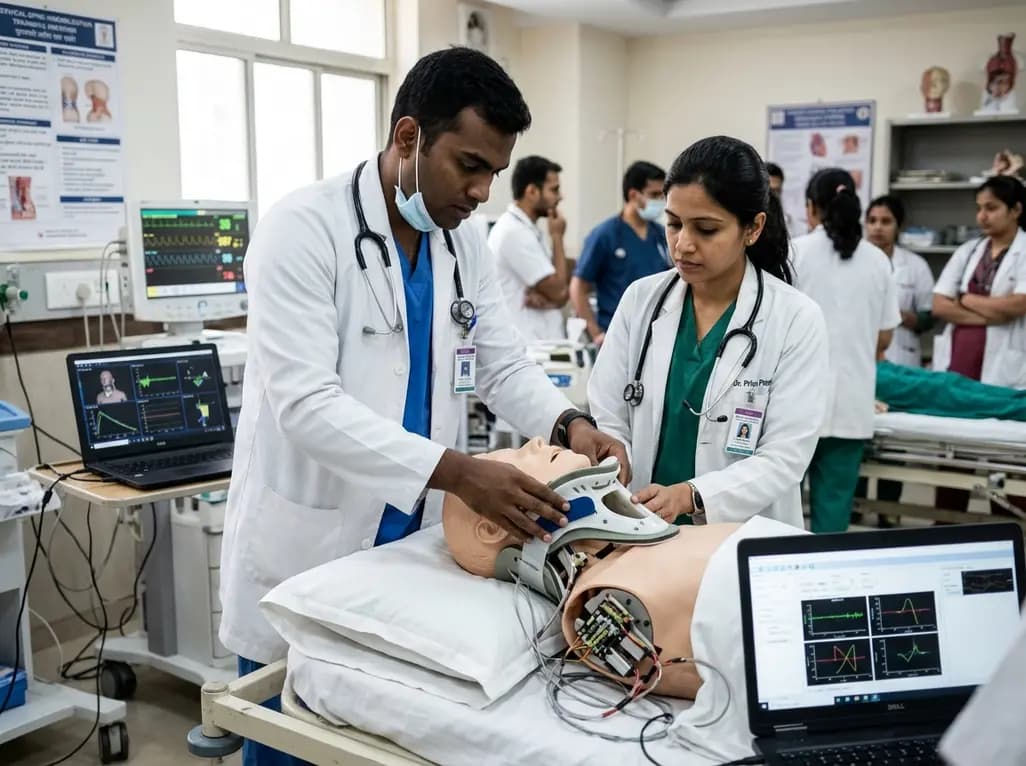
A novel proof-of-concept study presents a six-degree-of-freedom articulated manikin neck equipped with linear potentiometers. The system provides real-time kinematic motion feedback during cervical immobilisation, delivering sub-degree tracking accuracy to improve pre-hospital trauma training and patient safety.
Today
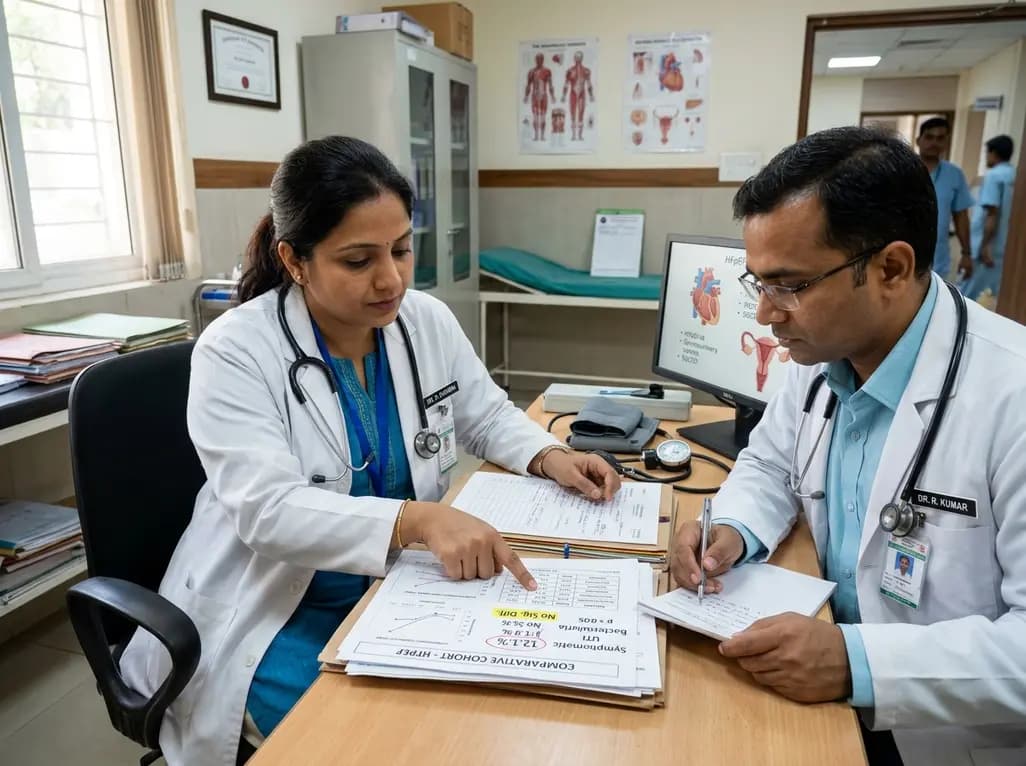
A retrospective comparative cohort study evaluated genitourinary safety in HFpEF between dapagliflozin and empagliflozin over six months. Rates of symptomatic UTI and asymptomatic bacteriuria showed no statistically significant differences, supporting comparable safety profiles across both SGLT2 inhibitors.
Today
