

Loading, please wait...
Loading, please wait...

The India medical tourism market is on a rapid trajectory toward doubling its valuation by 2030. Specifically, government data suggests a market rise from $8.7 billion in 2025 to $16.2 billion. Consequently, this expansion positions the nation as a premier global destination for Medical Value Travel (MVT). This growth stems from a unique combination of advanced clinical care and traditional healing systems.
Several factors propel the surge in international patient arrivals. Furthermore, rising healthcare costs and long waiting periods in Western nations prompt patients to seek more efficient alternatives. India addresses these needs through its vast network of NABH-accredited hospitals. Additionally, these facilities offer specialized treatments in oncology, cardiology, and orthopedics at competitive prices. Therefore, international trust in the Indian healthcare ecosystem continues to strengthen through robust quality assurance.
The integration of traditional wellness systems significantly bolsters the India medical tourism market. Specifically, Ayurveda, Yoga, and Naturopathy attract thousands of seekers under the AYUSH framework. Moreover, the government has introduced the dedicated AYUSH Visa to streamline entry for international patients. The Union Budget 2026-27 further proposes five Regional Medical Hubs across the country. These hubs will integrate clinical care with medical research and education. Consequently, these initiatives ensure that India remains a highly competitive player in the global healthcare sector.
Q1: Which country is the primary source of medical tourists for India?
Bangladesh remains the top source country, contributing over 325,000 arrivals for medical treatment in 2025.
Q2: What is the significance of the Regional Medical Hubs proposed in the budget?
These hubs serve as integrated complexes that combine medical care, AYUSH wellness centers, and research facilities to streamline medical value travel.
Disclaimer: This content is for informational and educational purposes only. It does not constitute medical advice or replace professional judgment. Refer to the latest local and national guidelines for clinical practice.
References

Read summarized clinical updates, watch expert medical content, and earn CME certifications right from your smartphone.
Open your smartphone camera to scan and install.





India medical tourism market will reach $16.2 billion by 2030, driven by AYUSH integration, policy support, and high-quality accredited healthcare facilitie...
5 months ago

A recent study demonstrates that spinal oxygen sensors do not require mitochondrial electron transport to trigger sympathetic excitation during acute hypoxia, revealing new insights into how mitochondrial oxidative stress modulates autonomic tone in cardiovascular and neurological diseases.
Today
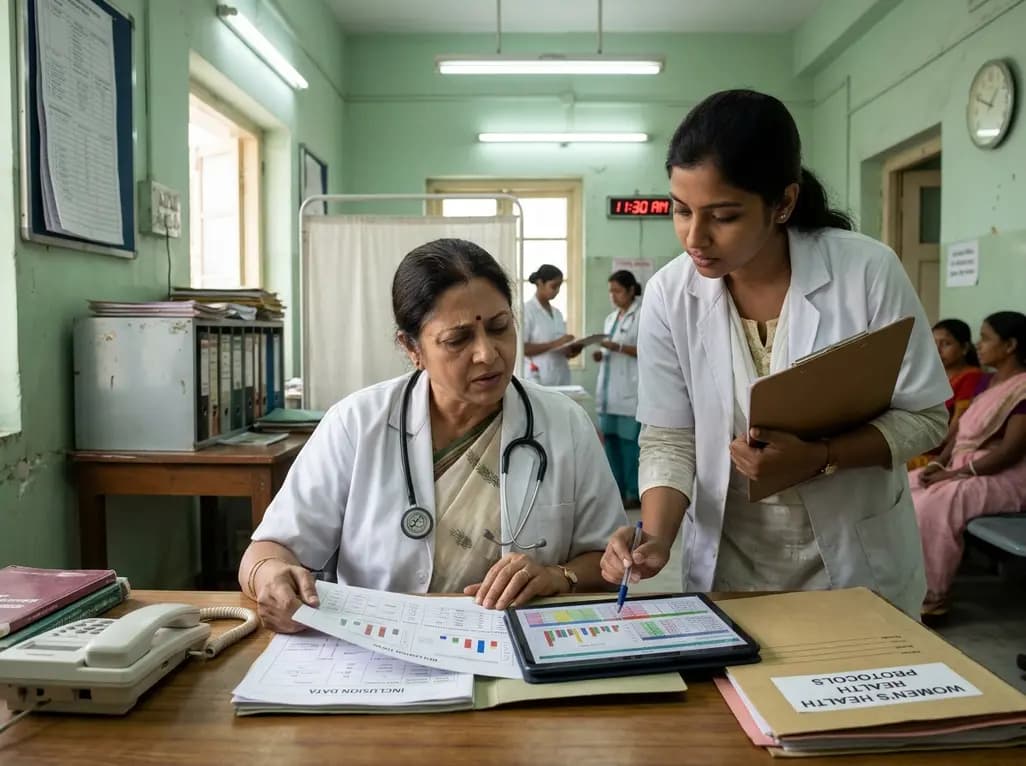
Demanding exhaustive hormonal profiling can inadvertently discourage clinical studies involving females. Methodological standards must align with the specific scientific question to expand, not restrict, equitable evidence for women.
Today
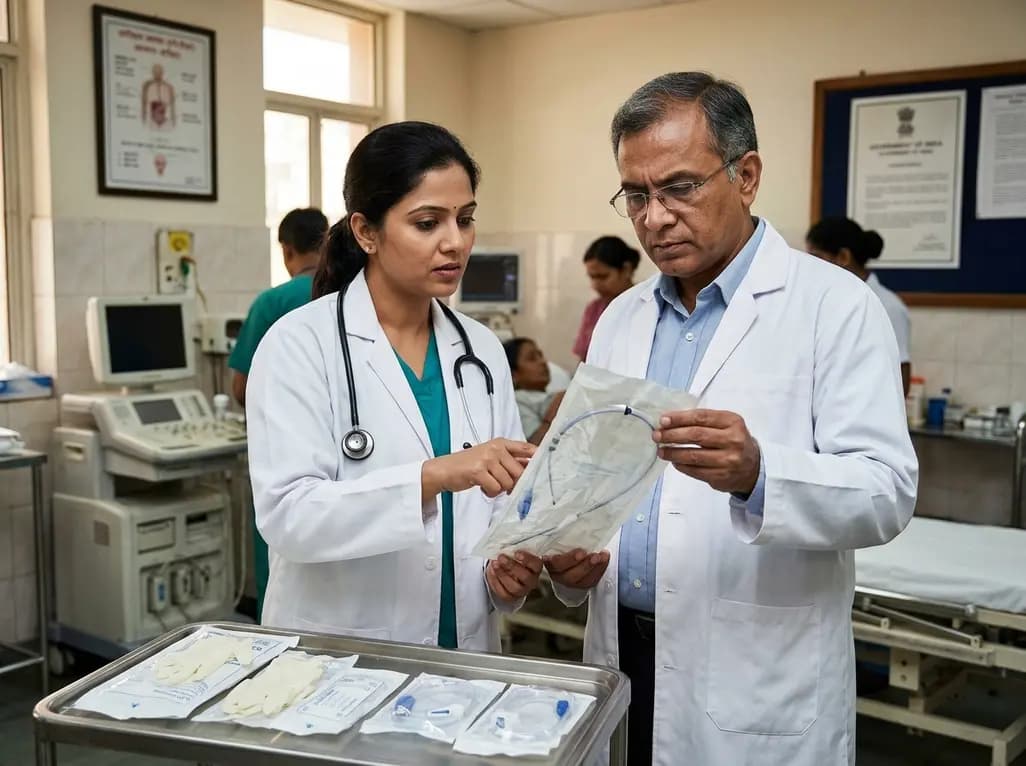
The Directorate General of Health Services directs Indian states to halt the hazardous reuse and reprocessing of single-use medical devices. Discover regulatory implications under the Drugs and Cosmetics Act, critical infection risks, legal liabilities, and operational changes required across clinical specialties.
Today
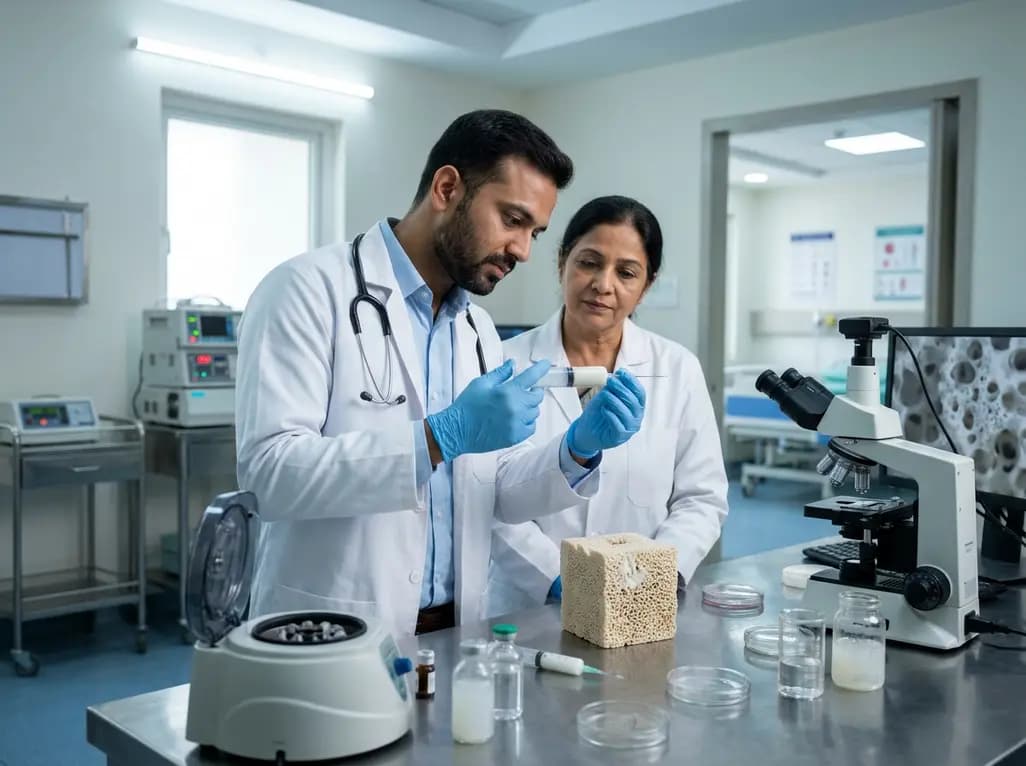
A novel calcium polyphosphate coacervate enables injectable bone implants with in situ hierarchical porosity via phase separation and gas foaming, significantly enhancing cell proliferation, energy metabolism, and osteogenic differentiation for minimally invasive bone defect repair.
Today
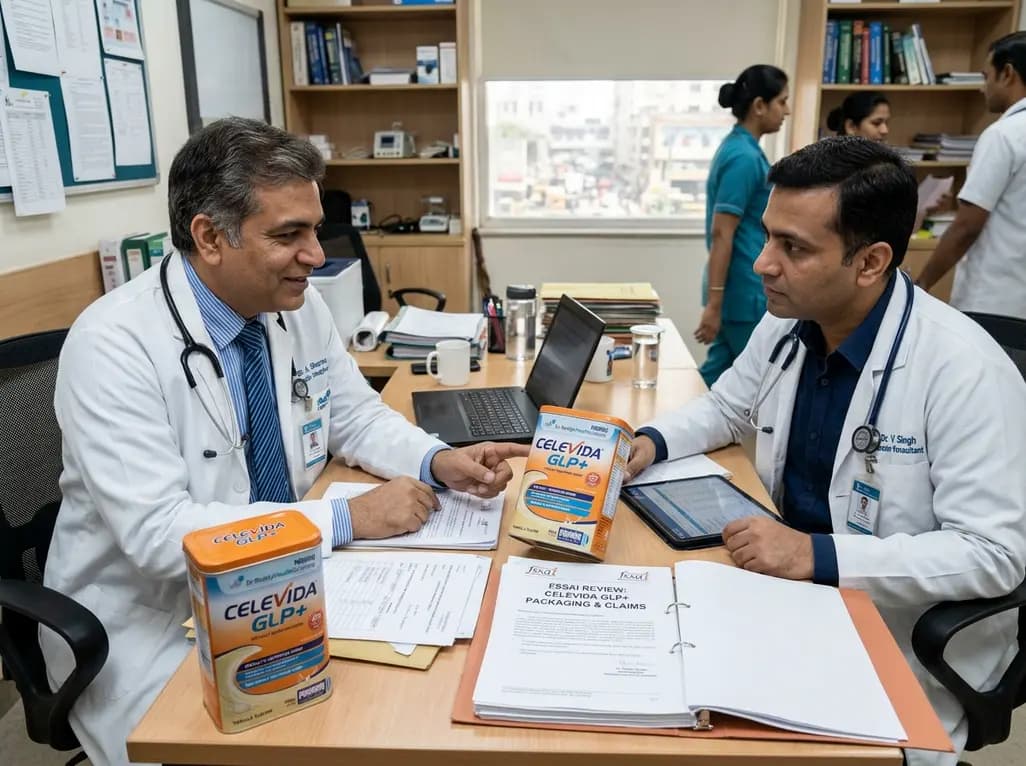
Following regulatory scrutiny from FSSAI regarding promotional representations and lean muscle preservation claims, Dr. Reddy's Laboratories and Nestlé Health Science are currently reviewing the branding and marketing strategy for their joint nutritional supplement Celevida GLP+.
Today
