.webp&w=384&q=75)

Loading, please wait...
Loading, please wait...
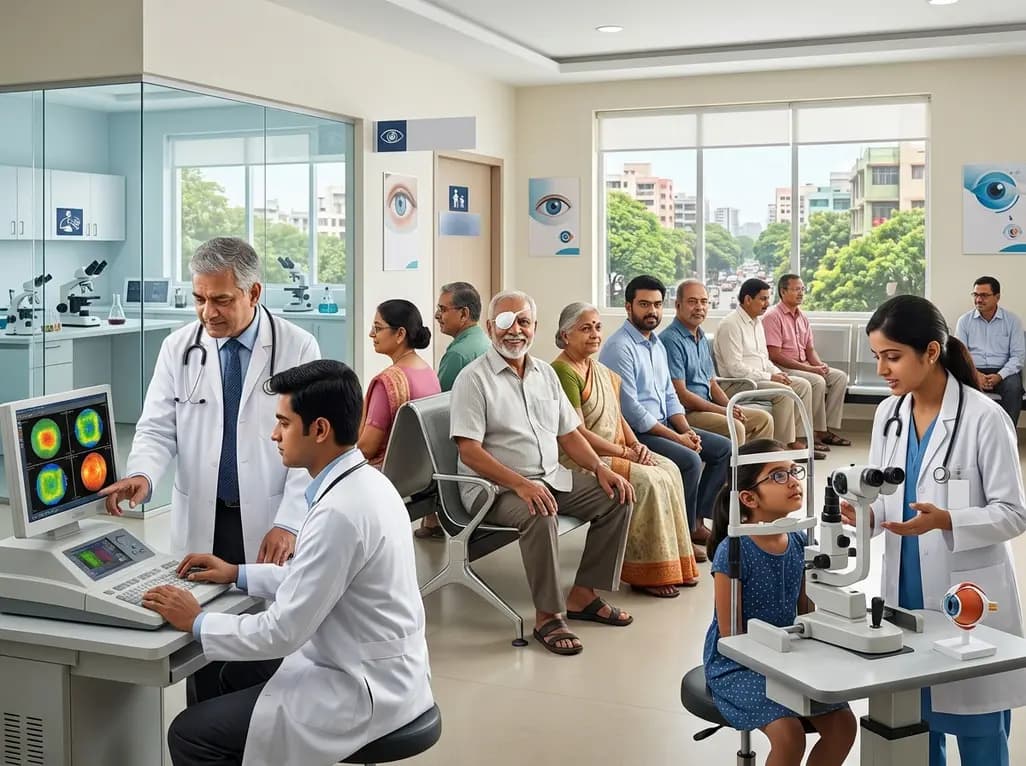
The dynamic shifts within the India eye care market reshape how clinicians deliver ophthalmic healthcare across the subcontinent. Historically, eye care services in the region focused primarily on addressing mature cataracts and severe visual impairments. However, rapid urbanization and economic development have significantly altered the epidemiological profile of the Indian population. Consequently, major global eye care organizations are actively sharpening their strategies to meet these expanding localized demands. By prioritizing sustainable investments in medical technology, these companies are transforming clinical standards. This ongoing market evolution features a strong transition from basic clinical interventions to highly advanced, predictive diagnostics. Furthermore, the rising awareness among domestic patients regarding refractive errors has accelerated the demand for high-quality intraocular lenses and premium vision care products. Private healthcare providers are leading this change by adopting modern surgical devices. Meanwhile, multinational manufacturers are establishing extensive support networks, including dedicated global capability centers, within the country. As a result, the region is rapidly positioning itself as a central hub for medical innovation and surgeon training programs in South Asia. Therefore, understanding these systemic changes is vital for modern practitioners navigating the private eye care sector.
Lifestyle modifications among younger generations have triggered an alarming surge in pediatric ocular disorders. Specifically, the prevalence of pediatric myopia in India has reached critical thresholds, with estimates suggesting that nearly twenty-three percent of school-aged children are now myopic. This public health challenge stems directly from prolonged screen exposure and a substantial reduction in outdoor recreational activities. Consequently, the eyes of young children suffer from continuous near-work stress without adequate natural light. To address this crisis, clinical practices must adopt proactive screening methodologies to detect early refractive shifts. Moreover, eye care professionals must actively educate parents on the importance of limiting digital device usage. Encouraging outdoor play represents another highly effective preventive strategy for pediatric populations. However, clinical interventions such as specialized optical designs and low-dose atropine therapy remain increasingly necessary to control progressive myopia. Therefore, eye care devices designed for early detection are gaining immense clinical significance. As a result of these shifts, the demand for pediatric ophthalmic services is growing rapidly. Practitioners must adapt their clinical workflows to offer comprehensive pediatric visual assessments regularly. Ultimately, managing this epidemic requires collaborative efforts between schools, parents, and clinical specialists.
Another escalating clinical concern within the India eye care market is the widespread prevalence of dry eye disease. Recent epidemiological data indicates that dry eye prevalence in India currently ranges between twenty-five and fifty-eight percent. This condition is particularly prominent among individuals aged twenty to fifty who experience prolonged daily screen exposure. Consequently, the reduced blink rate associated with digital device use leads to rapid tear film instability. Moreover, environmental factors such as air pollution and air conditioning further exacerbate ocular surface discomfort. To combat this growing issue, clinicians increasingly rely on advanced diagnostic platforms to evaluate tear film quality. Furthermore, therapeutic strategies have evolved beyond simple lubricating drops to include advanced meibomian gland expression and intense pulsed light therapies. However, many cases remain undiagnosed due to a lack of patient awareness regarding early symptoms. Therefore, patient education regarding proper screen hygiene and regular blinking breaks is essential. Additionally, clinical practices should integrate comprehensive ocular surface evaluations into routine eye examinations. By addressing dry eye disease proactively, practitioners can significantly improve patient comfort and overall quality of life. Ultimately, early therapeutic intervention is key to preventing long-term damage to the delicate ocular surface.
Cataract management remains the cornerstone of ophthalmic care, with India representing the largest cataract surgery market globally. Specifically, clinicians perform an estimated 7.5 to 8.0 million cataract procedures annually within the country. This volume grows at a steady rate of approximately 4.4 percent each year. Consequently, the demand for innovative intraocular lenses and efficient surgical systems is exceptionally high. Modern patients are no longer satisfied with merely restoring basic vision; instead, they expect complete spectacle independence. To meet these elevated clinical expectations, surgical technologies have advanced rapidly, introducing sophisticated presbyopia-correcting intraocular lenses. Furthermore, digital platforms integrate directly into the operating room to optimize lens power selection in real-time. However, ensuring equitable access to these state-of-the-art procedures remains a significant clinical hurdle. Therefore, leading eye care manufacturers partner with major domestic institutions to democratize advanced surgical technologies. Through these partnerships, companies aim to provide advanced cataract care to millions of patients by the end of this decade. Ultimately, these clinical advancements not only restore visual acuity but also significantly enhance the overall quality of life for aging populations across the country.
To support the rapid expansion of the India eye care market, stakeholders direct substantial investments toward clinical training. Specifically, programs like the Phaco Development Program design curricula to train young cataract surgeons in modern surgical techniques. Consequently, this training bridges the gap between theoretical medical education and practical operating room proficiency. Moreover, localized Centers of Excellence serve as critical hubs for specialized training in advanced vitreoretinal and cataract procedures. In addition to clinical education, expanding global capability centers within the region drive clinical research and development. These centers have evolved to encompass software development, medical device R&D, and quality assurance processes. However, maintaining high-quality surgical outcomes across diverse geographic regions remains a persistent challenge. Therefore, standardizing training programs through collaborative hospital networks is absolutely crucial. By empowering local surgeons with advanced skills, healthcare organizations raise the overall standard of ophthalmic care significantly. Subsequently, these trained professionals support eye care programs in neighboring countries. Ultimately, building a robust clinical workforce ensures that the latest medical innovations reach patients in need.
Q1: Why is the India eye care market expanding so rapidly among younger populations?
Shifting lifestyles and prolonged screen exposure drive this rapid growth. Gen Z and Gen Alpha spend significantly less time outdoors and more time looking at digital devices. Consequently, this behavior accelerates pediatric myopia progression and increases dry eye prevalence. Therefore, early diagnostic screening and proactive lifestyle interventions have become critical components of clinical practice across the country.
Q2: What is the current volume and growth of cataract surgeries in India?
India represents the largest cataract market globally, with 7.5 to 8.0 million cataract surgeries performed annually. This surgical volume grows at 4.4 percent per year. In contrast to public healthcare systems in China, India relies heavily on a private care model. Consequently, this framework allows quicker regulatory approvals and faster adoption of innovative intraocular lenses and advanced surgical equipment.
Q3: How are clinical training programs in India helping to improve ophthalmic care?
Clinical training programs, such as the Phaco Development Program and specialized Centers of Excellence, are crucial for standardizing high-quality ophthalmic surgery. Specifically, these initiatives train young cataract surgeons in modern techniques, bridging the gap between theoretical knowledge and practical proficiency. Furthermore, because these trained professionals support neighboring countries, India serves as a key regional hub for ophthalmic education.
Disclaimer: This content is for informational and educational purposes only. It does not constitute medical advice or replace professional judgment. Refer to the latest local and national guidelines for clinical practice.
References

Read summarized clinical updates, watch expert medical content, and earn CME certifications right from your smartphone.
Open your smartphone camera to scan and install.





Explore the rapid expansion of the Indian eye care sector, driven by a surge in pediatric myopia, digital dry eye disease, and high-volume cataract surgeries. Discover how advanced training programs, localized R&D, and clinical innovations are shaping the future of ophthalmic healthcare in the region.
3 months ago
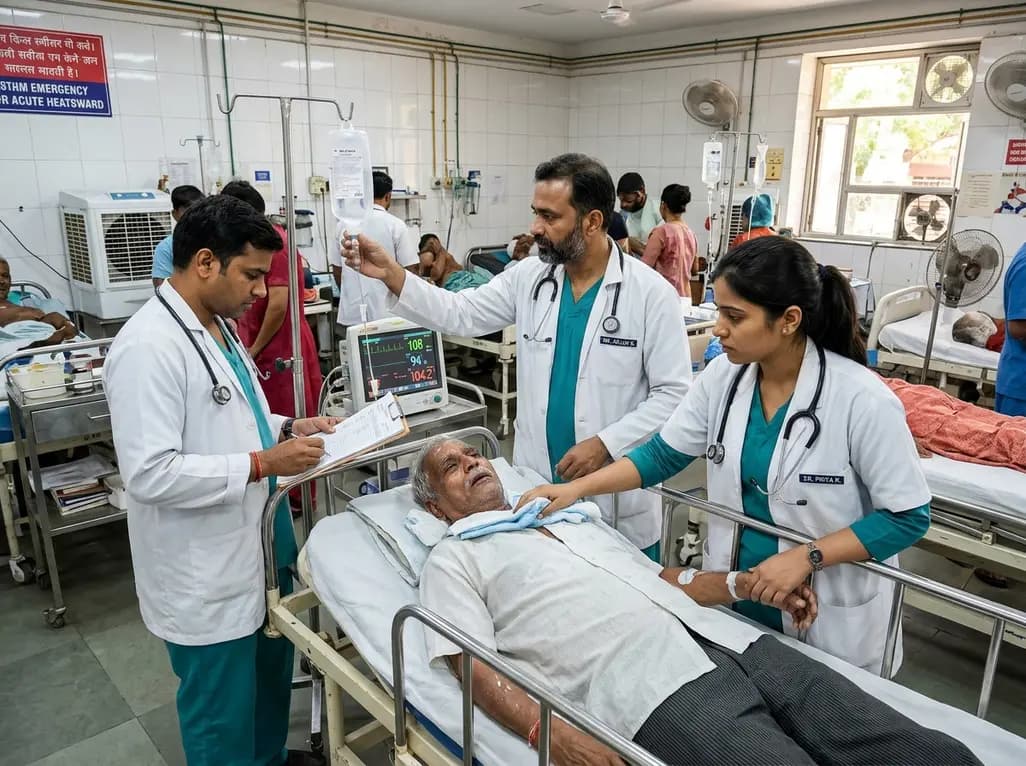
Recent epidemiological data reveals a dramatic surge in summer heat mortality driven by human-induced climate warming. This analysis explores the pathophysiological impacts on cardiac and renal systems, diagnostic dilemmas in death certification, and essential emergency cooling protocols for acute clinical care.
Today
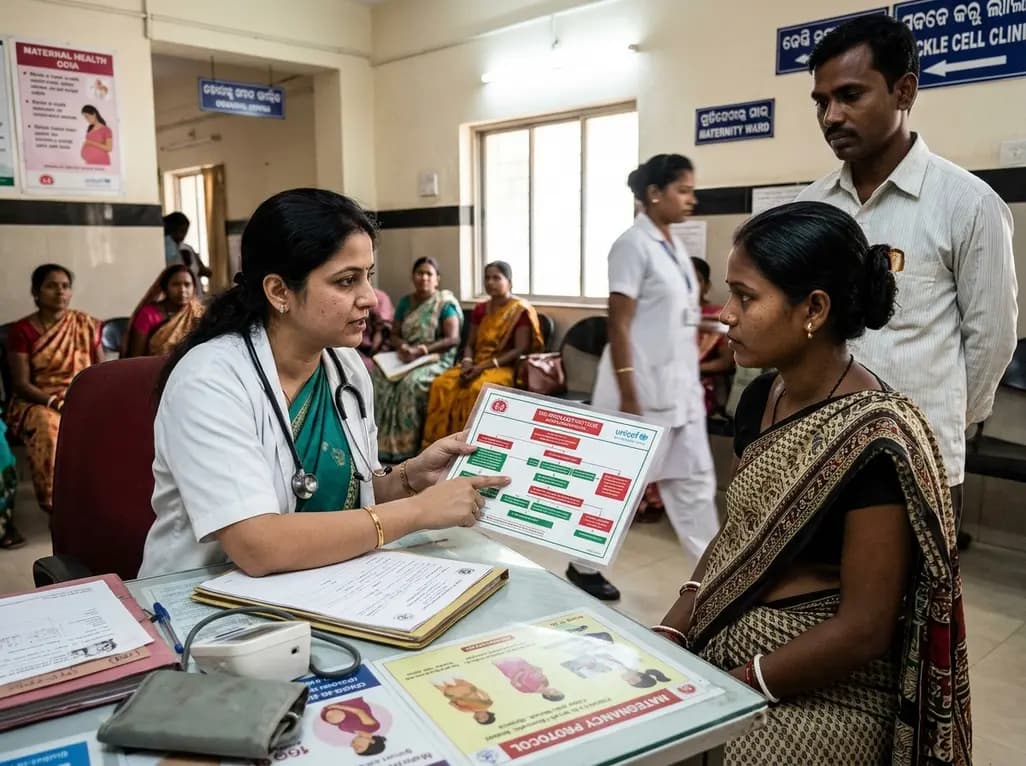
Odisha has established India's first state-level clinical protocol specifically tailored for pregnant women with sickle cell disease. Developed with NHM and UNICEF, the framework provides structured antenatal screening, crisis mitigation, standardized referral pathways, and specialized interdisciplinary care.
Today

India is advancing preventive healthcare by integrating genomics, artificial intelligence, and quantum technologies. With the SANGAM programme sequencing one million Indian genomes, clinicians can unlock personalized therapies, detect cardiometabolic risks early, and curb the burden of diabetes and heart disease.
Today
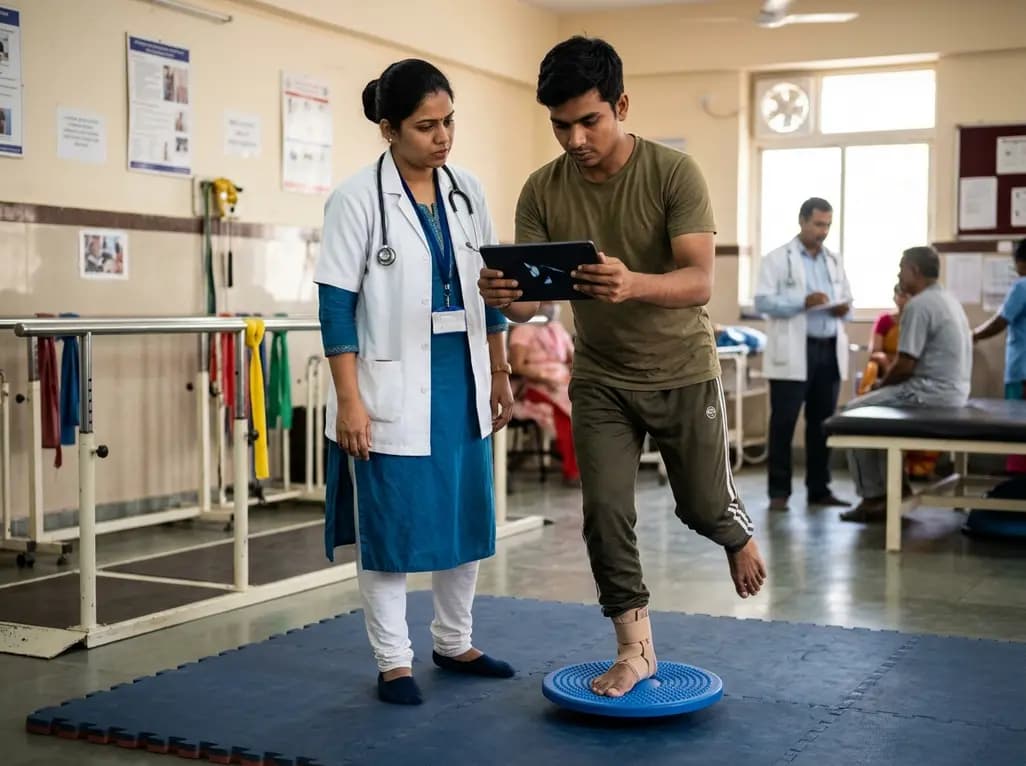
A randomized controlled trial demonstrates that an eight-week dual-task training intervention significantly improves static and dynamic postural control over standard balance exercises in individuals with chronic ankle instability, addressing critical neurocognitive deficits during athletic and daily activities.
Today
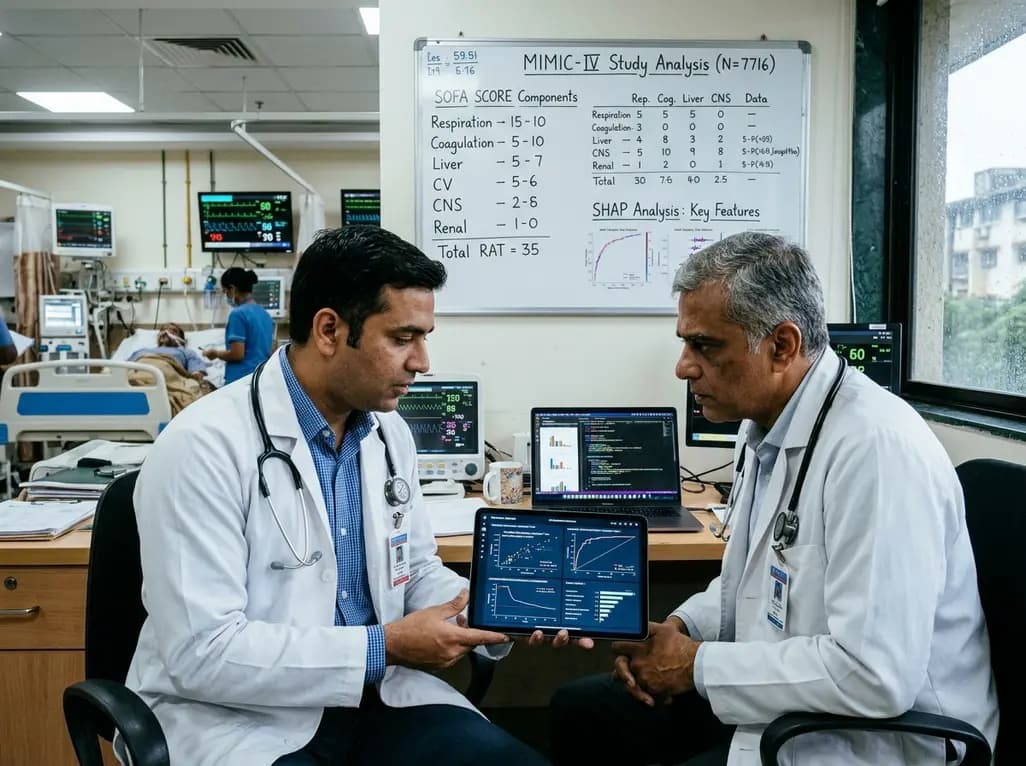
A retrospective cohort study of 7,716 ICU patients from the MIMIC-IV database demonstrates that Gradient Boosting Decision Trees significantly outperform traditional SOFA scores in predicting in-hospital mortality among patients with sepsis and diabetes, with SHAP analysis providing clinical interpretability.
Today
