.webp&w=384&q=75)

Loading, please wait...
Loading, please wait...

The researchers conducted a preregistered study covering approximately 550,000 adolescents across 340 municipalities between 2010 and 2019. Using multilevel modeling and equivalence testing, the team found that the within-municipality effect of income inequality was neither statistically significant nor practically meaningful. Additionally, rising inequality did not significantly interact with a family's personal financial situation. Consequently, the data suggests that local wealth gaps may not be the primary driver of the rising mental health challenges seen in today's youth.
Notably, the study identified a minor gender interaction. Increasing inequality predicted slightly higher symptoms in females and slightly lower symptoms in males. However, these effects were remarkably small and likely too insignificant to influence clinical outcomes. Therefore, the authors concluded that changes in income inequality do not meaningfully help explain the rising trend of adolescent depressive symptoms in the studied population.
For clinicians, these findings suggest that broad socioeconomic metrics like the Gini coefficient may not be reliable predictors of individual mental health risk. Instead, practitioners should focus on direct family stressors and individual psychological factors. While social determinants are undoubtedly important, the immediate environment and personal resilience appear to play a more dominant role in the emergence of adolescent depressive symptoms. Specifically, factors such as family conflict, bullying, and individual coping mechanisms may provide more actionable insights during a clinical assessment.
Furthermore, this research highlights the importance of using large-scale, longitudinal data to test sociological assumptions. While income inequality remains a critical issue for social justice and policy, its direct link to clinical depression in teenagers may be less clear than previously thought. Understanding these nuances helps healthcare providers prioritize interventions that target the most impactful risk factors for their young patients.
Based on this large-scale Norwegian study, changes in local income inequality do not meaningfully predict or explain changes in depressive symptoms among adolescents over a decade of observation.
The study found a small interaction where inequality predicted slightly higher symptoms in females and lower in males, but the researchers noted these differences were too small to be practically meaningful.
While wealth is a factor, practitioners should prioritize assessing direct family financial strain and individual stressors, as broad municipality-level inequality was not a significant predictor of depressive symptoms in this study.
Disclaimer: This content is for informational and educational purposes only. It does not constitute professional medical advice, diagnosis, or treatment. Always seek the advice of your physician or other qualified healthcare provider with any questions you may have regarding a medical condition. Refer to the latest local and national guidelines for clinical practice.
References
Nilsen SA et al. Does Income Inequality Predict Adolescent Depressive Symptoms? Psychol Sci. 2026 Mar 30. doi: 10.1177/09567976261432207. PMID: 41911005.
Patel V, et al. Prevalence and Determinants of Depressive and Anxiety Symptoms Among School-Going Adolescents in Urban South India. PMC. 2024.
Brody DJ, Hughes JP. Depression Prevalence in Adolescents and Adults: United States, August 2021–August 2023. NCHS Data Brief. 2025.

Read summarized clinical updates, watch expert medical content, and earn CME certifications right from your smartphone.
Open your smartphone camera to scan and install.





A Norwegian study of 550,000 teens found that changes in income inequality do not meaningfully predict or explain adolescent depressive symptoms....
6 months ago
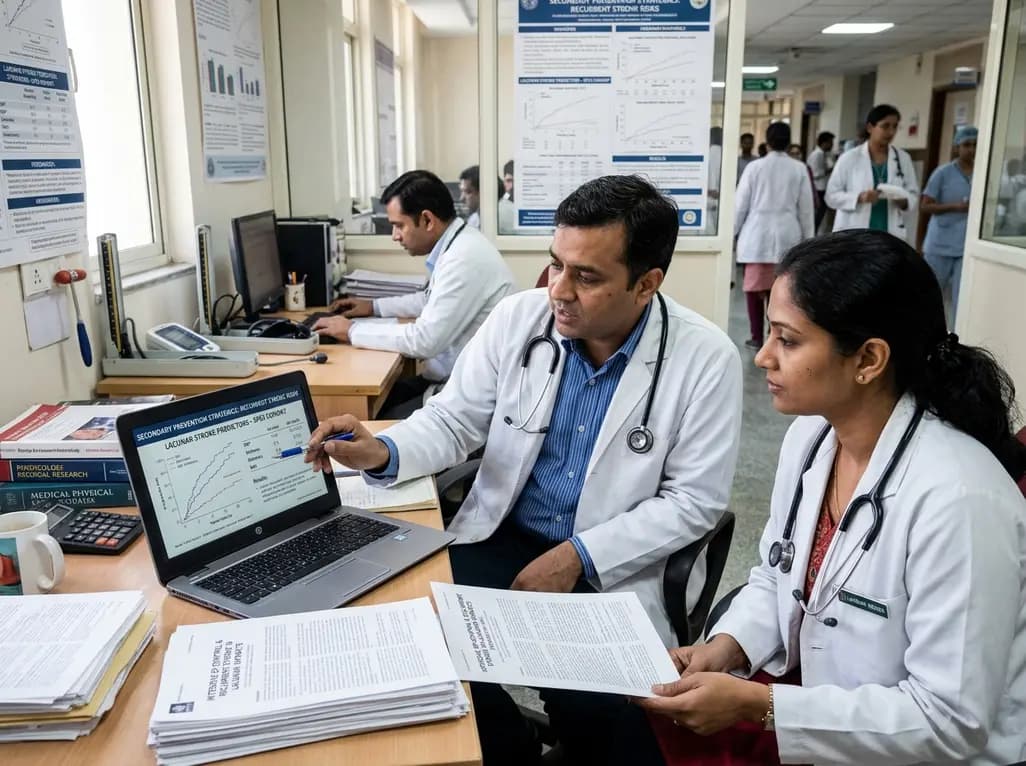
Explore vital recurrent stroke predictors in lacunar stroke patients managed with intensive blood pressure lowering. This analysis examines trial findings from SPS3 to uncover residual vascular risks, metabolic factors, and targeted secondary prevention strategies for high-risk neurological patients.
Today
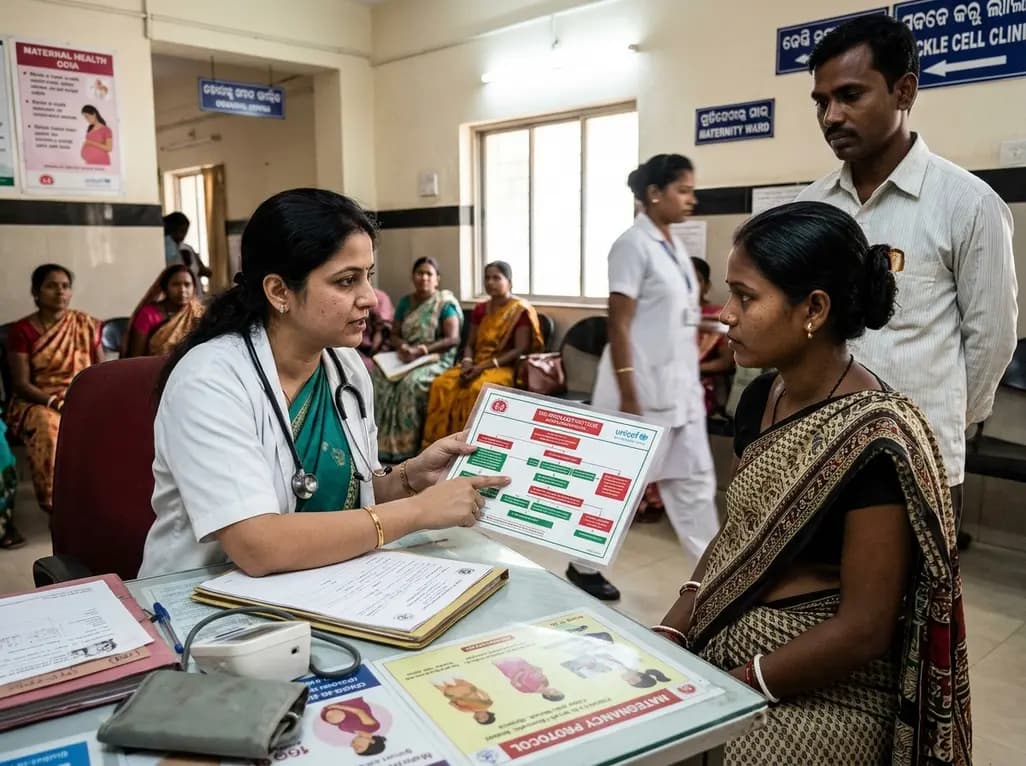
Odisha has established India's first state-level clinical protocol specifically tailored for pregnant women with sickle cell disease. Developed with NHM and UNICEF, the framework provides structured antenatal screening, crisis mitigation, standardized referral pathways, and specialized interdisciplinary care.
Today

The Directorate General of Health Services directs Indian states to halt the hazardous reuse and reprocessing of single-use medical devices. Discover regulatory implications under the Drugs and Cosmetics Act, critical infection risks, legal liabilities, and operational changes required across clinical specialties.
Today

Mitochondria-targeted nanoparticles self-assembled from EGCG and L-glutamic acid effectively restore mitochondrial homeostasis, suppress synovial inflammation, and attenuate chondrocyte senescence in osteoarthritis, offering a promising disease-modifying nanotherapy.
Today

India is advancing preventive healthcare by integrating genomics, artificial intelligence, and quantum technologies. With the SANGAM programme sequencing one million Indian genomes, clinicians can unlock personalized therapies, detect cardiometabolic risks early, and curb the burden of diabetes and heart disease.
Today
