.webp&w=384&q=75)

Loading, please wait...
Loading, please wait...

Fenestrated-branched endovascular aortic repair has revolutionized the management of complex aortic pathologies over the past two decades. However, the presence of persistent nicotine use substantially complicates patient care. Understanding the clinical influence of active smoking in FB-EVAR remains essential for vascular surgeons and interventional cardiologists who routinely encounter high-risk candidates. Tobacco exposure accelerates systemic atherogenesis and impairs microvascular tissue oxygenation. Consequently, clinicians must recognize how persistent smoking influences procedural outcomes, cardiopulmonary recovery, and immediate post-intervention surveillance during complex endovascular interventions.
Cigarette smoke contains thousands of chemical toxins that induce systemic endothelial inflammation and profound vasomotor dysfunction. In patients with thoracoabdominal aortic aneurysms and complex abdominal aortic aneurysms, these cellular alterations severely damage vascular remodeling. Nicotine increases vascular tone and circulating catecholamines, which precipitates acute hypertension and elevates cardiovascular workload. Meanwhile, carbon monoxide binds avidly to hemoglobin, significantly reducing systemic oxygen delivery to vulnerable organs. In addition, chronic smoke exposure destroys ciliary function in the respiratory tract and promotes alveolar destruction. These pathological changes create severe systemic frailty before any endovascular procedure begins. When vascular teams execute complex endograft deployment, the preexisting pulmonary impairment directly heightens the vulnerability of the patient. Therefore, active smoking compromises oxygen kinetics, exacerbates tissue ischemia during prolonged arterial catheterization, and creates persistent vascular irritation.
Clinical registries categorize surgical candidates into three distinct cohorts: active smokers, former smokers, and never smokers. Researchers classify individuals who actively consume cigarettes within six weeks of surgery as current smokers because physiological recovery requires prolonged cessation. Conversely, former smokers demonstrate significant clearance of carbon monoxide, stabilization of airway hyperreactivity, and measurable recovery in platelet aggregation dynamics. Never smokers present baseline vascular compliance that remains uncompromised by chronic inhalational injury. In elective thoracoabdominal aneurysm cohorts, researchers strictly exclude acute aortic ruptures and symptomatic presentations to isolate true elective perioperative risk. Furthermore, standardized data abstraction systematically captures patient demographics, baseline chronic kidney disease, coronary artery disease, and anatomical aneurysm extent. This rigorous methodological stratification allows clinicians to evaluate outcomes independently of urgent surgical confounding factors.
Active smoking significantly drives perioperative morbidity across advanced endovascular aortic interventions. Specifically, respiratory events represent the most prominent postoperative hurdle in actively smoking cohorts. Patients who smoke incur dramatically higher rates of hospital-acquired pneumonia, acute bronchospasm, unplanned mechanical ventilation, and prolonged endotracheal reintubation. In addition, systemic nicotine exposure destabilizes microvascular perfusion, which increases the hazard of spinal cord ischemia, prolonged intensive care stays, and acute renal injury. Although technical placement of fenestrated cuffs and bridging stents often achieves equal initial anatomical success, systemic physiological resilience differs sharply among cohorts. Active smokers experience heightened rates of surgical site wound complications at femoral conduit or access sites. Furthermore, chronic baseline pulmonary inflammation markedly delays early extubation protocols. Consequently, patients who smoke face higher resource utilization and longer inpatient hospitalization periods.
Vascular specialists must enforce structured smoking cessation protocols before performing elective advanced aortic reconstructions. Complete tobacco abstinence for at least four to six weeks preoperatively substantially restores mucociliary transport and reduces perioperative airway reactivity. Therefore, surgical teams should actively initiate combination nicotine replacement therapies, behavioral counseling, and pharmacotherapy using varenicline or bupropion whenever anatomically feasible. Furthermore, structured pulmonary rehabilitation significantly reduces postoperative pulmonary complications. Patients who complete targeted inspiratory muscle training demonstrate improved vital capacity and faster weaning from mechanical ventilation. Additionally, preoperative optimization must address concurrent hypertension and chronic obstructive pulmonary disease through calibrated bronchodilator therapy. By actively intervening weeks prior to fenestrated repair, clinical teams transform high-risk smokers into stabilized surgical candidates who experience fewer postoperative systemic complications.
Postoperative care after complex fenestrated repair demands rigorous clinical vigilance and specialized imaging surveillance. Active nicotine use after repair impairs arterial wall biology and might contribute to accelerated branch vessel thrombosis or late visceral cuff displacement. Therefore, endovascular specialists must coordinate closely with pulmonologists, cardiologists, and primary care physicians to reinforce lifelong smoking cessation. Clinicians must perform contrast-enhanced computed tomography angiography and duplex ultrasonography at regular intervals to monitor visceral branch patency and detect late endoleaks. Additionally, aggressive secondary cardiovascular prevention should include high-intensity statins, antiplatelet regimens, and strict blood pressure control. When multidisciplinary teams eliminate tobacco exposure permanently, patients achieve superior long-term survival, improved vascular patency, and durable protection against secondary aortic degeneration.
Tobacco smoke severely damages airway cilia, suppresses alveolar macrophage activity, and induces chronic tracheobronchial inflammation. Consequently, patients who actively smoke produce copious thick secretions and experience airway hyperreactivity during general anesthesia. These factors markedly increase the likelihood of postoperative atelectasis, hospital-acquired pneumonia, and prolonged endotracheal intubation, which collectively compromise systemic recovery and lengthen intensive care stays following prolonged endovascular procedures.
Clinicians strongly advise patients to achieve complete tobacco abstinence for at least four to eight weeks before undergoing elective endovascular repair. This duration allows carbon monoxide levels to normalize, restores mucociliary clearance, and reduces platelet hyperreactivity. Even brief preoperative cessation improves physiological reserve; however, extended abstinence provides the greatest reduction in cardiopulmonary complications, access site infections, and perioperative morbidity.
Active smoking does not directly compromise the immediate technical success of deploying fenestrated grafts or visceral bridging stents. However, severe underlying atherosclerosis and calcification associated with chronic smoking can complicate endovascular navigation and arterial access. Furthermore, active tobacco exposure accelerates peripheral arterial disease, increases the risk of early branch vessel thrombosis, and impairs systemic healing around arterial cutdowns or percutaneous puncture sites.
Disclaimer: This content is for informational and educational purposes only... Refer to the latest local and national guidelines for clinical practice.
References
Rodrigues DVS et al. Impact of Active Smoking in Peri-operative Outcomes of Patients Undergoing FB-EVAR for Thoracoabdominal and Complex Abdominal Aortic Aneurysms. J Endovasc Ther. 2026 Sep 22. doi: 10.1177/15266028261484740. PMID: 42773082.
Chaikof EL, Dalman RL, Eskandari MK, et al. The Society for Vascular Surgery practice guidelines on the care of patients with an abdominal aortic aneurysm. J Vasc Surg. 2018;67(1):2-77.e2.
Oderich GS, Forbes TL, Chaer R, et al. Reporting standards for endovascular aortic repair of aneurysms involving the renal-mesenteric arteries. J Vasc Surg. 2021;73(1S):4S-52S.

Read summarized clinical updates, watch expert medical content, and earn CME certifications right from your smartphone.
Open your smartphone camera to scan and install.





A comprehensive analysis evaluating the impact of active tobacco smoking on perioperative outcomes, pulmonary complications, and technical success in patients undergoing fenestrated-branched endovascular aortic repair (FB-EVAR) for complex abdominal and thoracoabdominal aortic aneurysms.
Today
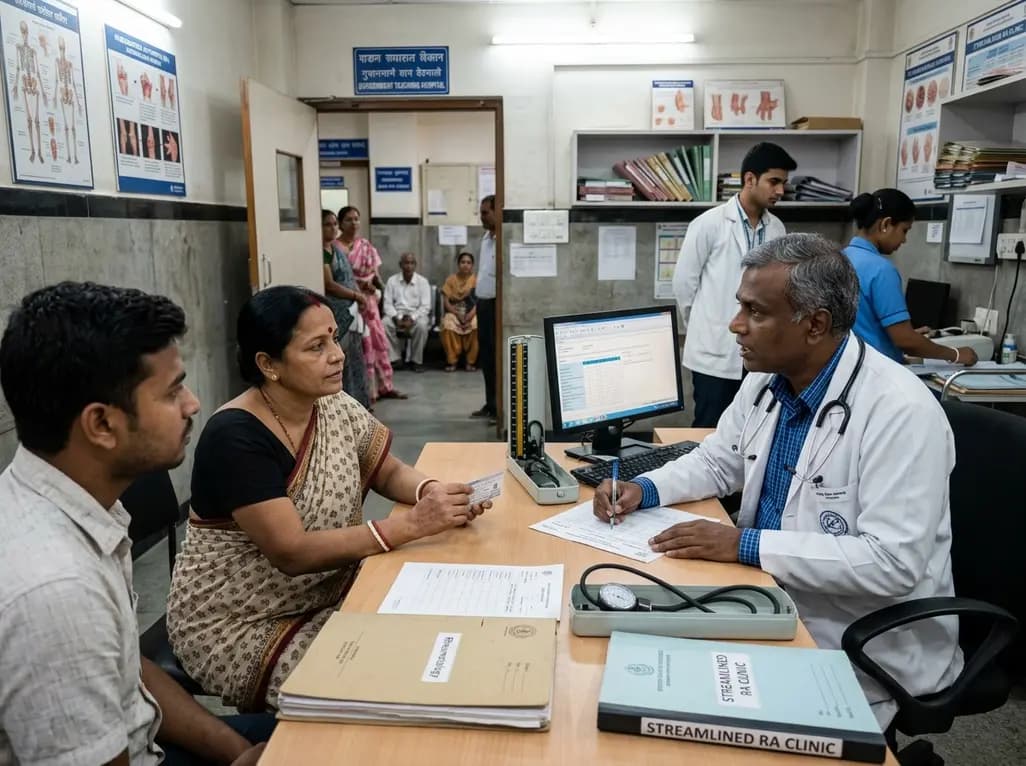
Direct transition from early arthritis clinics to a dedicated, streamlined rheumatoid arthritis clinic prevents follow-up delays, maintains DMARD doses, and halts biomarker escalation compared to general rheumatology referral.
Today
A school-based intervention using the Health Action Process Approach (HAPA) significantly enhanced adolescents' perceived benefits of consulting healthcare providers and promoted proactive menstrual health behaviors, offering key clinical insights for managing adolescent dysmenorrhea and endometriosis.
Today
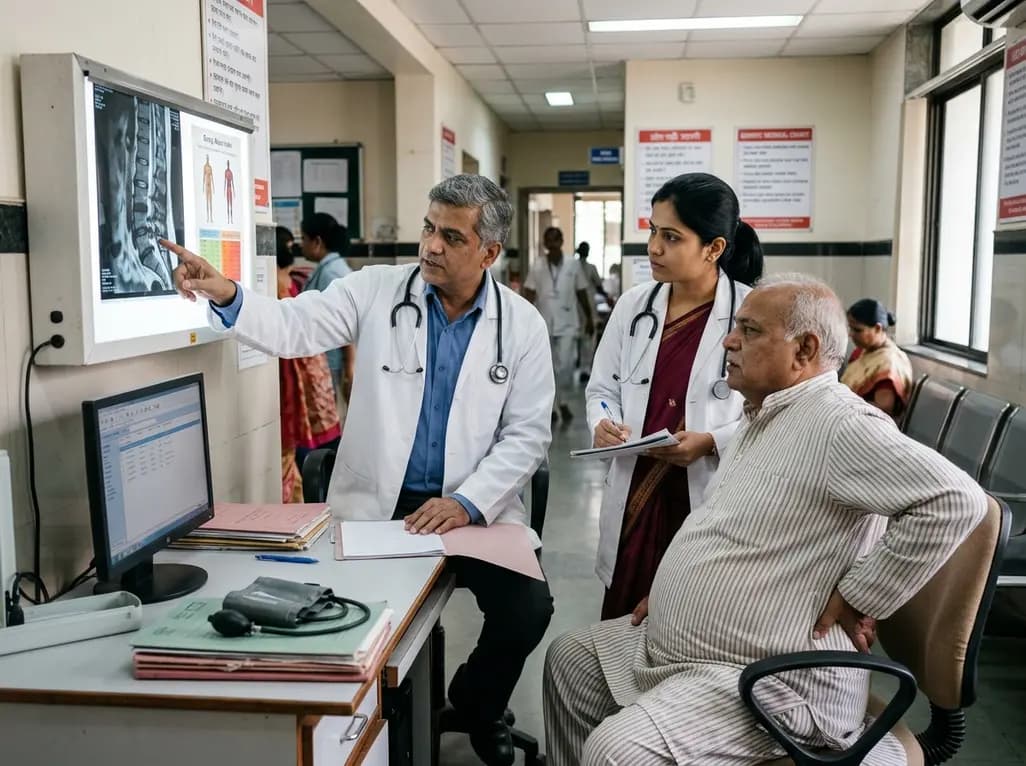
A cross-sectional study reveals that sarcopenic obesity independently increases functional impairment and severe disc degeneration in patients with degenerative lumbar spinal stenosis, highlighting the need for body composition assessment.
Today

Non-invasive biospecimen sampling offers exciting opportunities for stress medicine. This article examines a pioneering protocol comparing cortisol, inflammatory cytokines, and metabolic markers across blood plasma, whole saliva, and oral mucosal transudate during baseline and acute stress states.
Today
